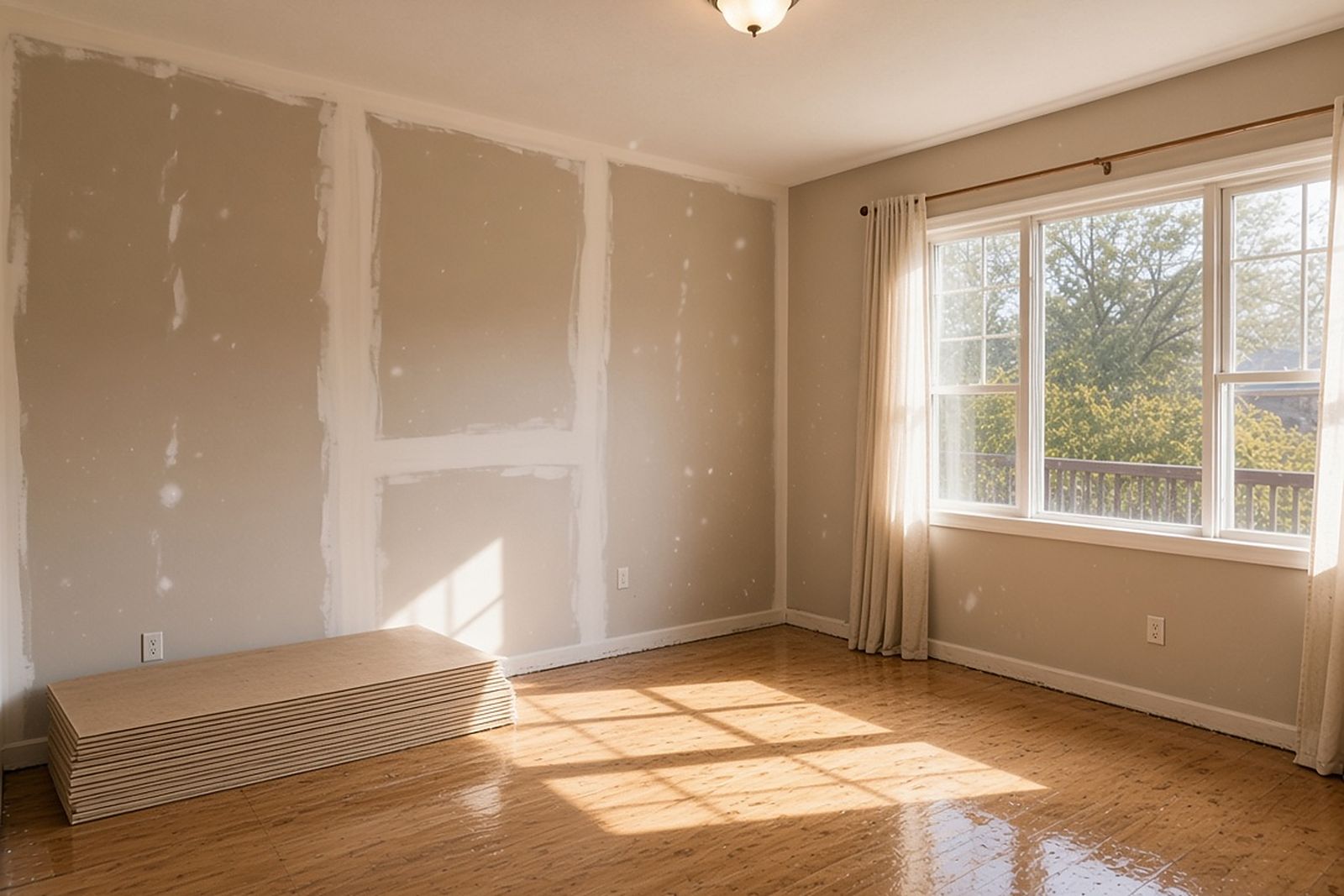
Knowledge check with explanations

Unattended Death Cleanup quiz and study guide

Find out what you already understand, then read the parts you missed.

This quiz covers what a landlord, executor, or family member needs to know to make good choices about a property after a death that was not found for days or longer. Most people start with no background at all. And wrong guesses can be costly. People assume the odor will air out, that carpet cleaning is enough, that anyone with a mop can handle it, or that the belongings can be tossed. The questions follow the same order a skilled provider uses. First, you learn what the odor and stains really mean. Then you confirm the release and who has authority. Next come keeping the mess contained, the difference between cleaning and disinfecting, and where the waste goes. Last is the paperwork that protects everyone when the unit is later sold or rented again.

Get an email reply about unattended death cleanup

Send a short message to the follow-up inbox. A coordinator can reply by email. This form does not send emergency help; call 911 first if anyone is in danger.

Tell us what you need help with. Share a short description; please leave out medical details, access codes, and other sensitive information.

A request does not confirm a booking. For immediate danger, contact local emergency services.

Or email info@unattendeddeath.online

There is no penalty for a wrong answer. Each one links to the study section that explains it. You can read the study guide below first, or jump straight into the questions and use the explanations as you go. Executors working from far away may find the quiz very useful. It teaches the words they will hear from providers and insurers. Examples are source removal, how long a disinfectant must stay wet, and the waste shipping record. Landlords may want to share it with maintenance staff, so no one enters the unit unprepared. Nothing in the quiz describes the person who died or what happened, beyond what the property shows.

Unattended Death Cleanup knowledge check

15 questions about real unattended death cleanup situations: staying safe, what happens, cost, choosing help and the rules. Every answer comes with a short explanation.

Why this quiz matters

Knowing these basics makes it easier to spot bad advice and ask a company the right questions. This quiz is educational — it does not certify anyone. After the quiz, review the explanations for questions you missed. For professional guidance on your specific situation, use the contact form at the top of the page for an email reply. Unattended Death Cleanup is classified as extreme-risk — every question here relates to real hazards where professional remediation is essential.

Progress1 / 15
SafetyQ1

The smell in the apartment comes back every time the windows are shut. What does that usually mean?

Study guide: the six ideas behind the questions

Read these before or after the quiz. They cover the concepts every question draws on, written for unattended death cleanup specifically.

1What odor, staining, and insects are telling you

The signs of an unattended death are more than unpleasant. They tell you what is going on. An odor that comes back after the windows have been open points to fluids held inside soft materials, not in the air. A dark stain on a floor or mattress is only the part you can see. The damage has usually spread under and beyond it. Flies, larvae, or insects bunched on windows point to a longer time before discovery. They also suggest the mess was carried to other surfaces. Soft drywall, warped floorboards, or a damp smell near the spot suggest moisture reached the building itself. Reading these signs correctly tells you the job will involve tear-out and maybe rebuild. It also tells you the space is not safe for staff, family, or other tenants to walk into.

2Release, access, and who can sign

Nothing should start until the agency that responded has released the property. That is usually the police or the medical examiner. Ask for the case number and the name of the person who approved the release. Keep both in your file. After release, the question is who has the legal right to order the work. For a rental, that is usually the landlord or property manager, though the tenant's estate may have duties under the lease. For a home the person owned, it is the executor or personal representative. If there is no will, it may be the next of kin acting under state rules. Someone who only has a key cannot sign or get rid of belongings. Rules vary by state and county. Check with the local authority or a lawyer whenever it is unclear who is in charge.

3Containment in a home or multi-unit building

Containment means keeping germs and odor from spreading while you arrange help. Close the door to the affected room. If the unit has central air, turn it off. That stops the system from pushing tiny airborne droplets and odor through the ducts to other rooms. In a building with many units, it also protects neighbors who share the air system. Do not open inside doors between units. Do not run fans that blow from the affected area outward. Keep staff, family, and pets out. Professionals go further. They seal plastic sheets over doorways and use air filters and plastic walls that keep dust inside the work area. They also set one path for people and waste, so clean areas stay clean. In apartments, ask how they will protect shared hallways and whether neighbors should be warned about machine noise.

4Cleaning, disinfection, and source removal

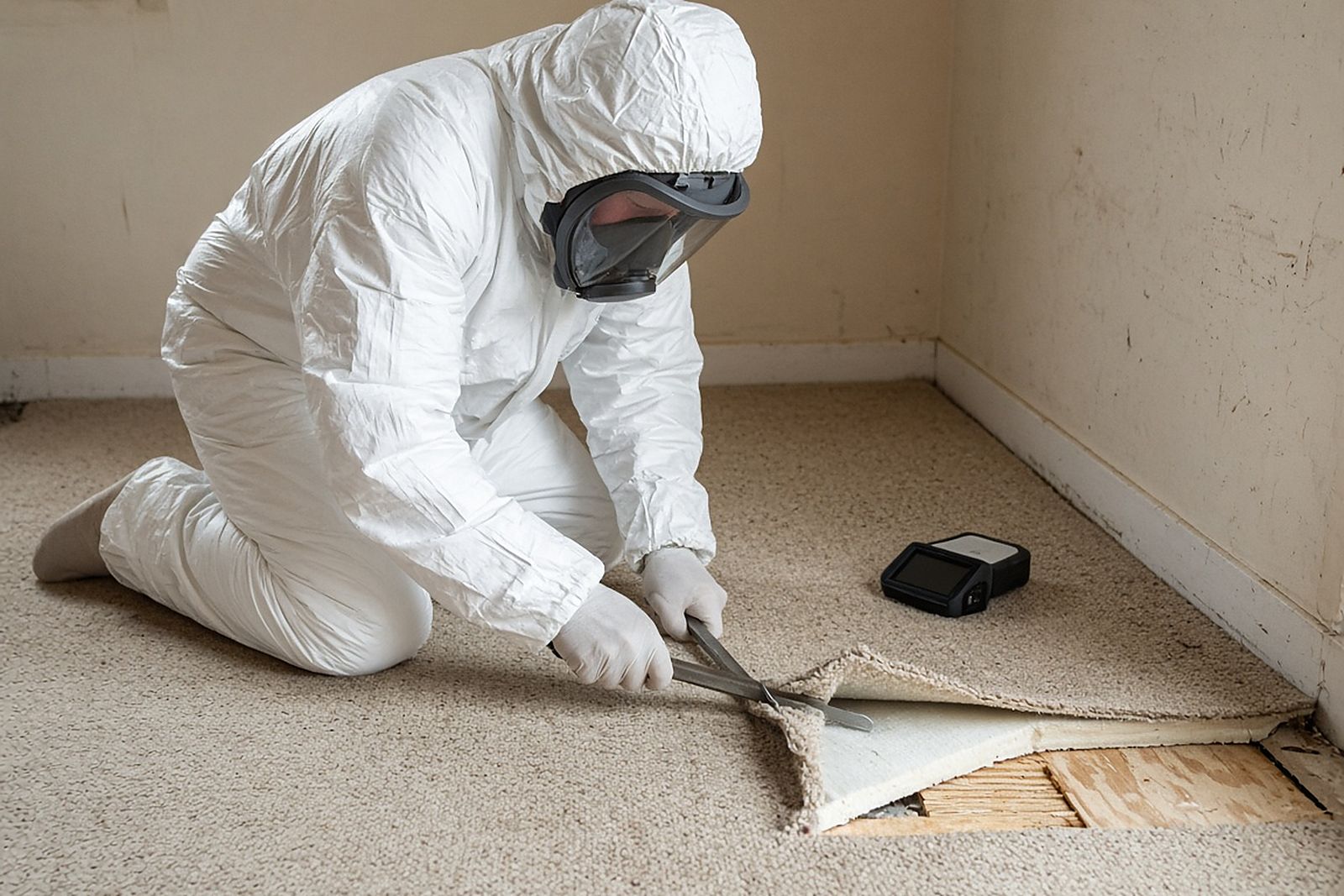
Three words mean different things here. Cleaning removes dirt you can see. Disinfecting kills germs on a surface to the level stated on an EPA-registered product label. To work, the surface must stay wet for as long as the label says. Source removal means taking out the materials that hold fluid and odor. These include carpet, pad, the layers under it, subfloor, and drywall, because they cannot be disinfected in place. After a late discovery, source removal is usually most of the job. Disinfecting covers the hard surfaces and framing left once the soaked layers are gone. Odor treatment with ozone, hydroxyl, or sealants comes last, and only after the source is out. If a provider plans to deodorize before removal, or to shampoo carpet instead of lifting it, that plan will fail.

5Where the waste goes and how it is tracked

Materials soaked with fluids from a body are usually handled as regulated medical waste. They are bagged in labeled containers and kept in a secure area. Then a licensed hauler takes them to a permitted treatment site. Building debris that was not soiled, like drywall cut to get access, may go out as normal construction waste. Belongings that fluids never touched are not waste at all. They belong to the estate. Ask the provider how they sort each type. Also ask for the waste shipping record that shows where the regulated waste went. This record protects a landlord from legal risk. It helps an executor account for costs, and it answers a future buyer's questions. Waste rules vary by state and county. If anything seems off, check with the local environmental or health authority.

6Documentation, clearance, and re-occupancy

The paperwork is what turns a cleaned property back into a livable one. Before work starts, get a written scope. It should list each affected room, the materials to be removed, the disinfectants to be used, and the odor plan. During the work, the provider should take photos of each stage. That includes the bare subfloor and any wall spaces they open. After the work, ask for a final report. It should list product names, areas treated, any moisture readings, and the waste shipping record. Some providers offer surface tests or air checks. Ask what checks they use and what the results show. Rebuilding floors and drywall usually needs a separate contractor. Keep everything in the property file. Renting, selling, or settling the estate may all depend on showing exactly what was done.
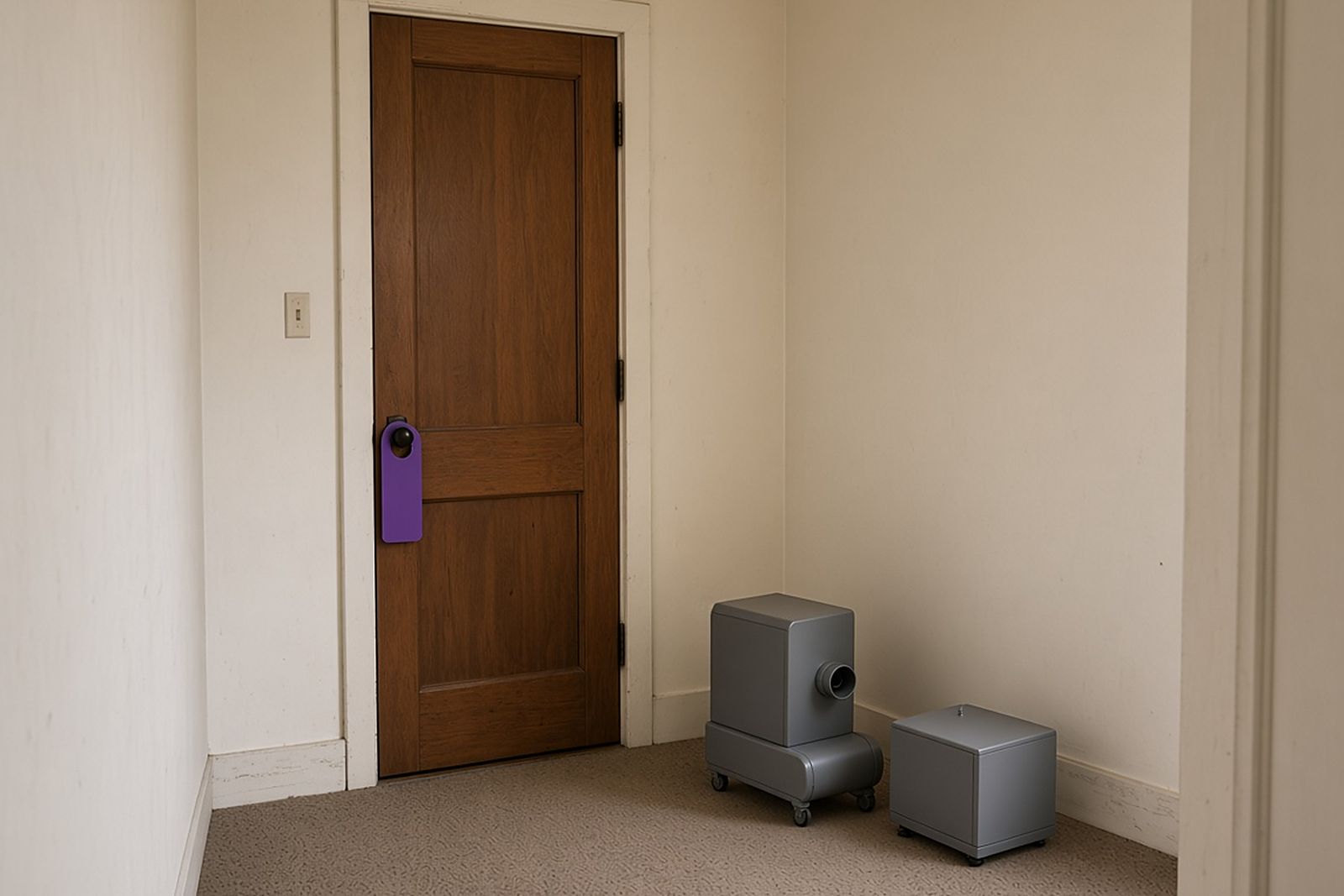
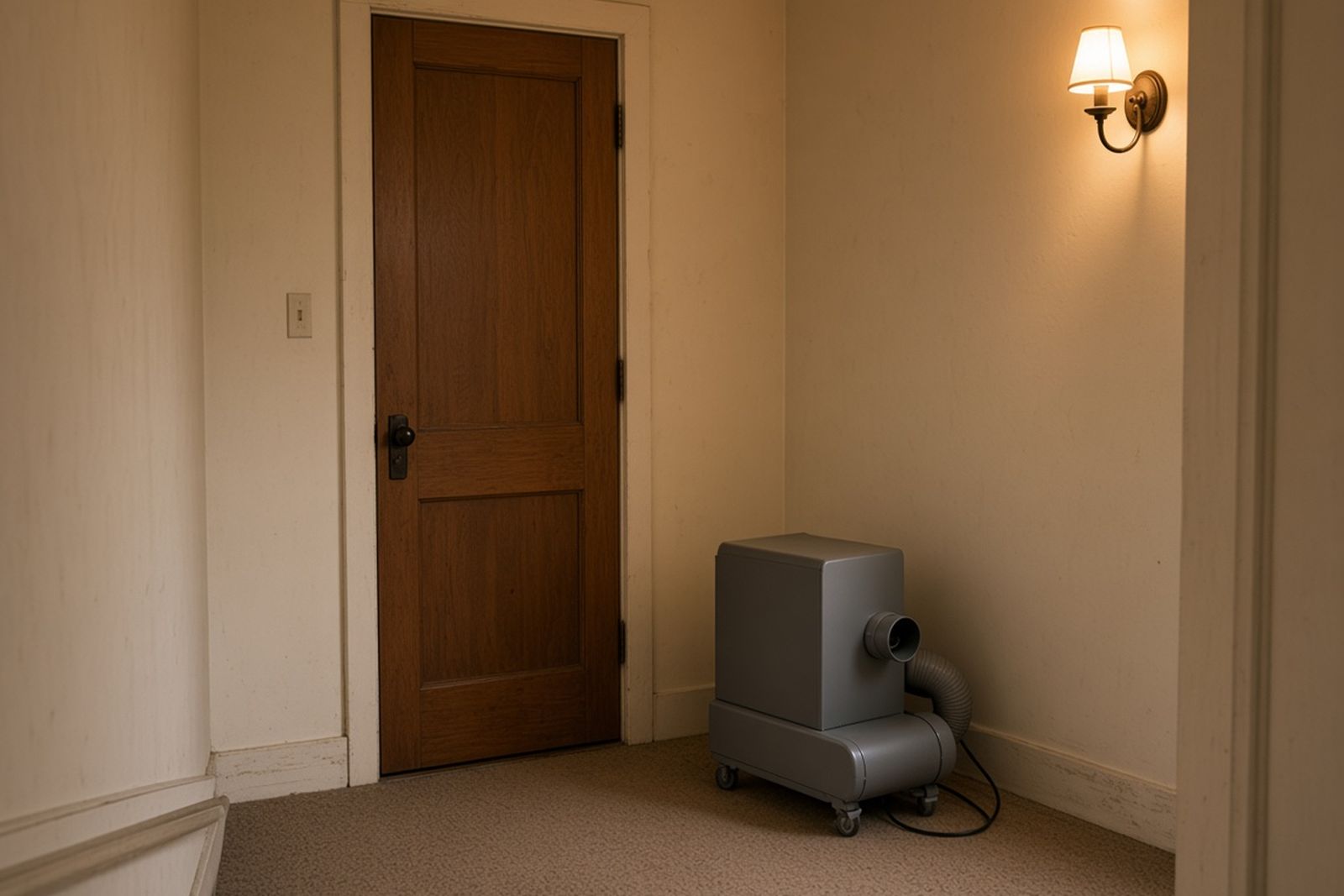
Air-filtration and odor-control units staged outside a closed door with a do-not-enter tag on the handle
Illustrative photo, not a job record. Air-filtration and odor-control units staged outside a closed door with a do-not-enter tag on the handle.

Unattended Death Cleanup facts the quiz draws on

1 in 4

More than one in four older Americans falls each year, producing about 4.5 million emergency department visits annually.

Read with care: Counts falls treated in EDs; many falls go unreported.

Source: CDC Injury Center (2026)United States, adults 65+, annual estimates

2,040

Nearly 2,040 medical examiner and coroner offices operated in the United States in 2018, and only about 17% were accredited.

Read with care: Accreditation status may have changed since 2018.

Source: Bureau of Justice Statistics (2018)United States, 2018 census of ME/C offices

29 CFR 1910.1030

The OSHA Bloodborne Pathogens Standard (29 CFR 1910.1030) defines regulated waste to include items caked with dried blood and contaminated sharps, requiring special handling.

Read with care: Definition governs employer handling; state medical-waste rules add disposal requirements.

Source: OSHA (2001)United States, definition of regulated waste in the standard

4,000+ products

More than 4,000 antimicrobial products containing about 275 active ingredients are registered with EPA and sold in the US.

Read with care: Includes non-public-health products; only some are hospital-grade disinfectants.

Source: US EPA (2026)United States, registered antimicrobial pesticides

These figures are public research and agency data, not this network's own job records. Keep each number with its population, year and limits; none of them predicts cost, timing or outcome at a specific property.

Questions about the unattended death cleanup quiz

I am a property manager. Should my maintenance staff take this quiz?

Yes, that is a sensible idea. Maintenance workers are often the first to go into a unit after a welfare check. They may want to start airing it out or pulling up carpet. The quiz explains why those steps spread germs and odor. It also explains why the unit should be closed and left for trained crews. Share the study guide along with your own written steps. That lowers the chance of an unsafe first response.

Does the quiz cover what to do with the tenant's or relative's belongings?

The waste and paperwork sections both cover belongings. They explain the difference between soiled items that cannot be kept and clean items that belong to the estate. The quiz stresses that a landlord or helper should not throw anything away without written direction from the executor or family. How long you must hold items, and the rules on abandoned property, vary by state and county. Check with the local authority before you decide to get rid of anything.

Can an executor who has never seen the property learn enough here to run the job from far away?

The quiz and study guide give you the key words and the order of the work. That is most of what an executor needs to judge a provider's scope from far away. Use it with the Provider Vetting Checklist to confirm licenses and training. Also ask for photos and a video walk-through. The one thing no quiz can replace is a trained person on site, tracing where the fluids went.

Why does the quiz spend so much time on flooring and subfloor?

Because that is where this kind of cleanup differs most from other biohazard work. When a death is found late, fluids sink down through every layer under the body. They also spread sideways under trim. So the subfloor, and sometimes the framing, become part of the job. Knowing this helps you avoid two common mistakes. One is accepting a surface-cleaning quote that will fail. The other is being surprised when a provider suggests tear-out and rebuild.

Is the odor addressed in the quiz, and will it really go away?

The quiz explains that odor is a sign of fluids trapped in materials. Those soaked materials must be removed before any odor treatment. Once they are gone, and the remaining surfaces are disinfected and sealed where needed, the odor usually clears. Still, an honest provider will tell you that changes in humidity can briefly bring faint traces back until rebuild closes up the open spaces. Question any promise of instant, permanent odor removal without tear-out.

What if my answers show I would have done something unsafe?

That is the point of taking the quiz before acting rather than after. Most people, if left to instinct, would open windows, run fans, and start cleaning, all of which make the situation worse. Each wrong answer links to the reasoning. Use it to correct the plan, then move to the First 24 Hours Planner for an ordered list of what to actually do at the property.

Who reviews the quiz content for accuracy?

The questions are based on published safety standards, such as the federal rule 29 CFR 1910.1030, and on standard cleanup practice. The network's editors review them for accuracy and clarity. The network only teaches. It does not do cleanup work. So the quiz is not a license, and it does not replace a provider's visit to the site. Check any choice with a qualified professional and the right local authority.

What other visitors think

Poll results

Every count is a real visitor vote; nothing is seeded or padded. One vote per poll per device, and you can change your answer.

Your experience

As a landlord, how long would you wait for the tenant's family before arranging cleanup yourself?

No visitor votes yet
Process

Which part of an unattended death project would you find hardest to manage?

No visitor votes yet