Free unattended death cleanup tool
Unattended Death Cleanup Cost Range Estimator
Set the affected area, surface types, severity and extras to see an educational cost range and the factors that move it.
Cost is the first thing most landlords and executors ask about. It is also the hardest to answer before an inspection. With this estimator, you enter what you can see or have been told. That includes the size of the affected area and whether surfaces are hard, mixed, or soft. It also asks how bad the mess looks and whether extras are likely. Extras include after-hours work, several rooms, odor treatment, or tearing out part of the structure. The tool gives you a cost range for learning purposes. It also shows which factors drive the cost. For this kind of work, the structural removal switch matters most. If fluids reached the subfloor, a cleaning job becomes tear-out, disinfecting, and rebuild. That change is what surprises most owners and executors who have never faced this before.
Use the range to set expectations with the people you answer to. That may be a property owner, the estate's heirs, or a family that wants to know what the house will cost to fix. Then use the written-quote checklist at the end. It helps you make sure a provider's quote covers what the tool flagged. That means the scope for each room, the floor layers to be removed, the odor method, waste handling, and what happens if the crew finds fluid spread farther than expected. A quote far below the range that is vague on these points usually means the crew plans to wipe surfaces and cover the smell. That will not last. Only a provider who has inspected the property can give a figure you should rely on.
How to use it
- 1Guess the size of the affected area from the stain you or someone else saw from the doorway. Then pick the surface type that best fits the floor and furniture.
- 2Set a higher severity if the death was found more than a few days later, if there were insects, or if you can smell odor outside the room.
- 3Tick structural removal if the floor is stained through, warped, or soft. Add odor treatment and several rooms if either one applies.
- 4Read the range and what drives it. Then copy the written-quote checklist to compare against every quote you get.
Prefer to ask a person?
Your request is sent to the follow-up inbox. A coordinator can reply by email. Not for emergencies; call 911 first if anyone is in danger.
Estimate a cost range
Unattended Death Cleanup cost range estimator
Educational only. Real pricing needs an on-site assessment and a written scope. Insurance coverage is decided by your carrier, not by this tool.
Educational range: $3,000 – $5,000
Scaled from a published reference range (typical biohazard cleanup project, national) reported by Fixr (2025). Your region, provider and the actual findings on site can move the real number outside this range.
Cost level: Mid range.
None of the big cost multipliers are selected. Minimum service charges, travel and waste fees still apply.
Ask every quote to itemize labor, containment, product, waste disposal, verification sampling, and any rebuild, and to state what is excluded.
A worked example
Here is a made-up example. A property manager gets a call from a tenant about a smell that will not go away in the hallway of a garden-style apartment building. A welfare check finds that the person in a ground-floor unit died some time ago. After release, the manager looks in from the doorway. He sees a large stain on the living room carpet, reaching toward the bedroom. He also sees flies on the window. He does not go in. In the estimator, he picks a medium area. He picks soft surfaces because of the carpet and a padded chair. He picks high severity because of the time that passed and the insects. He ticks several rooms, since the bedroom smells too. He ticks odor treatment, since neighbors are already complaining. He ticks structural removal. A carpet stain that big on a slab or subfloor almost always means the pad and the layer under it are soaked. The tool gives a range at the high end. It names structural removal, severity, and soft surfaces as the main drivers. The written-quote checklist reminds him to ask for a room-by-room scope, the floor layers to be pulled, the odor plan, and the waste shipping record. He sends that list to two providers before either one visits. That way, both quotes cover the same items.
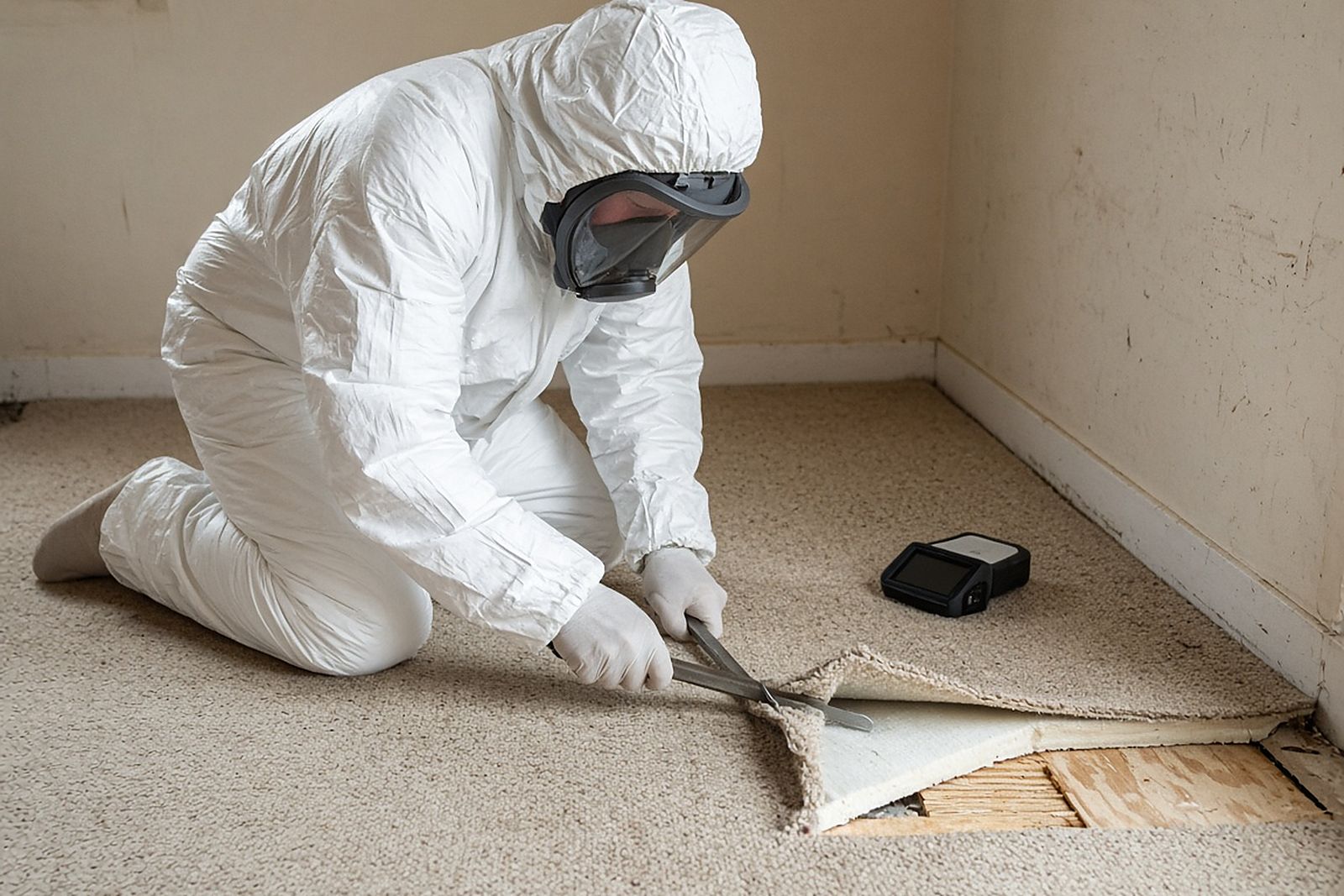
Numbers behind cost estimator decisions
- 34,625
Federal OSHA conducted 34,625 inspections in fiscal 2024, split between 17,455 unprogrammed and 17,170 programmed inspections.
Read with care: Excludes inspections by the 22 state plans covering private employers.
Source: OSHA (2024)United States federal OSHA, FY2024
- $4,000
Biohazard cleanup nationally averages about $4,000, with a typical range of $3,000 to $5,000 and extremes from $1,500 to $25,000, per Fixr's January 2025 guide.
Read with care: Fixr figures are editorial cost estimates compiled from contractor and industry data, not a statistical survey of completed jobs; local prices vary widely.
Source: Fixr (2025)United States, residential biohazard cleanup, estimates as of January 2025
- 8 hours annually
Workers covered by HAZWOPER must receive eight hours of refresher training every year.
Read with care: Refresher may be shorter if combined with documented equivalent training.
Source: OSHA (2024)United States, 1910.120(e)(8)
- 1,814
Eye and Face Protection (1926.102) drew 1,814 OSHA citations in fiscal 2024, ninth on the most-cited list.
Read with care: Construction-standard citation; general industry PPE cited separately.
Source: OSHA (via Safety+Health) (2024)United States federal OSHA citations, FY2024
These figures are public research and agency data, not this network's own job records. Keep each number with its population, year and limits; none of them predicts cost, timing or outcome at a specific property.
Cost Range Estimator questions for unattended death cleanup
Why does the range change so much when I tick structural removal?
Because it changes the kind of work. Removing pad, the layer under it, and subfloor means tear-out. It adds more waste that must be handled as regulated material. The framing must be disinfected, and it often needs sealing before rebuild. Labor, disposal, and time all go up. After a late discovery, this switch applies more often than not. If you are unsure, run the estimate both ways. Treat the higher range as the realistic planning figure.
Does the estimator include rebuilding the floors and drywall?
No. It covers cleanup only. That means containment, removal, disinfecting, odor treatment, and waste. Rebuild is usually done by a separate contractor and priced on its own, sometimes with permits. When you compare quotes, check whether any rebuild is included. Then you are not comparing a cleanup-only price against a bundled one. If the provider does not do rebuild, ask them to refer you to someone who does.
How should I present this range to an estate or a property owner?
Call it a planning range from an online tool, used for learning, not a quote. Explain that a provider's written scope after an inspection will replace it. Show them which factors pushed the range up, especially structural removal and odor treatment. That helps them see why this work costs more than normal cleaning. Keep the tool's result in the file, so you can compare the final quote against it later.
Will insurance lower what the estate or owner really pays?
Maybe, but no one can promise it. Homeowner and landlord policies differ on whether they cover biohazard cleanup. Some leave out damage from decay, or put a limit on it. The estimator shows the cost of the work without assuming any coverage. Use the Insurance Claim Organizer to go through the policy on its own. Keep the estimator result and every quote, so an adjuster can see what was asked for.
Should I get more than one quote if the smell is affecting other tenants?
The rush is real. But you can often get a second quote in the same time it takes the first crew to schedule. Send both providers the same written-quote checklist, so their quotes cover the same items. If one is much cheaper and says nothing about subfloor or waste, that is the one to question. Check licenses and training for both with the vetting checklist, no matter the price.
Can I run the estimator again after the provider opens up the floor?
Yes, and it is a good idea. Once removal starts, you will know whether fluids reached subfloor, framing, or a unit below, and whether insects spread beyond the room. Update those answers and compare the new range with the provider's change order. If the provider's figure lands far outside the updated range, ask them to walk you through which findings drove the difference before you approve the added work.
Why does the estimator ask about belongings if they are not soiled?
Because handling an estate's things takes real time, even when items are clean. Crews may need to sort, photograph, list, pack, and move furniture or boxes before they can reach the damaged floor. A home full of belongings costs more to work in than an empty room of the same size. Answering honestly helps the range reflect that labor, not just the soiled area.
Related community polls
Every count is a real visitor vote; nothing is seeded or padded. One vote per poll per device, and you can change your answer.
As a landlord, how long would you wait for the tenant's family before arranging cleanup yourself?
Which part of an unattended death project would you find hardest to manage?
Other unattended death cleanup tools
Provider Vetting Checklist
Fifteen questions to ask any remediation provider, a readiness score, and a copyable list of what is still unanswered.
OpenInsurance Claim Organizer
A guided checklist from finding the policy to tracking the carrier decision, with a printable summary of where the claim stands.
OpenFirst 24 Hours Planner
Tell the planner a few facts about the situation and get an ordered list of who to call, what not to touch, and what to photograph.
OpenWaste & Disposal Classifier
Five questions about the material point to the likely waste category and which authority to confirm the rules with.
OpenDIY or Call a Pro? Risk Check
Eight yes-or-no questions that produce a risk level and explain when professional help is the safer choice.
OpenMore on unattended death cleanup
Unattended Death Cleanup services
Learn what cleanup after a late discovery involves. It covers tracing how far fluid soaked into the subfloor, odor treatment, listing belongings, and move-back-in records.
Costs explained
What drives the price, published cost ranges, and how to read a written quote line by line.
Insurance and payment
Which policies may respond, how to document a claim, and what to do if coverage is denied.
Community polls
See how other landlords, executors, and relatives handled belongings, talking with tenants, telling buyers, and subfloor choices. Share your own view without giving your name.
Knowledge quiz
Test what you know about odor signs, who is in charge, closing off rooms in shared buildings, taking out soaked materials, waste records, and final sign-off papers.
Articles and resources
Longer reads on handling an estate from far away, working with tenants after a death in the building, and what honest cleanup after a death looks like.
Field guides
Guides for landlords and executors. They cover access, who is in charge, telling the insurer, how long to hold belongings, and when people can safely move back in.
City guides
Find cleanup providers by city and state. Then check their licenses, waste handling, and how they inspect the subfloor yourself before you approve any work.