Free unattended death cleanup tool
Unattended Death Cleanup First 24 Hours Planner
Tell the planner a few facts about the situation and get an ordered list of who to call, what not to touch, and what to photograph.
The first day after a late discovery usually starts with a phone call. It may come from a neighbor, an officer who did a welfare check, or a property manager. Then a far-away executor or a busy landlord must make choices fast, without seeing the unit. This planner asks a few questions about the situation. Has the responding agency released the property? Are other people or tenants there? Can you smell odor? Might there be needles or other sharp objects? Were pets in the home? Is it a rental? Then it gives you a step-by-step list. The list covers who to call and what to leave alone. It covers what to photograph from outside the affected area. It also covers how to handle neighbors and shared air systems.
The planner is written for the person who can get into the property as much as for the person in charge. Often those are different people. A landlord can run it and send the list to a maintenance worker. An executor can run it and send it to the neighbor who has the key. Every item assumes that no one goes into the affected room. It also assumes the heating and cooling system is turned off if it serves that space. Moving air spreads odor and tiny airborne droplets. If a pet was in the home, the planner also covers arranging its care. That is easy to forget and hard on the animal. The list is kept short on purpose, so it can be done today.
How to use it
- 1Answer the questions based on what the officer, the neighbor, or the property manager told you. Do not go in to look for yourself.
- 2Follow the list in order. Locking up and turning off the air system come before any calls to providers.
- 3Share the do-not-touch and photo tips with anyone who has a key. That way, kind help does not spread germs.
- 4Copy the list and send it to the executor, the owner, or whoever is in charge. Then they know what is done and what is still waiting.
Prefer to ask a person?
Your request is sent to the follow-up inbox. A coordinator can reply by email. Not for emergencies; call 911 first if anyone is in danger.
Plan the first 24 hours
Unattended Death Cleanup: first 24 hours planner
Answer a few questions and the planner orders the next steps. It does not dispatch help and cannot replace emergency services.
Your ordered plan (6 steps)
- 1
Keep people and pets out of the affected area
Close the door and keep the area sealed until a qualified provider assesses it.
- 2
Photograph from the doorway before anything moves
Take wide shots first, then closer shots of stains, damage and belongings. Do not step into the area to do it. These photos support insurance and estate records.
- 3
Report the loss to your insurer and get a claim number
Ask the adjuster whether they need to inspect before materials are removed, and whether they have a list of approved remediation providers. Coverage depends on the policy and the cause of loss.
- 4
Call a qualified remediation provider for an assessment
Describe what happened, the rooms involved, and any odor, fluids or sharps. Ask which OSHA standards apply to unattended death cleanup and for proof of training and insurance before work starts.
- 5
Start a written log
Record who you spoke to, when, and what they said. Keep receipts for lodging, boarding, locks and any emergency purchases.
- 6
Look after the people involved
If a death or violent event is involved, victim assistance programs, hospice bereavement teams and the 988 Suicide & Crisis Lifeline can help. You do not need to manage this alone.
A worked example
Imagine a made-up morning. A woman gets a call from a police officer in another state. He tells her that her father, who lived alone, was found dead in his house after a neighbor reported a smell. The officer says the medical examiner has released the scene and that the neighbor has a key. She opens the planner while still on the phone. She marks the scene as released, no one living there, odor reported, sharp objects unknown, no pets that she knows of, and not a rental. The list tells her to ask the officer for the case number and the name of the person who released the scene. Then she should call the neighbor. She should ask him to make sure the house is locked. He should check whether the air conditioning is running and turn it off if it is. He should not open windows or go past the entryway. The list asks the neighbor to photograph only the outside and the closed front door. Next, it tells her to find out whether her father left a will and who the executor is. That person will sign for the cleanup. Once that is settled, it sends her to the Provider Vetting Checklist. It also reminds her to keep the power and water on. She copies the list and emails it to her brother, so they can split the tasks.
Numbers behind 24-hour planner decisions
- 1 in 4
More than one in four older Americans falls each year, producing about 4.5 million emergency department visits annually.
Read with care: Counts falls treated in EDs; many falls go unreported.
Source: CDC Injury Center (2026)United States, adults 65+, annual estimates
- 1-3 days
Blow flies can locate a body and begin laying eggs within minutes of death, and the eggs hatch in 1 to 3 days.
Read with care: Fly access indoors depends on open windows, vents and season.
Source: North Carolina State University, Department of Entomology (2024)General forensic entomology reference, outdoor and accessible indoor remains
- 3 days
Parchment-like skin desiccation (early mummification) was observed in indoor bodies as early as 3 days after death, with full-body desiccation from 18 days.
Read with care: Indoor temperature, humidity and airflow strongly affect the timeline.
Source: International Journal of Legal Medicine (peer-reviewed) (2023)Sweden, 102 indoor forensic cases, 2010-2019
- 4,538
In Japan in 2024, 4,538 elderly people who died alone at home (7.8%) went undiscovered for more than a month.
Read with care: Japanese national police data; no equivalent U.S. national count of unattended deaths exists, so use only as an international illustration.
Source: Japan National Police Agency (reported by Xinhua) (2024)Japan, 2024, decedents aged 65+ living alone
These figures are public research and agency data, not this network's own job records. Keep each number with its population, year and limits; none of them predicts cost, timing or outcome at a specific property.
First 24 Hours Planner questions for unattended death cleanup
Should I open windows or run fans to get the smell out before the crew comes?
No. Fans and open inside doors push tiny airborne droplets and odor into other rooms. In buildings with many units, they also push them into nearby units through shared spaces. Keep the affected room closed. Turn off central air if it serves that area. Fresh air alone will not fix the odor, because the source is in the materials. Spreading it now makes the final job bigger. Leave air-flow decisions to the provider.
What do I tell other tenants who are asking about the smell?
Tell them the plain facts. A resident has died, the unit is locked up, and a trained crew is being arranged. Do not share personal details about the person. Let them know if they should expect machine noise or a short-term odor during treatment. If the odor makes their own units hard to live in, talk with the provider about moving them out for a while. Rules on notice and livable housing vary by state and county. Check with the housing authority.
Can the neighbor with the key go in and start sorting belongings for the family?
No. Going into a soiled space is a health risk. On top of that, belongings belong to the estate, and sorting them before they are listed can cause disputes later. Ask the neighbor to lock up the house and stay out. A cleanup crew will separate soiled items from clean ones. They will photograph and list what is left and hold it for the executor or family. That process protects everyone, including the kind neighbor.
There was a pet in the home. What should happen to it?
Arrange for the animal to leave the property as soon as you can and see a vet. Pets in this situation may be dehydrated or upset. They may also have touched soiled material. A neighbor, a relative, or a local shelter can care for the pet for now. Write down where the animal is in your file. The executor or family will need to decide on long-term care.
Who signs for the work if there is no will and no family nearby?
State rules for when there is no will decide who has authority. They usually give it to the closest living relative. That person can then act, or ask the court to name them administrator. In the meantime, a landlord can usually lock up a rental unit and arrange cleanup under the lease. For a home the person owned with no known relatives, the county public administrator or a similar office may step in. Rules vary by state and county. Check with the local probate court or a lawyer.
What should I do first if I only learned about the death by phone from far away?
First, confirm who is on site and what the authorities have already done. Then find someone who can lock up the property for you, like a landlord, neighbor, or property manager. Ask them to keep doors and windows closed and to stay out. Next, start contacting providers and the insurer. The planner's remote path lists these steps in order, so you can act without traveling right away.
Is it all right to wait until tomorrow to start calling providers?
A short pause to catch your breath is understandable, and nothing requires you to decide within the hour. Still, odor and insect activity continue inside the home, so it helps to make at least one call soon after release to learn about availability. Even a brief conversation lets you plan. If you cannot face the calls, ask someone you trust to make them for you.
Related community polls
Every count is a real visitor vote; nothing is seeded or padded. One vote per poll per device, and you can change your answer.
As a landlord, how long would you wait for the tenant's family before arranging cleanup yourself?
Which part of an unattended death project would you find hardest to manage?
Other unattended death cleanup tools
Cost Range Estimator
Set the affected area, surface types, severity and extras to see an educational cost range and the factors that move it.
OpenProvider Vetting Checklist
Fifteen questions to ask any remediation provider, a readiness score, and a copyable list of what is still unanswered.
OpenInsurance Claim Organizer
A guided checklist from finding the policy to tracking the carrier decision, with a printable summary of where the claim stands.
OpenWaste & Disposal Classifier
Five questions about the material point to the likely waste category and which authority to confirm the rules with.
OpenDIY or Call a Pro? Risk Check
Eight yes-or-no questions that produce a risk level and explain when professional help is the safer choice.
OpenMore on unattended death cleanup
Unattended Death Cleanup services
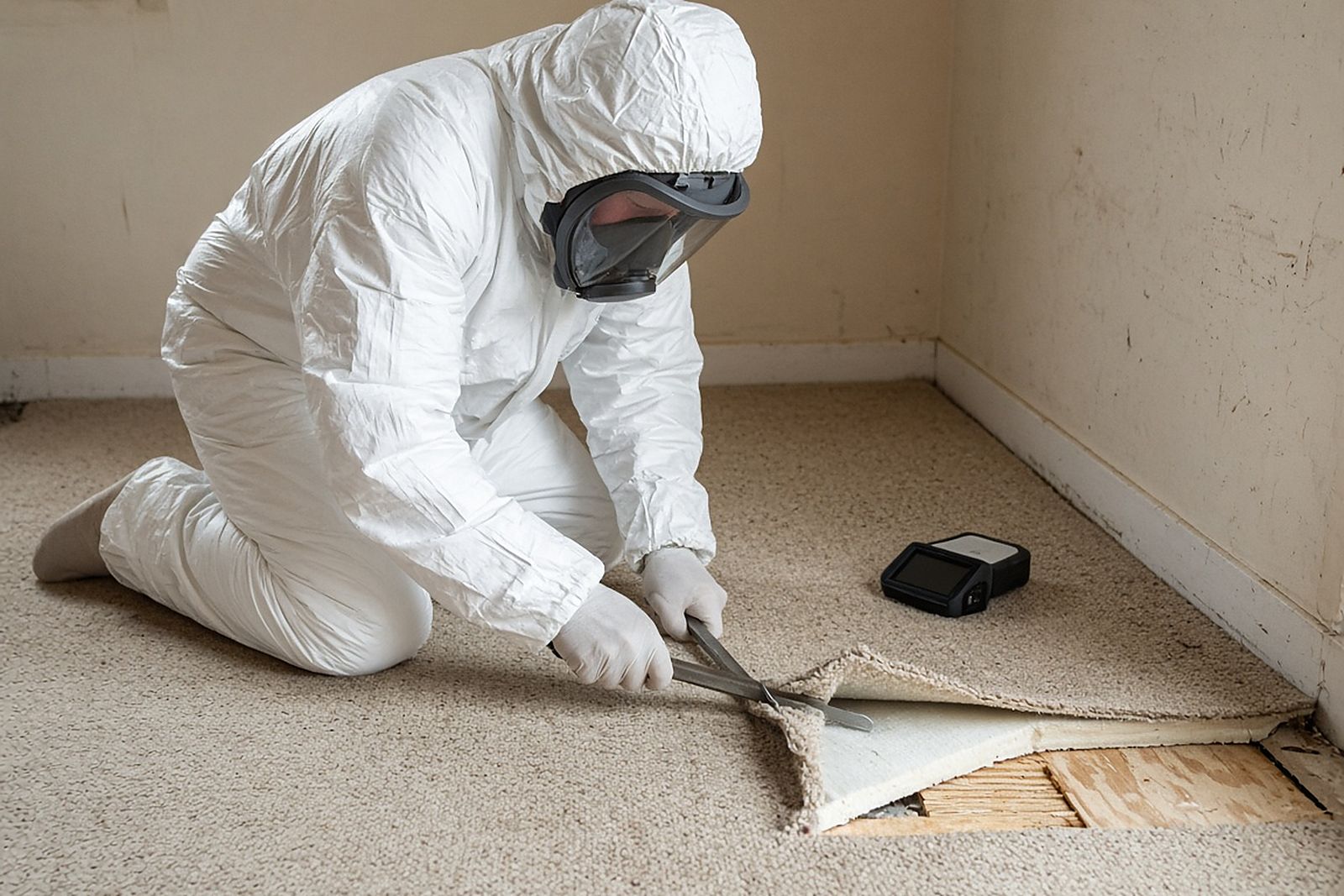
Learn what cleanup after a late discovery involves. It covers tracing how far fluid soaked into the subfloor, odor treatment, listing belongings, and move-back-in records.
Costs explained
What drives the price, published cost ranges, and how to read a written quote line by line.
Insurance and payment
Which policies may respond, how to document a claim, and what to do if coverage is denied.
Community polls
See how other landlords, executors, and relatives handled belongings, talking with tenants, telling buyers, and subfloor choices. Share your own view without giving your name.
Knowledge quiz
Test what you know about odor signs, who is in charge, closing off rooms in shared buildings, taking out soaked materials, waste records, and final sign-off papers.
Articles and resources
Longer reads on handling an estate from far away, working with tenants after a death in the building, and what honest cleanup after a death looks like.
Field guides
Guides for landlords and executors. They cover access, who is in charge, telling the insurer, how long to hold belongings, and when people can safely move back in.
City guides
Find cleanup providers by city and state. Then check their licenses, waste handling, and how they inspect the subfloor yourself before you approve any work.