Unattended Death Cleanup planning tools
Work through cost, hiring, insurance, first steps and disposal at your own pace.
The tools on this page are built for what happens when a death is found late. Someone is usually managing things from far away. The property has an odor other people can smell. And nobody knows yet how far the damage reached. The First 24 Hours Planner tells a landlord, executor, or relative what to do at the property today. That includes how to handle neighbors and shared air systems. The DIY or Call a Pro? Risk Check explains why a mop and open windows will not work here. The Cost Range Estimator helps you expect a job that may include tearing out flooring and subfloor. The Provider Vetting Checklist, Insurance Claim Organizer, and Waste and Disposal Classifier help with hiring, paperwork, and questions about where the materials went.
Get an email reply about unattended death cleanup
Send a short message to the follow-up inbox. A coordinator can reply by email. This form does not send emergency help; call 911 first if anyone is in danger.
Choose a tool
Every tool runs in your browser. Nothing you enter is stored on our servers, and no tool replaces an on-site assessment, a written scope or your insurer's decision.

Cost Range Estimator
Set the affected area, surface types, severity and extras to see an educational cost range and the factors that move it.
Open tool
Provider Vetting Checklist
Fifteen questions to ask any remediation provider, a readiness score, and a copyable list of what is still unanswered.
Open tool
Insurance Claim Organizer
A guided checklist from finding the policy to tracking the carrier decision, with a printable summary of where the claim stands.
Open tool
First 24 Hours Planner
Tell the planner a few facts about the situation and get an ordered list of who to call, what not to touch, and what to photograph.
Open tool
Waste & Disposal Classifier
Five questions about the material point to the likely waste category and which authority to confirm the rules with.
Open tool
DIY or Call a Pro? Risk Check
Eight yes-or-no questions that produce a risk level and explain when professional help is the safer choice.
Open toolKnowledge quiz
A knowledge check with explanations and a study guide covering hazards, containment, disinfection, waste and documentation.
Take the quizHow these tools fit unattended death cleanup
Every tool gives you something you can copy and share. That matters when the people involved have never met. They may be an executor in another state, a local property manager, a family member, and a provider. A landlord can run the planner and send the results to the estate's lawyer. An executor can run the vetting checklist and send open questions to two providers at once. No tool stores what you enter. None asks about the person who died, beyond what the property shows. The focus stays on access, authority, containment, scope, and records. Those are the things an outsider can really help with.
Know the limits before you rely on any result. The estimator cannot see whether fluids reached the floor beams. The risk check cannot smell the hallway. The classifier cannot tell you what your county's waste hauler will take. Each tool gives you a clear starting point and a set of questions, not a decision. Only a checked provider who has lifted the flooring and taken moisture readings can give a real scope and a real price. Only the local housing or environmental authority can tell you what the law requires. Rules vary by state and county, so check with the local authority before acting on anything a tool suggests.
Unattended Death Cleanup numbers worth knowing before you plan
When a death is found late, a personal loss also becomes a property problem, and time matters. An executor may live hundreds of miles away. A landlord may have other tenants asking about the smell. And nobody knows yet how far the damage reached. In that moment, a few well-sourced facts help more than comfort. The figures here come from public health agencies, housing research, and industry data. They are not our own guesses. They cover how often people die alone and are not found in time, what cleanup after decay tends to involve, and which exposures really threaten health. Read them before you talk to a provider. Then you can tell a real scope of work from a sales pitch.
- 1-3 days
Blow flies can locate a body and begin laying eggs within minutes of death, and the eggs hatch in 1 to 3 days.
Read with care: Fly access indoors depends on open windows, vents and season.
Source: North Carolina State University, Department of Entomology (2024)General forensic entomology reference, outdoor and accessible indoor remains
- 3 days
Parchment-like skin desiccation (early mummification) was observed in indoor bodies as early as 3 days after death, with full-body desiccation from 18 days.
Read with care: Indoor temperature, humidity and airflow strongly affect the timeline.
Source: International Journal of Legal Medicine (peer-reviewed) (2023)Sweden, 102 indoor forensic cases, 2010-2019
- 62 days
In that series, bodies were reported to police an average of 62 days after discovery when the housemate was socially withdrawn, versus 34 days for other housemates.
Read with care: Measures delay in reporting after discovery, not time from death.
Source: Cureus (peer-reviewed forensic study) (2024)Japan, 45 body-abandonment cases, 2017-2023
- 4,538
In Japan in 2024, 4,538 elderly people who died alone at home (7.8%) went undiscovered for more than a month.
Read with care: Japanese national police data; no equivalent U.S. national count of unattended deaths exists, so use only as an international illustration.
Source: Japan National Police Agency (reported by Xinhua) (2024)Japan, 2024, decedents aged 65+ living alone
These figures are public research and agency data, not this network's own job records. Keep each number with its population, year and limits; none of them predicts cost, timing or outcome at a specific property.
What other visitors decided
Every count is a real visitor vote; nothing is seeded or padded. One vote per poll per device, and you can change your answer.
As a landlord, how long would you wait for the tenant's family before arranging cleanup yourself?
Which part of an unattended death project would you find hardest to manage?
Questions about the unattended death cleanup tools
I am a landlord and just got the call. Which tool do I start with?
Open the First 24 Hours Planner. It asks whether the unit has been released, whether other tenants are there, whether there is odor, and a few other facts. Then it gives you a step-by-step list. The list covers access, air flow, neighbors, and who to call. Once the unit is locked up and a crew is being arranged, move on to the Provider Vetting Checklist before anyone signs.
Can an executor use these tools from another state?
Yes, and they were built with that in mind. The planner gives steps you can send to whoever can get into the property. The vetting checklist works by phone or email. The claim organizer keeps a file that does not depend on being there. Ask a provider for photos and a video walk-through to fill in what you cannot see. Confirm your right to sign with the estate's lawyer.
Do the tools keep any record of the property or the deceased?
No. Your choices stay in your browser and are not sent to the network. Nothing asks for an address, a name, or details about the death. The copyable results are made on your device, so save anything you want to keep before you close the tab. For an estate or a rental, you will want your own file of the scope, photos, waste shipping records, and emails. The tools help you organize that file, but they do not keep it.
Why will the estimator not give me a number I can put in front of the estate or the owner?
Because the biggest cost factor in this work is how far fluid soaked in. No one can know that without lifting flooring and taking moisture readings. The estimator gives a range based on what you can see. It also explains what would push the range up or down. Share it as a planning figure. Tell the estate or the owner that a checked provider's written scope will replace it after an inspection.
Can these tools help me decide whether to relocate other tenants?
The planner has prompts about shared air systems, odor spreading, and talking with neighbors. These will help you think it through. The polls show how other landlords weighed the choice. The decision itself depends on the building, how bad the damage is, and local rules on livable housing. Those rules vary by state and county. Ask the provider what they suggest, and check your duties with the housing authority.
Does using the tools connect me to a specific company?
No. The network teaches and helps readers reach providers, but the tools do not send you to any certain crew. When you are ready to hire, use the locations pages. Run each company through the vetting checklist. Check licenses and insurance yourself. No referral, from this network or anyone else, can promise quality, timing, or price.
What if the tools tell me something different from what a provider said?
Ask the provider to explain the difference. Sometimes they know something the tool cannot, like a moisture reading or a county rule. Sometimes the gap points to a corner being cut. Examples are covering the smell without removing the source, or skipping the waste shipping record. A good provider will welcome the question and answer in writing. If they will not, that tells you something too, and the vetting checklist will help you weigh it.
More on unattended death cleanup
Unattended Death Cleanup services
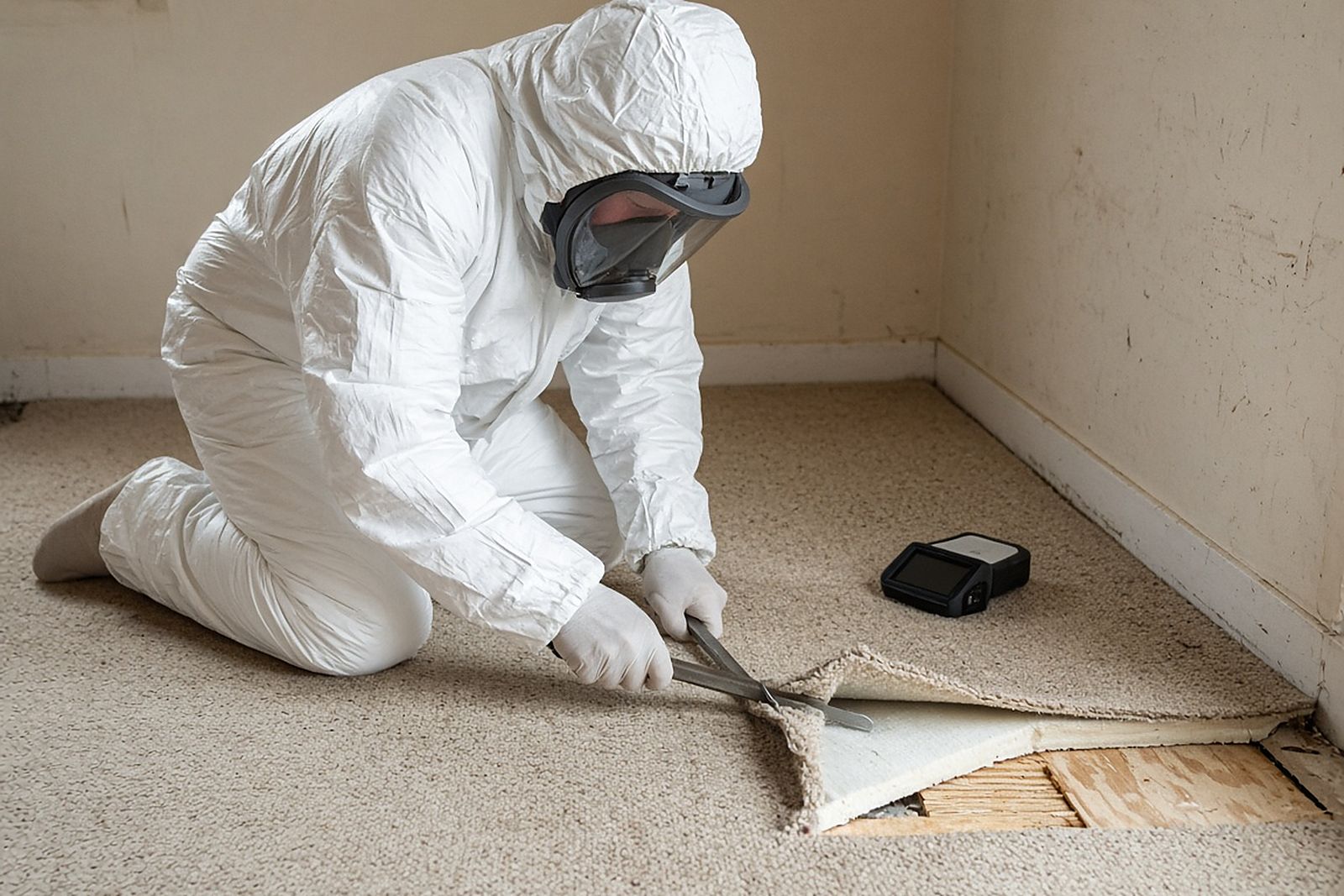
Learn what cleanup after a late discovery involves. It covers tracing how far fluid soaked into the subfloor, odor treatment, listing belongings, and move-back-in records.
Costs explained
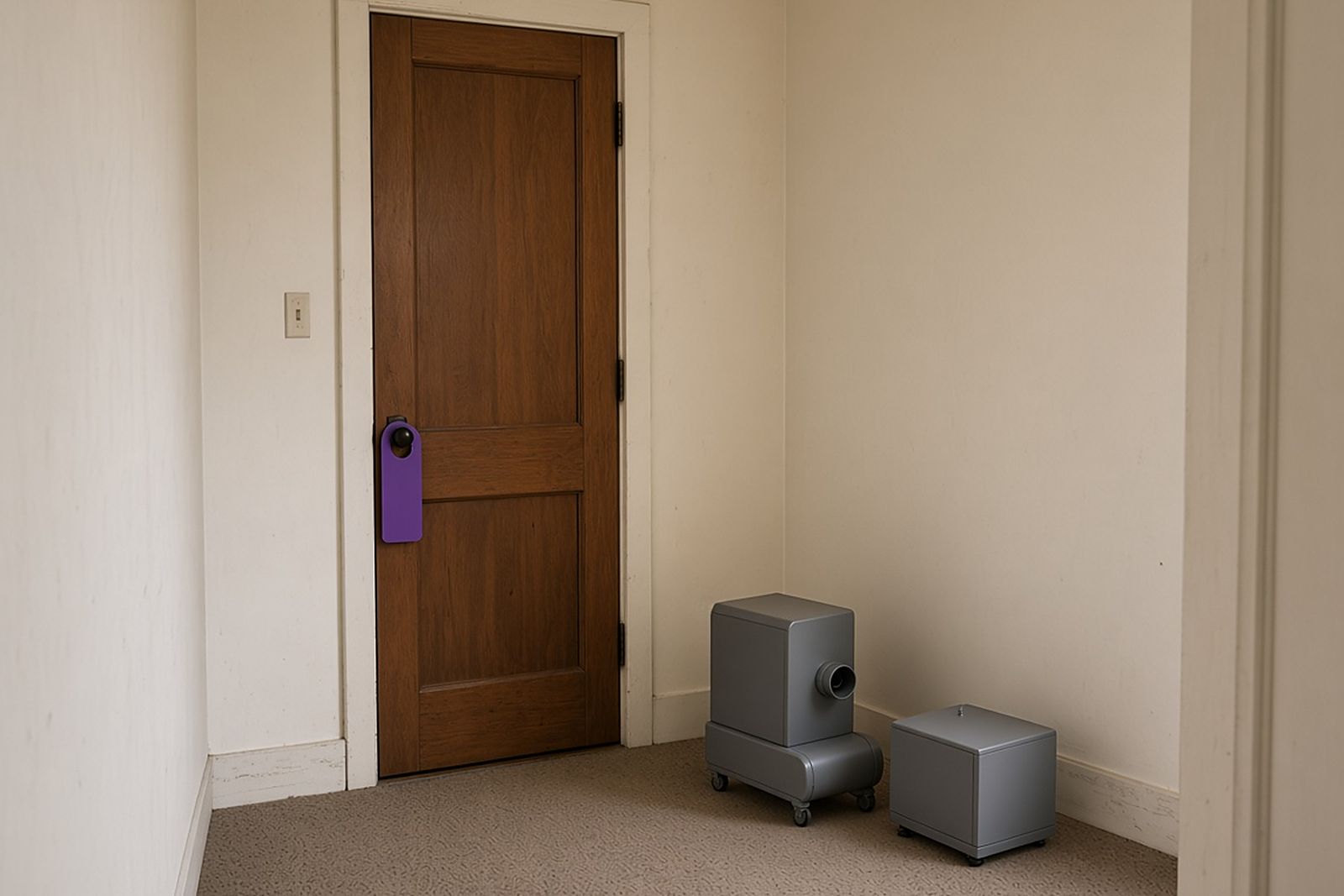
What drives the price, published cost ranges, and how to read a written quote line by line.
Insurance and payment
Which policies may respond, how to document a claim, and what to do if coverage is denied.
Community polls
See how other landlords, executors, and relatives handled belongings, talking with tenants, telling buyers, and subfloor choices. Share your own view without giving your name.
Knowledge quiz
Test what you know about odor signs, who is in charge, closing off rooms in shared buildings, taking out soaked materials, waste records, and final sign-off papers.
Articles and resources
Longer reads on handling an estate from far away, working with tenants after a death in the building, and what honest cleanup after a death looks like.
Field guides
Guides for landlords and executors. They cover access, who is in charge, telling the insurer, how long to hold belongings, and when people can safely move back in.
City guides
Find cleanup providers by city and state. Then check their licenses, waste handling, and how they inspect the subfloor yourself before you approve any work.