Short answer
After an unattended death, the damage is usually deeper than it looks. Fluids reach subfloor and framing, insects spread, and odor settles into walls and ductwork. Household cleaning and odor sprays cannot reach those sources, and doing the work exposes you to pathogens, bacteria and strong vapors. Professionals remove contaminated structure, control insects and odor at the source, handle waste properly and document the work for the estate.
Not an ordinary cleaning job
When someone dies alone and is not found for some time, natural decomposition changes the home in ways that most families have never encountered. Fluids leave the body and move into furniture and flooring. Odor compounds soak into porous materials. Insects arrive and spread. By the time a family member walks in, the problem often extends well below what is visible.
Many relatives decide they will handle it themselves, often out of a sense of duty, a wish for privacy or worry about cost. Some are simply unsure that professional help exists for this situation.
This guide explains the critical differences between a family cleanup and professional work, so you can decide with a clear picture of what the job actually involves.
There is also the question of who may enter. Until the medical examiner or coroner and, when involved, the police release the home, no one should begin cleaning. After release, the person with authority over the property, such as the next of kin, an executor or a landlord, decides how to proceed. If you are unsure whether that is you, check before hiring anyone or starting work yourself.
Health risks of doing it yourself
Decomposition fluids and blood can carry bloodborne pathogens, and bacteria multiply as the body breaks down. Nearby damp materials can grow mold as well. Handling saturated items, pulling up carpet or tearing out drywall can expose you through cuts, splashes and airborne particles.
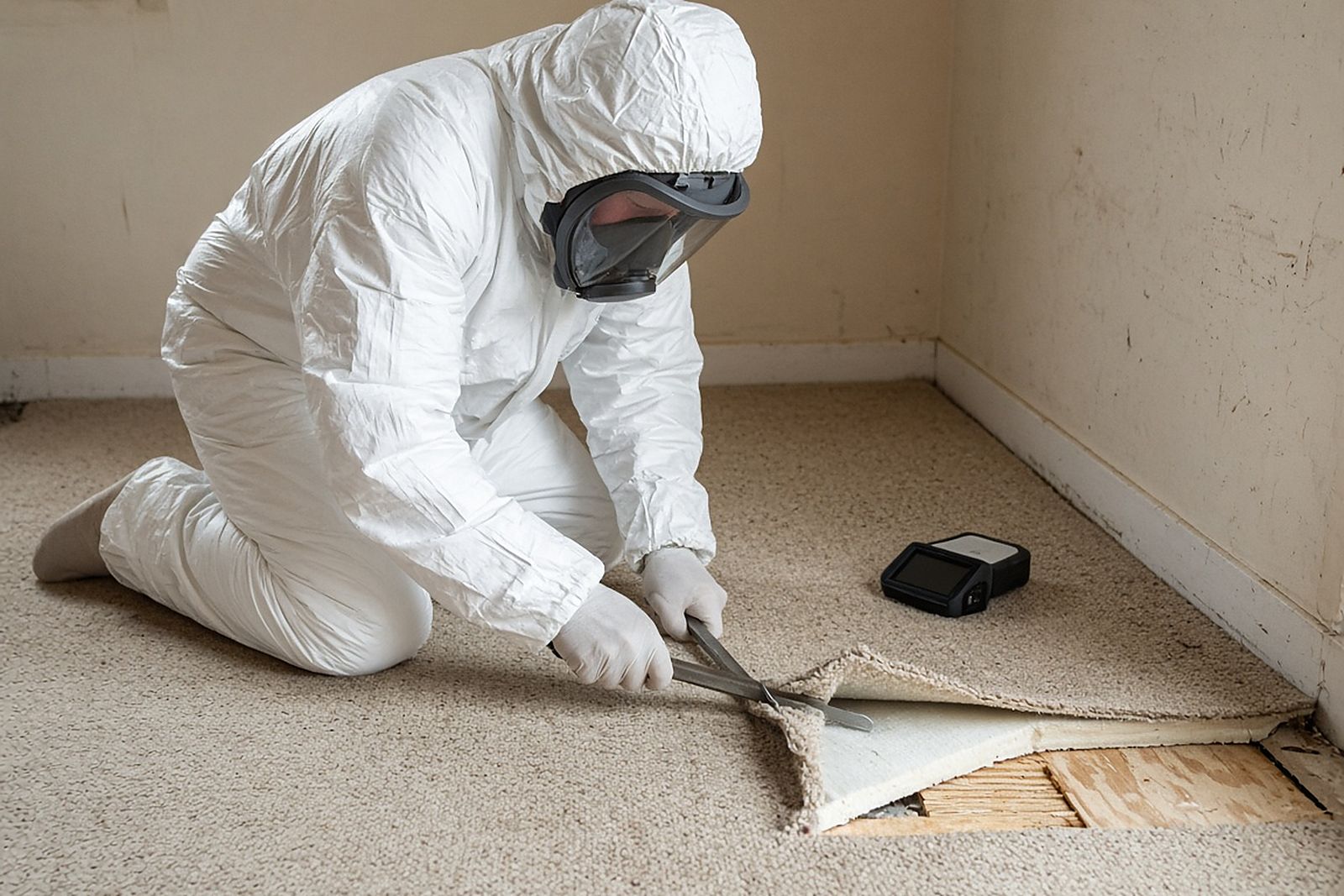
Odor itself deserves respect. The strong odor after an unattended death comes from volatile compounds that can cause nausea, headaches and breathing discomfort, especially in closed rooms. Professional technicians wear respirators with cartridges chosen for particles and vapors, and they are fit tested and trained to use them. A paper dust mask does not provide that protection.
Physical injuries are common in DIY efforts too. Mattresses, recliners and sections of flooring are heavy and awkward when saturated, and removing subfloor requires power tools and knowledge of what lies beneath, such as wiring, plumbing and ductwork.
If anyone has already started and feels unwell, step outside into fresh air. Wash exposed skin thoroughly, bag the clothing worn during the work and call a doctor or urgent care clinic if symptoms continue or if a cut or splash occurred.
Where household products and bug spray fall short
Store-bought cleaners and odor bombs work on surfaces and in the air. The source of the problem after an unattended death is usually inside materials: the pad beneath carpet, the plywood subfloor, the bottom of drywall, the ceiling of a room below. Cleaning the top layer cannot reach it, and fragrance only covers it for a while.
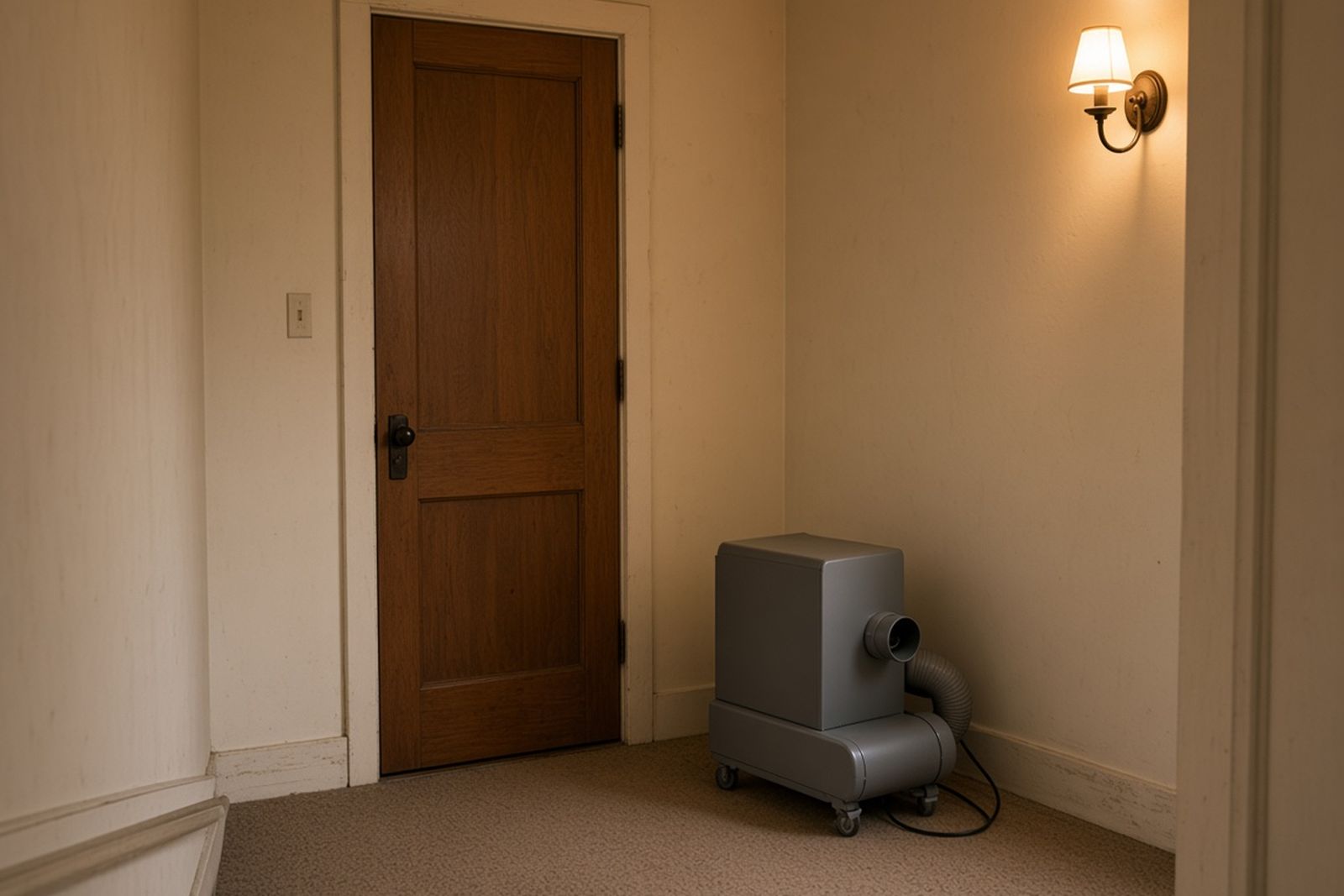
Professionals follow a sequence. They remove contaminated furniture and flooring, cut out affected structure until they reach clean material, clean remaining surfaces with enzyme or detergent products, disinfect with an EPA-registered product for its full label contact time, seal sound but stained wood with an encapsulant, and only then treat the air.
Skipping steps is what leads to the most common DIY outcome: a room that looks acceptable for a week and then begins to smell again.
Bleach is a common choice in family cleanups, and it causes its own trouble. It can react dangerously with other household products, bleach fabrics and finishes, and lose effectiveness quickly on surfaces still coated with residue. It does nothing to reach fluid that has soaked below the surface.
Insect activity is a natural part of decomposition. Flies may gather at windows and light fixtures, and larvae can move under furniture and into other rooms before they mature. If they are not fully removed, new adults may keep appearing for some time after the main cleanup.
Professionals remove insects and casings with HEPA vacuums, clean the areas where they gathered and coordinate pest treatment when needed. Some jurisdictions require a licensed applicator for certain insecticides. A family working alone may clear the visible insects and miss the ones that have moved into baseboards or closets.
Belongings can carry insects too. Clothing, bedding and upholstered items from near the affected area should be checked before they are taken to another home.
- Saturated mattress, bedding or upholstered furniture
- Carpet pad, underlayment and subfloor
- Baseboards and lower drywall
- Joists and the ceiling below in multi-story buildings
- HVAC filters, registers and nearby ductwork
Can a DIY cleanup affect neighbors, landlords or the estate?
In apartments and condominiums, fluids can reach the unit below, and odor can travel through shared walls and ventilation. A partial cleanup may leave the neighbor's ceiling or air affected, which can lead to disputes with the association or another resident's insurer.
Landlords, executors and future buyers often want to know what was done. Professional providers supply a closing report with photos, a list of materials removed, the products used, odor and insect treatment steps and waste disposal records. A family cleanup rarely produces anything comparable, which can complicate the sale or rental of the property later.
Waste is another consideration. Materials saturated with body fluids are generally handled as regulated waste in professional work. Disposal requirements differ from place to place, and your county health department's environmental health office can tell you what applies to the home.
Is professional help as expensive as people fear?
Cost is a real concern for many families, and it is fair to ask. Published cost guides give only a rough sense of pricing. Actual costs depend on the home, the time before discovery and the scope, and only an on-site assessment can produce a reliable estimate.
Before deciding against professional help, ask the homeowner's or renter's insurer whether the policy may respond, and ask the provider for an itemized scope. Compare that with the realistic costs of a DIY attempt: protective equipment, tool rental, waste disposal, repeated odor treatments and, often, a professional visit later to finish what was missed.
It also helps to separate the jobs. Decontaminating the affected area is specialized work. Clearing out unaffected furniture, clothing and household goods may be something the family, friends or a general clean-out service can handle later, which can keep the professional portion of the bill focused where it matters.
Two paths for one family
The following story is a composite made up for illustration. A woman in her eighties dies in her upstairs bedroom and is found by a neighbor about two weeks later. Her two sons live nearby and decide to handle the cleanup themselves over a weekend.
They remove the bedding, throw the mattress out through a window into a rented dumpster, pull up the carpet and scrub the floor with a bleach solution. They place several odor bombs throughout the house. By Sunday the room looks better, but both brothers have headaches, and one cut his hand on a carpet tack strip.
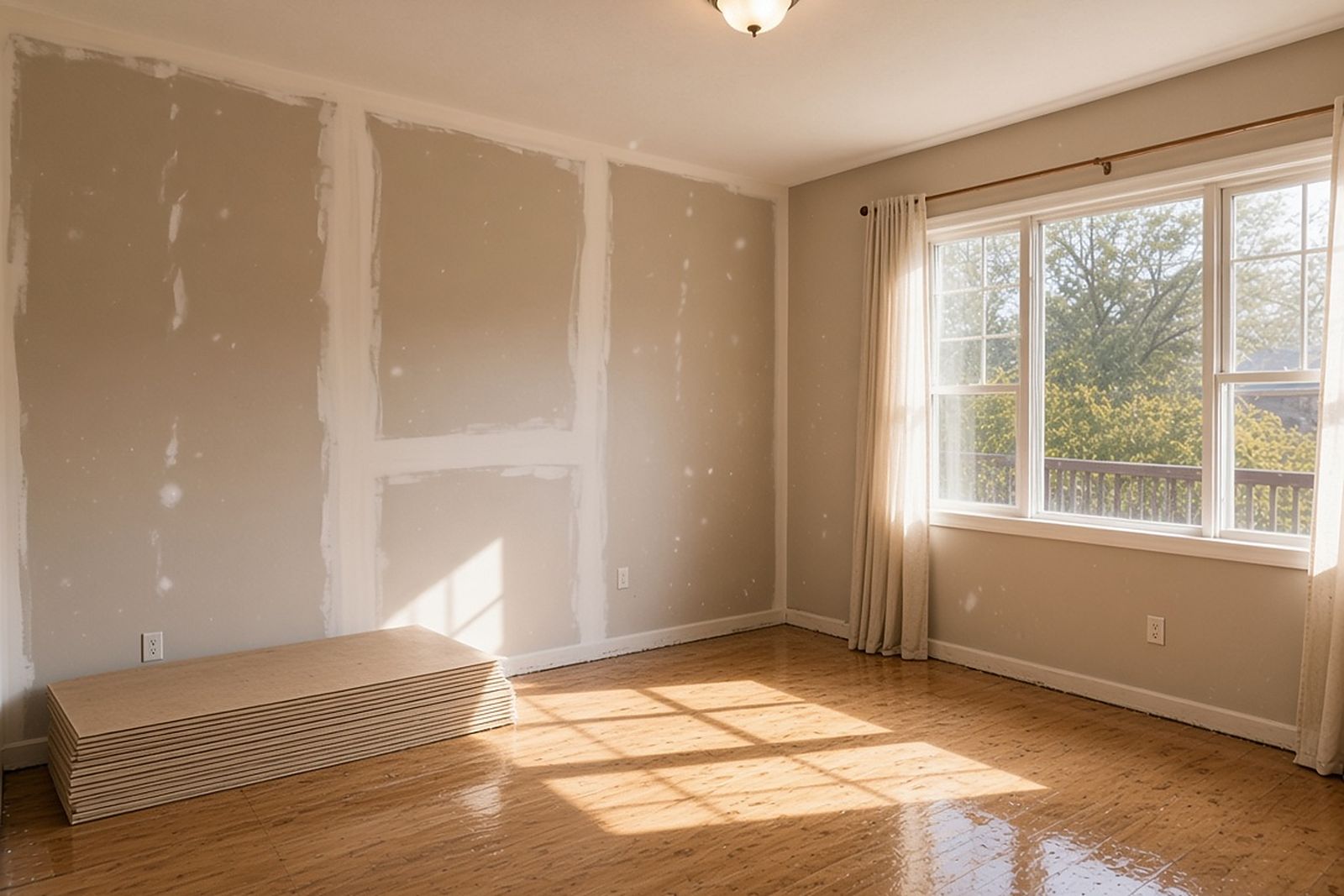
Two weeks later, the odor returns, flies appear in the hallway and the dining room ceiling below the bedroom shows a faint stain. A professional provider finds that fluid had soaked into the plywood subfloor and reached a joist. The crew removes the affected subfloor, cleans and seals the joist, repairs containment around the ceiling below, treats for insects, replaces the HVAC filter and runs air treatment before verifying the result.
The brothers end up paying for the professional work and repairs to the dining room ceiling, on top of their weekend costs. The family is fictional, but the pattern is common.
The emotional cost, and what family can safely do
Many families already carry guilt after an unattended death, wondering whether they should have visited or called more often. Spending hours in the room where a loved one lay undiscovered can deepen that guilt and leave images that are difficult to set aside.
Professionals can take the physical work off your shoulders, leaving you free to focus on arrangements, the estate and the people who are grieving alongside you. Choosing help is a way of honoring the person, not a failure to care for their home.
There are many meaningful tasks that do not involve the affected area. Keep doors and windows to the room closed and avoid running fans that might spread odor. Make sure utilities stay on. Gather estate documents or ask the provider to look for specific items, such as a will, insurance papers, keys, a phone or treasured photographs.
You can also coordinate with the landlord or association, speak with the insurer and plan what to do with unaffected belongings once the home is safe. Decontamination of the affected area comes first. Sorting, donating and clearing the rest of the home can follow at a pace that feels manageable.
If you live far away, a trusted neighbor, friend or property manager can let the crew in and lock up afterward. Many providers send photos and updates so you can follow the work without traveling.
Give yourself grace through all of it. Grief counselors, faith communities and friends can help carry what the cleanup cannot.