Short answer
Before hiring an unattended death cleanup company, ask about their experience with delayed discovery, how they find hidden fluid spread, how they remove and verify odor, whether they treat insects, how they sort documents and valuables for the estate, how they update family members who live far away, who signs the contract, how changes are approved, how waste is documented and how they coordinate with landlords and neighbors.
Why this hire is different from other cleanups
When someone dies alone and is not found for days or weeks, the cleanup is shaped by time. Fluids may have spread into subfloor, odor may have reached every room and insects may be present. At the same time, the people making decisions are often far away, unsure of their legal role and grieving.
Many of the people making these calls have never hired any kind of cleanup service before, let alone one for a death that went unnoticed.
The ten questions below are designed to help you compare providers on the things that matter most for delayed-discovery scenes. You can ask them by phone, by email or through a landlord or neighbor who is at the property.
Questions 1 and 2: delayed-discovery experience and hidden spread
Ask how much of the company's work involves unattended deaths specifically, as opposed to other biohazard or restoration jobs. Experience matters here because decomposition behaves differently from a fresh spill. An experienced crew knows to look under baseboards, into subfloor, around vents and sometimes into the ceiling below.
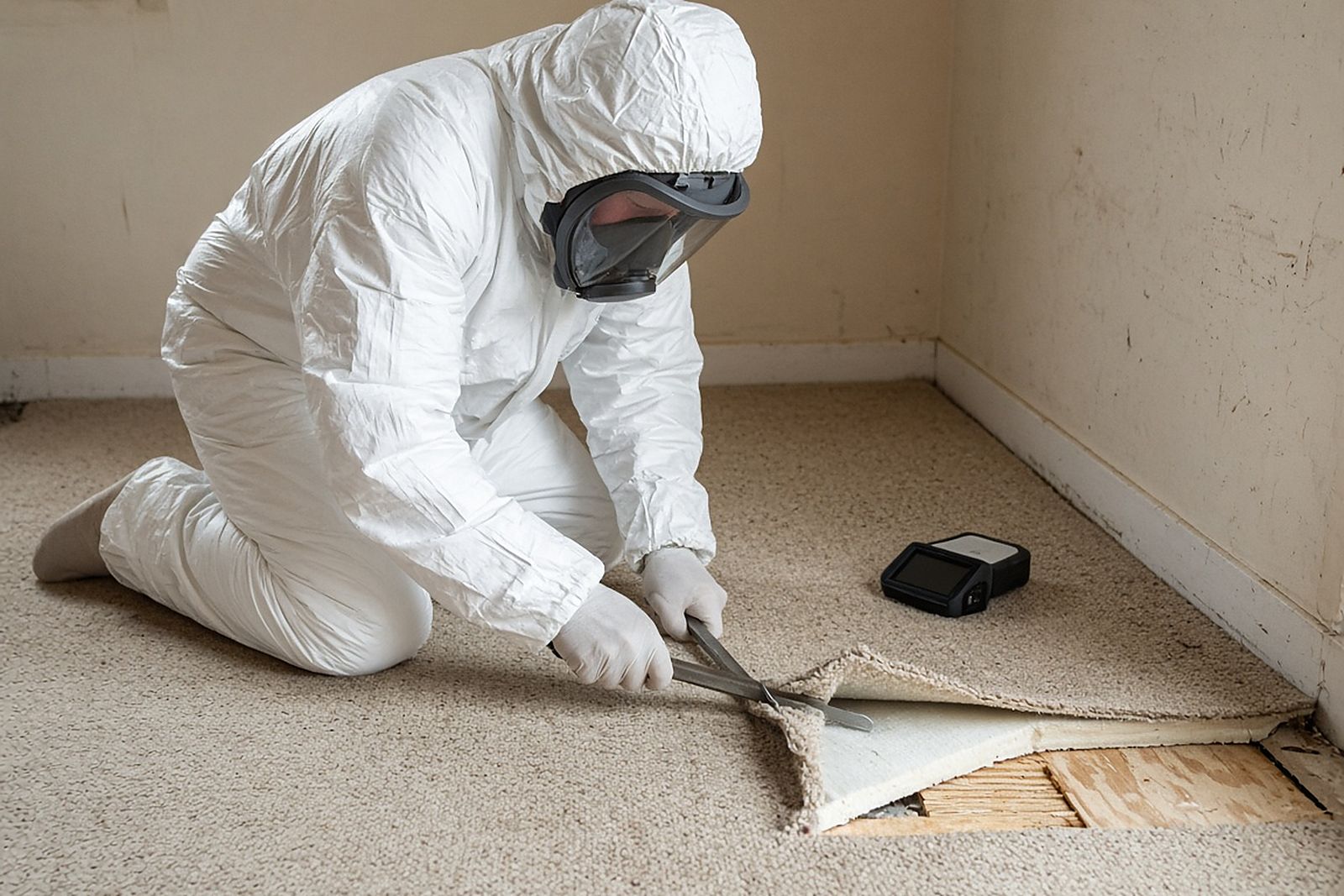
Then ask how they determine how far fluids traveled. A strong answer will describe lifting flooring in stages, inspecting and testing the substrate, stopping only at clean material and photographing each step. Ask whether their estimate accounts for this and how they will tell you if they need to go further than planned.
Also ask who will be doing the work, whether employees or subcontractors, and how they are trained to handle bodily fluids under OSHA's bloodborne pathogens standard.
Questions 3 and 4: odor removal and insect treatment
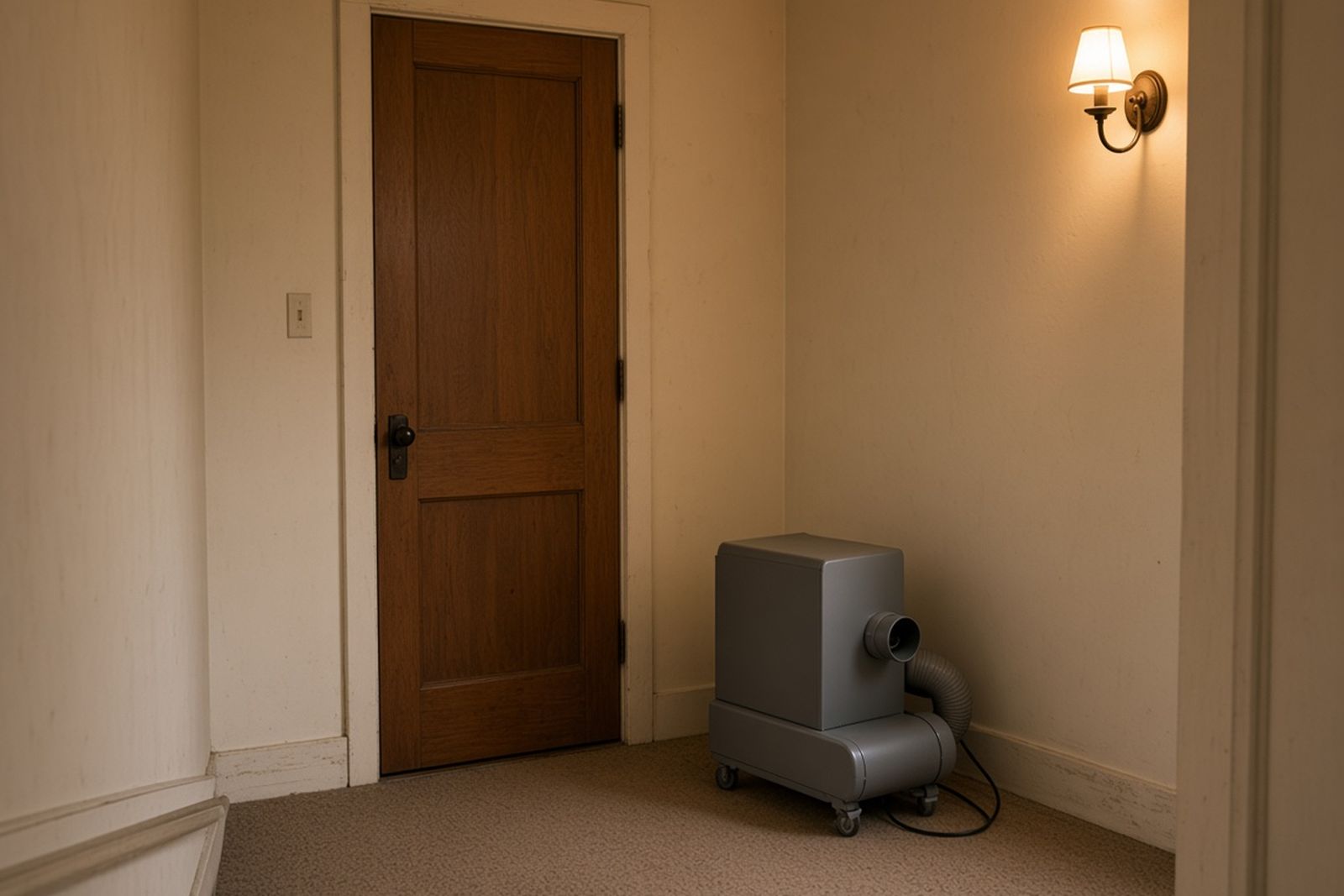
Odor is often the hardest part of an unattended death to resolve. Ask which methods the company uses, such as air scrubbers, hydroxyl generators, sealing primers, thermal fogging or ozone, and why they would choose one over another in your home. Ask how long treatment is likely to run and whether the home must be empty of people, pets and plants during any step.
Ask how they confirm odor is gone rather than covered up with fragrance. A good provider will describe removing sources first, then treating what remains, then checking the result, often including HVAC components that carried odor through the home.
Next, ask whether they handle insect activity themselves or bring in a pest control partner. Flies and other insects can spread beyond the affected room, and treatment often needs to begin early.
Ask as well what the company expects the home to smell like when it is finished. A reasonable goal is a neutral indoor smell, not a strong perfume or chemical odor. If the home will be sold or re-rented, a clear, documented odor result can matter to buyers, tenants and property managers.
Questions 5 and 6: estate belongings and updates from afar
Belongings belong to the estate, even when many cannot be saved. Ask how the crew searches for and protects documents and valuables, such as wills, deeds, titles, financial records, passports, keys, jewelry and photographs. Ask whether they provide an inventory of items set aside, cleaned or discarded.
Many executors and relatives live in another city or state. Ask how the company will keep you informed: photos by text or email, scheduled calls, a shared folder or a written report at the end of each day. Ask who your single point of contact will be.
If a landlord, neighbor or property manager will let the crew in, ask how the company will confirm your instructions before starting.
- A written list of must-find documents and keepsakes
- Photos of the affected area before and after each stage
- Daily or milestone updates for out-of-town family
- A final inventory and closing report
Questions 7 and 8: who signs, and how changes are priced
Ask the provider who they expect to sign and pay. If the person who died owned the home, the estate may be responsible, and the executor or administrator may need to sign on its behalf. If the person rented, the landlord may arrange the work. Be careful about signing personally if you intend to act only for the estate. An estate attorney can clarify your obligations before you sign anything.
Then ask how pricing works, whether hourly, per job or mixed, and what is included. Ask how the company will handle discoveries that expand the scope, such as fluids under a second room. A good provider will stop, send photos and wait for written approval before continuing.
Ask, too, whether the estimate includes repairs or stops at removal and disinfection. Many unattended death providers leave new subfloor, flooring and drywall to a general contractor. If the home will be sold or re-rented, knowing where the cleanup scope ends helps the estate or landlord plan the next steps and budget realistically.
Finally, ask whether the company can begin urgent steps, such as sealing the unit and treating insects, while the estate is still being opened. Some landlords need those steps immediately to protect other tenants, and a provider can often separate urgent containment from the full job.
Questions 9 and 10: waste records and coordination with the building
Ask how contaminated materials will be packaged, transported and disposed of, and whether you will receive a disposal record. That record is useful for insurers, landlords and estate files.
In apartments and condos, an unattended death can affect neighbors through shared floors, walls and ventilation. Ask how the company will coordinate with building management, whether they will inspect the unit below if needed and how they will communicate with nearby residents without sharing private details. Ask whether they carry general liability and pollution liability insurance and can provide a certificate to the building if required.
If the neighbor below has ceiling damage, ask whether the company will document it with photos and notes that both households' insurers can use. Clear documentation from the start helps prevent disputes later about when the damage occurred and how far it extended.
The questions in action for an out-of-town executor
The following illustration is made up, but it follows a common pattern. A woman living in Oregon is named executor for her uncle, who died alone in his rented house in Ohio and was found about three weeks later. The landlord asks her to arrange cleanup and gives her the names of two companies.
She calls both with the ten questions. The first company says it can start right away and will send one invoice at the end, but it cannot describe how it checks subfloor or confirms odor removal. The second explains its staged flooring approach, says it will treat flies before removal, describes a hydroxyl and sealing plan, offers daily photo updates and asks for a list of documents to look for.
She chooses the second company and signs as executor, not personally, after checking with the estate's attorney. Over four days she receives photos each evening. The crew finds her uncle's will, car title and a box of letters, and sends her an inventory, a disposal record and a final report she forwards to the landlord.
None of these people are real; the point is how ten plain questions separated two very different providers.
Answers that should make you pause
Certain answers suggest you should keep looking. None of them prove a company is bad, but each one deserves a follow-up question.
- A firm price quoted without any assessment or photos
- No written scope until the work is finished
- Vague answers about subfloor, odor verification or pest treatment
- Pressure to sign personally when you are acting for the estate
- Assurances that an insurer or the estate will certainly cover the bill
- Reluctance to send photos or updates to family who live far away
Is it all right to feel unsure about all this?
Yes. Most people have never had to hire this kind of service before, and many are doing it from a distance while also arranging a funeral and settling an estate. Feeling uncertain is normal. Ask as many questions as you need, and take notes.
Learning that someone died alone can bring grief tangled with guilt. Those feelings are common and understandable. Leaning on friends, an estate attorney, a trusted provider and, when needed, a counselor can help you carry the practical tasks while leaving room to mourn.