Short answer
Before unattended death cleanup begins, someone trained should assess ten risks: pathogens and bacteria, strong odor vapors, subfloor weakened by saturation, insects and pests, mold and moisture, medical sharps, clutter and heavy contents, utilities and appliances left running, contamination reaching neighboring units, and the emotional weight on family members. Each should be identified in the walkthrough and matched to a clear control.
Why an unattended death calls for a careful safety check
When a person dies alone and is not found for some time, the home can become hazardous in ways that are not obvious from the doorway. Fluids spread into structure, odor thickens the air, insects multiply and the home itself may have been left with the stove, heater or water running. Each extra day adds to the list.
Long delays before discovery are not rare, and they are most likely in homes where someone lived alone.
The ten risks below help families, landlords and executors understand what a professional crew is looking for before any work begins.
Risks 1 and 2: pathogens and odor vapors
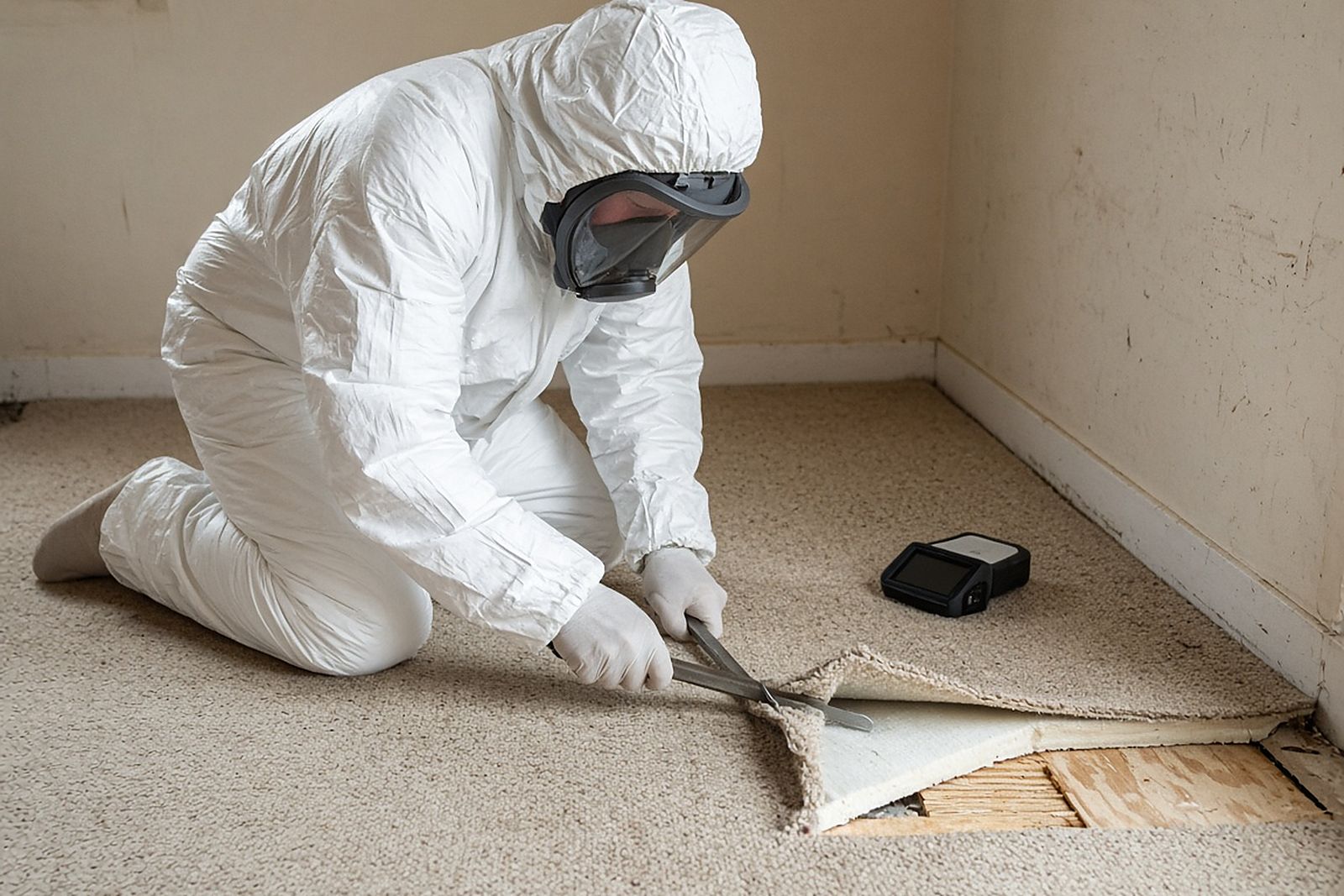
Risk 1 is pathogens and bacteria. Body fluids released during decomposition may carry bloodborne pathogens, and bacterial growth accelerates as tissues break down. Handling saturated materials without protection can expose you through cuts, splashes and airborne particles. Crews wear fluid-resistant suits, doubled gloves and eye protection and follow universal precautions.
Risk 2 is odor vapors. The odor after an unattended death comes from volatile compounds that can cause nausea, headaches and breathing discomfort, especially in closed rooms. Professionals wear respirators with cartridges chosen for particles and vapors, are fit tested to use them and ventilate or filter the air as they work. A dust mask is not enough.
Anyone who has to enter before the crew arrives, for example to retrieve medications or care for a pet, should keep the visit brief, avoid the affected room and step outside if they feel unwell.
Protective gear only works when it comes off correctly. Crews set up a spot near the exit of the work area where suits, gloves and shoe covers are removed and bagged, so odor and contamination do not follow them through the rest of the home or into their vehicles. Asking where that spot will be is a simple way to gauge how carefully a provider works.
Risk 3: weakened structure
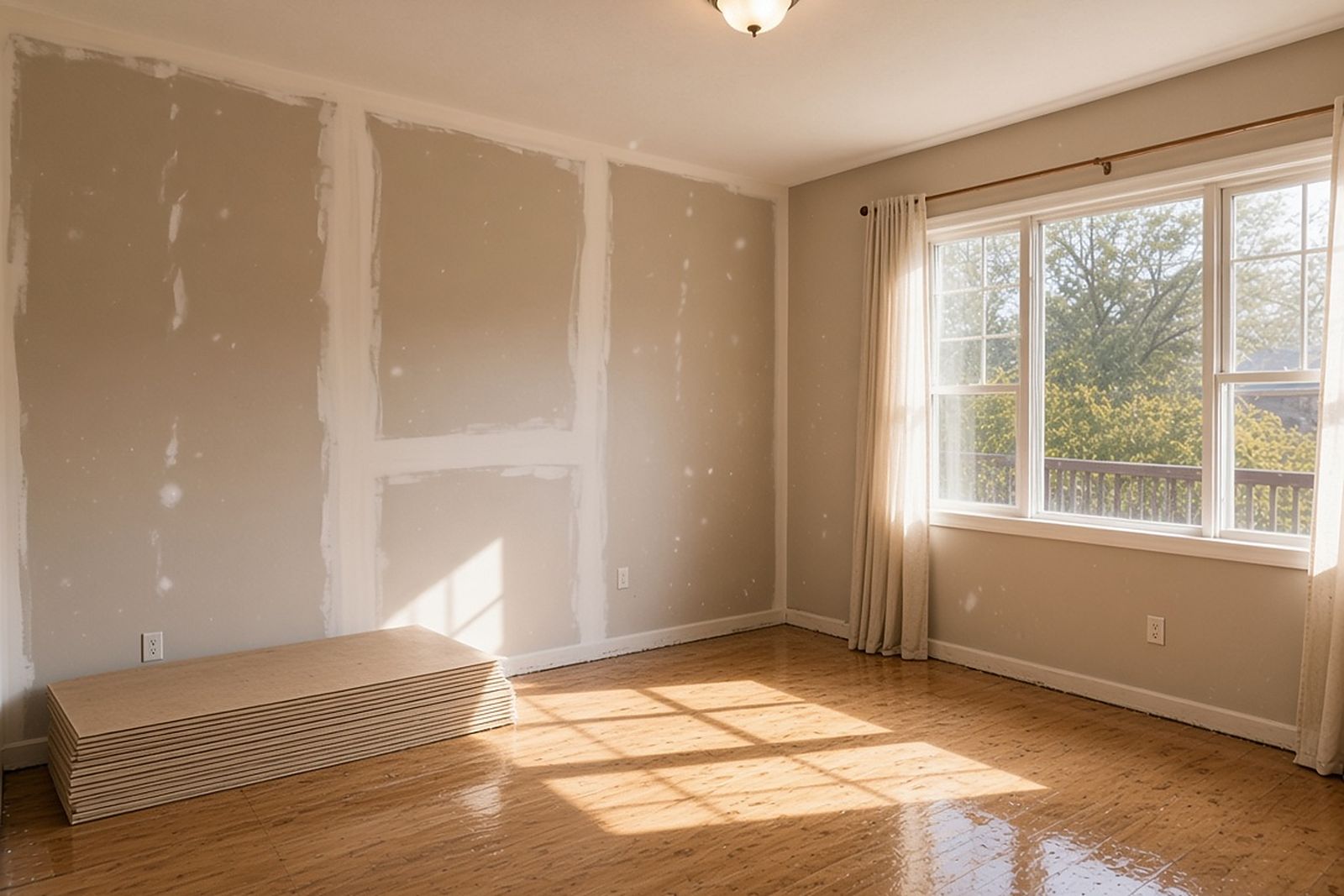
Risk 3 is weakened structure. Over time, fluids can saturate carpet pad, subfloor and even joists. Particleboard and oriented strand board in particular can soften and lose strength when soaked. In rare cases, a saturated floor may not support a person's weight. Crews probe and inspect before walking on or loading an affected area, and they check the ceiling below in multi-story buildings.
Risks 4 and 5: insects and moisture
Risk 4 is insects and pests. Flies are drawn to decomposition quickly and can spread through a home. Larvae may move under furniture and into other rooms. Rodents may also be present, particularly if food was left out. Crews remove insects and casings with HEPA vacuums, clean where they gathered and coordinate licensed pest control when needed.
Risk 5 is mold and moisture. Damp materials, spoiled food and a closed-up home can encourage mold growth, which adds its own respiratory concerns. Moisture meters help crews find damp areas, and moldy materials may need removal under containment.
- Probe soft or stained subfloor before stepping on it
- Check ceilings and joists in the room below
- Look for insects in closets, baseboards and window sills
- Measure moisture before sealing any wood
Risks 6 and 7: sharps and clutter
Risk 6 is medical sharps and supplies. Many people who live alone manage health conditions at home. Insulin pens, lancets, syringes and other sharps may be in drawers, on nightstands or in trash cans, sometimes uncapped. Crews use cut-resistant gloves, avoid reaching blindly into bags or bedding and place sharps in puncture-resistant containers. Unused medications should be gathered for safe disposal rather than thrown in household trash.
Risk 7 is clutter and heavy contents. Some homes contain decades of belongings, and some reflect serious hoarding. Stacked items can fall, block exits and hide contamination or sharps. Heavy furniture that has absorbed fluid is difficult to move. Crews plan clear paths, remove items in a safe order and use lifting equipment or additional workers when needed.
Risk 8: utilities, appliances and pets
Risk 8 is utilities and appliances. A stove left on low, a space heater, a running faucet or a refrigerator full of spoiled food can create fire, flood or contamination hazards of their own. Crews check utilities early, shut off anything unsafe and handle spoiled food as part of the cleanup.
Pets deserve a thought as well. If an animal lived in the home, it may have been alone for some time and could be frightened, unwell or protective. Animal control or a local shelter can help safely remove and care for it before the crew begins.
Risk 9: contamination beyond the unit
Risk 9 is contamination beyond the unit. In apartments, condominiums and townhomes, fluids can reach the unit below, and odor and insects can travel through shared walls, plumbing chases and ventilation. Neighbors may already be affected, and a partial cleanup can leave their space contaminated.
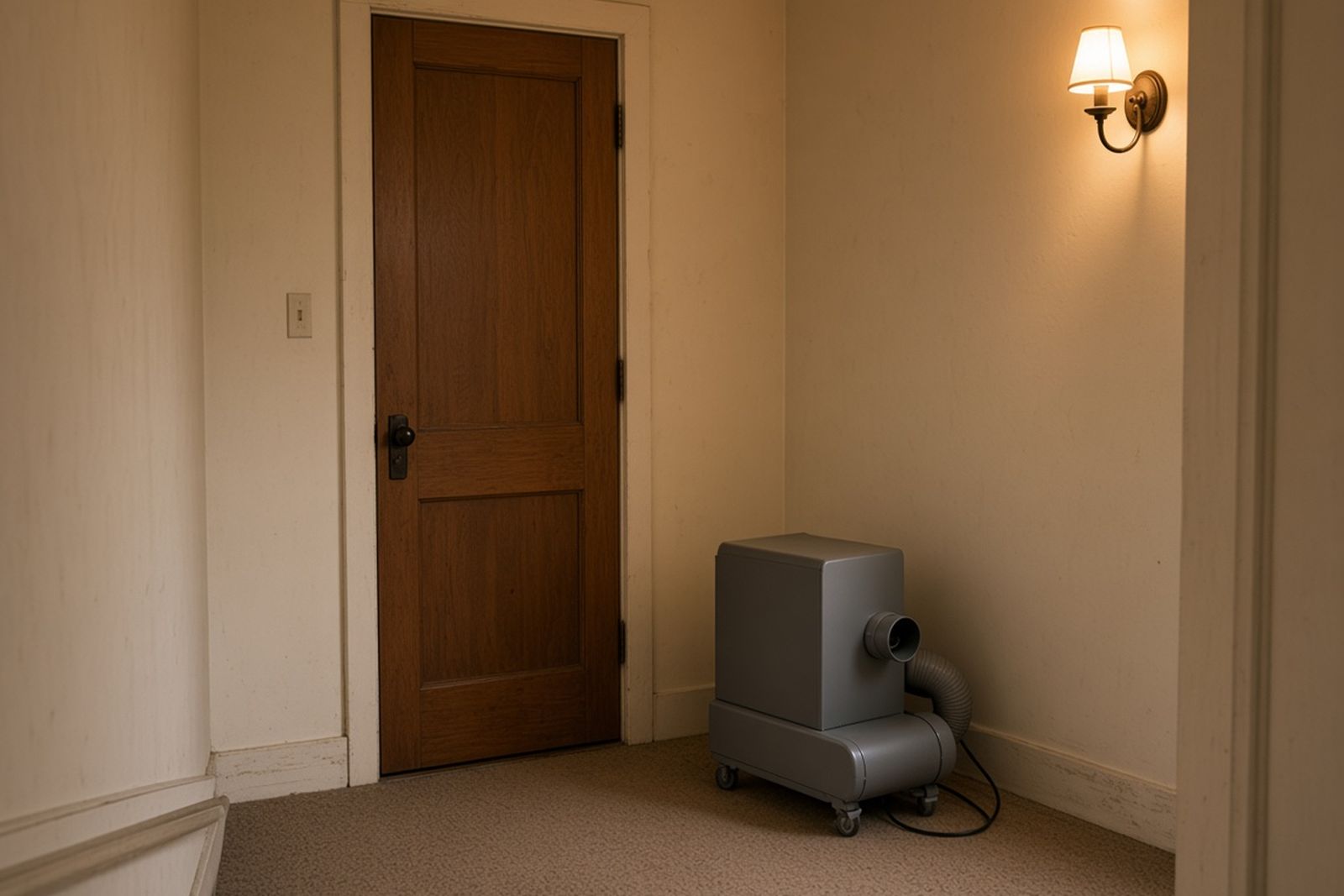
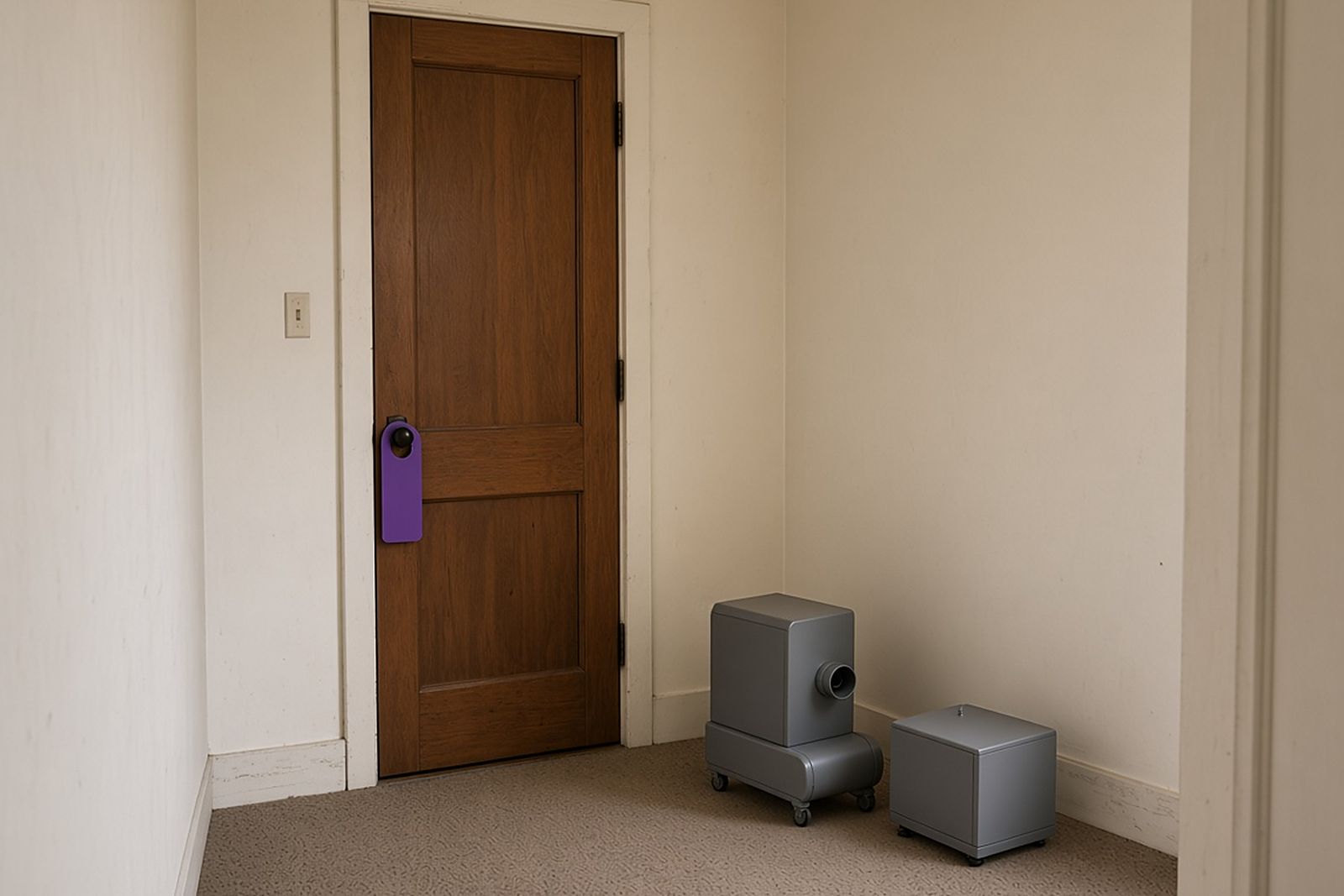
A careful provider asks about adjoining units, coordinates access with the landlord or association and uses containment, vent covers and air filtration to keep the work from spreading. Hallways and stairwells used to carry materials out should be protected and cleaned afterward.
Waste removal routes matter too. Sealed, labeled containers keep materials from leaking or releasing odor as they move through shared spaces.
Risk 10: the emotional toll
Risk 10 is the emotional toll on family members. Walking into the home of a loved one who died alone can be overwhelming. Many relatives also carry guilt, wondering whether they should have called or visited more. Those feelings can push people to enter or clean before it is safe, or to stay far longer than they should in a hazardous space.
A caring provider will offer to handle the walkthrough without family present, communicate through a designated contact, retrieve urgent items on the family's behalf and share photos rather than asking anyone to come inside. Accepting that help protects your health and your memories of the person.
If you are managing things from far away, it can help to agree on a single daily update from the provider rather than many small calls. That keeps you informed without asking you to relive the details again and again.
The ten risks in one apartment
The case below is made up for illustration, but it shows how the risks can stack up in a single home. A retired mechanic in his late sixties lives alone in a small second-floor apartment. His landlord calls for a wellness check after rent goes unpaid, and he is found about five weeks after his death. His sister becomes the family contact.
The supervisor walks the unit alone. She finds that fluid has saturated the living room carpet and softened the particleboard subfloor near the couch. Flies are present throughout, and there are signs of mice in the kitchen. The refrigerator holds spoiled food, and a space heater is plugged in beside a stack of newspapers. She finds insulin pens and uncapped lancets on the kitchen table. The downstairs tenant reports odor and a stain on her ceiling.
Her plan includes probing and bridging the soft subfloor before loading it, respirators with combination cartridges, sharps containers, unplugging the heater and clearing the newspapers, disposal of spoiled food, licensed pest control for insects and rodents, and coordination with the landlord to inspect the unit below. The sister receives photos and a list of documents found in a desk drawer. No real person is described; the point is what a thorough assessment covers.
What should you ask a provider about safety?
Treat the ten risks as a working list. Ask which apply to the home, and how the crew will control each. Ask what respirators they use and whether workers are fit tested. Ask how they check structure before walking on affected floors, how they handle sharps and medications and how they coordinate insect and rodent control.
Ask how they will protect neighboring units and shared spaces, and how regulated waste will be packaged, transported and documented. Ask for a written plan before work begins and a closing report with photos, materials removed, items saved and disposal records at the end.
A provider who answers these questions clearly and without pressure is more likely to do the job safely and completely.
What family members can safely do right now
Keep doors and windows to the affected room closed and avoid running fans that could spread odor. Keep children and pets out. Make sure power and water stay on, since the crew needs both, but ask the provider to check any appliances that may have been left running.
Gather or request key documents, and tell the provider which belongings matter most. Then step back and let trained people take on the hazardous work. Grief counselors, faith communities and friends can help with the rest, at a pace that is right for you.