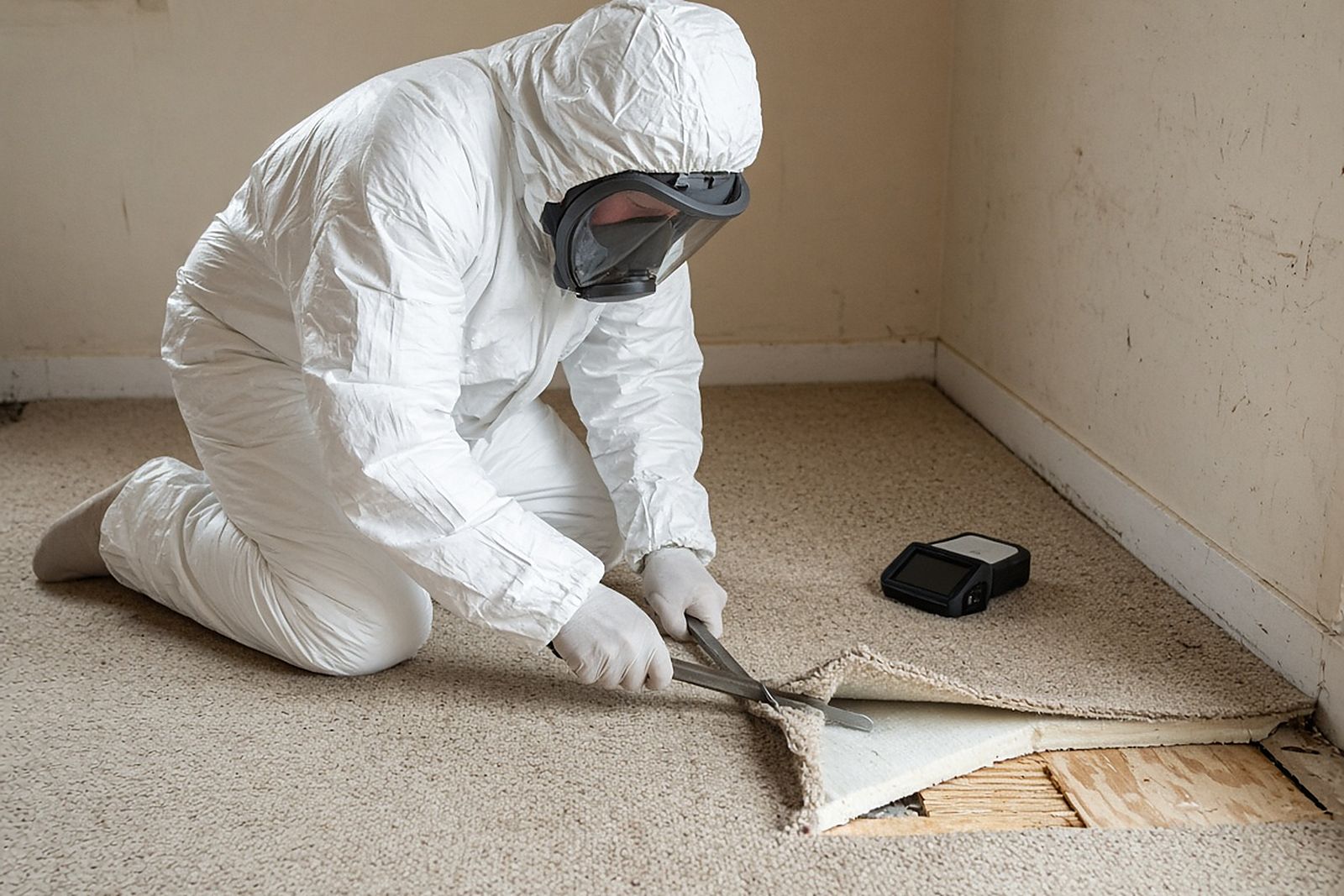
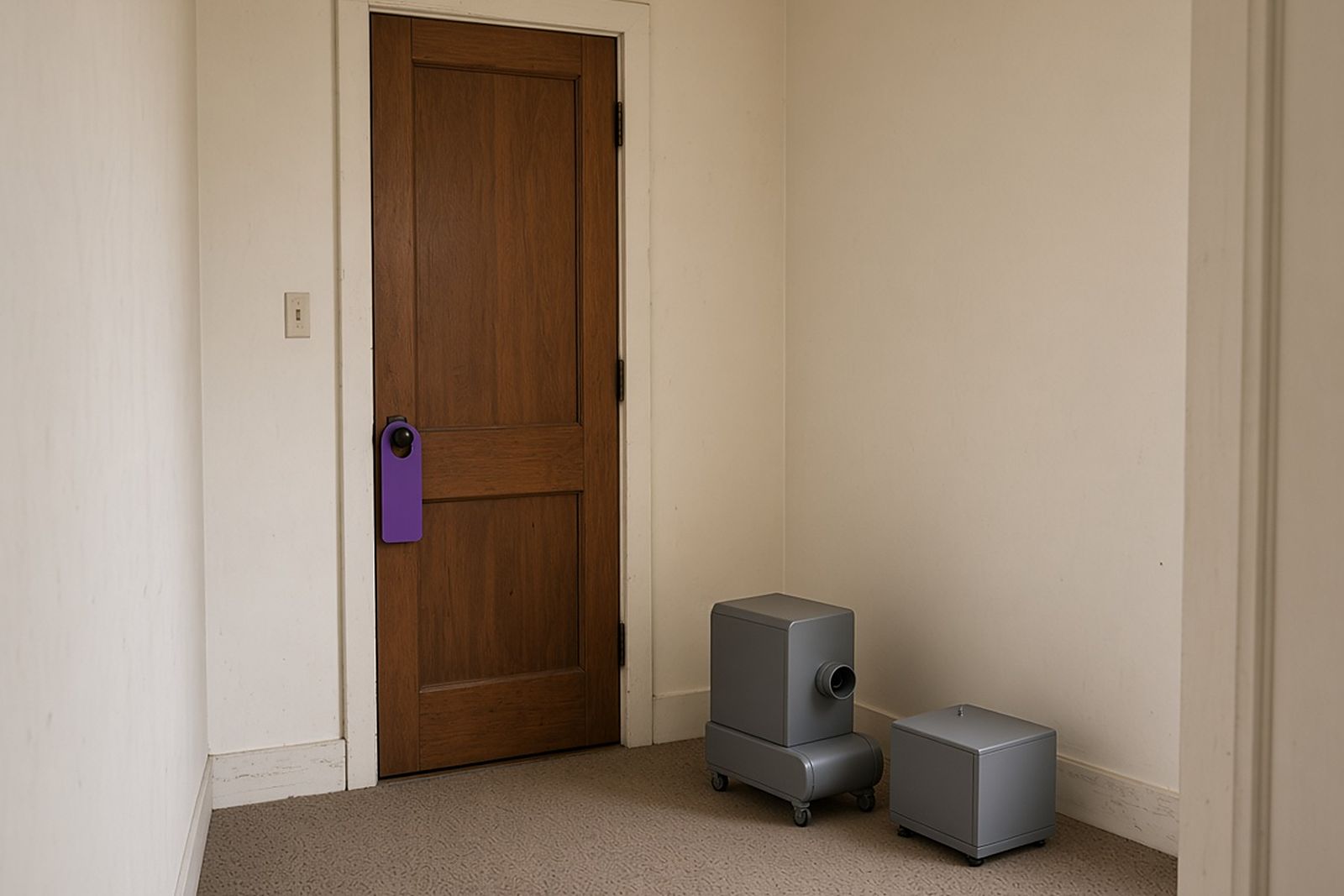
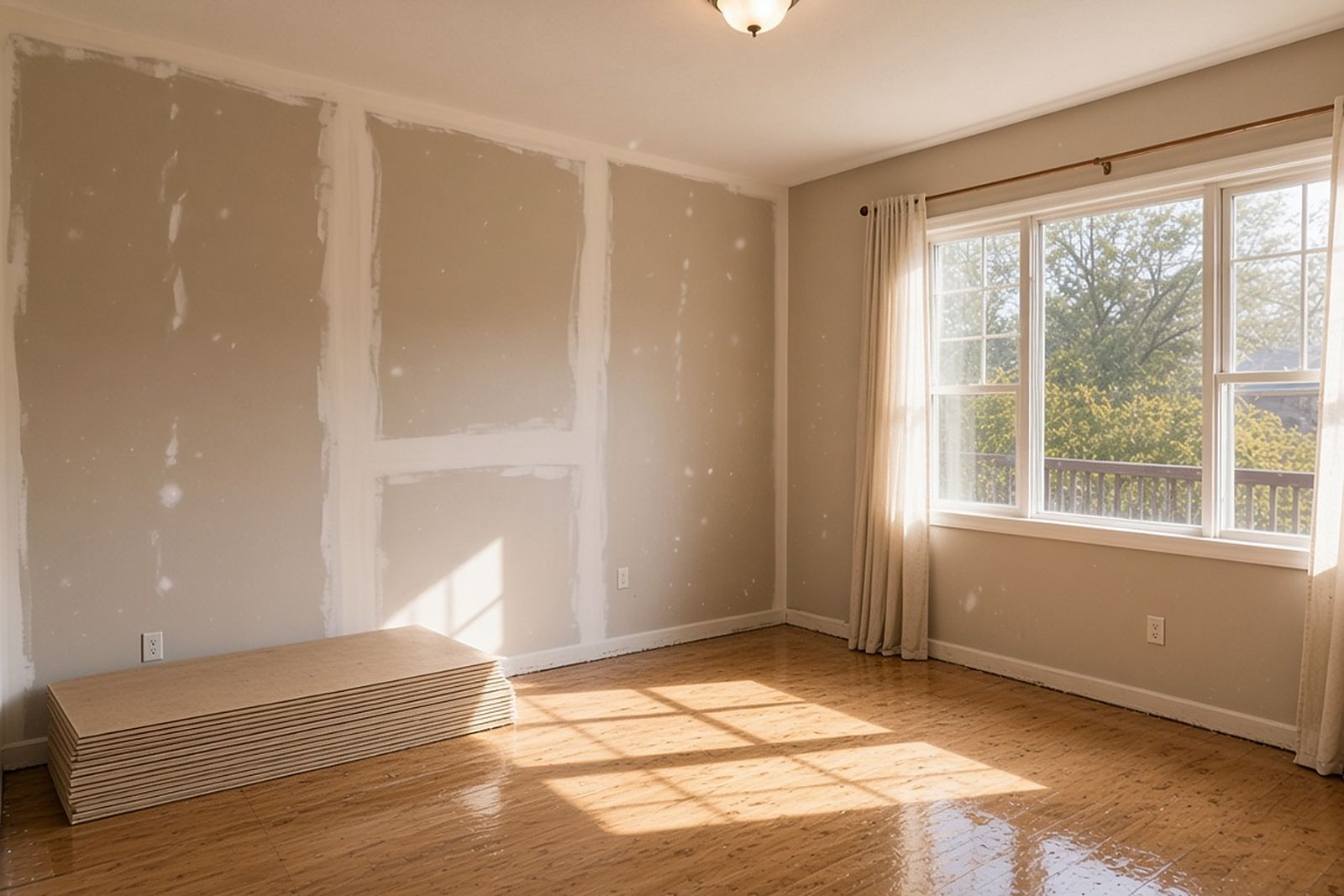
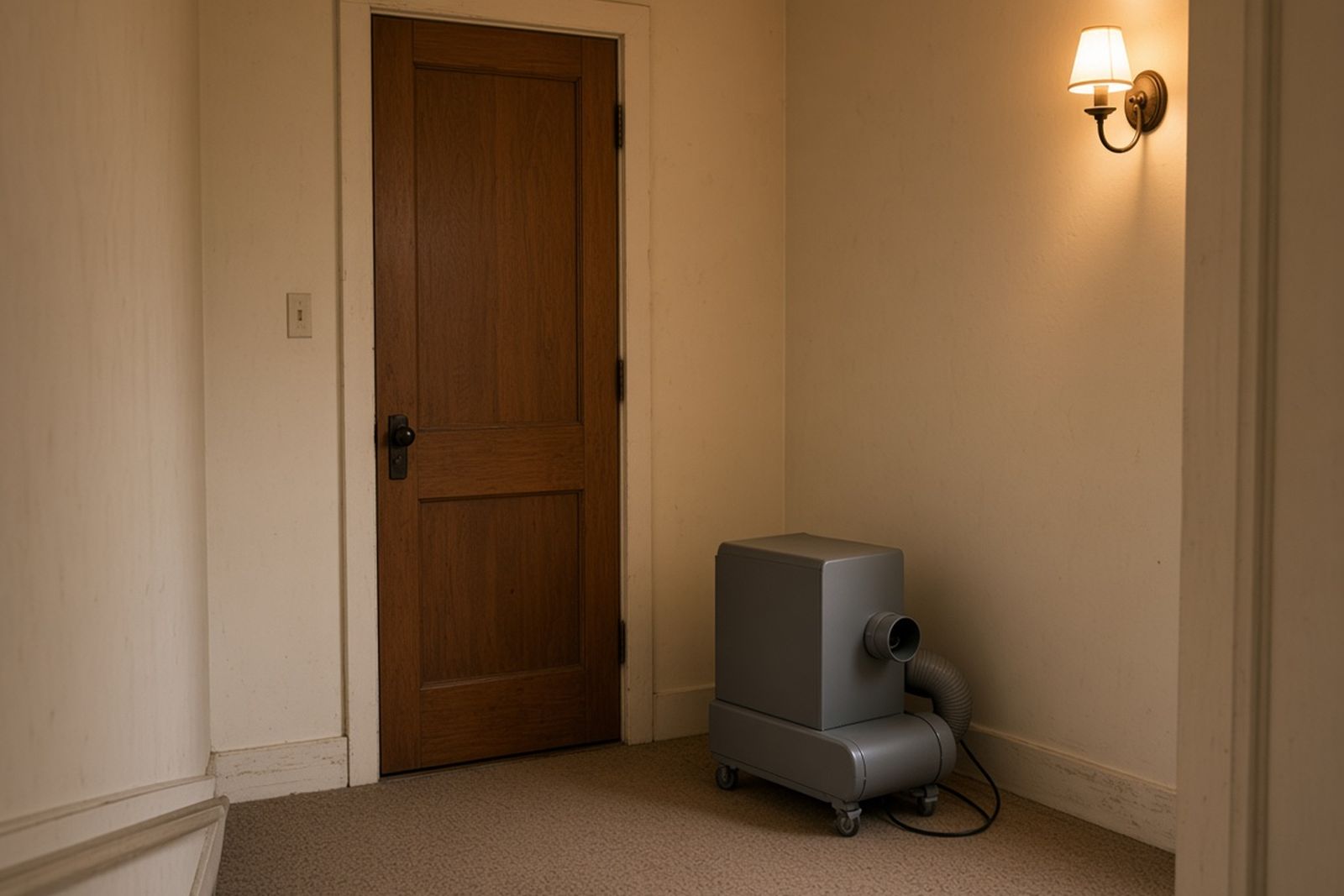
Your kind of building matters, since each one across the basin behaves in its own way. In a Koreatown or Downtown tower, shared air carries the smell out of a closed unit, and a neighbor often reports it first. If you live in a Valley garden apartment, you share breezeways and laundry rooms. Hillside homes in Echo Park, Silver Lake, and the Hollywood Hills sit on slopes, so an upstairs suite may drip into a dressing area or garage below. During heat and wind, cooling runs nonstop and homes stay sealed for days. A simple wipe-down plan means little until the company knows which of these you live in.
Temperature inversions and Santa Ana winds keep your windows shut and the air handler running. The smell from the pad and upholstery then circulates inside. If you prop the door open for fresh air, it moves into the hall and stairwell. Soft goods stacked in an underground parking cage become a second source. Insects on a sunny windowsill point to a longer gap, common in a rental after a missed lease payment. In a remodeled flat, floating floors over foam can hide fluid that spread sideways with little to see on top.
For city addresses, the County of Los Angeles Medical Examiner and any police investigation set when cleanup can begin. After that, your right to choose may be shared with an executor, a building manager, an HOA board, or a lawyer listing belongings. In older Eastside and South LA homes, a tile bath can look clean while the grout holds a smell. If you own an older rent-controlled building, get the family's sign-off before you empty the unit. It protects you and respects them.