How do stacked flats change the cleanup compared with a one-level unit?
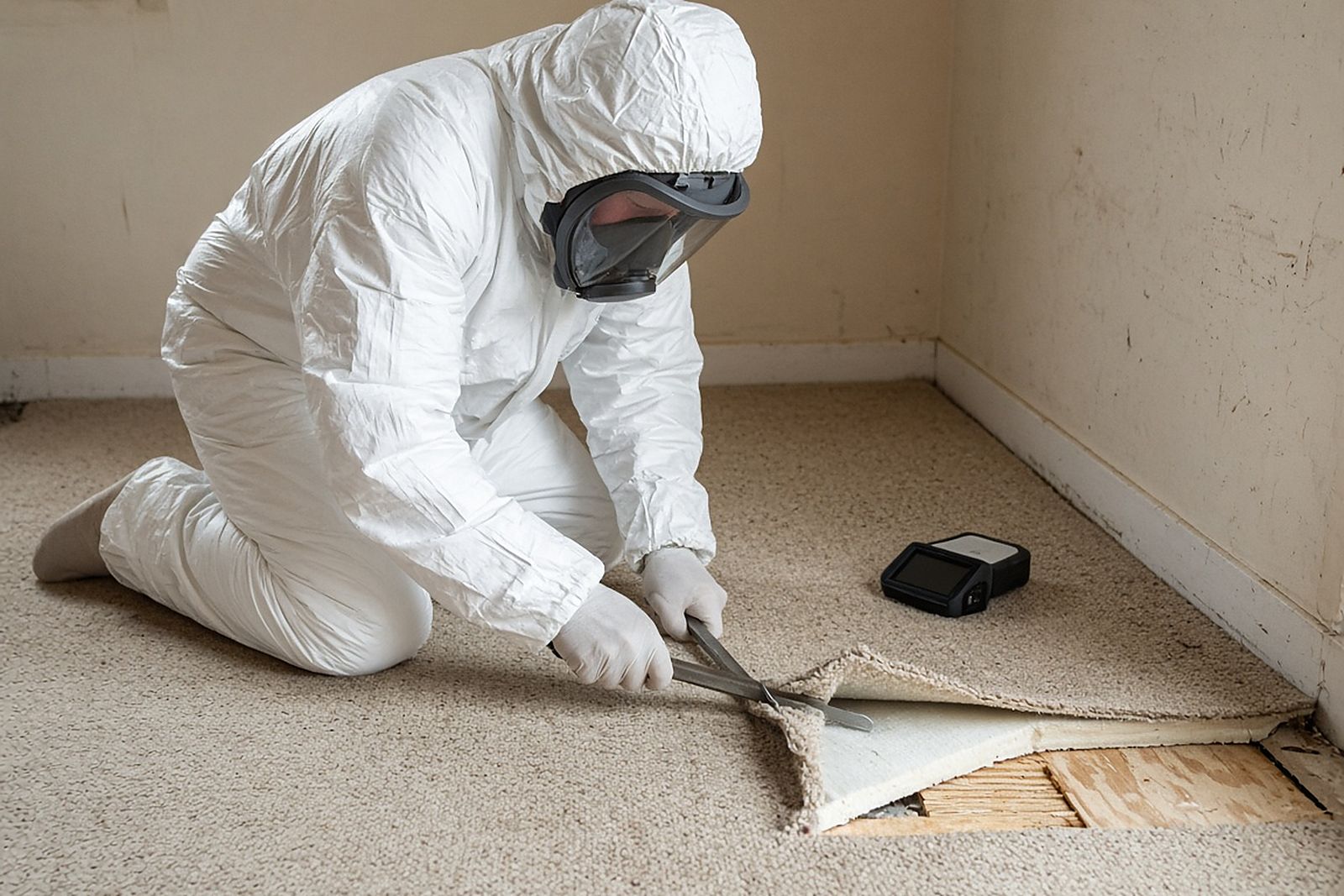
Fluid can drip through wood floors into the ceiling and belongings of the unit below. Families who only replace the upstairs carpet may leave a source of smell and residue over a neighbor's living space. A good check looks at the ceiling below, takes moisture readings, and decides what to do about soiled insulation or plaster. When a different person owns each flat, record the findings for both households. Planning for fluid that moves down keeps the bid from being too low and prevents repeat visits after a surface-only clean.
A smell is coming from a flat in my San Francisco building. What should I do first?
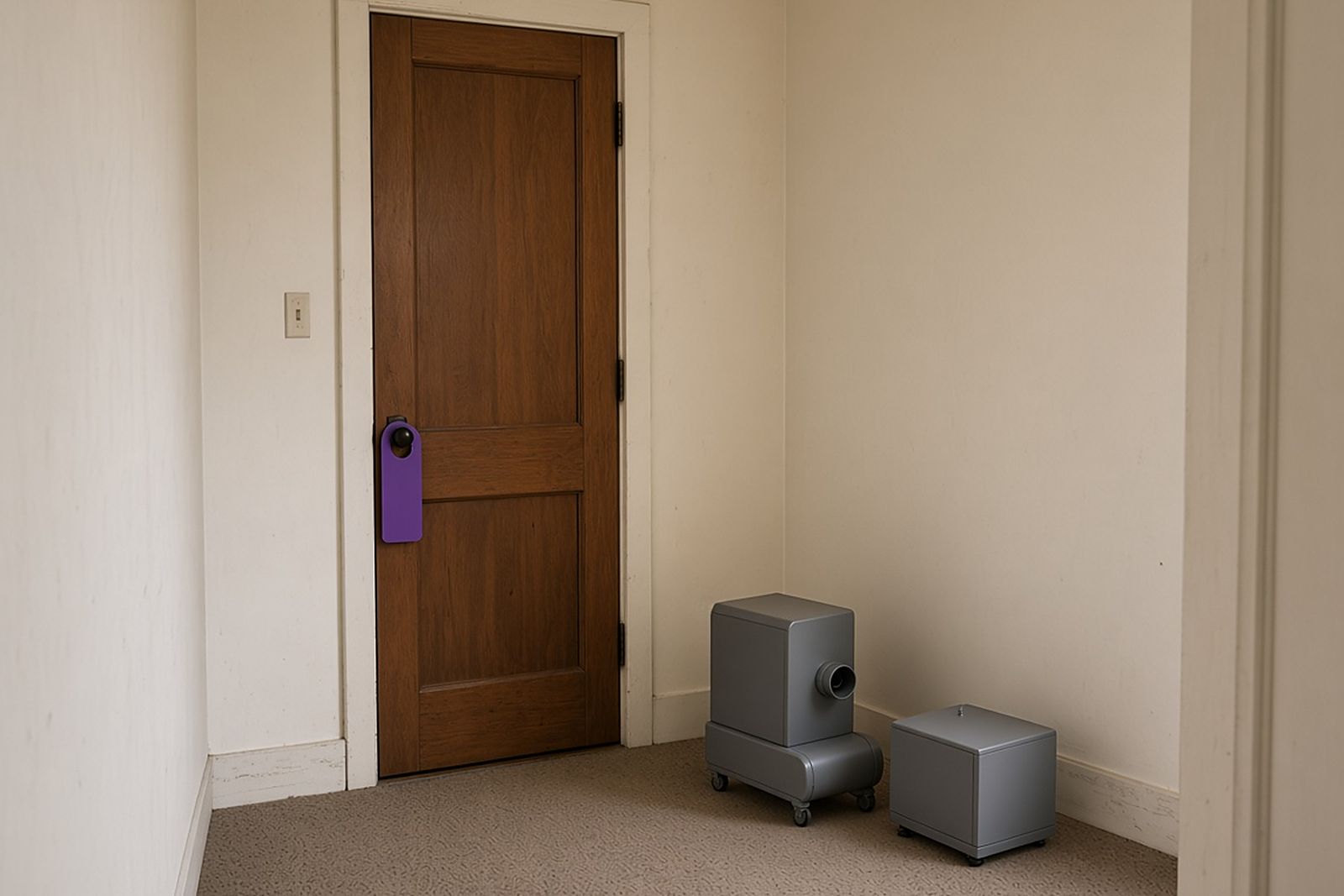
If the smell suggests a death in a San Francisco flat, call for a welfare check instead of going in alone. After the Medical Examiner has released the unit, do not let staff or family clean, since that can spread residue. Lock the unit, limit who goes in, and contact the emergency contact or the estate. Close off shared light wells or vents where the smell is traveling. Note any insects from the doorway. Have someone map how far fluid soaked in before you give other tenants a timeline.
What do flies at a San Francisco bay window mean for the cleanup?
Flies and larvae tell you more time has passed than the stain alone suggests. In San Francisco flats, insects often gather at bay windows, curtains, and light wells. They can carry residue into the hallway or the unit above. Treat affected bedding, rugs, and curtains as contaminated waste. Add nearby rooms and the shared stair landings to the check. Putting insect findings on the moisture and odor map gives a truer picture of the job than the stain you can see.
How should you plan a curbside load-out on a crowded block?
On many San Francisco blocks, curb space is scarce, and a hazard bag on the sidewalk is visible to everyone. Seal every bag and bin inside the unit before it goes down the shared stairs. Park as close as the law allows, stage for minutes instead of hours, and keep the sidewalk clear for people walking by. On busy shopping streets, think about an early-morning start. Photograph how the stairs and entry were protected in case the building or an insurer asks later.
Which papers should a San Francisco family save once the flat has been cleaned?
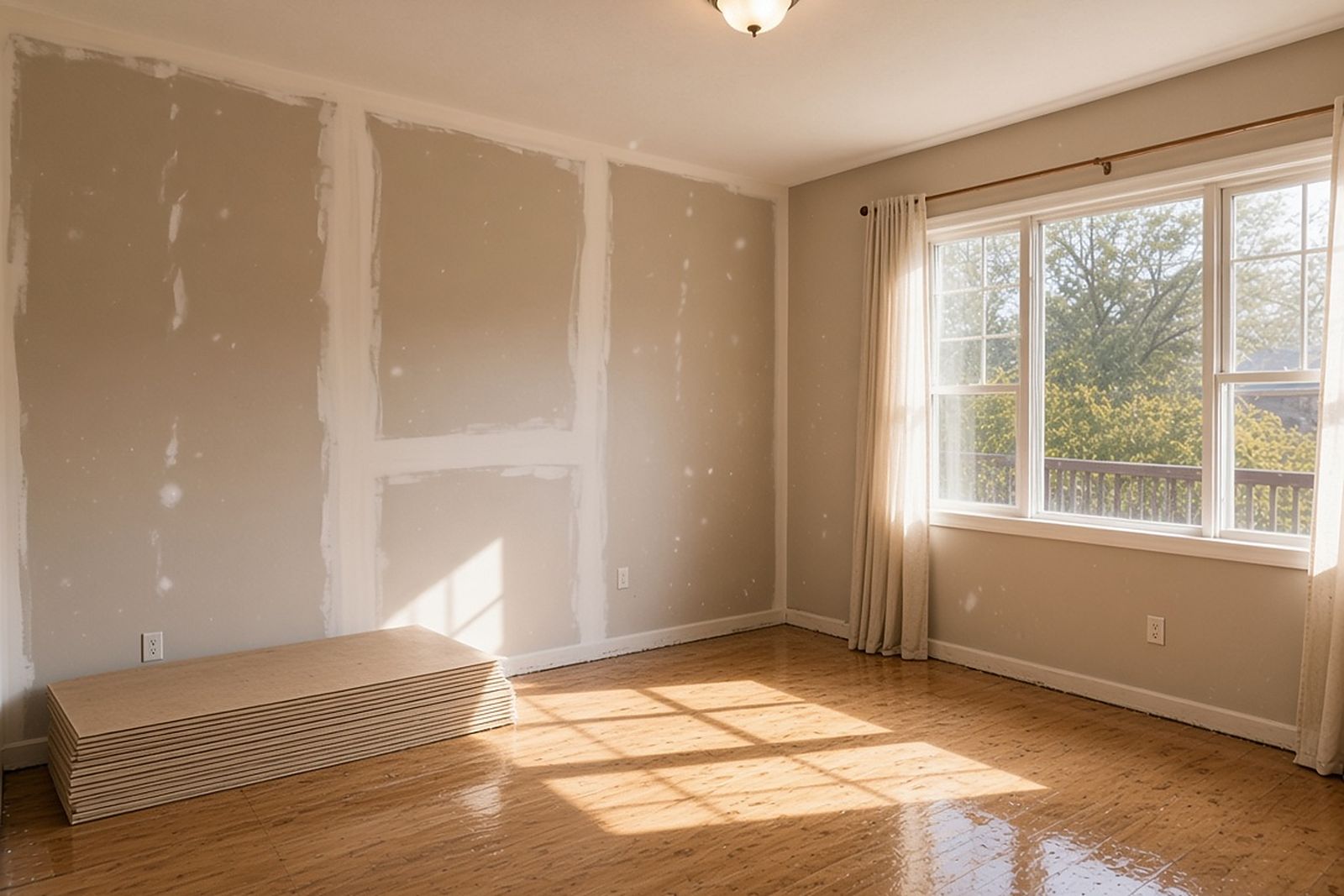
In San Francisco, keep the official release, signed entry permission, and dated photos from before and after the tear-out. Save moisture notes, a room-by-room list of removed materials, and waste receipts. If the unit is in a TIC or a small flat building, record which co-owners or managers approved access and any work on the shared stairs. Keep the hazard-removal bills apart from rebuild bids. These records help if the flat is rented again, sold, or questioned by an insurer later.
Which office releases a San Francisco home?
San Francisco is a combined city and county. The San Francisco Office of the Chief Medical Examiner and any police investigation decide when a home is released. Please hold off on booking any crew until that San Francisco release is confirmed. Next comes a signed OK to go in, from the landlord, the building's manager, or whoever speaks for the estate. In buildings with several units, tell other residents only the work times and any stair or hallway limits.
How should co-owners in a San Francisco TIC building share decisions?
In a tenancy-in-common building, other owners may share the stairs, a garage, or a light well with the affected flat. The estate of the owner who died decides about the unit itself. Shared areas need agreement among the co-owners. Name one contact for the estate and one for the building. Agree in writing on stair protection, work hours, and any cleaning of shared spaces. Clear roles help neighbors who will keep living side by side.