Southampton, NY

Unattended Death Cleanup Planning in Southampton, New York

What to do, who to contact, and what to ask in Southampton.

A death found late in a Southampton seasonal home? Learn who releases the property in Suffolk County, what a cleanup involves, and what records to keep.

Get an email reply about unattended death cleanup

Send a short message to the follow-up inbox. A coordinator can reply by email. This form does not send emergency help; call 911 first if anyone is in danger.

Tell us what you need help with. Share a short description; please leave out medical details, access codes, and other sensitive information.

A request does not confirm a booking. For immediate danger, contact local emergency services.

Or email info@unattendeddeath.online

The short answer for Southampton, NY

If someone was found in a Southampton house after it sat closed for weeks or months, please leave the rooms as they are. The Suffolk County Medical Examiner and the police must release the whole lot first, cottages included. Then you can arrange cleanup, decide what to save, and keep the records the estate and insurer will ask you for.

What to do, step by step

  1. 1

    Get the Suffolk release for every building

    Ask the Suffolk County Medical Examiner and the police whether their holds are cleared for the main house and for any cottage. Then get written approval from the trustee or manager for each building that has a key. Give the company the gate codes, and tell them whether the cabana shares a mechanical room with the house. Each entry should be photographed first. Those photos become the first page of your file.

  2. 2

    Have the cottages and outdoor shower checked too

    After a winter, the damage is rarely limited to one room. Ask the company to test the flooring past the visible marks and to check for air returns shared with guest buildings. Any pile of fabric in the outdoor shower should be listed. Removal should follow the meter readings. Ask which way soiled items will leave. It should avoid your clean kitchen and the ocean-facing living room where your family may need to meet.

  3. 3

    Ask for the shared heat to be shut off first

    A storm-sealed Southampton house often shares air with its guest cottage. That system should be shut before any scent equipment is switched on. Sea air through open sliders is not a stand-in for taking out what is soaked, however fresh it smells to you. A careful company removes the source, cleans what stays, and uses ozone or similar machines last, if at all. Ask them to tell you when each building is safe for you to walk through again.

  4. 4

    Build an estate file that notes the vacancy

    Ask the company to record how long the house sat empty, if that is known. Removals should be listed by building, with your signed choices on what to save and photos of the bare surfaces. Summer remodel plans belong on their own quote. Ask for a repair list sorted by main house and cottages. With this file, you can answer the insurer and the heirs without having to recall details from a hard week.

What cleanup is like in Southampton

Many Southampton lots, on the ocean road and in the village, pair a main house with a pool cabana or caretaker cottage. Those are busy in summer and empty after Labor Day. A death in November may not be found until a spring opening crew arrives, and that long gap is the hard part for you. The damage has had all winter to spread, with the heat set just high enough to keep pipes from freezing. Ask the company to list every building on your tax lot before one bedroom floor is cut. Private roads and tunnels of hedges also limit where its trucks can go.

Seasonal living is the main reason discoveries come late here. July weekends bring people by all the time, and January weekends bring nobody. Please do not open the ocean-facing sliders to flush the house while wet bedding is inside. It thins the smell briefly but can push it into a guest cottage that shares the air returns. Towels and linens left in an outdoor shower become a second source in the damp sea air. Where your lot allows, ask for covered waste to go out by the service lane, away from beach-road traffic.

Southampton addresses are handled by the Suffolk County Medical Examiner, and local police may also limit who goes in. If you manage the estate, put in writing how paintings and papers near wet fabric are to be handled. Keep the cleanup price apart from any summer remodel bid, so you can see what each one costs. Ask for moisture charts that note how long the house sat empty over the winter. Those help your Suffolk insurer see why the damage was wider than it would be after a recent event.

What to expect for your type of home

  • Caretaker cottages and pool cabanas: these may have their own small heating and cooling units. Ask the company to work out which equipment served the room where your relative was found, and write it down.
  • Houses left on low winter heat: even at a low setting, ducted heat keeps moving odor through months of vacancy. Tell the company how the thermostat was set, so it knows which ducts to look at.
  • Homes with outdoor showers and beach-gear rooms: fabric is often carried there on the first visit. Have those items listed and photographed before anything is thrown away.
  • Oceanfront and near-ocean homes: salty, humid air slows drying inside the walls. Ask for meter readings and trust those, not how fresh the ocean breeze makes the room feel.
  • Homes on private roads: an easement may limit when a dumpster can come or where it sits. Check your road's access rules early, and share them with the company in writing.
  • Remodeled summer houses: wide-plank floors laid over foam can hide damage that spread sideways. Ask for the floor to be tested past the mark before anyone says it can stay.
  • Bedrooms with built-ins: a mattress and particle-board built-ins usually cannot be saved after a late discovery. Ask the company to tell you early, so that it is not a surprise.
  • Estates with a hedged service court: a screened service court is a more private place for bins than your ocean-road frontage. Ask the company to stage there if it can.

Papers and records to keep

  • The date the Suffolk examiner and police cleared the Southampton lot
  • Approval from the trustee or property manager for every building on the lot
  • A list of the buildings, including main house, cottage, cabana and outdoor shower
  • Pictures of the suite, the pool house and anywhere towels were moved
  • Moisture readings, with a note on the winter vacancy or slow drying in salt air
  • A list of soft goods removed, sorted by building
  • A note on how the air system was closed off in a house sealed against the sea
  • Your signed choices on saving art, papers and soft goods
  • Hauler slips, if any, and a to-do list for the spring contractors

Local offices and official help

Common questions in Southampton

Why is the cleanup bigger when a house sat dark all winter?

Because the house stayed sealed for months with almost no one coming by. Heat set only to protect the pipes keeps moving the odor, and the damage keeps spreading under the floor. The spring opening then shows a heavy smell and insects. Tell the company how long the house sat, if you know. Ask them to check the cottages and the outdoor shower, not only the bedroom, before treating the air.
Which medical examiner covers our East End address?

Suffolk County's medical examiner does. New York City's office and the Nassau County Medical Examiner do not control the release here. Confirm Suffolk's clearance before any removal starts. After that, what stays is the trustee's or manager's call, and it should be in writing. A call to the wrong county can use up scarce access time on the ocean road.

Can we just open the ocean sliders and air the house out?

No, that will not solve it. Sea air may thin the smell for an afternoon, but the soaked mattress, pad and upholstery are still there. Open sliders can also push odor into a guest cottage on shared returns. The room needs to be sealed and those items removed until readings are clean. Tile and wood you keep are then scrubbed and dried. The breeze on an ocean-road property is pleasant, but it is not cleanup.

There is art near the affected room. What should a trustee do?

Have it photographed where it hangs, once it is safe to go in. Then ask for pieces you cannot replace to be moved away from wet fabric, and write down what is kept and what is not before removal begins. Summer remodel bids are a separate matter. Clear written authority prevents a dispute halfway through the job, which matters on private roads where the hours for trucks are short.

What goes wrong with the air system in a storm-sealed house?

Two mistakes are common. One is leaving the returns open while a fan blows on wet carpet pad, which pushes odor through long ducts into unused wings. The other is running a scent machine before the source is out, so the smell returns with the next heat cycle. Ask the crew to cover the returns near the room and remove what is soaked. Duct work is worth raising only if a cottage or wing still smells.

I look after Southampton houses for owners. How can I shorten these delays?

Regular contact is what helps most. Long delays tend to happen when a house is closed for months and someone stays there alone. Routine walkthroughs, simple check-ins with neighbors, and smart-home alerts for odd temperatures or activity can all help. Keep emergency contacts up to date for every house you manage. None of this prevents a death, but it can shorten the wait before someone is found and ease things for the family.

Our Southampton house is a summer rental with bookings coming up. What now?

Contact the renters right away and cancel or move their stays. Please do not promise a date, since that depends on drying and odor checks. The owner or the estate should agree on who speaks to guests. Meter readings and inspection should drive the cleanup, not the booking calendar. Keep the work records in case a later guest or your insurer asks. You do not need to share any details about the death.

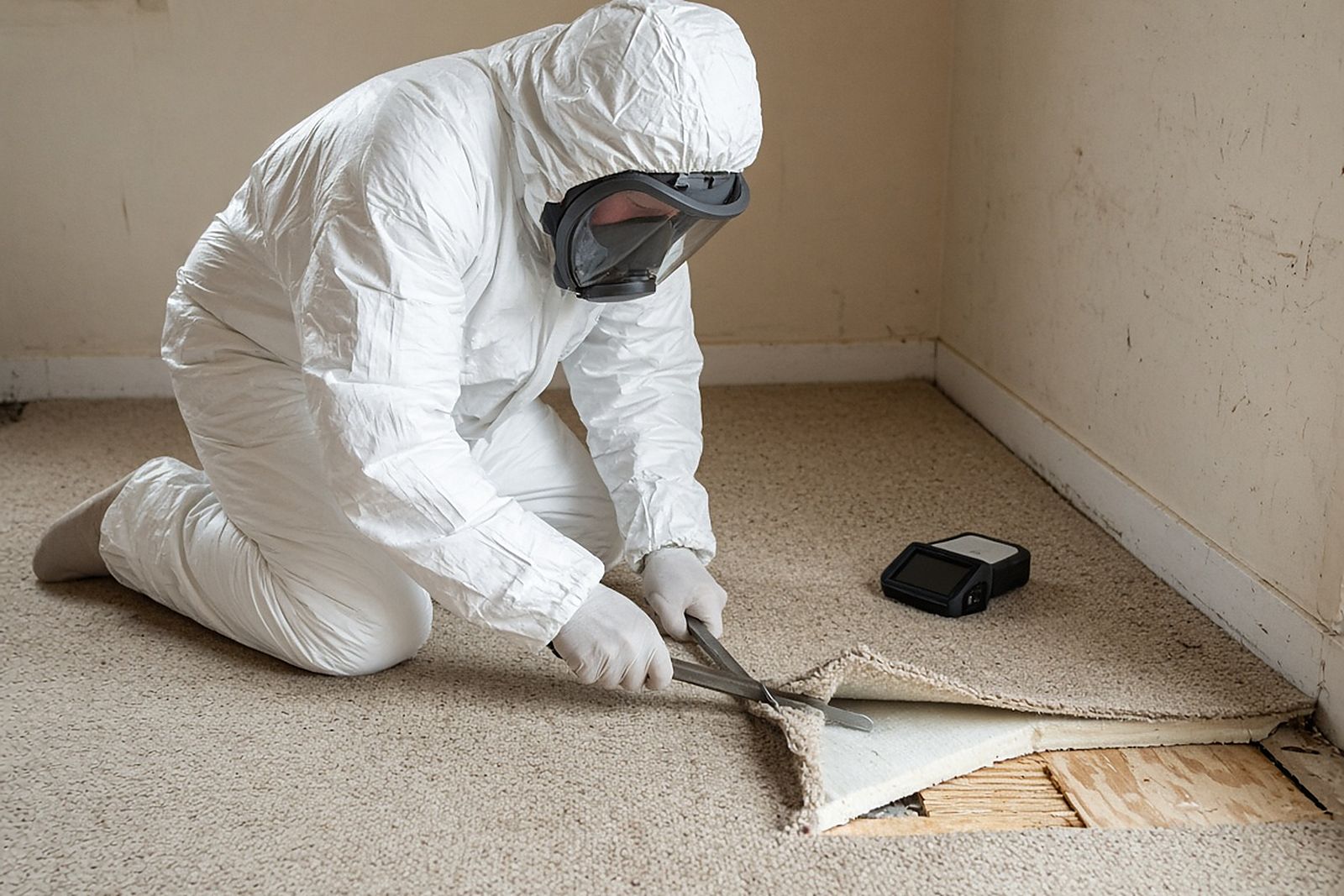
Technician in a full-face respirator cutting back carpet and pad to expose the subfloor
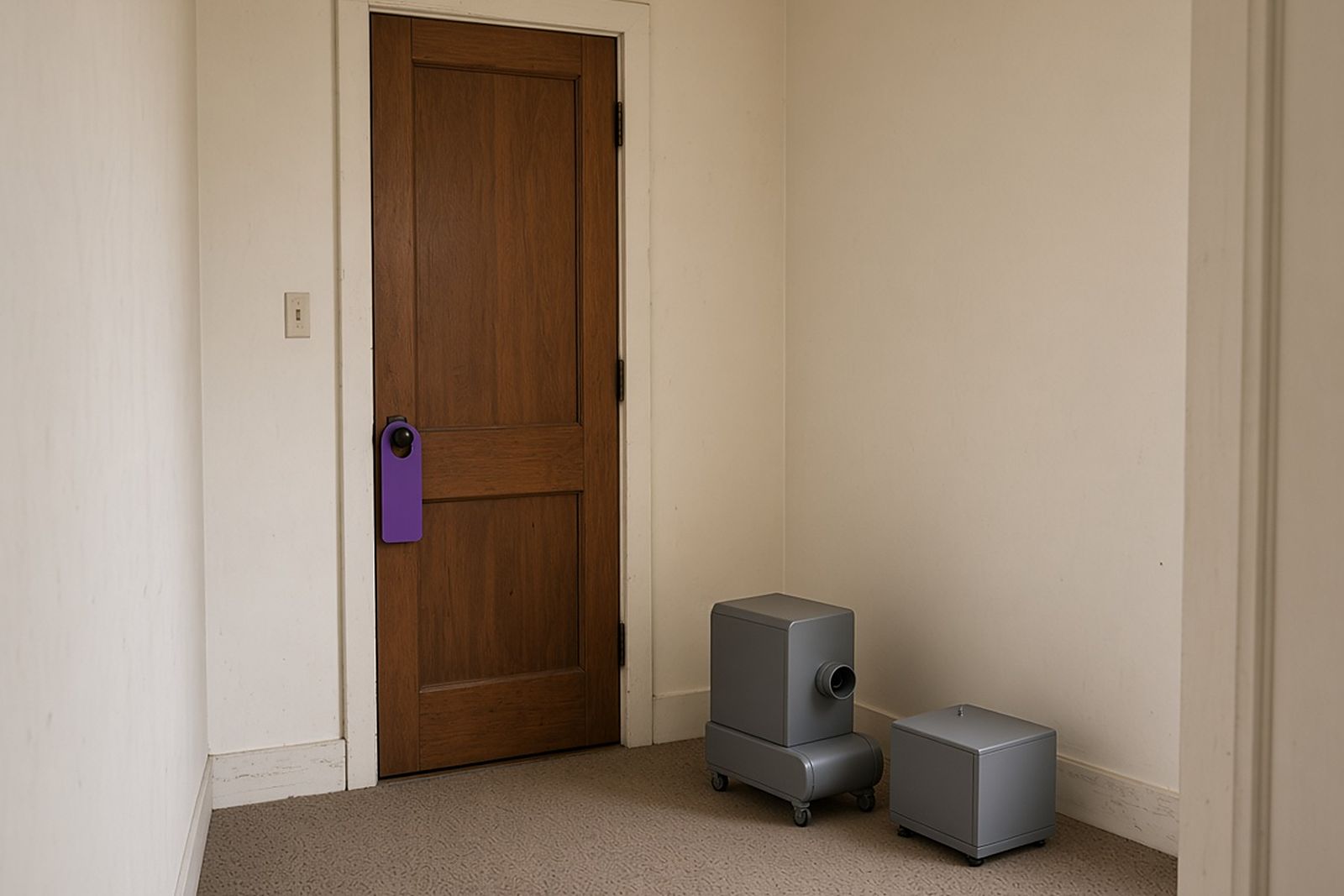
Air-filtration and odor-control units staged outside a closed door with a do-not-enter tag on the handle

Facts worth knowing

  • In a Swedish survey of suicide-bereaved parents, some who regretted viewing their child's body wished they had been better prepared for it.

    Why it matters: Before a viewing, you can ask staff to describe exactly what you will see so nothing comes as a shock.

    Source: Omerov et al., 2014

  • In a small UK interview study, the cost of storage led some bereaved relatives to throw away belongings they wanted to keep.

    Why it matters: Before clearing, you may want to price storage and pick out the few things that matter most to keep.

    Source: Hansford et al., 2022

  • In a UK interview study, 35 of the 49 bereaved people who chose to view or identify the body said it was the right decision; nine had mixed feelings.

    Why it matters: If you are unsure about viewing, it may help to know most people in this small study felt they chose right.

    Source: Chapple et al., 2010

Tools that help right now

What would you do?

Poll results

Vote to see how other people answered. You can change your answer at any time.

Your experience

As a landlord, how long would you wait for the tenant's family before arranging cleanup yourself?

Be the first to vote
Process

Which part of an unattended death project would you find hardest to manage?

Be the first to vote

Need help in Southampton?

Send a short message about the property to the follow-up inbox. A coordinator can reply by email with next steps.

Your request is sent to the follow-up inbox. A coordinator can reply by email.

If anyone is hurt or in danger, call 911 first.