Unattended Death Cleanup: Health & Wellness
Privacy, decision-load, trauma-aware communication, and verified support resources for people managing unattended death cleanup. Educational remediation content is not mental-health treatment.
The health and wellness category speaks to the emotional side of an unattended death. That often includes guilt, shock, and hard questions about why nobody knew sooner. Posts cover ways to handle stress and disruption during cleanup. They explain how to limit what you see or smell. They also show where to find grief support, counseling, and mental health help. Some articles are written for landlords and neighbors, who may be affected more than they expected. Others speak to the strain of handling a loved one's affairs from far away. They show how to share tasks among family or friends, so no one person carries every call and choice alone.
Get an email reply about unattended death cleanup
Send a short message to the follow-up inbox. A coordinator can reply by email. This form does not send emergency help; call 911 first if anyone is in danger.
People react to a late discovery in many ways, and none of them are wrong. Some people want to be part of every choice. Others need to hand the home to an executor or provider and step away. These posts respect both choices. Taking care of your own health can make the practical choices easier. That is why this category sits next to the process and cost articles, not somewhere apart. Several posts also suggest small, concrete steps that can ease the strain while the work goes on for days or weeks. Examples are asking the provider for text-only updates, or limiting how often you visit the home.
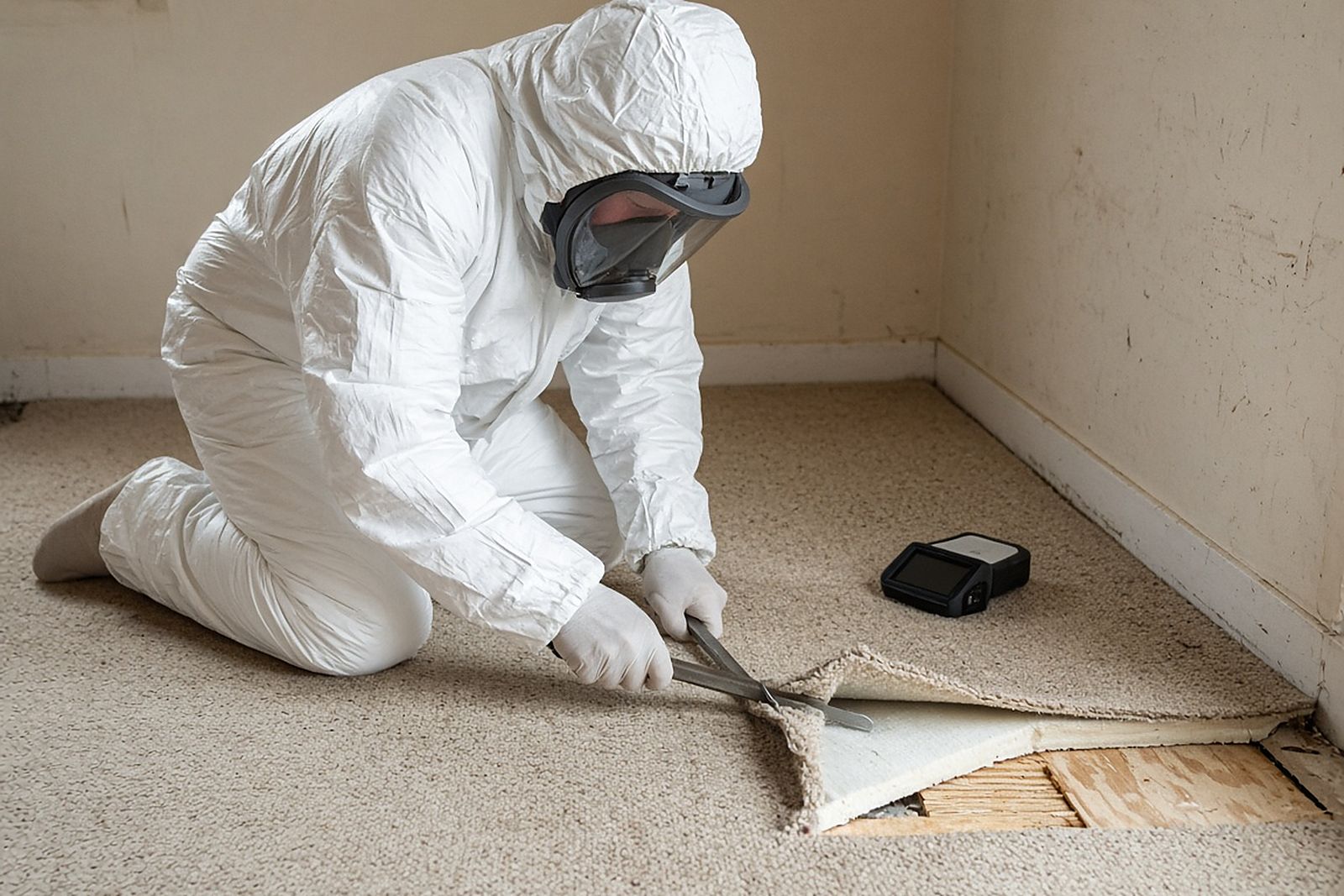
Managing Stress and Disruption During Unattended Death Cleanup
Coping with guilt, distance, lingering odor memories and estate stress during unattended death cleanup, for families, executors, landlords and neighbors.
Unattended death cleanup often brings guilt about the delay in discovery, strain from managing things at a distance and distress tied to smells or sights at the property. You can ease it by delegating on-site tasks, asking for clear remote updates, avoiding the scene before cleanup, sorting estate items in stages and seeking support. Landlords and neighbors can be affected too.
Mental Health Resources During Unattended Death Cleanup
Emotional support after a loved one died alone and was found late: easing guilt, deciding what to see, help for executors and neighbors, and when to call 988.
When someone dies alone and is found days or weeks later, relatives, executors, landlords and neighbors can all feel shock, guilt and grief. Support can come from grief counselors, doctors, hospice bereavement programs, faith groups, workplace assistance programs and trusted people. You never have to see the home or photographs. If you are thinking about harming yourself, the 988 Lifeline is available by call or text.
Sourced figures on health & wellness
- 2.6%
Hoarding disorder affects about 2.6% of the population, with higher rates in people over 60.
Read with care: Prevalence estimates range 2-6% across studies.
Source: American Psychiatric Association (2024)General population prevalence estimate
- 16.2 million
About 28% (16.2 million) of community-dwelling U.S. adults aged 65 and older lived alone in 2023, including 33% of older women.
Read with care: Excludes nursing-home residents.
Source: Administration for Community Living (2023)United States, adults 65+ living in the community (not institutions), 2023
- 39.7 million
In 2025 there were 39.7 million one-person households in the United States, 29% of all households, up from 20% in 1975.
Read with care: Household counts, not persons; includes all ages.
Source: U.S. Census Bureau (2025)United States, households, 2025 Current Population Survey
These figures are public research and agency data, not this network's own job records. Keep each number with its population, year and limits; none of them predicts cost, timing or outcome at a specific property.
What research has found
Findings from published studies of people and properties in situations like this one. They describe what researchers observed in a specific group; they are not predictions for your case.
Relatives continued interpreting the deceased person's intentions after the encounter.
Transport costs made moving a deceased relative's belongings harder.
Health & Wellness: common questions
Is it normal to feel guilty that nobody found my relative sooner?
Many families feel that way. The feeling can be strong even when nobody could have known. It may help to talk it through with a grief counselor, a support group, or a trusted friend. If the feeling becomes too much, or you think about harming yourself, contact a crisis line, your doctor, or emergency services. You do not have to carry it alone.
Can the smell affect my health or mood after I leave the property?
Strong odors can cause short-term headaches, nausea, or trouble sleeping, and smells are closely tied to memory, so a scent can bring back distress later. Change clothes and wash after any visit, and give yourself time to rest. If symptoms last or worry you, talk with a clinician.
How can a landlord or neighbor get support after finding someone?
Finding a death can affect anyone, even without a close bond. An employee help program, a counselor, or a local grief group can help. Talking with others who have been through something similar may ease the shock. If upsetting images or poor sleep go on for weeks, mention them to a doctor or counselor.
How can I cope with the smell staying in my memory?
Smell is strongly tied to memory, and some people notice the odor in their mind long after leaving the property. This often fades with time. Fresh air, familiar scents, and time away from the property can help. If the memory brings distress, intrusive thoughts, or trouble sleeping, talk to a doctor or counselor who can help you work through it.
Is it all right to let someone else handle everything?
Yes. Handing the practical work to a relative, friend, attorney, or professional fiduciary is a reasonable choice, especially if you are grieving or overwhelmed. You can still be consulted on important decisions such as keepsakes. Taking a step back does not mean you care less. It can give you room to grieve in a way that feels right for you.
What can I do if I feel numb rather than sad?
Numbness is a common response to shock and sudden loss, and it can last for a while. It often gives way to other feelings over time. Try to keep basic routines and let people you trust know how you are doing. If numbness continues for a long time or makes daily life hard, talking with a doctor or counselor can help.
Are there resources for children affected by an unattended death in the family?
Yes. Many hospice programs, schools, and community groups offer grief support for children, including groups and counseling. Children's doctors can suggest local help. Talk with children honestly, using words that fit their age, and let them ask questions. Adults who are supporting children also need support themselves. So take care of your own well-being too.
Related community polls
Every count is a real visitor vote; nothing is seeded or padded. One vote per poll per device, and you can change your answer.
As a landlord, how long would you wait for the tenant's family before arranging cleanup yourself?
Which part of an unattended death project would you find hardest to manage?
More on unattended death cleanup
Unattended Death Cleanup services
Learn what cleanup after a late discovery involves. It covers tracing how far fluid soaked into the subfloor, odor treatment, listing belongings, and move-back-in records.
Costs explained
What drives the price, published cost ranges, and how to read a written quote line by line.
Insurance and payment
Which policies may respond, how to document a claim, and what to do if coverage is denied.
Planning tools
Six tools for landlords, executors, and families caring for a property after an unattended death. They help from the first day through waste records and claims.
Community polls
See how other landlords, executors, and relatives handled belongings, talking with tenants, telling buyers, and subfloor choices. Share your own view without giving your name.
Knowledge quiz
Test what you know about odor signs, who is in charge, closing off rooms in shared buildings, taking out soaked materials, waste records, and final sign-off papers.
Field guides
Guides for landlords and executors. They cover access, who is in charge, telling the insurer, how long to hold belongings, and when people can safely move back in.
City guides
Find cleanup providers by city and state. Then check their licenses, waste handling, and how they inspect the subfloor yourself before you approve any work.