Short answer
Unattended death cleanup often brings guilt about the delay in discovery, strain from managing things at a distance and distress tied to smells or sights at the property. You can ease it by delegating on-site tasks, asking for clear remote updates, avoiding the scene before cleanup, sorting estate items in stages and seeking support. Landlords and neighbors can be affected too.
Why do I feel so guilty that they were not found sooner?
Guilt is one of the most common reactions when someone dies alone and is not discovered for days or weeks. Relatives often replay the last phone call, count the days since they last visited or wonder why they did not notice the silence. Neighbors and friends can feel the same way.
It helps to remember how common living alone has become. The U.S. Census Bureau reported 39.7 million one-person households in 2025, which is 29% of all households. Many of those people are independent, private and content with their routines. That is a pattern across society, not a verdict on your family.
Grief counselors often point out that guilt is a form of love looking for somewhere to go. If you find those thoughts are constant or harsh, talking with someone can help you hold them more gently.
Going into the home before it is cleaned
In most cases, it is better not to go in before cleanup. After a delayed discovery, the affected area can include strong odors, stains and insects that are difficult to forget. Many people who enter before cleanup later describe those sensory memories as some of the most distressing parts of the experience.
If you need documents, keys or medication from the home, ask the cleanup company or a trusted helper to retrieve them for you. If you must go in yourself, stay out of the affected room, wear a mask and limit the visit to what is truly necessary.
Smell is closely tied to memory, and some people find that a whiff of something similar months later brings back strong feelings. That reaction is normal. If it becomes frequent or overwhelming, mention it to a counselor.
Pets are another concern. If the person had a dog or cat that survived, the animal may need veterinary care and a new home, and caring for it can bring both comfort and sorrow. Ask a neighbor or local animal shelter for help if you cannot take the pet right away.
Managing it all from far away
Many relatives of people who die alone live in other cities or states. Managing a cleanup, a funeral and the start of an estate from a distance is exhausting, and not being able to see the home can make it feel unreal.
Ask the cleanup company to name one coordinator, agree on how often you will hear from them and request photos at key stages if you want them. Some people prefer only a final summary. It is perfectly fine to say which you would like.
Remember that you are allowed to pause. When calls from banks, utility companies, landlords and cleanup coordinators pile up, it is reasonable to let some wait a day. Very few of these tasks become more harmful with a short delay once the home is secured and cleanup is scheduled.
- Keep all calls, names and reference numbers in one place
- Ask a local friend, neighbor or property manager to be the on-site contact
- Request written approval steps for any change in scope
- Set a daily time for handling estate tasks so they do not take over every hour
Why sorting the estate is so draining
An unattended death often leaves a home just as the person lived in it: mail on the counter, a coffee cup by the chair, clothes in the closet. Sorting through those things can feel like stepping into the middle of a life that stopped without warning.
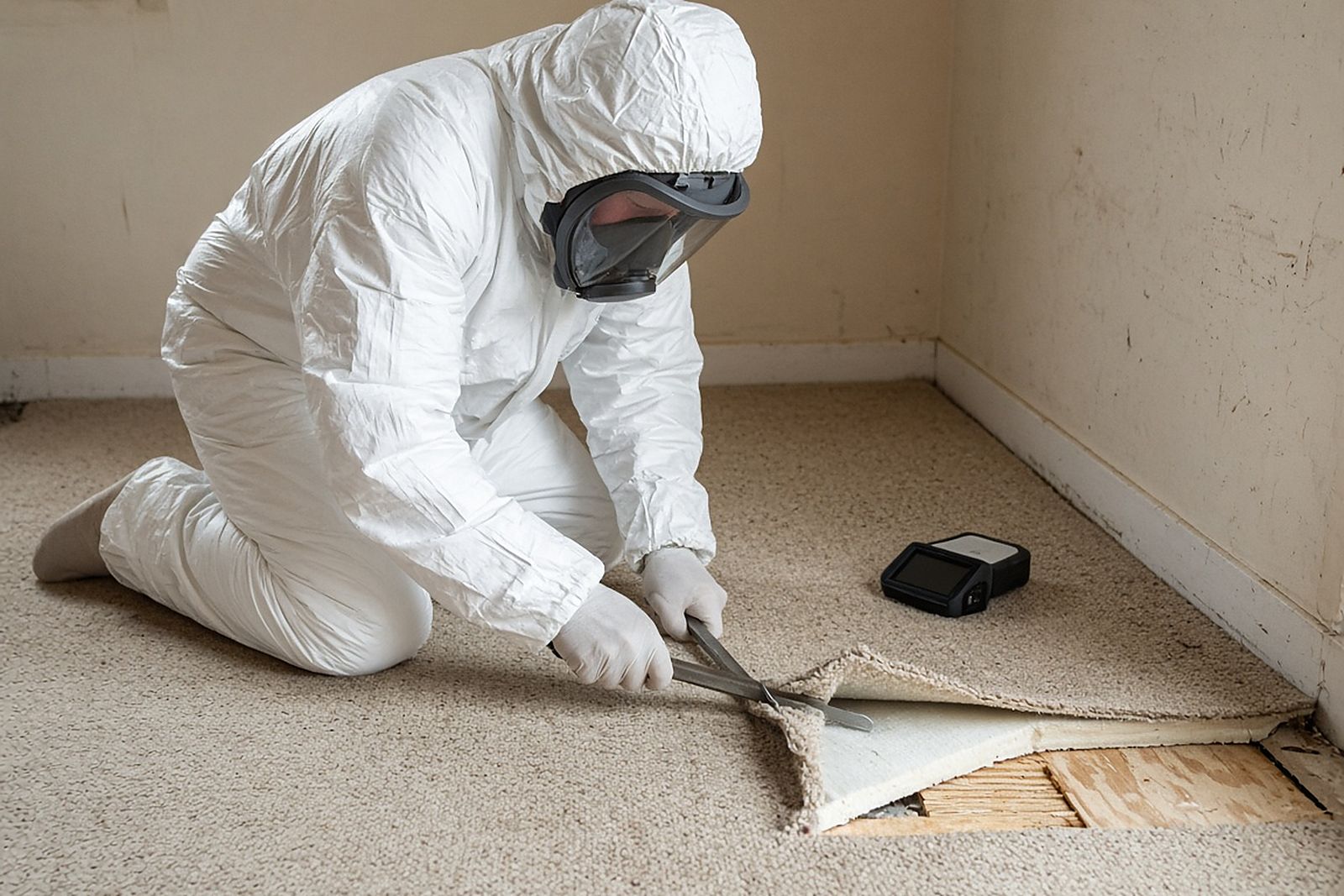
Ask the cleanup crew to set aside documents, photos, valuables and keepsakes so they can be reviewed later, away from the affected area. Items that cannot be safely saved should be discussed with you before they are discarded, and photographing them first is often possible.
When it is time to go through the rest of the home, spread the work over several visits if you can, and invite someone to help. Deciding what to keep does not have to be finished in a weekend. Some families hire an estate sale company or organizer for the final stages so they can focus on the items that matter most.
Is it normal for landlords and neighbors to be upset too?
Yes. Landlords and property managers may have known the tenant for years. They may also be the ones who opened the door when concerns were raised. That experience can linger long after the unit is cleaned and repaired.
Neighbors, especially in apartment buildings, may feel shaken if odor or insects reached their homes, or if they wonder whether they should have noticed something. Some feel sad that they did not know the person better.
If you manage the building, brief communication can help. A short note that a resident has passed away, that professionals are handling the cleanup and that anyone with concerns can contact the office usually reassures people without sharing private details. Pointing neighbors toward local grief or counseling resources is a caring touch.
Making the first visit after cleanup easier
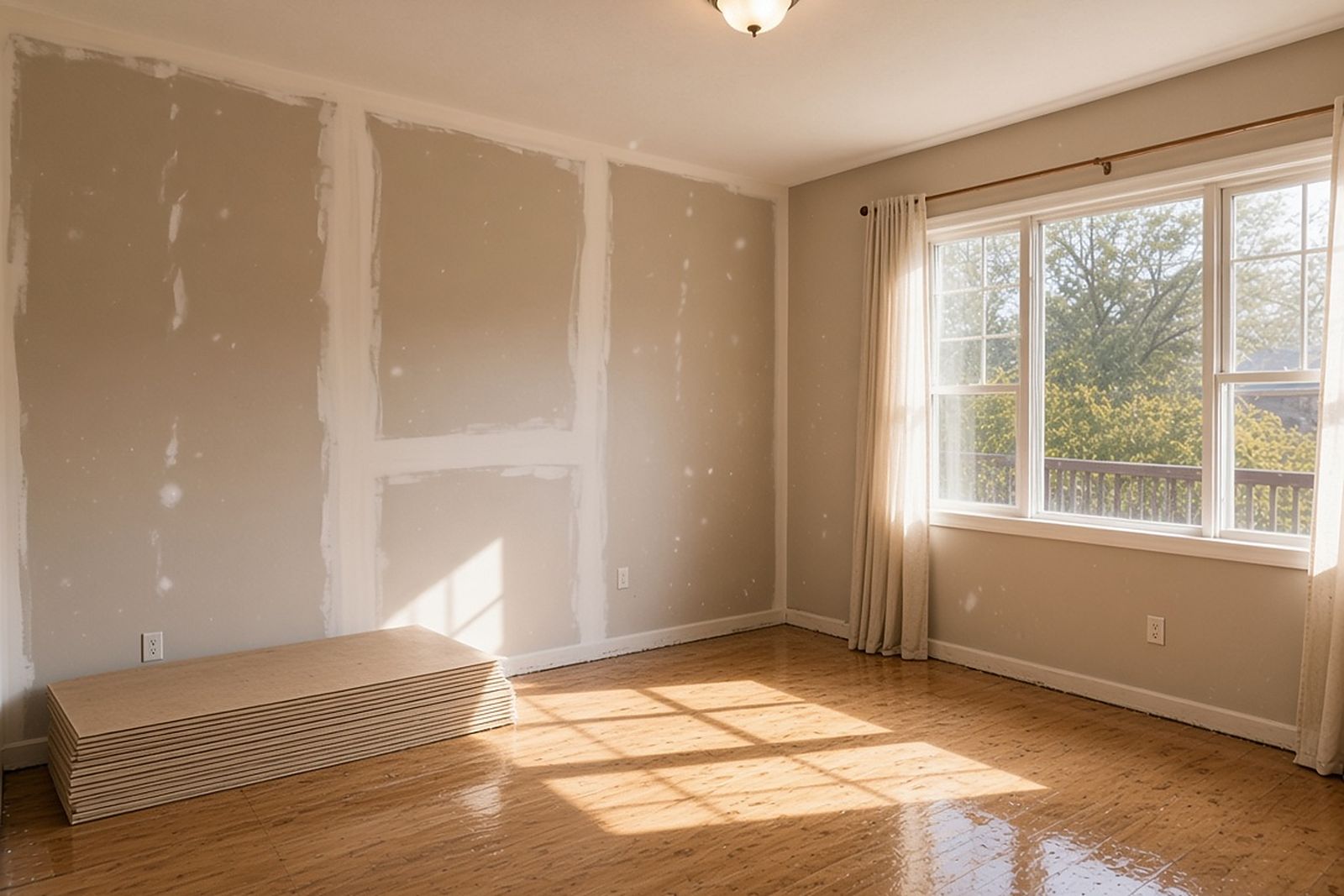
Once the work is done, the home may look emptier than you expected, especially if flooring or furniture was removed. That can be jarring. Knowing in advance what was taken out and what repairs are pending helps prepare you.
Bring someone with you, plan a short first visit and focus on one task, such as collecting a box of saved belongings. Twenty minutes inside, with a friend nearby, may be all the first visit needs to be. Opening windows and turning on lights can make the space feel more ordinary. If the home still has a faint odor, ask the cleanup company about it rather than assuming you must live with it.
Some families hold a small moment of remembrance in the home, such as sharing a story or lighting a candle, before they begin sorting. Others simply want to get the practical work done. Either is fine.
If you plan to sell or rent the home later, try not to let that goal rush the emotional side of the process. Repairs can be scheduled once you have had a little time. A clean, safe property is enough of an achievement for the first few weeks.
Keeping family decisions from turning into conflict
Stress after an unexpected death can strain even close families. Siblings may disagree about who should be in charge, how much to spend on cleanup, which belongings to keep or whether to sell the home. Old tensions can resurface when everyone is tired and grieving.
Clarity about roles helps. If a will names an executor, that person generally has authority over estate decisions, including hiring a cleanup company. If there is no will, a court may appoint an administrator. Until someone has legal authority, it is wise to limit decisions to what is urgent, such as securing the home and arranging cleanup, and to keep everyone informed. A probate attorney can explain who holds authority where the person lived.
Sharing information openly can prevent misunderstandings. Forward the cleanup scope, photos and inventory to all close relatives, or place them in a shared folder. When people can see what was saved and why some items were removed, they are less likely to suspect that something was hidden or lost.
If disagreements grow, a neutral third party such as a mediator, estate attorney or trusted family friend can help. The goal is to honor the person who died without letting the practical work damage the relationships they left behind.
When to reach out for more help
Grief after an unattended death can be complicated by shock, guilt and the practical burden of handling an estate. If sleep, appetite, work or relationships are suffering for weeks, or if you cannot stop picturing the scene, it is a good time to talk with a doctor, counselor or grief support group.
Hospice organizations often run bereavement groups open to the community, even if your loved one was not in hospice care. Faith communities, employee assistance programs and local mental health centers are other options. If you ever feel so low that you think about harming yourself, call or text 988 to reach the 988 Suicide and Crisis Lifeline.
Take care of the basics while you handle everything else: meals, rest, a little time outside. The estate and the house can wait a day. Your well-being matters too.