Field guide
Unattended Death Cleanup: Remediation Versus Reconstruction
Keep death cleanup separate from rebuilding. Use careful openings, clear material choices, source-first odor work, a final report, and clean handoffs.
For: Families, estate representatives, owners, landlords, property managers, insurance adjusters, cleanup companies, and builders.
Organizational editorial byline · Updated 2026-08-01 · Verify case-specific requirements with the responsible authority.
Ask about your situation
Your request is sent to the follow-up inbox. A coordinator can reply by email. Not for emergencies; call 911 first if anyone is in danger.
Direct answer
What is the practical approach?
Unattended death cleanup deals with the affected area once officials release it. It covers the site check after a delayed discovery and controlled access. It covers removing or cleaning affected materials and decisions on belongings and waste. It also covers work on odor sources and a written record that the work is done. Rebuilding replaces removed flooring, walls, cabinets, insulation, fixtures, or finishes. It makes the room work and look right again and meet any building rules. One contractor may do both jobs, but the scope and sign-off for each must stay separate. Before anything is covered, record the bare surfaces and how far fluid soaked in. Also record materials kept, products used, the inspection, and limits. A remodeled room can look finished and still have no proof that the hidden cleanup area was dealt with.
Give cleanup and rebuilding different finish lines
The cleanup finish line explains the final affected area and the materials removed and kept. It explains the methods, how belongings and waste were handled, and what the testing was based on. It also lists any limits and problems not yet solved. The rebuilding finish line explains what was replaced, sizes, and finish choices. It covers permits or inspections when they apply, whether things work, the final fix-it list, and the warranty. Both can fall under one contract, but they should never be merged. Cleanup can be done while a room is still open and unfinished. Rebuilding can look done while leaving no record of the surface it covered.
Make a stage map for each room. The stages are the official release, the check, careful opening, cleanup, a pause point after cleanup, rebuilding design, rebuilding, and property sign-off. Name the person who can move each stage forward and the proof they need. This keeps schedule or insurance pressure from becoming permission to cover open work. It also lets you fairly compare a cleanup specialist, a general contractor, and a company that does both. No one type of company is better by default.
Open walls and floors carefully to learn how far fluid soaked in
After a delayed discovery, fluid can reach the carpet pad, subfloor seams, and raw edges. It can reach the wall base, spaces inside cabinets, nail and screw holes, lower floors, or complex furniture. The first removal should name the spot, the layer, how it will be reached, and the most that will be removed. It should list safety steps, photos, when to stop, and who decides. Once the layers can be seen, any extra work should tie to what was found and a written change. "Remove as needed" doesn't give an owner a fair price. It doesn't protect parts of the building that could be saved.
Record the order of layers and the reason for each removal. Keep three things apart. One is material affected by the death. Another is material removed only to get access. The last is material damaged by earlier problems. Structural parts, utilities, possible asbestos or lead, and unusual finishes may need other qualified professionals. Label and track trim, doors, hardware, belongings, and matching materials that are being kept, and protect them. Rebuilding wishes can shape what is saved. But looks can't override the need for a cleanup finish line that can be reached and recorded.
Settle the source and materials before treating odor
Looking into odor belongs mostly to the check and cleanup stage. Map affected material, drains, pests, moisture, heating and cooling (HVAC) links, nearby spaces, trash, and other likely sources. Remove or deal with affected sources you can reach before judging any support treatments. Fresh air, filters, odor-absorbing products, cleaning, sealing, and special treatments each have limits. Air freshener or a room left empty for a while can't show that a subfloor or the join between wall and floor is resolved. Set out when follow-up will happen instead of promising the odor is gone for good.
Rebuilding materials can add or change odors and air flow. That is why a record made before surfaces are covered is so important. New paint, flooring, glue, cabinets, insulation, temperature, and air flow can hide smells or create new ones. If odor comes back after rebuilding, the team needs the original map and photos of the open layers. They also need a record of what happened to each material and which building products were used. With those, they can look into it sensibly. Without records for each stage, everyone can blame someone else while the real question goes unanswered.
Close out cleanup while bare surfaces can still be seen
Set a pause point before underlayment, insulation, drywall, flooring, cabinets, coatings, or belongings cover key surfaces. Review the final map, changes, and the record of what was removed and kept. Review product details, waste papers when they apply, photos, a check of the joins, and targeted measurements. A visual check can't see inside closed spaces. A quick swab test that shows leftover organic residue (it does not detect germs) won't find every germ. Air testing can't show what happened to surfaces. Odor is not a general all-clear test. Use each tool only for the question it can answer, and know its limits.
The approved reviewer should sign off or record the sign-off, any fixes, or any limits still in place. If one company does both stages, use a named internal reviewer and a time stamp. Don't just switch crews quietly. If a separate builder takes over, hold a handoff and give them a packet with private details limited. The builder should confirm the open condition before covering it. They should stop if later work shows something that doesn't match. This one visible decision point protects the owner, the cleanup company, and the builder.
Write a new rebuilding plan from the recorded condition
The builder should plan replacements based on sizes, building layers, structure, moisture, utilities, and code. The plan should also cover permits, fire safety, access, finish matching, what materials are available, the needs of the people living there, and the approved design. What was removed during cleanup doesn't decide on its own what gets replaced. A finish may be discontinued, or a wall or floor may need an upgrade. An insurer may treat upgrades differently. List allowances, lead times, what is left out, inspections, short-term protection, and change orders. Don't carry over a vague "restore" line.
Construction must protect the cleaned area from dust, traffic, wet materials, tools, debris, pests, and uncontrolled air flow. Set the setup area, access, temporary barriers, daily cleaning, and key control. Decide who is responsible for damage to kept surfaces or belongings. If the builder finds stains, moisture, odor, insects, or a layer that wasn't recorded, pause and write it down. Don't cover it. Don't assume it belonged to the earlier job without checking that exact spot.
Keep belongings, costs, coverage, and warranties separate
Belongings may move through several steps. That can mean getting essential items, family decisions, cleanup, special restoration, storage, and return after construction. Track item numbers, condition, approval, custody, packing, destination, and final placement. Builders may need sizes or protection instructions, but not graphic details of what happened. Construction dust or handling can damage cleaned items. So decide when belongings come back and who accepts them. Firearms, medicine, legal records, digital devices, and possible evidence need a separate approval or specialist decision.
Split estimates and bills into parts. Include the check, short-term fixes, cleanup, belongings, waste, testing, rebuilding labor, materials, permits, allowances, storage, and costs of temporary housing or lost use. Insurance coverage is a policy decision. It is not a test of whether the work is done. Each contractor should warranty only the work it did and list what is left out and any notice rules. Neither cleanup nor construction warranties should promise the space is germ-free or will never smell again. They shouldn't promise control of future leaks, pests, occupants, or hidden problems outside the record.
Give one master timeline without mixing the proof
The owner's final file should link each step. That starts with the official release, the check, the approved cleanup plan, changes, and material decisions. It continues with belongings, products, waste, testing, and sign-off at the pause point. It ends with the rebuilding design, permits or inspections, finish sign-off, and work not yet done. Keep each stage's papers whole, and track versions when fixing mistakes. A photo of the finished room doesn't replace proof of the bare surfaces. A cleanup report doesn't prove the rebuilding meets code. The master timeline shows the handoffs. It doesn't erase the differences between the stages.
Final property sign-off should list closed-off spaces and any follow-up, each with a responsible person. Follow-up may cover maintenance, monitoring, utilities, pests, insurance, the estate, or officials. Give each person only the private details their role needs. A future manager or contractor should be able to understand the final report without the original salesperson. Clear records like this cut down on disputes. They name the exact decisions instead of repeating vague service promises.
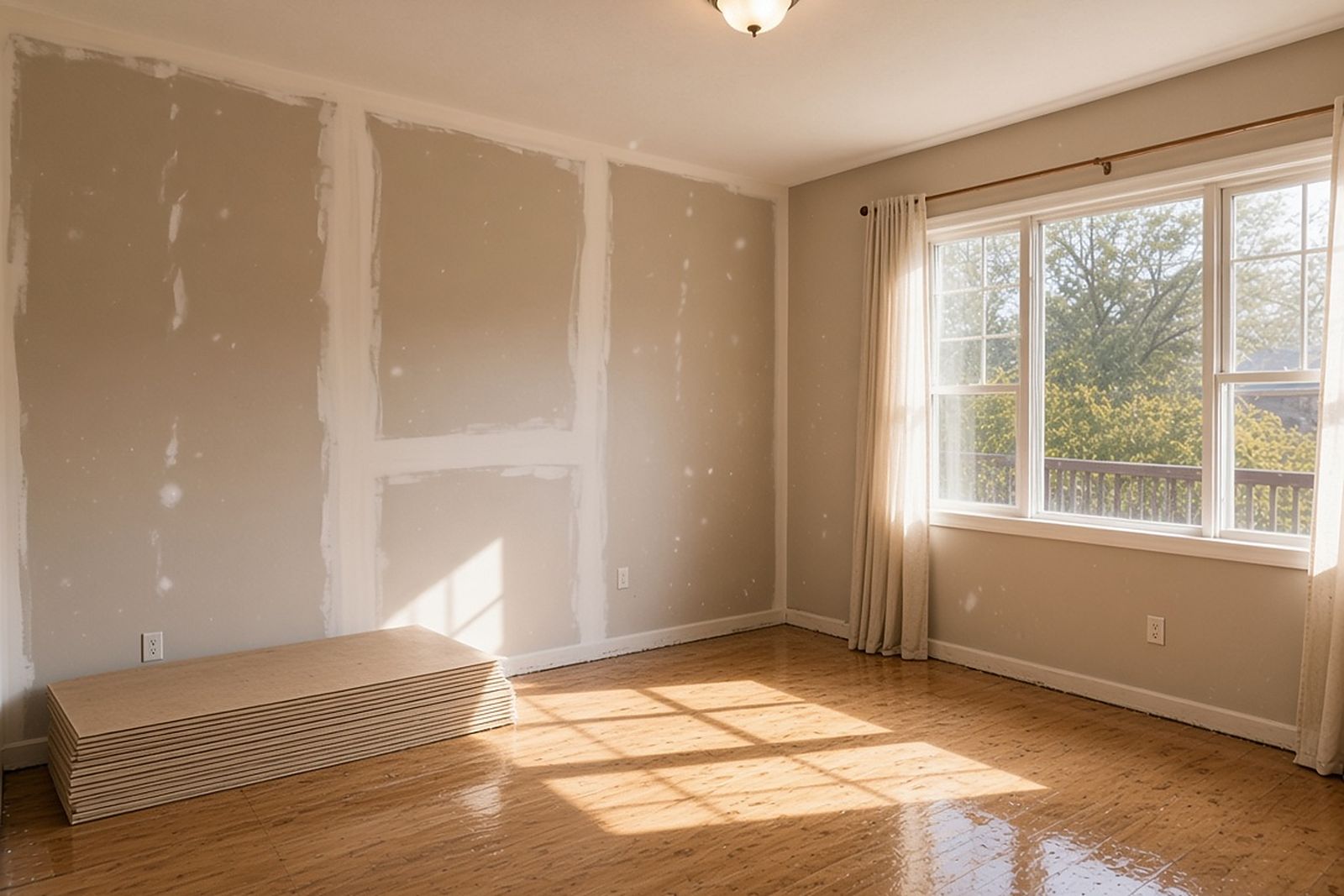
Decision table
Keep a clear line between the two stages.
| Decision | Cleanup proof | Rebuilding proof |
|---|---|---|
| Work area | Delayed-discovery map, how far fluid soaked in, openings, what is left out | Parts to replace and areas to finish |
| Removal | Affected material or reason for access, by location | Tear-out needed for replacement or code work |
| Sign-off | What happened to materials, products, inspection, testing limits | Function, finish, permits, inspections, fix-it list |
| Odor | Search for the source and choices about sources you can reach | Record of new products and air flow after rebuilding |
| Handoff | Final check with surfaces open, and any limits | Builder confirms before covering |
| Warranty | Cleanup work done and what is left out | Installed materials and construction terms |
Action checklist
- 1Map separate finish lines for cleanup and rebuilding.
- 2Name who approves each stage.
- 3Set limits and stop points for opening walls and floors.
- 4Photograph layers, joins, and reasons for removal.
- 5Settle the source and materials before odor treatments.
- 6List belongings and matching parts being kept.
- 7Set a pause point after cleanup, before surfaces are covered.
- 8Give the builder a handoff packet showing the bare surfaces.
- 9Write a new construction plan with permits and allowances.
- 10Protect cleaned areas during building work.
- 11Keep pricing, coverage guesses, and warranties separate by stage.
- 12Finish with a master timeline and a list of who is responsible.
Questions and answers
Does unattended death cleanup include new flooring?
Only when replacement is clearly included. Cleanup may remove carpet, pad, subfloor, trim, or other layers to deal with affected material and record the surface below. Rebuilding picks and installs replacements under separate terms for finish, function, price, code, and warranty. Require a cleanup report before new flooring covers the work, even if one company does both stages.
Can a contractor seal a subfloor instead of removing it?
That depends on what was seen and how far fluid soaked in. It also depends on whether the area can be reached, the material's condition, the product, why it is being sealed, and the sign-off plan. A coating should not hide a source that hasn't been dealt with. It should not replace removing heavily affected material and cleaning. Ask for the reason to keep the material, the prep method, product directions, photos, limits, and follow-up. If the layer can't be checked or treated to a clear finish line, careful removal may be the better choice.
Why must rebuilding wait at a pause point?
The pause keeps surfaces, seams, hollow spaces, and joins open while the cleanup proof can still be checked. Once new material covers them, fixing or proving anything gets harder and costs more. Set the needed map, photos, material record, products, waste proof, inspection, testing, reviewer, and response time. Other work outside the area may go on if the plan allows it.
Who pays for hidden damage found during rebuilding?
Payment depends on contracts, approvals, insurance, cause, and who is responsible. There is no single answer. Before covering or removing it, record the new problem and where it is. Note how it relates to earlier work, the options, the price, and the schedule. The original rules for exploring and for change orders should show who can act. Don't assume coverage or fault just from when the problem was found.
Can a finished room still have an odor problem?
Yes. Odor can come from hidden material, drains, pests, moisture, nearby spaces, or the HVAC. It can also come from new coatings, glue, furniture, temperature, or air flow. Look into it using the cleanup and rebuilding records instead of assuming one cause. A finished look and no smell right away don't prove every hidden condition. Write down new findings and reopen only the decision that is affected.
Should I get photos of the open subfloor before rebuilding starts?
Yes. Photos of the open substrates, taken after remediation and before anything is covered, are some of the most useful records you'll have. They show what was removed, what stayed, and the condition the builder started from. Ask for captions with the room, location, and purpose of each photo. Keep them with the remediation closeout, because they can answer questions later about odor, a sale, or an insurance review.
Can the same type of flooring be installed again?
Usually, yes. The concern is the condition underneath, not the flooring product itself. Once the remediation closeout confirms the substrate was addressed and accepted, the builder can install whatever the owner chooses. Some owners pick easier-to-clean or moisture-resistant materials for peace of mind, but that's a design choice. Just make sure the builder has the closeout package and installs over the accepted condition.
Primary sources and scope
These sources support specific safety or process statements. They do not certify a provider, establish a universal property-clearance standard, or replace local requirements.
Use this guide with the planning tools
Open the insurance claim organizer to keep the paperwork orderly from the first call to the carrier decision. When you are ready to compare providers, the vetting checklist turns the questions in this guide into a list you can send.
Related articles
 How Long Does Unattended Death Cleanup Take?Unattended death cleanup takes as long as the home's condition requires, and the biggest factor is how long the person went undiscovered. Longer intervals mean deeper fluid migration, more structural removal, insect activity and stubborn odor. Confirming who can authorize work, locating estate documents, coordinating with neighbors or associations and arranging repairs add time. Only an on-site assessment gives a reliable schedule.
 10 Unattended Death Cleanup Safety Risks to Assess Before Work BeginsBefore unattended death cleanup begins, someone trained should assess ten risks: pathogens and bacteria, strong odor vapors, subfloor weakened by saturation, insects and pests, mold and moisture, medical sharps, clutter and heavy contents, utilities and appliances left running, contamination reaching neighboring units, and the emotional weight on family members. Each should be identified in the walkthrough and matched to a clear control.What Drives Unattended Death Cleanup Cost?Unattended death cleanup cost is driven mainly by how long the person went undiscovered, because time determines how far fluids traveled into flooring and walls, how strong odor became, and whether insects spread. Room temperature, building materials, clutter, access and the amount of belongings to sort also matter. An on-site assessment and itemized scope, not a phone quote, will tell you the actual cost.
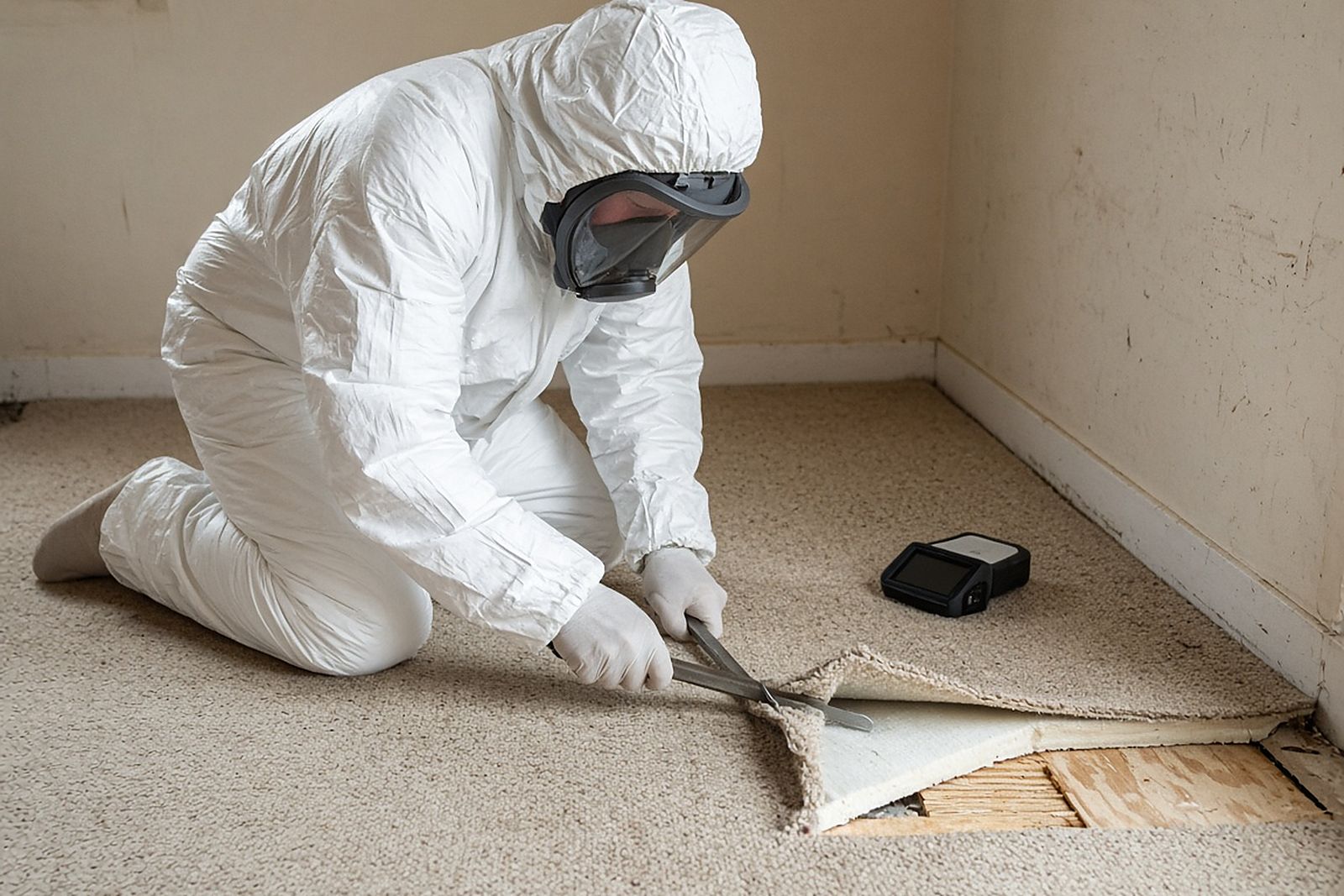 10 Questions to Ask Before Hiring an Unattended Death Cleanup CompanyBefore hiring an unattended death cleanup company, ask about their experience with delayed discovery, how they find hidden fluid spread, how they remove and verify odor, whether they treat insects, how they sort documents and valuables for the estate, how they update family members who live far away, who signs the contract, how changes are approved, how waste is documented and how they coordinate with landlords and neighbors.The Difference Between Cleaning and Disinfection in Unattended Death CleanupIn unattended death cleanup, cleaning removes decomposition fluids, residue and debris; disinfection applies a registered product for its full contact time to inactivate remaining pathogens; and deodorization addresses odor after the source is gone. Because fluids spread into porous and hidden materials over time, those materials are usually removed first. Sealers and fragrances are finishing tools, not substitutes for cleaning or disinfection.Urgent Unattended Death Cleanup: What to Do Before a Provider ArrivesIf you suspect someone has died alone, do not force your way in; call 911 or the police non-emergency line for a wellness check. After the medical examiner releases the home, keep doors and windows closed, leave HVAC off, avoid entering, do not spray or use air fresheners, keep pets out, notify the landlord or neighbors, and confirm who has legal authority to hire a cleanup company.