Field guide
Unattended Death Cleanup: Rental Turnover Guide
A plain landlord guide to turning over a rental after an unattended death. It covers the first call, release, estate items, cleanup, repairs, and re-renting.
For: Rental owners, property managers, tenants, estate representatives, housing operators, insurers, maintenance leads, and leasing teams.
Organizational editorial byline · Updated 2026-08-01 · Verify case-specific requirements with the responsible authority.
Ask about your situation
Your request is sent to the follow-up inbox. A coordinator can reply by email. Not for emergencies; call 911 first if anyone is in danger.
Direct answer
What is the practical approach?
Turning over a rental after an unattended death starts with a call to emergency services and an official release. After that, building, estate, and lease decisions each go their own way. Pause normal maintenance, trash-out, photos, and automatic listings. After release, check how long the tenant was undiscovered, the temperature, where fluid went, insects, and odor sources. Look at soft layers, belongings, nearby spaces, heating and cooling (HVAC), plumbing, and anything staff moved. Use a qualified cleanup company. It should cover worker safety, products, who holds belongings, waste, testing, and a final check while surfaces are still open. Estate access, the lease, deposits, liability, insurance, disclosure, and abandoned property need legal or contract review. List the unit again only after cleanup, pest and system work, rebuilding, security, and management sign-off are written down.
Pause automatic turnover steps during the emergency and scene control
If you can't reach a tenant, or something makes you worried for their safety, follow emergency services' directions. Don't send maintenance in. Pause work orders, key changes, movers, cleaners, and pest vendors. Also pause photos, inspections, utility changes, trash-out, showings, and online listings. Save lawful access records, smart-lock events, maintenance notes, related camera video, and calls. Note any pets, known occupants, and what responders told you. Staff should not open windows, move a person, gather belongings, or start deodorizing.
Name the people who will handle each role. That includes a contact for officials, a family or estate contact, a property signer, and an insurer contact. Add a cleanup lead, a construction lead, a person who holds the leasing pause, and a records keeper. Use neutral words such as "restricted unit" or "approved property work." Neighbors and applicants don't need details about the cause of death. Keep graphic details out of maintenance apps and group chats. Kindness shows up in how you work. Protect privacy, cut down on repeat calls, and don't make a grieving person handle every technical choice alone.
Keep scene release, the lease, the estate, and the building separate
Write down which agency or official released the unit, and the date and time. Record the exact unit and items released, and any limits still in place. Releasing the body does not always release personal property, electronic records, storage, vehicles, or every room. Responders leaving is not enough. Separately, find out who can approve entry, opening walls or floors, and building materials. Also find out who approves personal items, storage, disposal, bills, changes, and the final report. That depends on ownership, the lease, the estate, officials, and the law.
The cleanup company should not decide next of kin, whether property was abandoned, inheritance, deposit deductions, liability, disclosure, or ending the lease. Get qualified legal advice. Make a simple chart of who approves each step, and keep disputed items safe. The owner may make short-term fixes to the building within lawful authority while estate property stays untouched. Record each entry and decision. That way a turnover deadline doesn't erase anyone's rights or cause a later dispute over who had the items.
Check the delayed discovery, building paths, and staff movement
Write down what is known and unknown about timing. Note whether heat or air was on, and the humidity. Record visible matter, floor layers, wall base, cabinets, the bathroom, drains, belongings, and insects. Check the HVAC, plumbing, units below or next door, halls, stairs, elevators, laundry, storage, trash areas, and places you can't reach. Time affects conditions, but there is no single deadline for tearing things out. Odor is a clue to check, not the edge of the affected area. Look at seams and joins between materials. Don't price only the room surface you can see.
Map the routes of responders, the resident, pets, maintenance, cleaners, and movers. Include carts, vacuums, keys, linens, and waste. If staff moved property or equipment, find it and set it aside to be checked. Check nearby spaces only where there is a real path for fluid, air, insects, foot traffic, or service work. A shared wall or odor alone does not prove contamination. You still need lawful notice and access for neighboring units. Building-system questions may need qualified specialists.
Plan for staff, insects, odor, belongings, and waste
Maintenance and make-ready teams should not be handed affected-material work as part of their normal jobs. OSHA's Bloodborne Pathogens standard can apply when workers are exposed to blood on the job. That includes certain contractor work after unattended deaths. Employers should set rules for access, needles, protective gear (PPE), hand washing, tools, and cleaning of gear. They should also plan the response to an exposure and any breathing or chemical safety needs. Use qualified pest, HVAC, plumbing, cleanup, belongings, waste, and rebuilding providers. Each should sign in, follow key rules, carry insurance, and stay within a set scope.
Insect and odor plans should start from the source. Pest treatment does not clean materials, and air freshener doesn't show the job is done. Keep drains, trash, moisture, the HVAC, nearby areas, and building products separate from the main affected materials. List estate or tenant belongings. Record who has authority, non-graphic photos, custody, storage, return, expert review, and disposal. Sort waste by the material and local rules. Don't treat the whole unit as medical waste or as ordinary trash.
Write down material decisions and protect the handoff to repairs
The cleanup plan should link what was seen to what will be done. For each item, it should say clean, remove, open, keep, protect, or send to a specialist. That covers carpet, pad, subfloor, walls, insulation, trim, cabinets, appliances, furniture, papers, electronics, and belongings. Products should be used as their current EPA-approved labels say. Fogging, sealers, air freshener, or new paint can't replace removing heavily affected material and checking soft layers. Price personal property, cleanup, waste, pest work, testing, and repairs separately.
Before rebuilding covers the bare surfaces, review the final work area and changes. Review materials removed and kept, products, belongings, and pest and system decisions. Also review waste records when they apply, photos, inspection, targeted testing, limits, and any limits still in place. Rebuilding then covers the structure, utilities, fire safety, access, permits, finishes, and warranties. If repairs reveal a new problem, pause and write it down. Don't cover it or blame someone before it has been checked.
Keep claims, lease decisions, and cleanup proof separate
Insurance coverage, lease duties, deposits, estate costs, temporary housing, lost rent, and legal liability are separate from the agreed finish line for the job. An insurer approving a price does not release the unit. A contractor can't promise coverage. A deposit deduction should not change what work is needed. Line up costs the same way across bids. Include the check, labor, materials, belongings, waste, pests, systems, testing, storage, repairs, and legal or official fees. That way, arguments don't hide the property record.
Use one timeline, but keep technical, legal, tenant, estate, and claim files private and shared only as needed. Fix factual errors without spreading graphic details. Give a builder the records of the open surfaces and any limits, not the full story of the death. Give leasing staff a hold or release status, not scene photos. The next tenant should get any disclosures the law requires. Decide these with qualified advice, not with marketing or a contractor's opinion.
Return the unit to service with a written sign-off
The cleanup report should state the areas worked on, materials, methods, and the status of belongings. It should cover insects, odor-source decisions, systems, waste, inspection, testing limits, spaces that couldn't be reached, and who is responsible next. No odor, a walk-through, or an invoice can't prove every hidden or future condition. Neither can one quick swab test that shows leftover organic residue (it does not detect germs). Keep the proof before rebuilding. Name any rooms or property that are still off-limits.
Management should check locks, utilities, fire and life safety, HVAC, plumbing, pests, repairs, and appliances. They should also confirm cleanliness, inspections, the legal and disclosure review, and listing status. Record the approved sign-off and the date. Don't advertise that the unit is completely safe or that odor is gone for good. A solid re-rental file shows each step in order. It runs from the emergency call through release, cleanup, repair, and management sign-off. It does this without using a family's private situation.
Decision table
Turning over a unit after an unattended death needs caring control of who decides and proof for each material.
| Decision | Required record | Owner |
|---|---|---|
| Emergency and scene | Emergency directions, access log, release area | Contact with officials and property manager |
| Estate and lease | Approval chart, item list, lawful access, custody | Qualified advisers and approved parties |
| Cleanup scope | Timing, paths, materials, insects, systems, limits | Cleanup lead and specialists |
| Repair handoff | Final check with surfaces open, limits, construction plan | Property signer and builder |
| Claims and costs | Separate estimates, coverage, lease and liability records | Contract parties and advisers |
| Listing again | Systems, security, repairs, disclosure review, management sign-off | Approved property manager |
Action checklist
- 1Call emergency services for welfare worries.
- 2Pause work orders, vendors, trash-out, showings, and listings.
- 3Save access, key, and record logs and official directions.
- 4Keep the official release apart from lease and estate rights.
- 5Map timing, materials, staff routes, insects, odor, and systems.
- 6Keep maintenance teams off exposure tasks that have not been checked.
- 7List belongings and sort waste types separately.
- 8Base pest and odor decisions on the source.
- 9Keep proof of the open surfaces before repairs.
- 10Keep insurance, lease, deposits, and cleanup sign-off separate.
- 11Check security, systems, pests, repairs, and legal review.
- 12Record management approval before listing the unit again.
Questions and answers
Can a landlord remove belongings after an unattended death?
Not automatically. Several things affect who controls them. That includes the official release, ownership, the lease, the estate, evidence status, notice, abandoned-property rules, and the law. Get qualified legal advice. Use a written process for the item list, custody, storage, pickup, expert review, and return or disposal. Medicine, ID, electronics, legal papers, firearms, keepsakes, and possible evidence may need their own directions.
Does a strong odor mean the whole unit must be torn out?
No. Odor can guide the check. It doesn't show which layers are affected or prove every material is contaminated. Look at the conditions when the tenant was found, soft materials and layers, seams, drains, pests, moisture, the HVAC, nearby spaces, and other sources. Tie each removal to something that was seen and a problem with testing it. Use careful opening, photos, stop points, and a clear approval for changes instead of unlimited tear-out.
Can maintenance do the cleanup to save time?
Only if the employer has properly checked the covered tasks and put safety controls in place. Normal turnover experience is not enough. These scenes can involve blood and other body fluids that can carry disease. They can also involve needles, fluid that soaked into soft layers, chemicals, insects, and sensitive property. OSHA duties may apply. Assign qualified people for cleanup, pests, systems, waste, belongings, and rebuilding. Give each a written scope and keep records.
Who pays for it?
That depends on contracts, the lease, ownership, the estate, insurance, cause, the law, and other facts. The cleanup company should not decide who is liable or promise coverage. Keep approved property protection and cleanup moving while qualified people work out who pays. Keep cleanup, belongings, waste, pests, systems, storage, repairs, and lost-rent costs separate.
When can the unit be rented again?
Once these are resolved or assigned to someone: official limits, cleanup, belongings, pests, systems, and repairs. Inspections, the legal or disclosure review, and move-in requirements must also be handled. Management should sign and date the decision. Fresh paint, new carpet, an invoice, or no odor is not the whole record. Don't make safety claims in listings that you can't back up.
Can the next of kin sign for the cleanup?
Only if they have legal authority for the decisions involved, which may not match what the landlord controls. The landlord usually authorizes work on the building, while an executor, administrator, or other authorized person decides about the tenant's belongings. Clarify both roles before signing a scope. If the family's authority is unclear, get appropriate guidance instead of letting the provider decide who can sign.
Should the landlord keep the unit's utilities on?
Usually, yes, until the remediation provider and building team decide otherwise. Power, water, and heating or cooling may be needed for cleanup equipment, dehumidification, and temperature control. Record the status of each utility at release and every change afterward. If a utility account was in the tenant's name, coordinate with the provider and the estate so service isn't cut off in the middle of the work.
Primary sources and scope
These sources support specific safety or process statements. They do not certify a provider, establish a universal property-clearance standard, or replace local requirements.
Use this guide with the planning tools
Open the insurance claim organizer to keep the paperwork orderly from the first call to the carrier decision. When you are ready to compare providers, the vetting checklist turns the questions in this guide into a list you can send.
Related articles
 How to Evaluate Equipment Proposed for Unattended Death CleanupEvaluate equipment proposed for unattended death cleanup by matching it to the home's condition: how long the person went undiscovered, how far fluids traveled, whether insects spread and how strong odor has become. Expect respirators for odor and dust, tools for removing flooring and subfloor, insect and odor control after source removal, encapsulating sealers, HVAC attention and verification records. Question anything generic, unexplained or used in place of removal.
 10 Unattended Death Cleanup Safety Risks to Assess Before Work BeginsBefore unattended death cleanup begins, someone trained should assess ten risks: pathogens and bacteria, strong odor vapors, subfloor weakened by saturation, insects and pests, mold and moisture, medical sharps, clutter and heavy contents, utilities and appliances left running, contamination reaching neighboring units, and the emotional weight on family members. Each should be identified in the walkthrough and matched to a clear control.What Drives Unattended Death Cleanup Cost?Unattended death cleanup cost is driven mainly by how long the person went undiscovered, because time determines how far fluids traveled into flooring and walls, how strong odor became, and whether insects spread. Room temperature, building materials, clutter, access and the amount of belongings to sort also matter. An on-site assessment and itemized scope, not a phone quote, will tell you the actual cost.
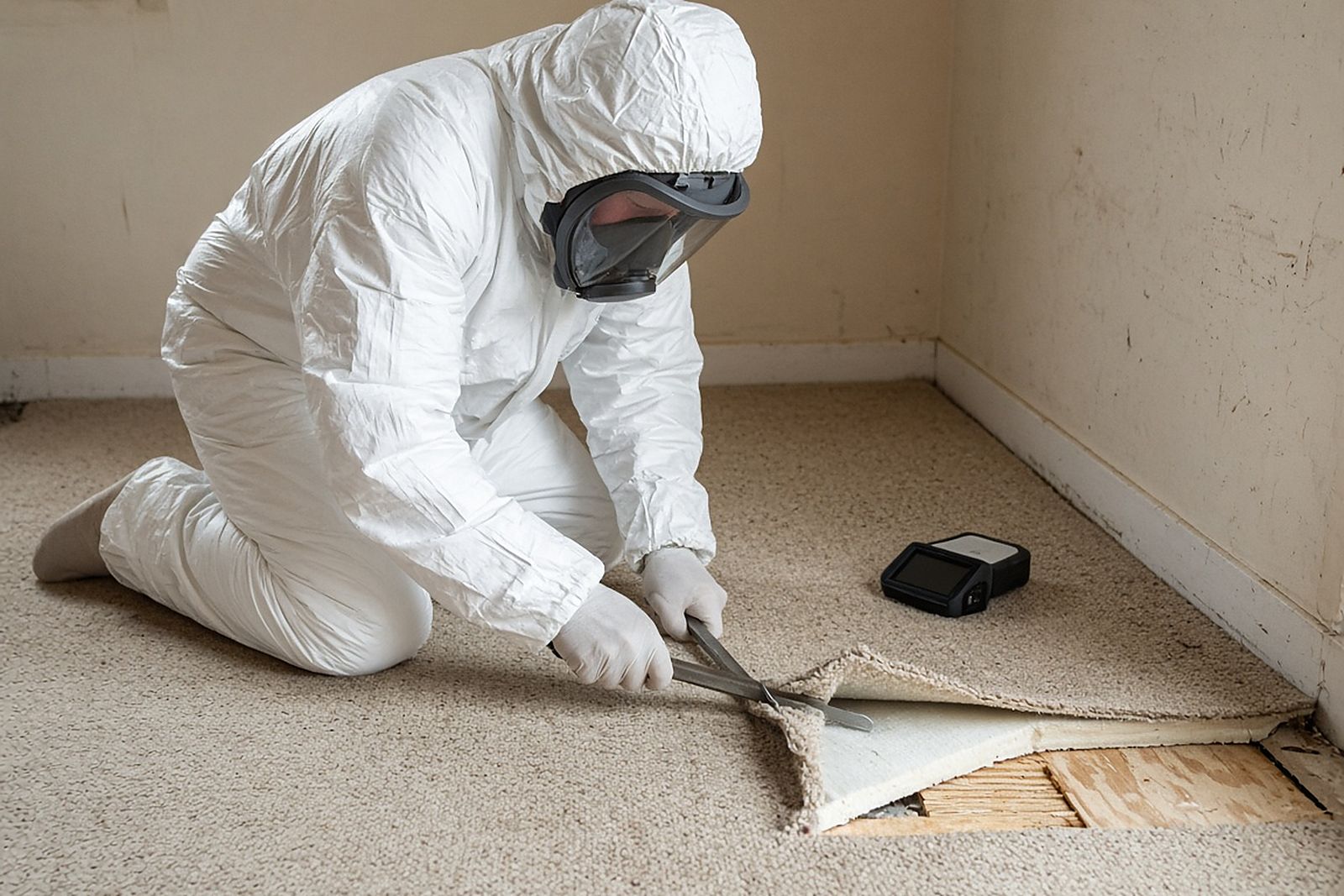 Red Flags When Hiring Unattended Death Cleanup ServicesRed flags when hiring unattended death cleanup include odor-free guarantees without a plan to remove the source, proposals to seal or paint over contaminated flooring, quotes given without checking subfloor or the unit below, no plan for insects, careless handling of estate documents and valuables, poor communication with relatives who live far away, and missing waste records or insurance proof.When ATP Testing Helps—and When It Does Not—in Unattended Death CleanupIn unattended death cleanup, ATP testing is a spot check that hard, cleanable surfaces are free of organic residue after decomposition fluids are removed. It cannot measure odor, look beneath flooring, judge sealed subfloor, confirm insects are gone or identify pathogens. Ask for ATP as one piece of a written verification plan that also covers material removal, odor evaluation, photographs and disposal records.How to Evaluate Technology Used in Unattended Death CleanupJudge any technology in unattended death cleanup by the problem it solves: finding hidden fluid migration, removing odor after the source is gone, controlling insects, protecting shared air or keeping a distant family informed. Ask how it fits with removing contaminated materials, what its limits are and how results will be shown. No machine can clear odor while saturated flooring or furniture remains in the home.