Short answer
Judge any technology in unattended death cleanup by the problem it solves: finding hidden fluid migration, removing odor after the source is gone, controlling insects, protecting shared air or keeping a distant family informed. Ask how it fits with removing contaminated materials, what its limits are and how results will be shown. No machine can clear odor while saturated flooring or furniture remains in the home.
Why equipment dominates the sales pitch
Unattended death cleanup is defined by what you cannot see and cannot stand to smell. Families and landlords want reassurance that the odor will leave and that nothing hidden will return. Equipment promises exactly that, so it features heavily in advertising.
Some of these tools are genuinely valuable, especially for tracing how far fluids traveled and for treating odor once the source is removed. Others are oversold, or used in place of the hard physical work that actually solves the problem.
A useful mindset is to treat each piece of equipment as a claim that needs a reason. If the provider can explain why your home needs it and what it will accomplish, it probably belongs in the scope. If not, ask more questions.
Why does delayed discovery make detection tools so important?
The longer a person goes undiscovered, the farther fluids and odor travel. Long gaps between death and discovery can happen anywhere a person lives alone, and every added week makes hidden damage more likely.
In those homes, the surface stain is only a starting point. Fluids move through carpet and pad into subfloor, along joists, under walls and sometimes into the ceiling below. Detection tools help crews find the edges of that migration so they remove what is contaminated without tearing out what is not.
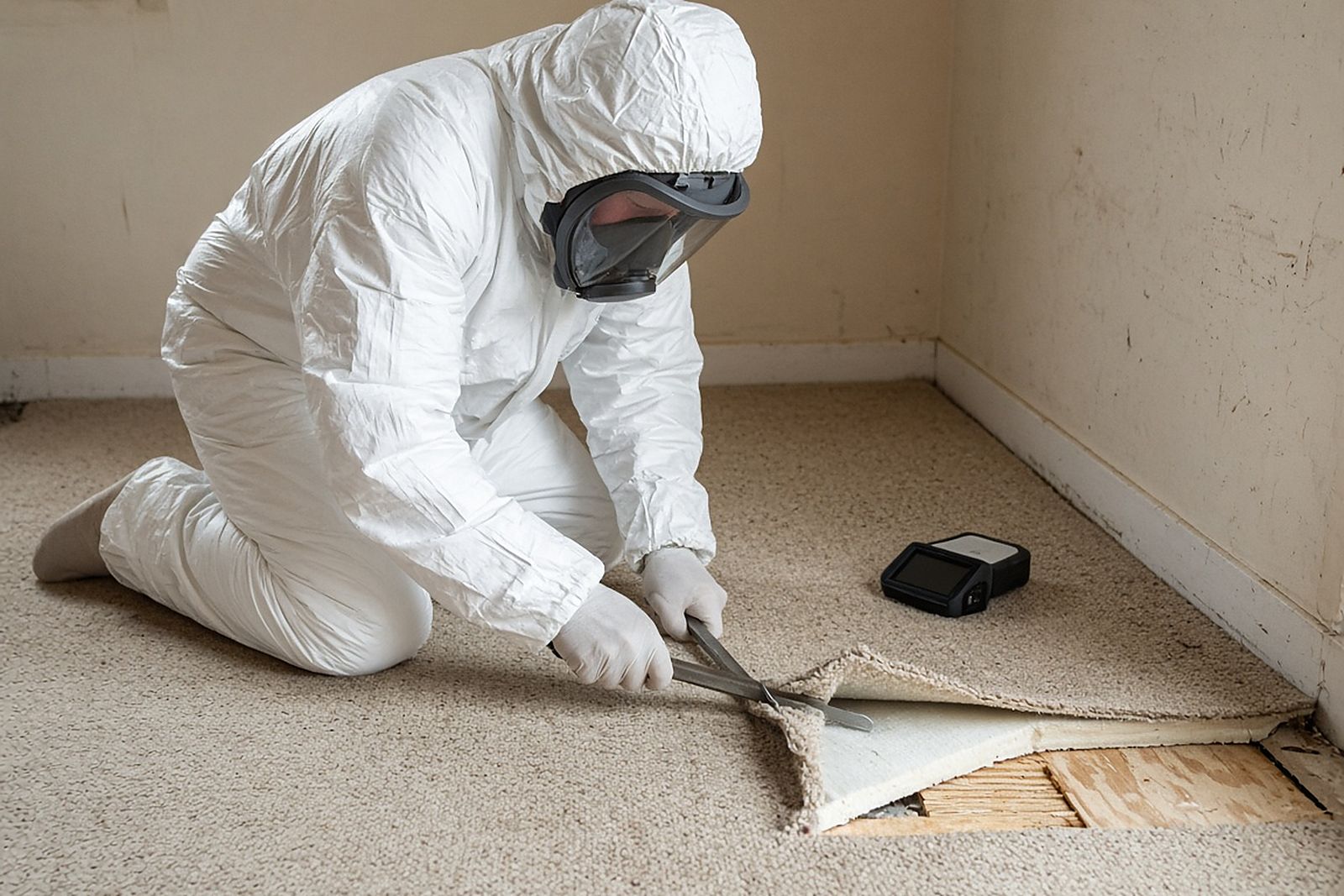
That is why the assessment matters more than the equipment list. A supervisor who spends time lifting a corner of carpet, checking baseboards, looking at the ceiling below and asking about the heating and cooling settings will usually build a more accurate scope than one who arrives with a truck full of machines and a fixed package price.
Tools that trace fluids under floors and inside walls
Moisture meters can indicate whether materials near the affected area still hold liquid, although readings in older homes need careful interpretation. Inspection cameras and borescopes let a technician see inside joist bays, wall cavities and ductwork through a small opening, which can confirm or rule out migration without cutting large holes.
Strong, angled lighting remains one of the most useful tools of all, because staining on subfloor and framing often shows up clearly once flooring is lifted and the area is lit well. Some crews also use thermal cameras to look for damp areas, though these show temperature differences rather than contamination and need to be backed up by other checks.
Ask the provider to show you what they found with these tools, ideally in photographs tied to a floor plan. Evidence of the boundaries of contamination is what justifies each cut.
- Moisture meters: useful for recent migration, less reliable for old, dried residue
- Inspection cameras: look inside cavities, joist bays and ducts through small openings
- Work lighting: reveals staining on exposed subfloor and framing
- Thermal cameras: hint at damp areas but cannot confirm contamination on their own
Odor machines and sealers: what each can and cannot do
Odor equipment is where the biggest claims are made. Before any machine is turned on, the crew should remove the source: saturated flooring and subfloor sections, mattresses, upholstered furniture and other porous items that absorbed fluids. Running equipment in a home that still contains those materials usually produces temporary improvement followed by disappointment.
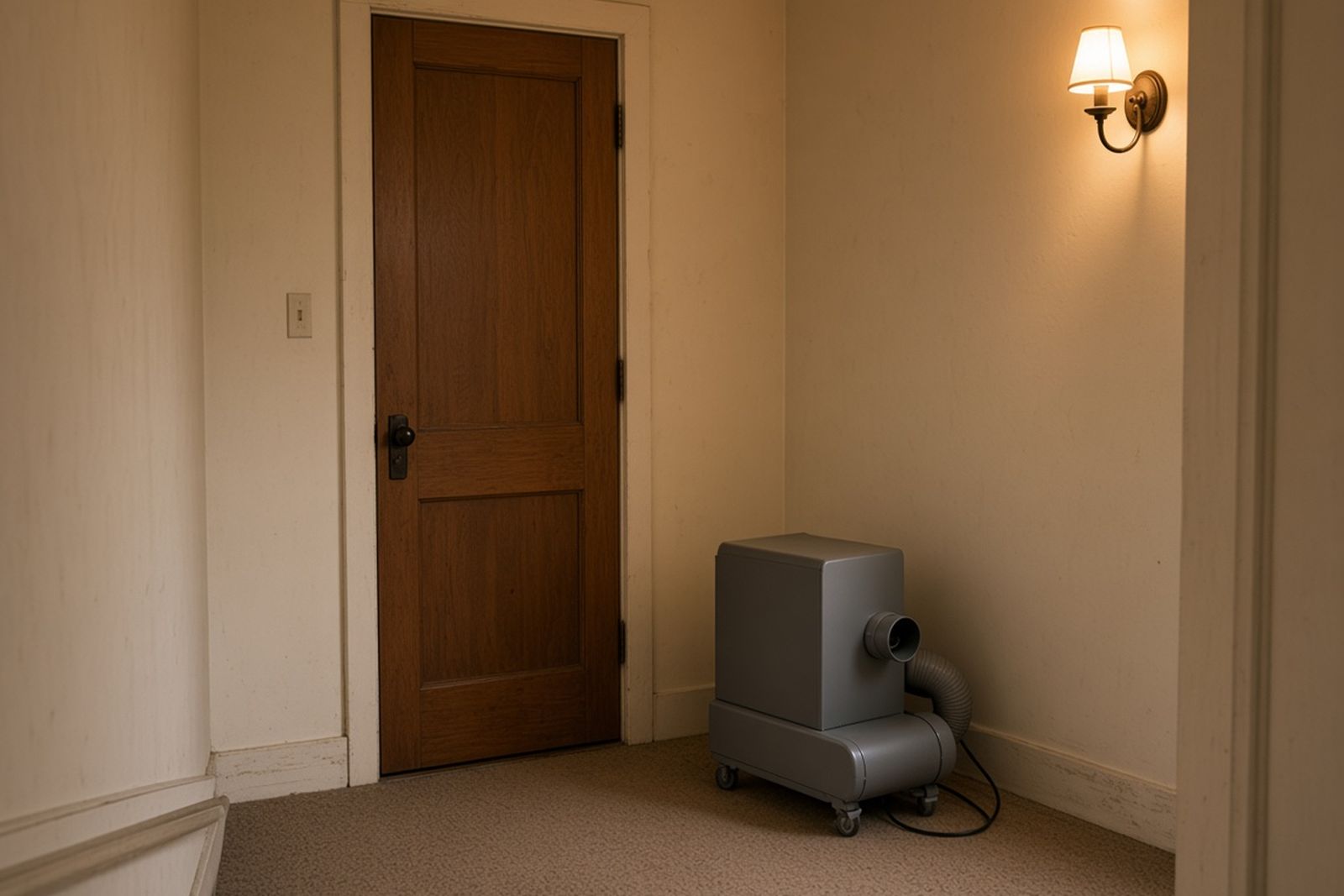
After source removal, several options exist. HEPA air scrubbers capture particles and help with general air quality. Hydroxyl generators work gradually and can often run with people present, depending on the model and manufacturer guidance. Ozone generators can be effective but require the space to be empty of people, pets and plants, and can damage rubber and some plastics. Thermal fogging pushes deodorizing products into porous surfaces and cracks.
Ask which method the provider recommends for your home and why, how long it will run, whether anyone can be present and how they will confirm the odor is gone rather than masked. A good answer often includes a closed-home check after the heating or cooling has run normally.
Some providers mention air quality meters that measure volatile organic compounds. These can show trends, such as whether readings drop after source removal, but they do not measure odor the way a human nose experiences it and cannot tell you where the remaining source is hidden. Treat them as supporting information, not as proof that the home is ready.
Sealing products are among the most practical tools in unattended death cleanup. After contaminated subfloor is removed and adjacent wood is cleaned, a sealer can lock in faint residual odor so new flooring can go down. The same approach is sometimes used on framing or the underside of drywall.
The key is sequencing. Sealers should be applied only after cleaning, over material that is structurally sound and not saturated. They are not a way to cover up subfloor that should have been cut out. Ask which product will be used, how long it takes to cure and whether it releases fumes during that time.
Photographs of the subfloor before sealing are essential. Once the coating goes on, no one can easily see what is underneath.
Sealers also have limits worth understanding. They work best on wood and concrete that have been cleaned and dried, and they are less effective on materials that remain damp or that were deeply saturated. If odor returns after new flooring is installed, it usually means some source material was left behind or a pathway such as a wall cavity or duct was missed, not that the sealer needs a thicker coat.
Insect control and shared air in apartment buildings
Flies and beetles are common after a delayed discovery. Technology here is mostly modest: traps to monitor activity, HEPA vacuums to remove larvae and pupae and targeted, labeled insecticides where needed. Monitoring over several days shows whether the problem is truly resolved.
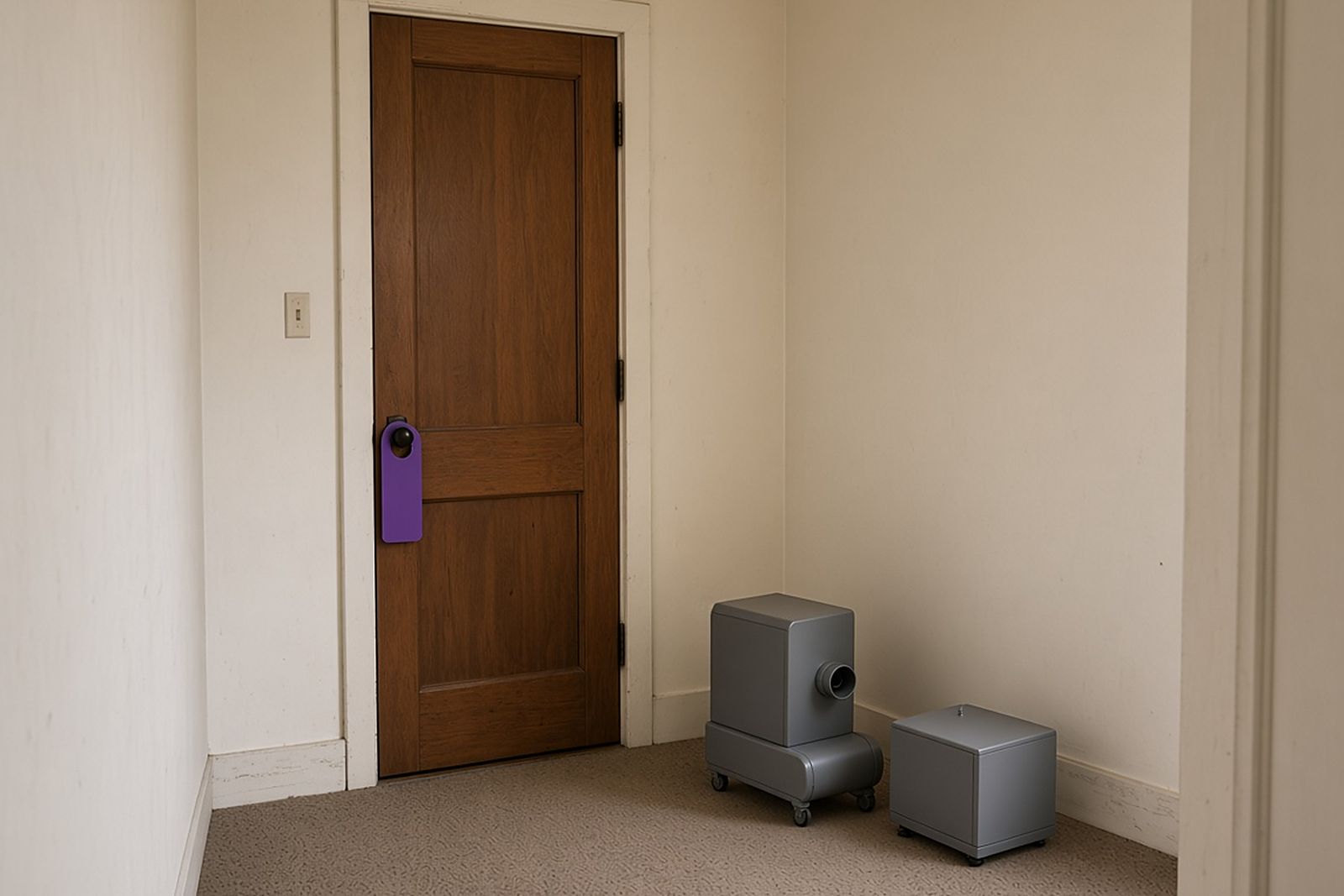
In multi-unit buildings, negative air machines and sealing materials help keep odor from spreading through corridors, plumbing chases and shared ducts. The crew may need to coordinate with building staff to shut down or adjust HVAC systems safely.
Ask who will apply any insecticide and whether that person holds the license your state's pesticide regulatory agency requires, and check the building's own rules for work in shared spaces.
How can technology help a family that lives far away?
Many families cannot travel quickly after an unattended death. Remote tools make a real difference for them. Video walkthroughs, shared photo folders and online portals let an executor see the home, approve change orders and follow progress without being present.
Inventory tools, from simple spreadsheets to apps with photos and barcodes, help track belongings being cleaned, packed, shipped or discarded. For an estate, a clear record of what happened to each item can prevent disagreements later.
Because images of an unattended death are deeply personal, ask who can access these files and make sure nothing is shared beyond the people who need it. Families should also be warned before viewing photographs, since some may be difficult to see.
Remote tools also help when a landlord and an estate need to cooperate. Both parties can see the same photographs and approve their own portions of the work without waiting for a meeting at the property, which keeps the job moving and reduces misunderstandings.
Equipment in the right order
Used thoughtfully, equipment follows the physical work rather than replacing it. In an apartment where a recliner and carpet absorbed fluids, a sensible sequence starts with sealing the unit's vents and door gaps, setting up negative air and placing fly traps.
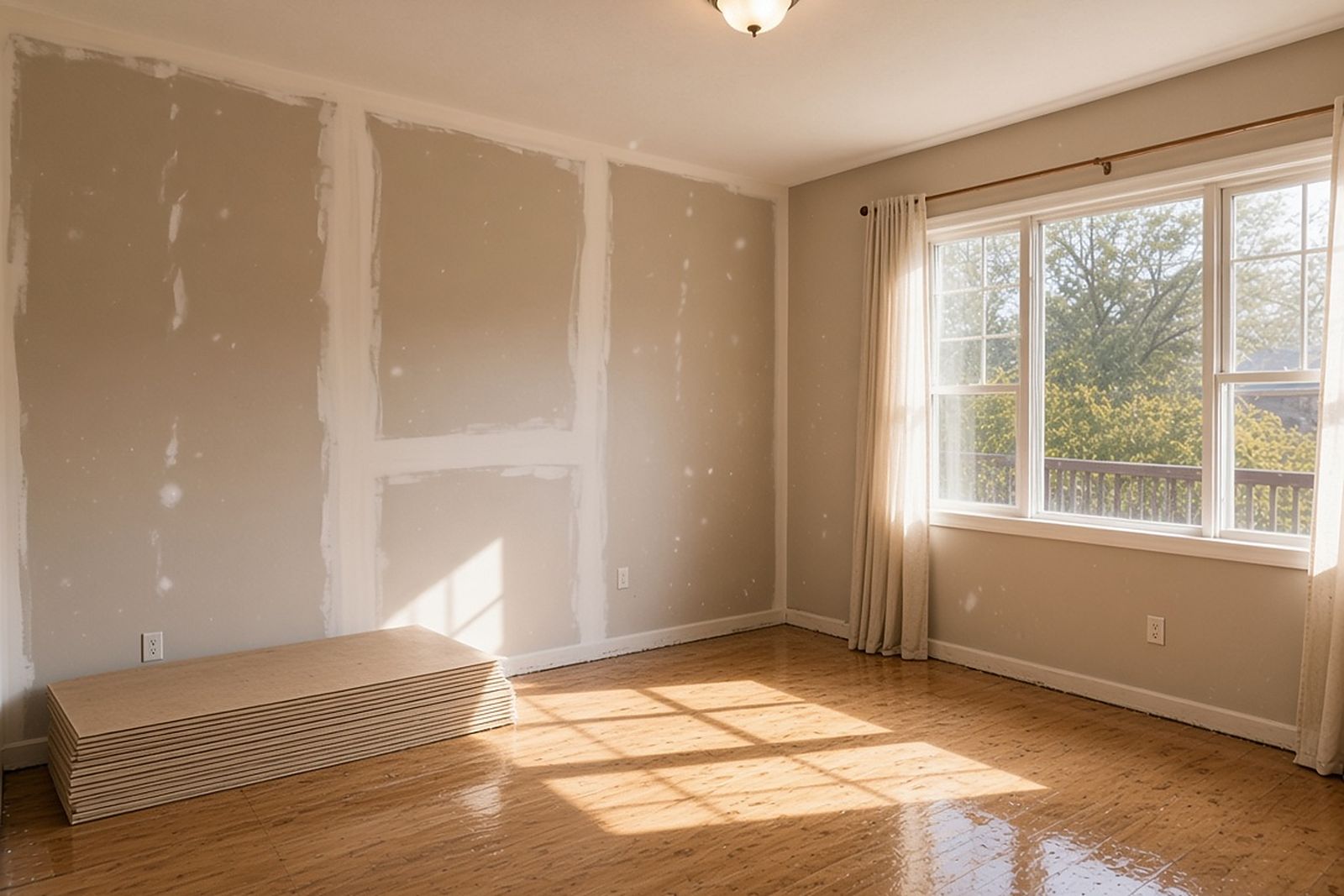
After the recliner is removed and the carpet lifted, lighting and an inspection camera can trace fluid along a joist toward a wall. The crew cuts out the affected subfloor sections, cleans the joist and photographs everything before applying a sealer.
Only once the source materials are gone do hydroxyl units run, often for several days, and a closed-unit check after the heat runs overnight confirms the odor is gone. An executor who lives overseas can review daily photos through a shared folder, approve a small change order by email and follow belongings through a spreadsheet inventory with photographs.
Signs a provider is overselling equipment
Be cautious if a company proposes to fog or ozone the home before removing contaminated materials, promises that a single machine will solve odor in a day, or recommends several expensive devices without linking them to anything observed. Be equally cautious of claims that any technology makes the home sterile.
The most reliable technology in unattended death cleanup is still a trained crew that finds the full extent of the damage, removes it and proves it with photographs. Equipment should serve that work, and a trustworthy provider will be glad to explain how.