Short answer
When a death goes unnoticed, natural decomposition releases fluids and odor compounds that soak into flooring, walls and air, and insects may arrive within minutes. Unattended death cleanup uses that science to decide what to remove, how to clean and disinfect what stays, how to control insects and odor at the source, and how to verify the home is safe to enter, sell or live in again.
What happens in a home when a death goes unnoticed?
After death, the body's own enzymes begin breaking down cells, and bacteria that normally live in the gut start to multiply and spread. Over days, these processes release gases and fluids. None of this is unusual or shameful. It is ordinary biology, and it happens whether a person dies in a hospital or alone in a quiet apartment. The difference with an unattended death is that the process continues, sometimes for a long time, inside a home that was never designed to contain it.
The length of that time varies enormously. A peer-reviewed study in the International Journal of Legal Medicine in 2023 looked at 102 decomposed bodies found indoors in Sweden and reported that the post-mortem interval ranged from 3 to 217 days, with a median of 21 days. Every day adds to what the cleanup must address.
For a family, understanding this timeline can ease a painful question: why does this cleanup look so different from what I imagined? The answer usually lies in time, temperature and the materials the home is built from.
Temperature, airflow and humidity
Decomposition is a set of chemical and biological reactions, and those reactions speed up in warmth and slow down in cold. A home with the heat running or windows closed in summer will usually show more advanced changes than a cool basement apartment over the same number of days.
Airflow and humidity also shape the outcome. In dry, well-ventilated rooms, tissues can lose moisture and harden rather than liquefy. The same Swedish study observed parchment-like skin drying in indoor bodies as early as 3 days after death, with full-body desiccation from 18 days. When that happens, there may be less fluid, but odor and residue still settle into the space.
Technicians ask about the thermostat, the season and whether windows were open because those details help them predict what they will find under flooring and inside walls before they open anything up.
Where fluids go once they leave the body
Decomposition fluids behave like any other liquid in a building. Gravity carries them down through bedding, mattresses, upholstery and carpet into pad and subfloor. Capillary action pulls them sideways through wood grain, drywall paper and the gaps under baseboards. In apartments and multi-level homes, fluids can reach floor joists and the ceiling of the room below.
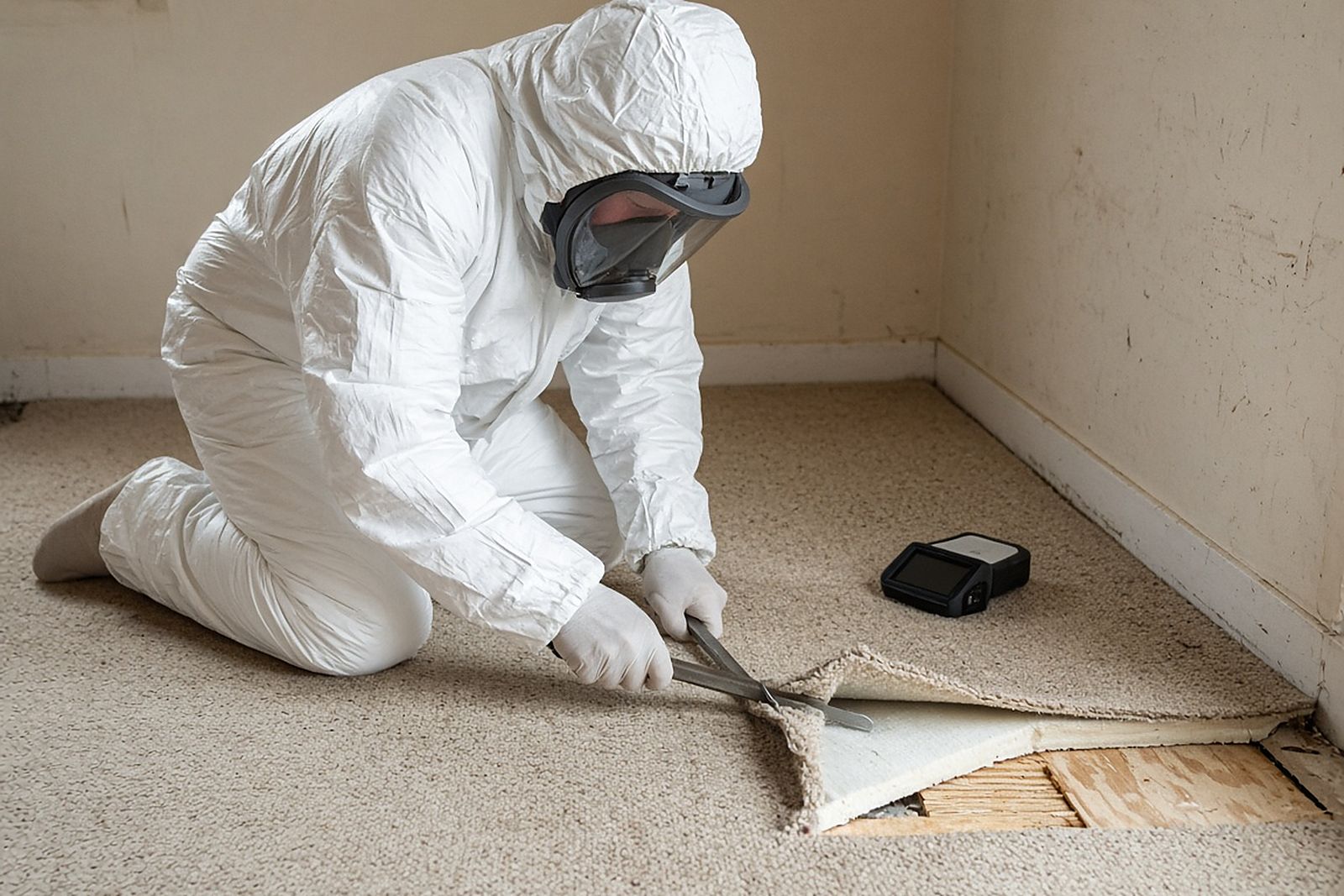
This is why the visible stain seldom marks the real edge of the problem. An experienced crew removes flooring layer by layer, checking each surface, and stops only when they reach clean, dry material. They document how far contamination traveled, which helps families, landlords and insurers understand the scope.
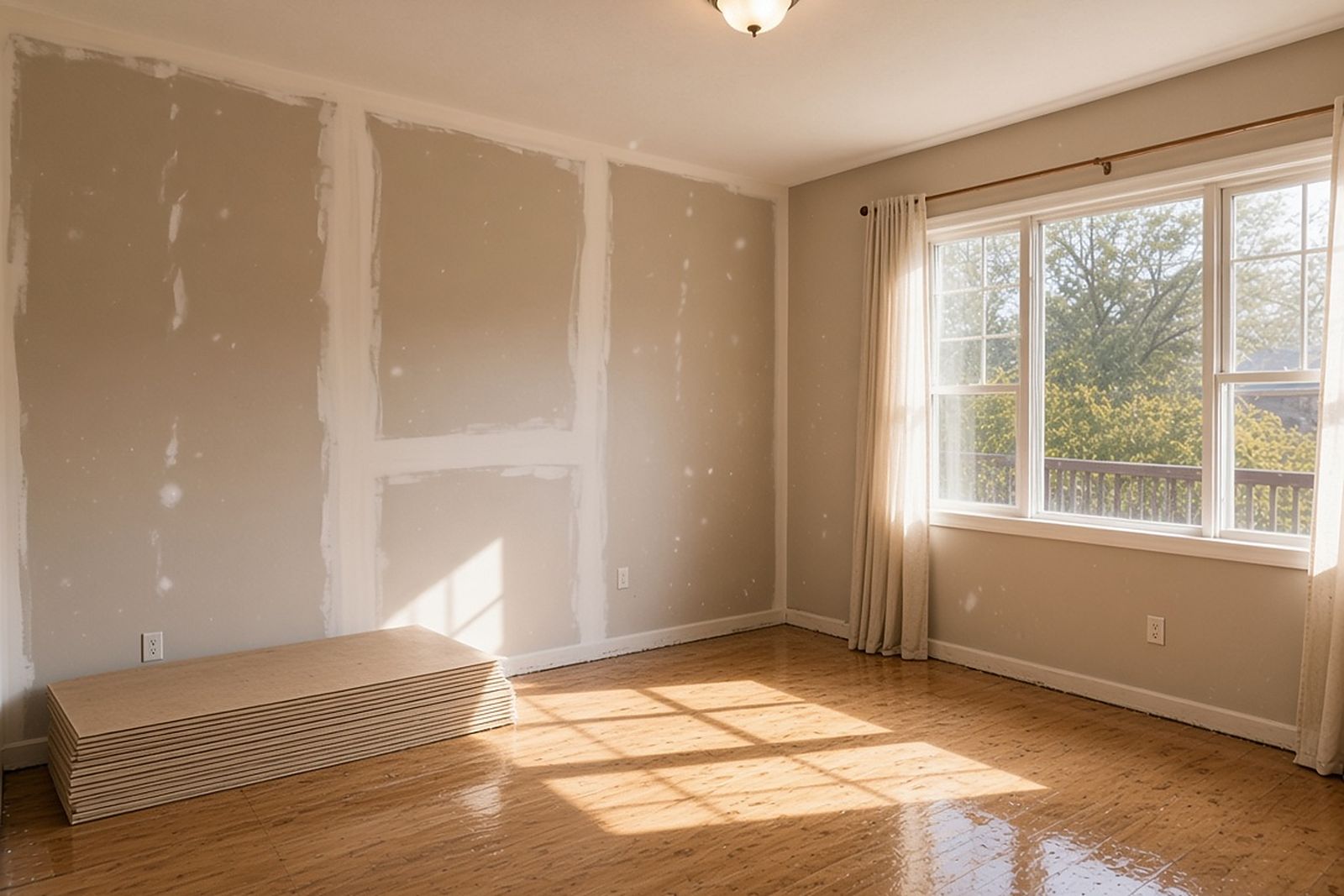
Some structural materials can be cleaned, disinfected and sealed. Others, especially soft or crumbling wood, drywall and insulation, are usually removed and replaced.
- Bedding, mattress and furniture where the person was found
- Carpet, pad, underlayment and subfloor beneath
- Baseboards and the lower portion of nearby walls
- Joists or ceilings below in multi-story buildings
- HVAC returns and filters close to the room
Insects: nature's recyclers
Insects are nature's recyclers, and they respond quickly to death. According to North Carolina State University's Department of Entomology, blow flies can find a body and begin laying eggs within minutes, and those eggs hatch in 1 to 3 days. Other insects follow in a fairly predictable sequence that forensic entomologists use to estimate time since death.
For cleanup, insects matter because they do not stay in one spot. Larvae may migrate away from the area to pupate under furniture, along baseboards or into other rooms. Adult flies can gather at windows and light fixtures throughout the home. If they are not addressed, they continue to appear after the main cleanup is finished.
A thorough scope includes removing insects and casings, cleaning the areas where they gathered and, when needed, coordinating pest treatment. If you notice insects after the crew leaves, tell them promptly.
Why the odor is so hard to remove
The distinctive odor after an unattended death comes from volatile compounds produced as proteins and fats break down. These molecules are small, persistent and very good at attaching to porous surfaces. They soak into drywall, wood, fabrics, insulation and the dust inside ductwork.
Because the odor lives in materials, it cannot be solved with air freshener. Masking products fade and can combine with the original odor into something worse. Real deodorization follows a sequence: remove saturated materials, clean and disinfect the structure, seal porous surfaces that must stay, then treat the air.
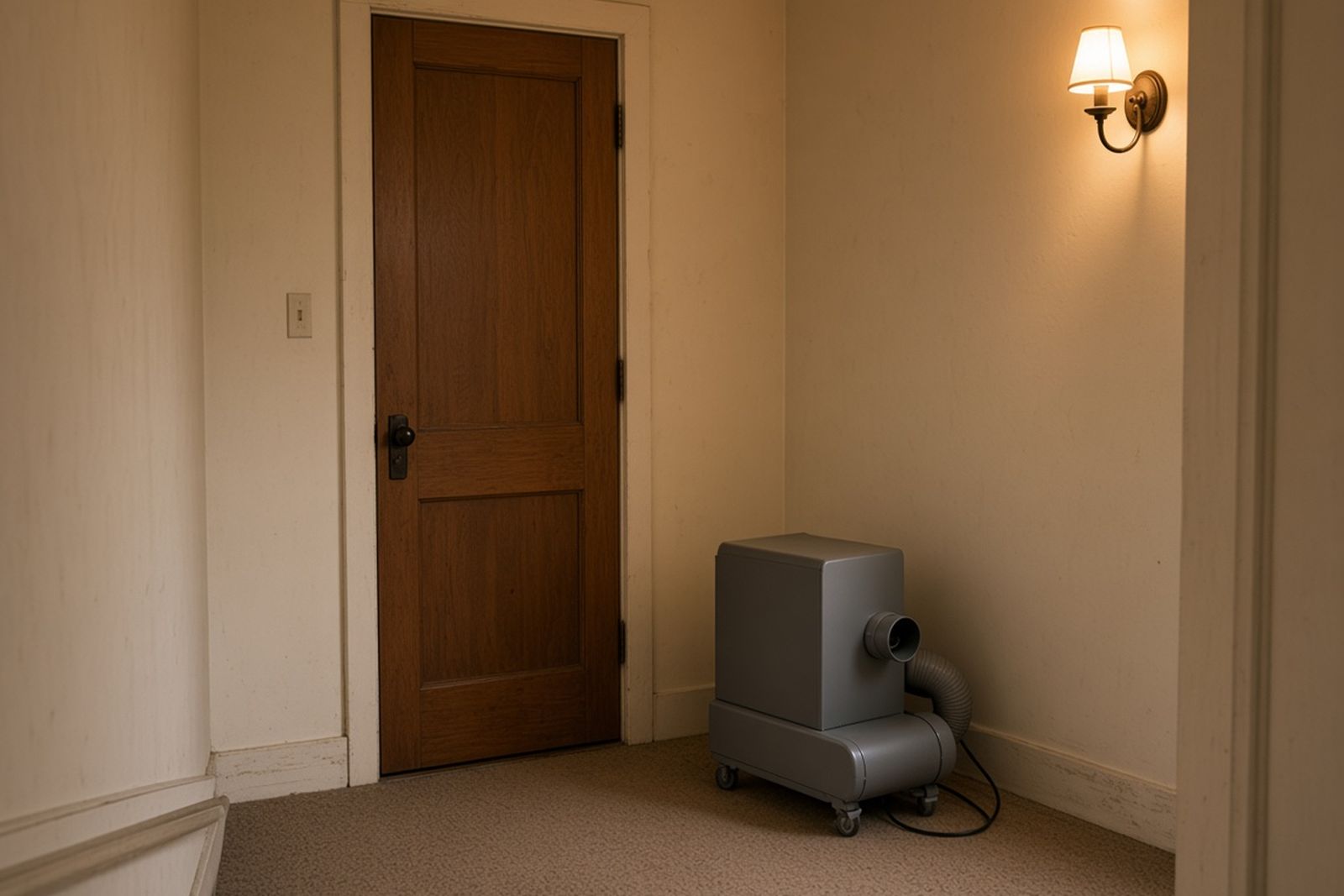
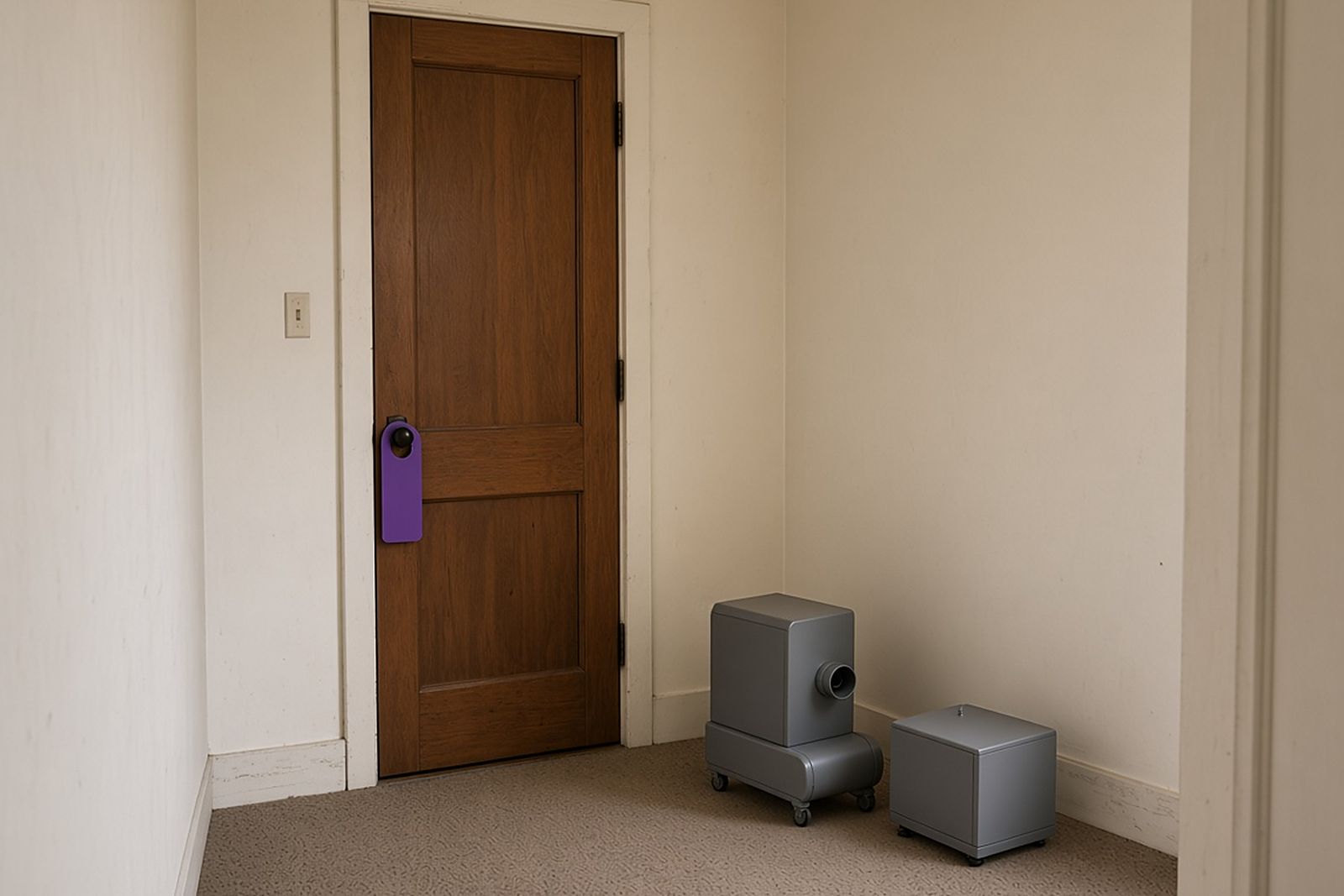
Air treatment may include HEPA filtration, hydroxyl generators or other equipment, depending on the property. Some methods require the home to be empty of people, pets and plants during use. Ask your provider which method they propose, why, and when it is safe to re-enter.
Is there a health risk after natural decomposition?
Yes, and it deserves respect. Decomposition fluids and blood can carry bloodborne pathogens, and bacteria multiply during the process. Mold may also develop on damp materials nearby. People who enter without protection can be exposed through cuts, splashes or by breathing contaminated dust while moving belongings or pulling up carpet.
Professionals wear fluid-resistant suits, gloves, eye protection and respirators rated for the conditions. They set up containment so that dust and odor do not drift into clean rooms, and they clean before disinfecting because organic residue blocks disinfectants from working. Disinfectants are used exactly as their labels direct, including the full wet contact time.
If you need to retrieve something urgent, such as medications, a pet or important papers, ask the provider or the responding agency to help rather than going into the affected room yourself. Keep windows and doors to the room closed in the meantime, and avoid running fans that could push odor and particles into the rest of the home.
The science in one condominium
A simplified, made-up case shows how these processes add up. An older man lives alone in a second-floor condominium. After neighbors notice mail piling up, a wellness check finds that he died about two weeks earlier during a warm stretch of weather. His niece, who lives several hours away, becomes the family contact.
The technician finds that fluids passed through the recliner and the carpet beneath it, and staining extends into the subfloor. The downstairs neighbor reports a faint odor near her ceiling. Flies are gathered at two windows, and a few pupal cases are found under a bookshelf in the hallway.
The crew removes the recliner, carpet and a section of subfloor, cleans and seals the joists, and coordinates with the association to inspect the unit below. They clean window sills and the hallway, replace the air handler filter and run air filtration for several days. The niece receives photos, a list of what was removed, and a box of documents and photographs found in a side table. The details are illustrative, not drawn from a real home.
Knowing the home is safe, and looking after yourself
Verification should combine several checks. Visual inspection under strong light confirms removed areas are clean down to sound material. An odor assessment, often after the space has been closed up for a period, confirms the source is gone. Some providers add ATP swabs to show that surfaces were cleaned of organic residue.
You should receive written documentation: areas treated, materials removed, products used, insect control steps, odor treatment and waste disposal records. Rules for handling this waste differ by jurisdiction and are set mainly by state environmental and health departments.
If the home will be sold or rented, keep these records. They help you answer questions honestly and show that the work followed a clear process.
An unattended death often brings guilt along with grief. Families wonder whether they should have called more often or visited sooner. Those feelings are common, and they deserve gentleness. Many people who die alone were independent, private and living as they chose.
Let trained professionals handle the physical work, and give yourself room to handle the rest at your own pace. A grief counselor, a faith community or a trusted friend can help you carry what the science cannot fix.
It can also help to separate the decisions in front of you. Cleanup of the affected area is usually the most time-sensitive task, because odor and insects keep spreading while you wait. Sorting belongings, settling the estate and deciding what to do with the home can often happen later, once the air is clear and you can walk through the rooms without protective gear.
If you live far away, you do not need to travel just to supervise the work. Many providers can send photos and short video updates, arrange a key handoff with a neighbor or property manager, and ship documents or keepsakes they recover. Ask what updates they offer and how often you will hear from them.