Direct answer
The short answer for Brooklyn, NY
Brooklyn is New York City's largest borough by population, with about 2,590,000 people. It ranges from blocks of brownstones to rentals near Coney Island and towers on the waterfront. In winter, radiators keep homes sealed. When a death is found late, body fluid wicks through the pad while the smell crosses the party walls shared with neighbors.
Editorial guide · Biohazard Remediation NetworkUpdated 2026-07-22Location focus: Brooklyn, NY
Local planning context
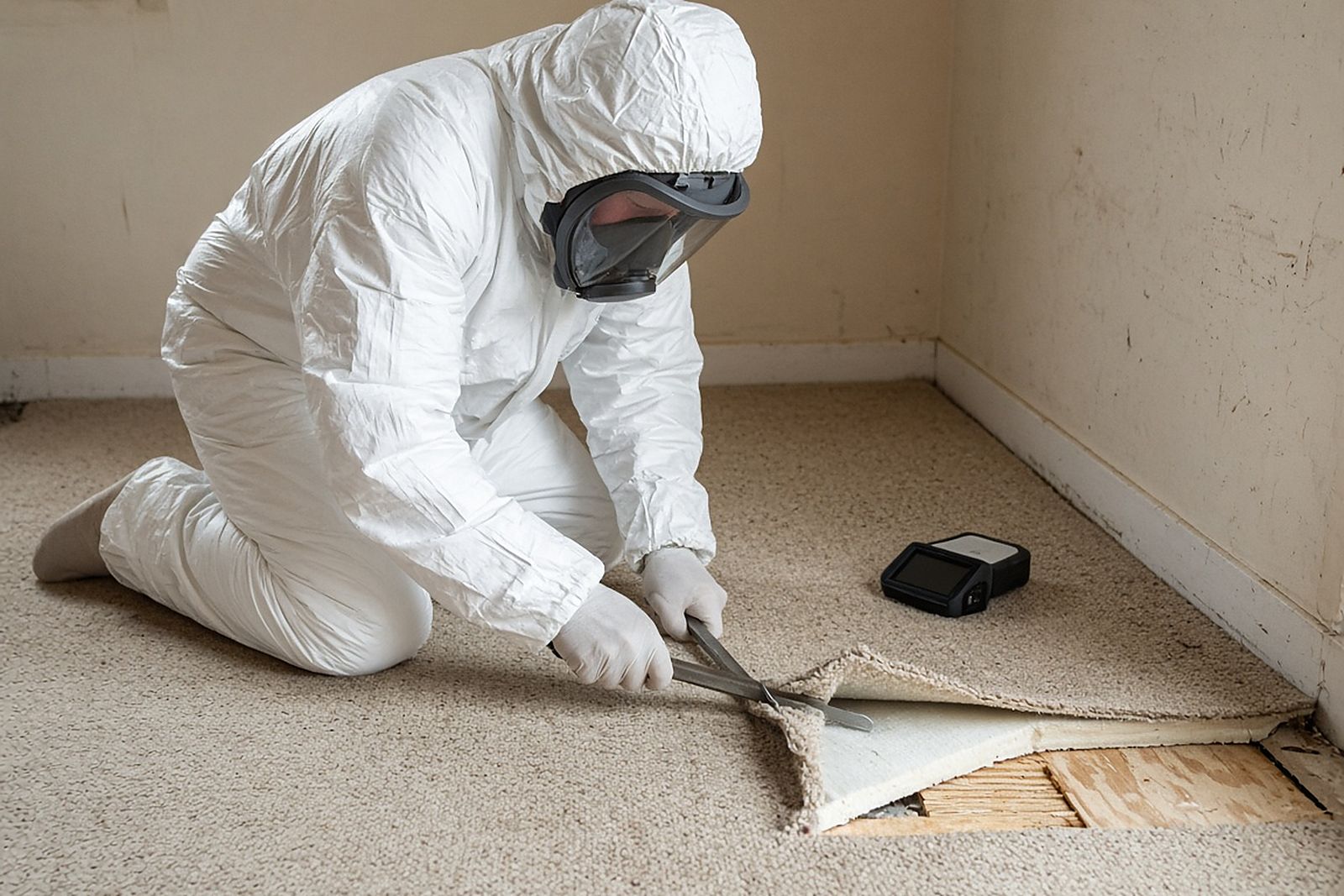
Brownstone blocks in Park Slope, Fort Greene, and Bedford-Stuyvesant share party walls, with garden apartments under the parlor floors. Walk-ups with no elevator force sealed bags down stairs where people live. Waterfront towers need freight bookings, unlike the stoop blocks inland. A resident living alone may be found only after unpaid rent or a welfare check. Body fluid wicks through carpet into softwood floors while radiators keep the storm windows shut. Name the building, row house, walk-up, or tower, before anyone suggests cutting out a square of carpet.
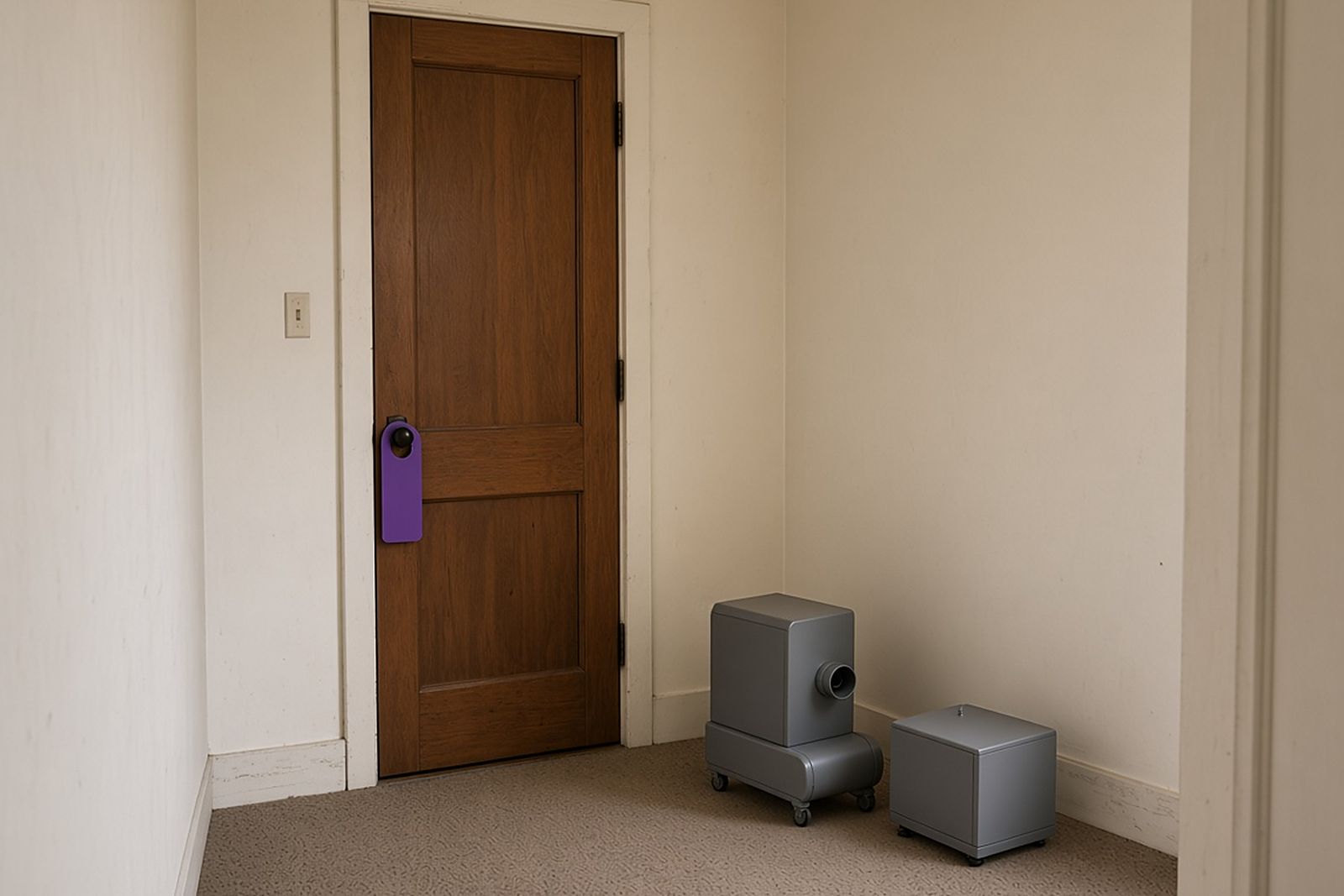
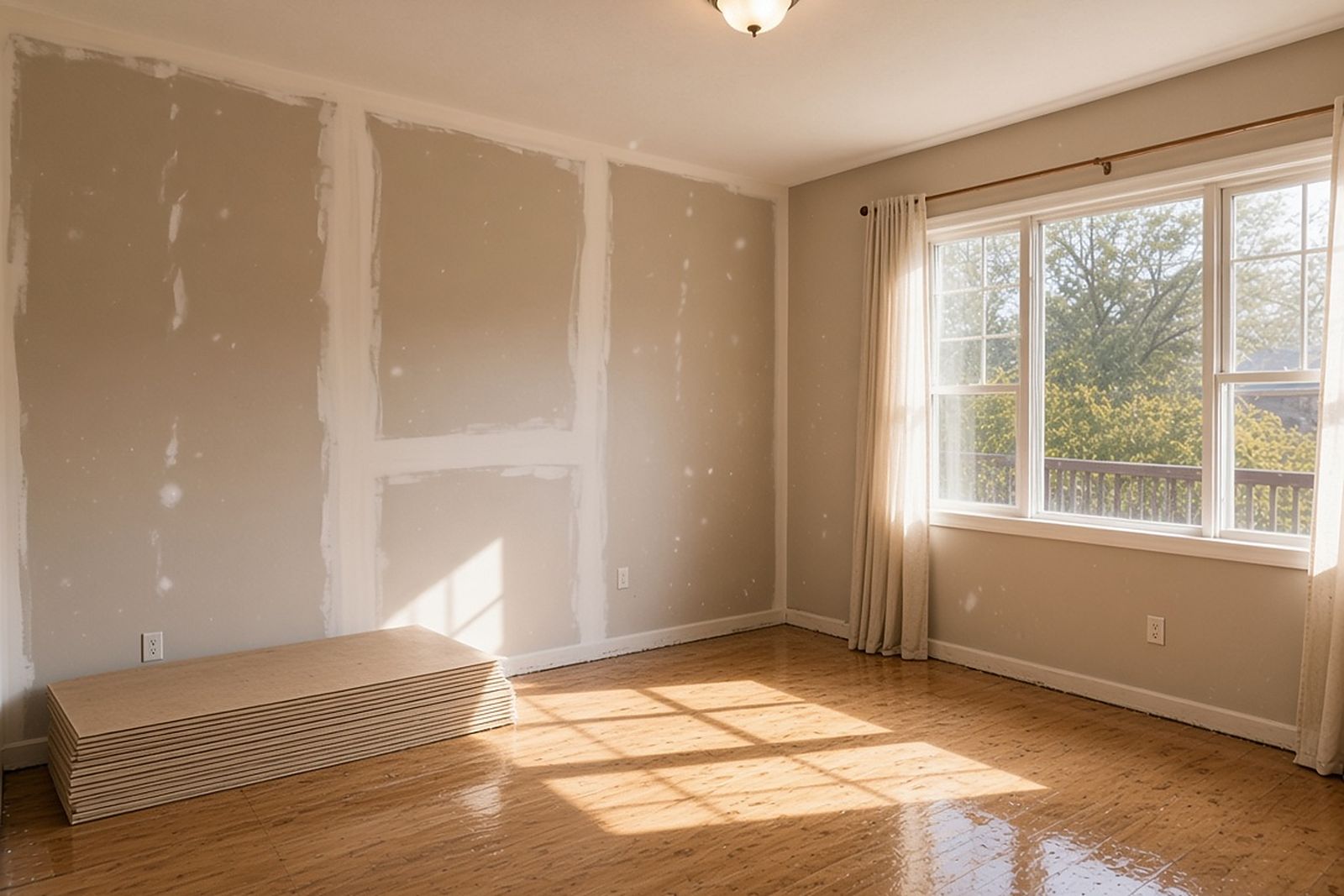
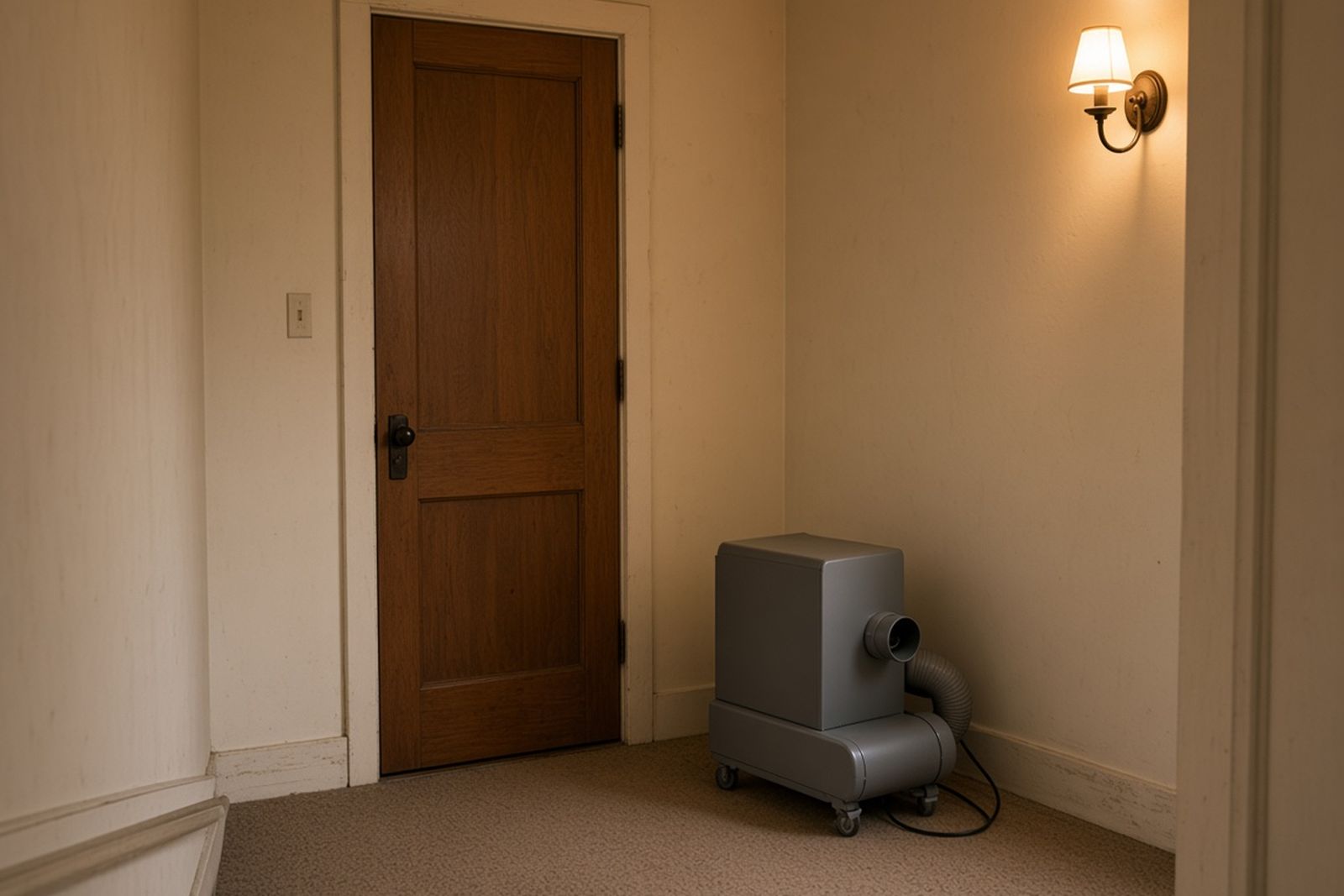
Winter steam heat traps odor chemicals, and a parlor door propped open can spread them into shared halls. In summer, window units cycle the smell inside single rooms while the courtyards stay humid. Bedding pushed into a cellar storage bin keeps smelling long after the apartment is clean. Insect marks on sunny window sashes point to a longer gap in empty rentals. Floating vinyl over foam hides a sideways soak. Seal the area first. Map the moisture, including the garden level. Then remove the soaked materials before any scent machines run.
For any Brooklyn address, the city's Chief Medical Examiner and the NYPD set the start date. The Westchester, Nassau, and Suffolk county offices play no role. After release, landlords, co-op boards, and estates should write rules on what to save. Stoops and courtyards call for covered carts. Brownstone families often want old photos and papers saved, so photograph them where they sit before anything is boxed.