Northeast · US

Unattended Death Cleanup Planning in Darien, Connecticut

Planning unattended death cleanup in Darien, CT

Darien shoreline cleanup planning: Connecticut examiner release, access in Tokeneke, colonial floors, and gaps tied to Metro-North commutes. No office claims. This is planning guidance, not a claim of a local office or crew in Darien.

Get an email reply about unattended death cleanup

Send a short message to the follow-up inbox. A coordinator can reply by email. This form does not send emergency help; call 911 first if anyone is in danger.

Tell us what you need help with. Share a short description; please leave out medical details, access codes, and other sensitive information.

A request does not confirm a booking. For immediate danger, contact local emergency services.

Or email info@unattendeddeath.online

Direct answer

The short answer for Darien, CT

Darien is a shoreline town in Fairfield County, with about 21,000 people. It mixes waterfront homes in Tokeneke and Noroton, colonials and capes inland from the Post Road, and commuter households tied to Metro-North. Lots here are smaller than on the nearby Gold Coast estates. Still, sealed winter heat and summer AC can push the smell of a late discovery through wood-frame floors.

Editorial guide · Biohazard Remediation NetworkUpdated 2026-07-22Location focus: Darien, CT

Local planning context

Shoreline neighborhoods along Tokeneke and Noroton add salty, humid air and tight private roads. Inland blocks near the Post Road hold denser colonials, capes, and split-levels on smaller lots. Someone who lived alone near the Post Road might be missed only when a commute pattern breaks, a landscaper's bill sits unpaid, or a neighbor asks police to check. At that point the pad is usually wet through to the wood layer underneath. On the waterfront, dens and family rooms sit below upstairs suites, which adds a drip risk rare on flat inland lots. Figure out early whether the home is a multilevel shoreline house or a one-story inland one.

In winter, homes stay shut against cold winds off Long Island Sound. In summer, the AC seals the same rooms against the humidity. Both habits keep cycling odor chemicals if the returns stay open. Relatives who leave Dutch doors ajar for fresh air while wet bedding is still inside can pull tainted air into rooms no one was using. Soft goods moved to detached garages or basement rec rooms become a second source. Insects on sunny south windows point to a longer gap in shoreline homes that are quieter in some seasons. Narrow private lanes limit truck turning more than the open cul-de-sacs farther inland.

Connecticut's Office of the Chief Medical Examiner and any local police hold control when cleanup may begin. Once the home is released, the executor and anyone managing the house should agree which photos, papers, and jewelry are set aside before soiled fabrics are removed. The Darien Health Department and the Connecticut Department of Public Health are the local and state public health contacts. Ask for a hazard-removal scope that stops before finish carpentry and paint. Adjusters often ask why a small stain on an old colonial floor meant opening a wide area. Readings and photos answer that.
Property considerations

Multilevel homes in Tokeneke and Noroton: check lower dens and garages for drips under the upstairs room where the person was found.

Colonials and capes: check the hardwood underlayment and bottom wall boards past the visible stain.

Detached garages and basement rec rooms may hold bedding that was moved.

Built-in window seats, bookcases, and mudroom cubbies common in Darien colonials can hold fluid at their bases.

Beds, padded chairs, and area rugs in the affected room can rarely be saved after a late discovery.

Association roads along the shore in Tokeneke and Noroton leave little room for a truck.

Sound-side dampness keeps opened walls wet longer, so trust a meter over a breeze. Check moisture with a meter, not by the breeze.

Flies found in upstairs hallways mean the check should cover more than one bedroom.

Response-planning framework

Confirm the release and plan shoreline or inland access

Wait for the state examiner and Darien police to finish. Get written permission to enter from the executor or the person the family has chosen. Note private-road gate codes, alarm panels, and whether a lower den shares returns with an upstairs suite. When it is safe, photograph how the entry looks.

Map the soak and any piles moved elsewhere

Check the room where the person was found, plus the closets, baths, basement rec spaces, and totes in the garage. Take moisture readings and follow the smell to decide where removal stops. On multilevel shoreline lots, include drip checks on the lower level. Note any bedding or clothes relatives moved before the assessment, so it is part of the job.

Control the sealed air system and dry with humidity in mind

Close the returns that serve the affected rooms and keep household fans off wet materials. Set up HEPA filters only after the area is sealed. Take out the soaked carpet, pad, and furniture before using any odor machine. After tear-out, check drying closely. Air from the Sound can leave wall spaces damp longer than a dry inland day would suggest.

A private load-out and the probate handoff

On private lanes off the Post Road, use covered carts, protect the driveway and entry floors, and keep the load-out short so neighbors are not drawn in. The executor gets two papers: the hazard report, and a separate to-do list for the Darien floor, wall, and paint trades. File waste receipts and dated photos together for the estate and insurer.

Documentation checklist

  1. 1State examiner release and the family's signed access note
  2. 2Notes on whether it is a multilevel shoreline home or a one-story inland home
  3. 3Limits on the private lane, gate, and staging
  4. 4Sketch of the floor layers showing how far fluid soaked, plus any drips seen below
  5. 5Time-stamped photos from before and after tear-out
  6. 6Written decisions on which belongings to save
  7. 7Notes on closing off the air system and what the filters looked like
  8. 8Notes on humidity and proof of drying after the soft materials came out
  9. 9Hauler receipts, if used, plus the repair list for the Darien contractor

Official resources

Questions for this location

How do multilevel homes in Tokeneke differ from inland capes after a late discovery?

Multilevel shoreline houses mostly fail when fluid drips down into lower dens, garages, and mechanical nooks. Humidity also slows drying after the tear-out. Inland capes and colonials more often fail when fluid spreads sideways through the pad and underlayment on one main floor, and street staging is tighter. Both can hide foam under hardwood. So the check starts by asking which kind of Darien house you have. Using one shoreline plan for an inland home, or the reverse, leaves soaked spots behind.

Why can Metro-North commuting delay a discovery?

Households built around train schedules may notice a missed pattern only after several days. Neighbors and service vendors sometimes raise the first alarm. A longer gap means more fluid spread, more insects, and more odor chemicals before anyone goes in. Houses where a commuter was away all week tend to need wider checks. Piles in the garage and basement should be listed too. An honest plan based on time and the floor layers avoids scent-only fixes that fail once the heat cycles again.

Should a waterfront Darien home replace its air system after a death?

Not automatically. In Tokeneke and Noroton homes near the water, salt air can dirty filters and coils no matter what. Close the returns that served the affected room, remove soaked materials, and clean the hard surfaces. Then check whether any smell remains. Duct cleaning or new equipment makes sense only if the smell still points to the system afterward. Photograph the filters and the outdoor unit so an adjuster can tell normal coastal wear from the loss.

Is it enough to move soiled rugs and bedding out to the garage?

No. Moving a mattress or rugs to a Darien garage may ease the smell indoors, but it creates a second problem that neighbors on a quiet lane may notice. Airing out the house also leaves the carpet pad and subfloor untouched. Keep the materials indoors and sealed off. Pull the wet items, scrub what stays, and let the frame dry out fully. Use air treatment last. The same order works near the shore and farther inland.

What staging limits do private shoreline roads create?

Narrow lanes, short curbs, and gate access limit where covered bins can sit without blocking exits or drawing attention. Confirm turning room, permission for short-term placement, and driveway protection before the load-out begins. Use sealed carts and short load-out windows. If neighbors or a road association need notice, mention only dates and access changes. A neat driveway plan helps with neighbors, but the real work is still sealing the area and removing materials inside.

Who investigates and releases a Darien home after a death?

Darien homes fall under Connecticut's statewide Office of the Chief Medical Examiner, together with Darien police. Families should wait until both confirm the release before arranging cleanup. After that, the executor or the person the family chooses signs a short approval to enter. If relatives are coming in from New York or farther, one local contact with the keys and alarm codes makes scheduling much easier.

What if a Darien house is going on the market soon after cleanup?

Keep a clear record of what happened in the home: the release date, what was removed, moisture readings, and photos of the finished work. Your real estate lawyer can tell you what must be shared with buyers in Connecticut. Do not rush new paint or flooring before drying is confirmed. A smell that returns during showings creates bigger problems. A tidy file lets you answer buyer questions calmly and honestly.

Contact

Get help by email

Send a short message for an email reply about unattended death cleanup planning questions for the New York City area.

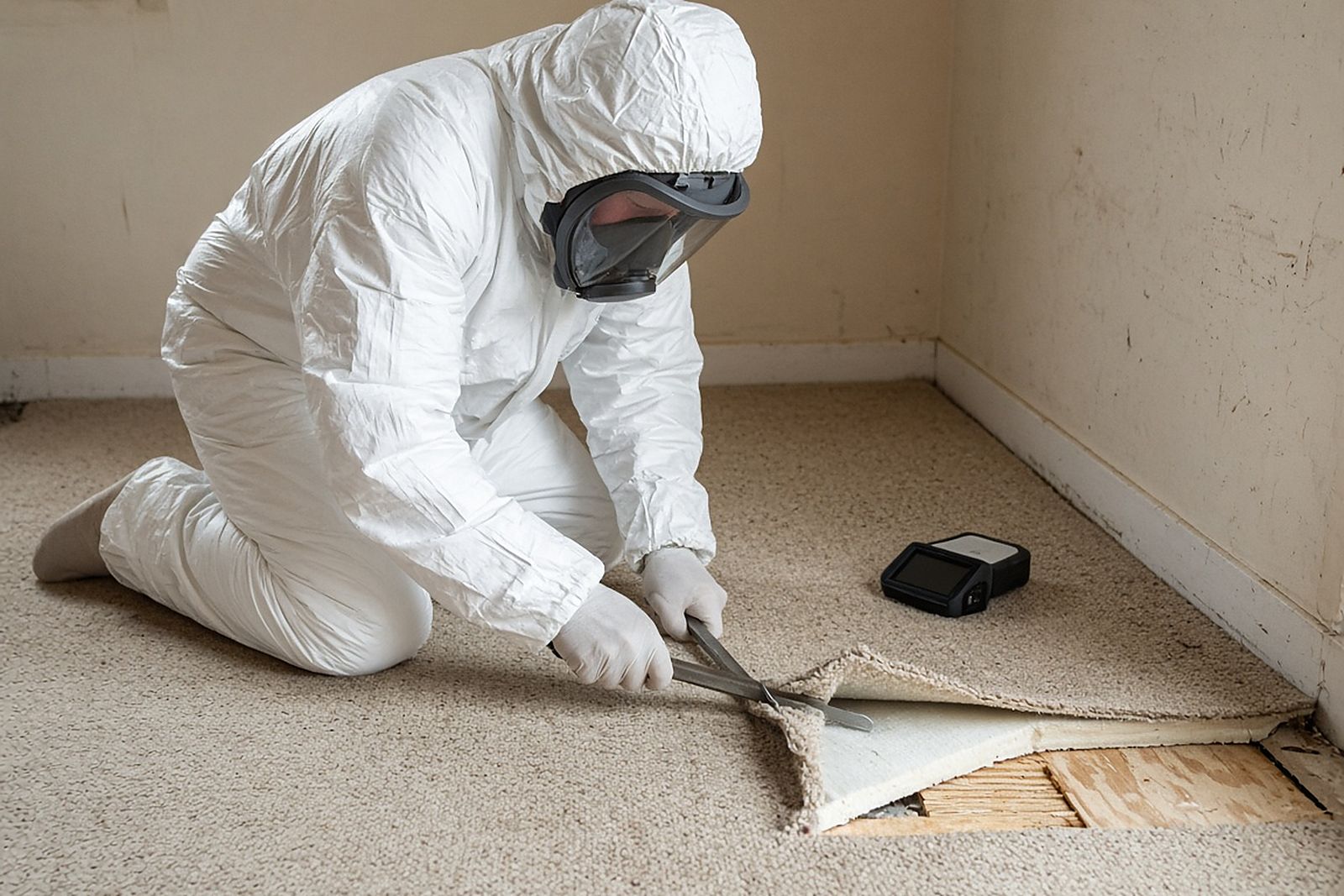
Technician in a full-face respirator cutting back carpet and pad to expose the subfloor
Illustrative photo, not a job record. Technician in a full-face respirator cutting back carpet and pad to expose the subfloor.
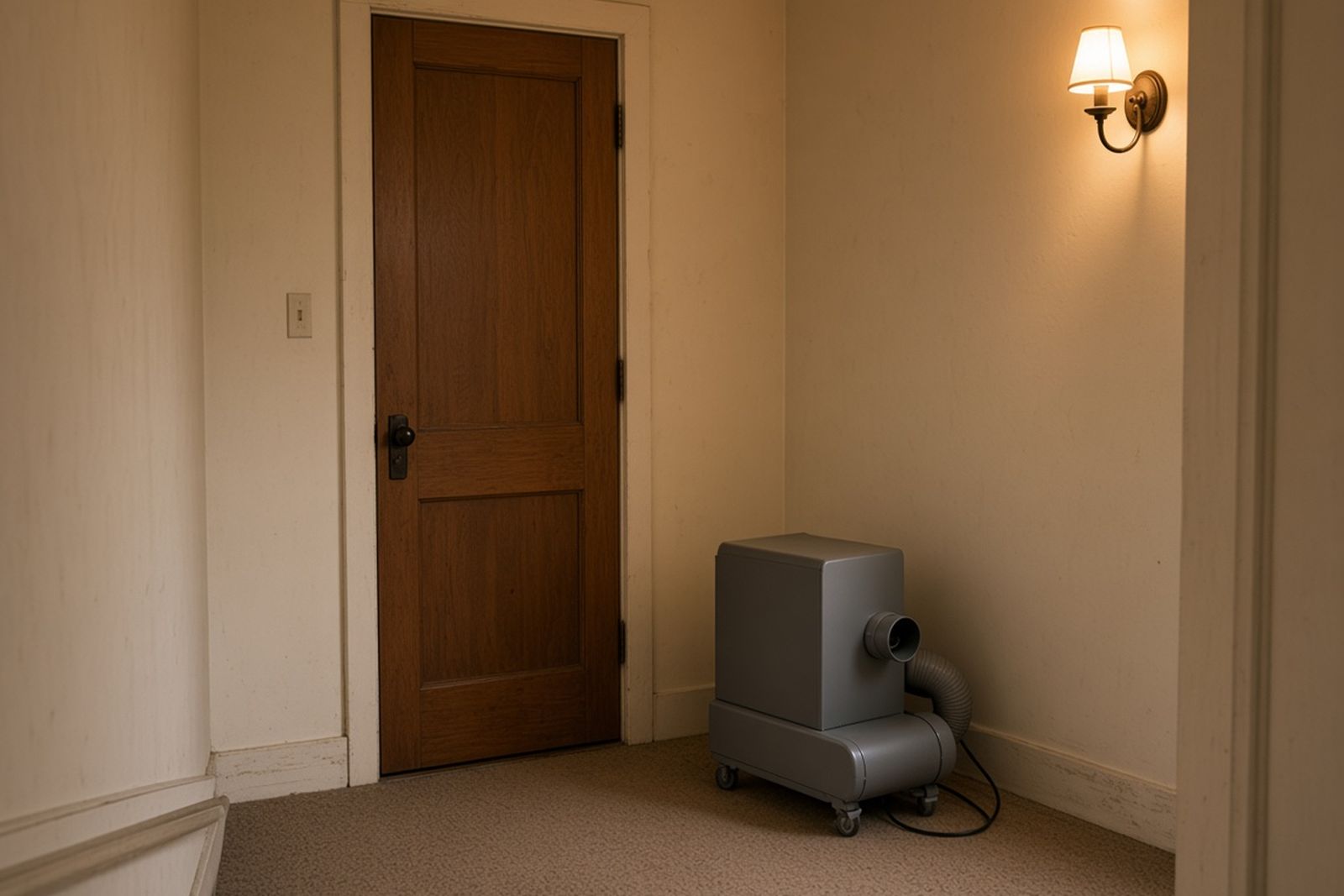
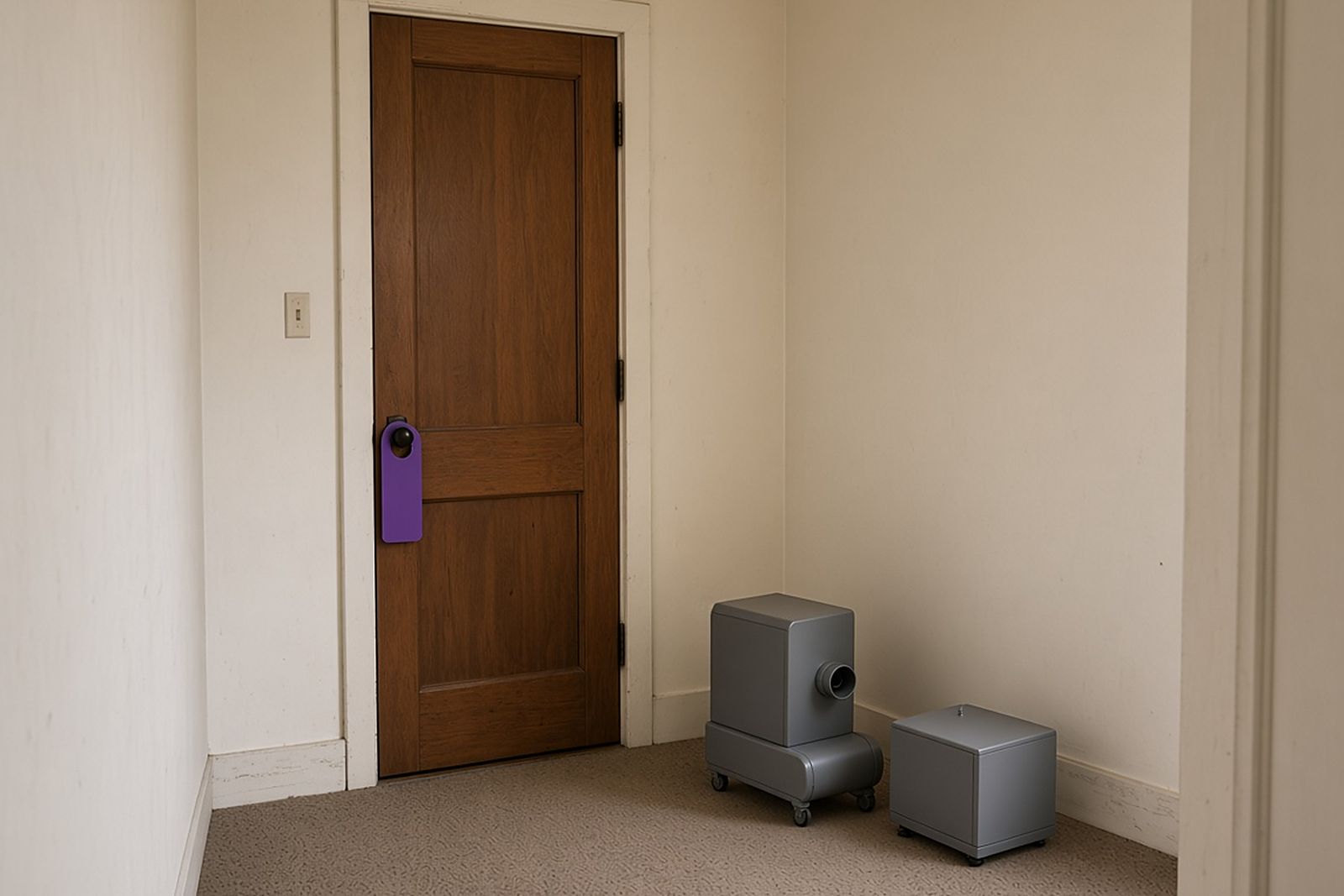
Air-filtration and odor-control units staged outside a closed door with a do-not-enter tag on the handle
Illustrative photo, not a job record. Air-filtration and odor-control units staged outside a closed door with a do-not-enter tag on the handle.

Unattended Death Cleanup figures to keep in mind

National and research figures, not Darien data. Local conditions, rules and providers vary; use these for scale and context only.

16.2 million

About 28% (16.2 million) of community-dwelling U.S. adults aged 65 and older lived alone in 2023, including 33% of older women.

Read with care: Excludes nursing-home residents.

Source: Administration for Community Living (2023)United States, adults 65+ living in the community (not institutions), 2023

1 in 3

About 1 in 3 U.S. adults report feeling lonely and about 1 in 4 report lacking social and emotional support.

Read with care: Applies to all adults; CDC notes older adults are at higher risk but gives no age-specific figure here.

Source: CDC (2024)United States, adults, national survey estimates

2.6%

Hoarding disorder affects about 2.6% of the population, with higher rates in people over 60.

Read with care: Prevalence estimates range 2-6% across studies.

Source: American Psychiatric Association (2024)General population prevalence estimate

These figures are public research and agency data, not this network's own job records. Keep each number with its population, year and limits; none of them predicts cost, timing or outcome at a specific property.

Plan before you reach out

Use the first 24 hours planner for immediate steps and the provider vetting checklist to confirm any Darien provider's training, insurance and waste path in writing.

What research has found

Findings from published studies of people and properties in situations like this one. They describe what researchers observed in a specific group; they are not predictions for your case.

Some relatives mistakenly believed police identification was compulsory for them.
Who was studied: 80 UK adults bereaved by suicide or other traumatic death; interviews 2007–2008.Limits: Purposeful sample; themes are experiences, not population frequencies.Viewing the body after bereavement due to a traumatic death: qualitative study in the UK (2010)
Some families described property-clearance deadlines shorter than one week.
Who was studied: UK interviews: 14 bereaved people experiencing poverty and 15 supporting professionals.Limits: Small purposive sample; UK housing context; not current legal guidance.How does housing affect end-of-life care and bereavement in low-income communities? (2022)

Unattended Death Cleanup community polls

Poll results

Every count is a real visitor vote; nothing is seeded or padded. One vote per poll per device, and you can change your answer.

Your experience

As a landlord, how long would you wait for the tenant's family before arranging cleanup yourself?

No visitor votes yet
Process

Which part of an unattended death project would you find hardest to manage?

No visitor votes yet

Planning cleanup in Darien?

Send a short message about the property to the follow-up inbox. A coordinator can reply by email with next steps.

Your request is sent to the follow-up inbox. A coordinator can reply by email.

If anyone is hurt or in danger, call 911 first.