Miami, FL

Unattended Death Cleanup Planning in Miami, Florida

What to do, who to contact, and what to ask in Miami.

A death found late in a Miami condo, walk-up or flat? See who clears the home, how heat and humidity change cleanup, and what papers to keep.

Get an email reply about unattended death cleanup

Send a short message to the follow-up inbox. A coordinator can reply by email. This form does not send emergency help; call 911 first if anyone is in danger.

Tell us what you need help with. Share a short description; please leave out medical details, access codes, and other sensitive information.

A request does not confirm a booking. For immediate danger, contact local emergency services.

Or email info@unattendeddeath.online

The short answer for Miami, FL

Miami heat makes a late discovery harder, and it can feel overwhelming. Before anyone cleans, the Miami-Dade medical examiner for District 11 and the police must clear the home. After that, you can get written approval from the estate, landlord or condo board, plan the way out of the building, and choose a company that removes the source of the smell.

What to do, step by step

  1. 1

    Wait for District 11 and the police to clear the home

    Your tile and floors stay in place until the District 11 examiner and the police release the home. Then get approval to throw out soaked materials from the estate, the landlord or the condo board. If your service bay or walk-up stairs have limits, say so now. Before any soft goods are moved, a careful crew photographs the doorway and the parking-deck storage. In this heat it is tempting to hurry, but these first steps protect you later.

  2. 2

    Expect a wider check because of the heat

    In the tropics, damage spreads faster than the calendar suggests. Ask the company to lift floors past the edge of the mark early and to test the foam underlayment. Your parking-deck storage should be checked, and balcony cushions and stall lockers listed. What is cut out should follow meter readings, which in Miami often show damp slab edges. Ask too that soiled items be kept off the polished concierge floors on the way to the service bay.

  3. 3

    Ask how the ducts will be closed under panels and cooling

    With panels up and cooling running, the air in your home has nowhere to go but the ducts. Ask the crew to cap the duct returns near the worst area and to control the balcony doors. Filtered air machines belong inside the sealed area, and only when nothing wet is left in your unit. A box fan aimed at soaked underlayment only spreads the smell. Odor machines come after the sources are gone. If they are used sooner, Miami humidity brings the smell back within days.

  4. 4

    Collect records that note the humidity

    Ask for a list of what was torn out and what was saved, with notes on panels and humidity and photos of the bare surfaces. The biohazard bill should be kept apart from bids for new flooring and paint. A reopening checklist comes once your drying targets hold. It should suit a Florida insurer, who will expect humidity to be part of the story. If you are a landlord, this file is also what you show the next tenant's agent.

What cleanup is like in Miami

In Miami, your building decides how things leave. High-rises in Brickell and Downtown rely on booked service bays, protected docks and association rules. In a Little Havana walk-up there is no elevator, so sealed bins go down stairs your neighbors still use. A seasonal owner's unit can sit empty until a manager goes in. Tropical heat and humidity then work fast on your unit. A gap that looks short on the calendar can still leave heavy damage in the carpet, the slab edges and the drywall. Tell the company whether your home is a high-rise, a walk-up or a garden flat before it suggests a surface wipe.

Hurricane panels and nonstop cooling seal a Miami home tight. Cracking the balcony door thins the smell for a moment, but it can push odor into the duct returns that serve your whole floor. Soft goods moved to a parking-stall locker become a second source in a humid garage. Your floating vinyl may hide damage in the foam under it. You will also be seen by more people here than in most cities, with tourists, concierge desks and rideshare traffic at the door. Ask for the service bay and opaque packing where you can. Have the parking-deck storage checked as well.

Florida's District 11 medical examiner covers Miami-Dade, not the Collier or Palm Beach districts next door, and that office controls any legal hold on the home. Local police may also limit your entry. Condo boards in Brickell usually want written instructions from the family. Keep a photo list for probate and for your insurer. Treat ozone gadgets as optional, and only after the soaked materials have left. Ask for the humidity, and whether panels were up, to be recorded. That shows an adjuster why the smell came back after a partial wipe-down.

What to expect for your type of home

  • Brickell and Downtown high-rises: before anything is carried out, the service bay must be booked and the concierge floor protected. Ask your association for the booking steps the day the unit is cleared.
  • Little Havana walk-ups: sealed bins pass your neighbors' doors on the way down. Ask for temporary runners on the stairwell, and for a short notice so nobody is surprised.
  • Homes closed up with hurricane panels: panels hold odor in for longer. Tell the company whether they were up, and ask for that to be written in your file.
  • Buildings with parking-stall lockers: blankets are often moved to a locker or storage closet on the first visit. Unlock yours for the crew, even if you think it is empty.
  • Flats built on a slab: concrete does not rule out hidden moisture. Ask for meter readings along the baseboards and under any floating floor before the company sets its price.
  • Units with a balcony: residue can be tracked outside onto the cushions. Once first responders have left, ask for the balcony cushions to be listed with the indoor items.
  • Condos with service-bay calendars: the association's bay bookings and quiet hours often set the order of work. Be wary of any company that gives you a timeline before checking them.
  • Buildings with humid parking decks: fabric moved down there dries slowly and keeps its smell. Choose early what to keep, and ask for a photo of each item.
  • Towers with a busy front desk: at peak rideshare times the lobby is crowded. Where the rules allow, ask for loads to use the service bay and skip the front desk.

Papers and records to keep

  • The District 11 clearance and the police release, both on paper
  • Written approval from the estate, landlord or board to throw out soaked materials
  • Notes on the building, high-rise, walk-up or garden flat, and whether hurricane panels were up
  • Photos of the affected rooms, the parking-deck storage and the service-bay staging
  • Meter readings for floors, baseboards and opened walls, taken in humid conditions
  • A room-by-room list of soft goods removed, including the balcony cushions
  • Which duct returns were capped, and for how long
  • Signed keep-or-discard choices for personal items in the unit and the locker
  • Waste handling records where they apply, and the reopening checklist

Local offices and official help

Common questions in Miami

Which Florida district clears a Brickell condo?

District 11 does, because it covers Miami-Dade. Collier's District 20 and Palm Beach's District 15 have no say over a Brickell property. The Miami-Dade examiner and the police finish their work first. After that, your family chooses what to keep. Put the clearance paper in your claim file right away, since the association and the cleanup company will both want to see it.
Why does Miami humidity make the cleanup more involved?

Because heat and moisture speed everything up, so a partial wipe-down fails sooner here than in a cooler place. Nonstop cooling and hurricane panels also keep the affected spots sealed inside. A good crew caps the returns early, takes out the soaked layers and checks moisture with meters. A breeze off the bay will not dry the slab edges. Ask for the conditions to be written down for your adjuster.

The unit is empty now. Why look in the parking-stall storage?

Because on the first visit people often carry bedding down to a storage cage or stall to air it. A humid Miami garage keeps that fabric smelling after the indoor work is done. Ask for a photo of each item in the stall. Then the estate or the landlord can mark each one keep or discard in writing. Soft goods forgotten in the garage often get in the way of renting the unit again.

How does a Brickell tower differ from a Little Havana walk-up when things are carried out?

A Biscayne tower needs booked dock time, and your neighbors see the work in the concierge lobby. In a Little Havana building, bags go down the stairs, and neighbors see them on the landing. Before work starts, ask the company to walk the route from the unit to the street. Notices and floor protection should then be planned for that exact path.

What bill split helps a board and an estate in a waterfront tower?

Ask for the cleanup on one bill and any upgrades on a separate quote. The cleanup bill should also note whether hurricane panels were up, since that explains much of the cost. Ask for photos of the bare surfaces after removal. In a Biscayne waterfront tower, where the board and the estate may both go over the spending, those photos cut down on disputes.

What if a storm is coming during our Miami cleanup?

The work may have to pause. In hurricane season a storm warning can stop everything, and building management may lock down the loading dock and elevators. A good crew seals and secures its bins, closes up the unit, and removes packed waste if there is time. After the storm, the unit is checked for new water before work starts again. Ask about a storm plan when you first set the dates.

Our Little Havana walk-up has jalousie windows and window units. Does that matter?

Yes. Older walk-ups often have jalousie windows and wall or window air conditioners in place of central air. Jalousies do not seal tightly, so odor can drift out toward your neighbors. A window unit can pull odor into its filter. Ask for the units to stay off and for the windows to be covered from inside during the work. Afterward, the filters should be checked or replaced.

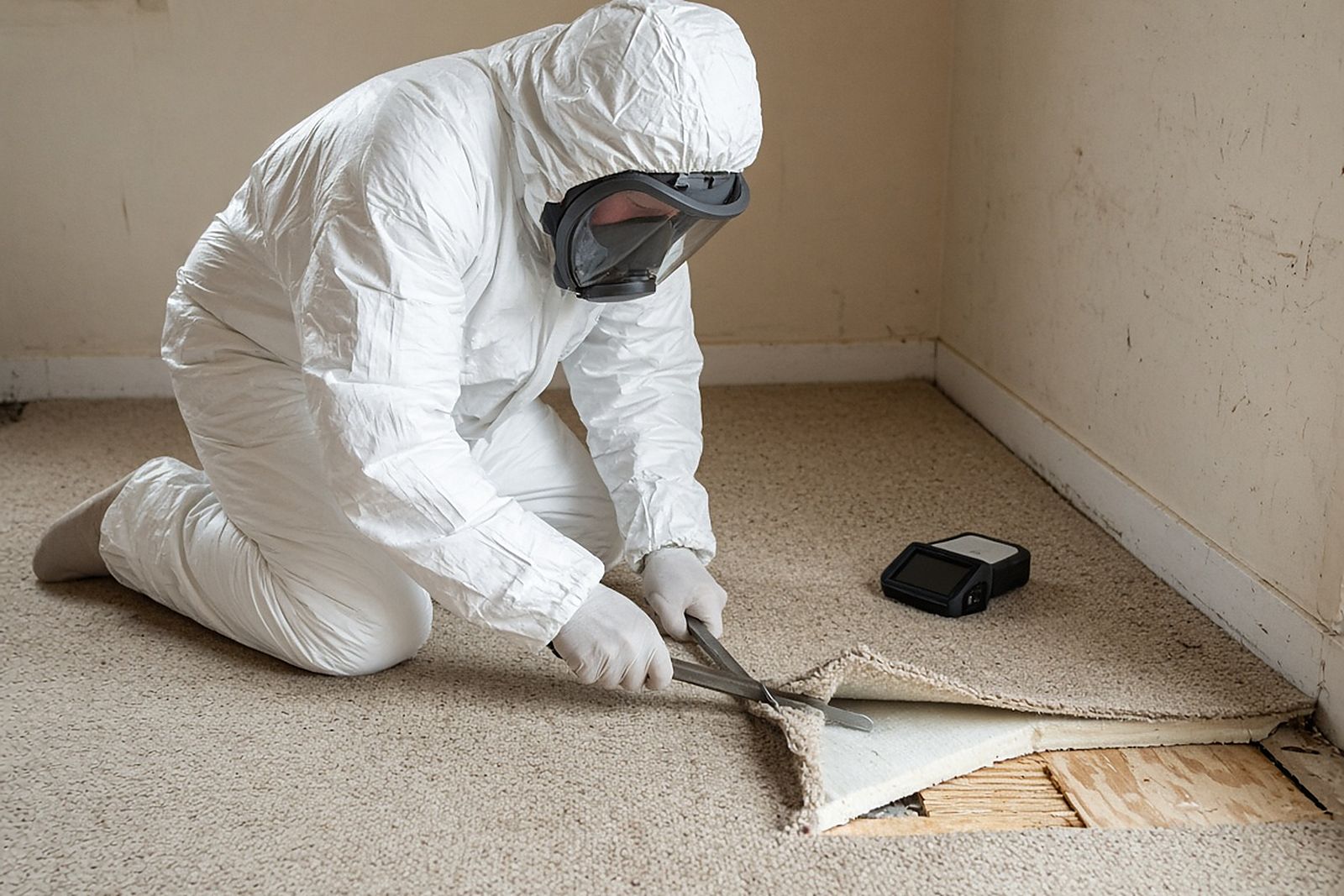
Technician in a full-face respirator cutting back carpet and pad to expose the subfloor
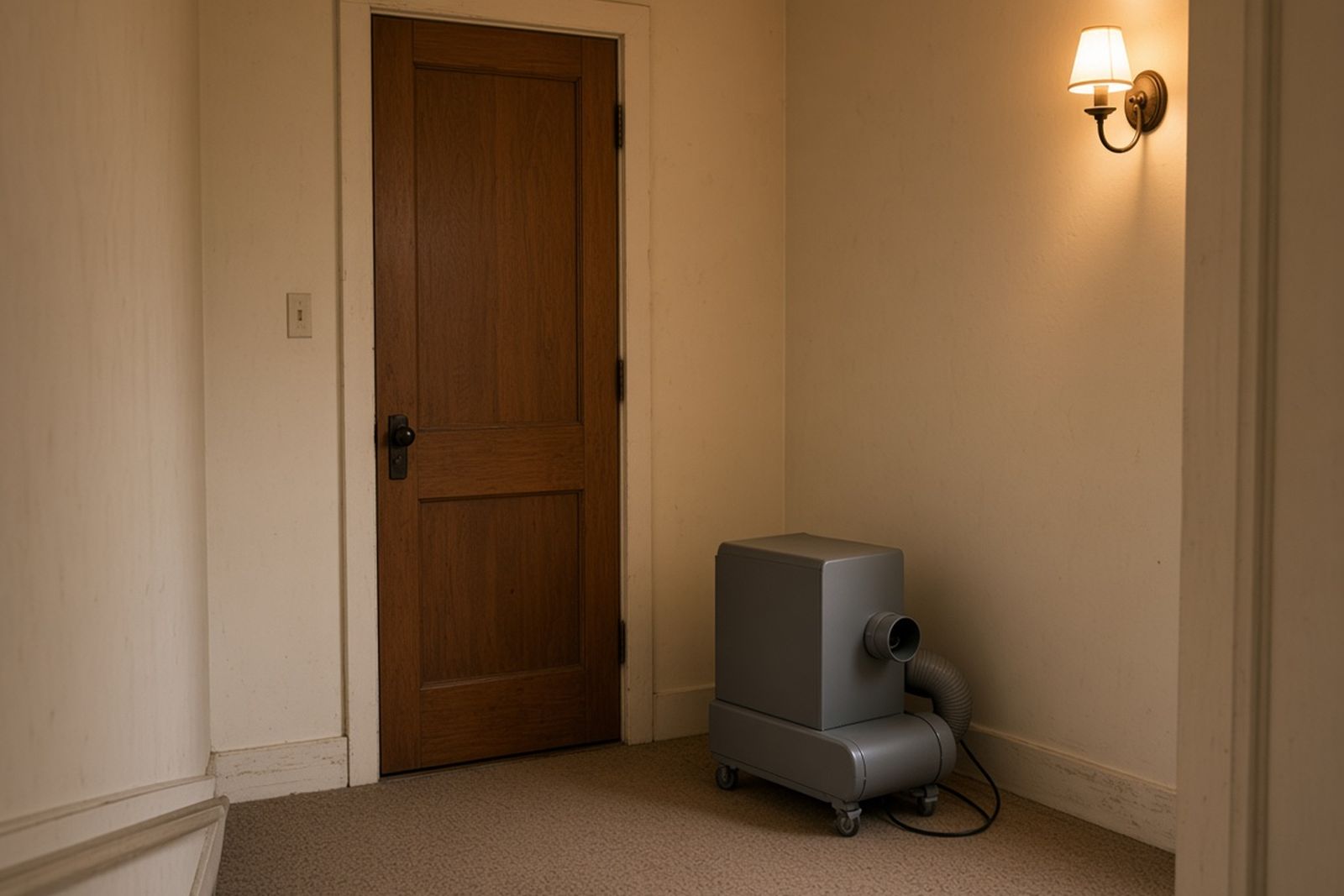
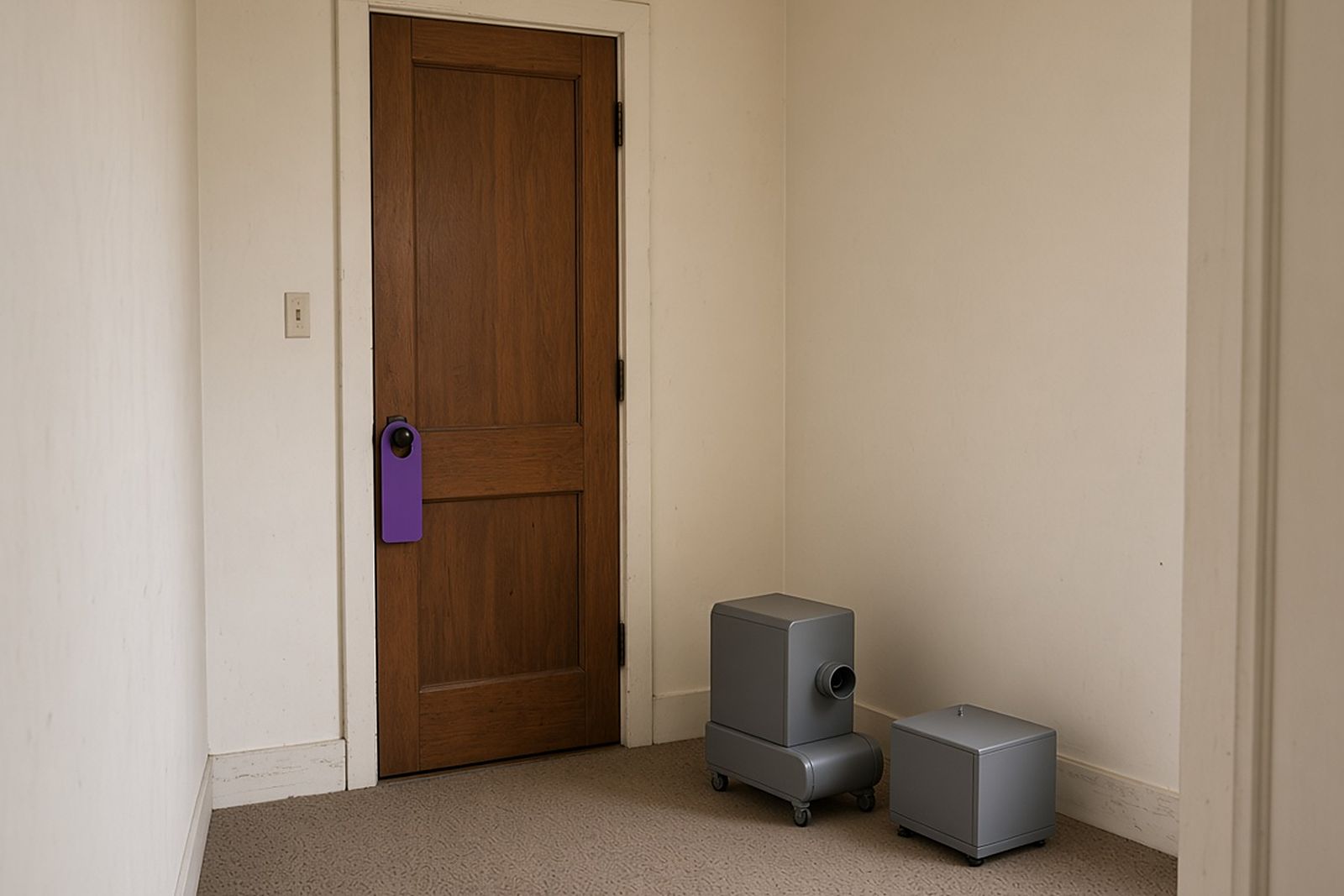
Air-filtration and odor-control units staged outside a closed door with a do-not-enter tag on the handle

Facts worth knowing

  • In a Swedish survey of suicide-bereaved parents, some who regretted viewing their child's body wished they had been better prepared for it.

    Why it matters: Before a viewing, you can ask staff to describe exactly what you will see so nothing comes as a shock.

    Source: Omerov et al., 2014

  • In a UK interview study, 35 of the 49 bereaved people who chose to view or identify the body said it was the right decision; nine had mixed feelings.

    Why it matters: If you are unsure about viewing, it may help to know most people in this small study felt they chose right.

    Source: Chapple et al., 2010

  • In interviews with 34 Brazilian relatives, some said images of finding the person stayed with them long into their grief.

    Why it matters: You do not have to go back into the room or clean it yourself, and you can tell a doctor if images keep returning.

    Source: Marchionatti et al., 2026

Tools that help right now

What would you do?

Poll results

Vote to see how other people answered. You can change your answer at any time.

Your experience

As a landlord, how long would you wait for the tenant's family before arranging cleanup yourself?

Be the first to vote
Process

Which part of an unattended death project would you find hardest to manage?

Be the first to vote

Need help in Miami?

Send a short message about the property to the follow-up inbox. A coordinator can reply by email with next steps.

Your request is sent to the follow-up inbox. A coordinator can reply by email.

If anyone is hurt or in danger, call 911 first.