West · US

Unattended Death Cleanup Planning in Phoenix, Arizona

Planning unattended death cleanup in Phoenix, AZ

Phoenix cleanup planning for homes on a slab. Desert heat speeds up the body's breakdown, carpet pad soaks wide, and your HOA may limit dumpsters. This is planning guidance, not a claim of a local office or crew in Phoenix.

Get an email reply about unattended death cleanup

Send a short message to the follow-up inbox. A coordinator can reply by email. This form does not send emergency help; call 911 first if anyone is in danger.

Tell us what you need help with. Share a short description; please leave out medical details, access codes, and other sensitive information.

A request does not confirm a booking. For immediate danger, contact local emergency services.

Or email info@prompartybuses.com

Direct answer

The short answer for Phoenix, AZ

In Phoenix, desert heat, stucco homes on concrete slabs, swamp coolers in older houses, and large HOA communities shape what a late discovery looks like. The body breaks down fast indoors. Fluid soaks deep into soft materials. Odor escapes into shared attic or hallway spaces. This page is a planning guide. It covers how far fluid soaked in, the paths air takes through the AC and cooler, working with the estate and landlord, privacy, and records. Nothing here invents Phoenix ordinances or promises that a crew is nearby.

Editorial guide · Biohazard Remediation NetworkUpdated 2026-07-22Location focus: Phoenix, AZ

Local planning context

Most Phoenix homes are built on concrete slabs, with stucco outside, tile roofs, and carpet or vinyl inside. Many sit in HOA communities with rules on looks and staging. When someone dies alone in a closed, air-conditioned house and is not found for days, the extreme summer heat makes the body break down much faster. Carpet pad and particle-board furniture fail quickly. Fluid can reach the bottom wall boards and cabinet spaces while the yard outside still looks normal. Focus first on the sources inside. Opening the house to the outdoors does little once the pad is soaked.

Older Valley neighborhoods may still use swamp coolers, which push large amounts of air through ducts or window units. That air can spread smell from room to room in a different way than regular AC. If the returns leak, the attic above a hot ceiling can become a second pocket of odor. Insects still matter in a dry climate, because body fluids bring moisture indoors. Gated HOA communities add steps to get in, like codes, guard notes, and limits on dumpster spots. Those steps affect how quietly soiled materials can leave after release.

The Maricopa County Medical Examiner and any police hold control when cleanup can start. Once Maricopa County releases the home, the landlord and the estate should settle who gets which belongings. This matters in the many investor-owned rentals across the Valley. On tight lot lines, neighbors watch the driveway, so plan for privacy. Record the HOA limits, moisture findings, and what was removed. Then the rebuild crew starts with a clean, dry base and does not paint over a smell that was never fixed.
Property considerations

Carpet on a slab: expect the pad to be soaked over a wide area, since heat speeds up the release of fluid.

Swamp cooler ducts may move smell differently than regular AC. Trace both if the home has both.

HOA rules can limit dumpsters, parking, and daytime noise. Plan a quiet load-out early.

Particle-board cabinets and vanities often swell and hold fluid after a late discovery.

Leaky attic returns above hot ceilings can pull odor chemicals up into the insulation dust.

Block walls and tiled baths still need a check at the cabinet base and where tile meets carpet.

Response-planning framework

Release, HOA access, and who can approve

Confirm the official release. Then gather gate codes, HOA staging rules, and written permission from the owner or estate. Photograph the driveway and side yard before equipment arrives. In an investor rental where the owner lives far away, settle who approves throwing out furniture.

Trace the fluid with the heat in mind

In extreme heat, fluid can travel farther through the pad than the stain suggests. Measure moisture past the marks you can see. Open the cabinet kick plates and check where carpet meets tile. If you can smell odor outside the main room, note any path through the attic or cooler.

Control the air before any tear-out

Turn off or close off the cooler and AC returns that serve the worst area. Do not let cooler air blow across wet materials. Put up plastic walls and air filters that hold dust inside the work zone, and run HEPA scrubbers there. Fresh desert air through open doors is not the same as a finished cleanup.

Remove the source and hand off the records

In a stucco slab house, that means pulling carpet and pad back to where readings are dry. Then scrub the bare concrete and let desert air and dehumidifiers finish the drying. Give photo lists to the estate and insurers. List rebuild items on their own, so HOA looks rules are not mixed up with the biohazard work.

Documentation checklist

  1. 1Maricopa County release notice
  2. 2Access permission from the owner, estate, and HOA
  3. 3Photos before tear-out, including pad edges and cabinets
  4. 4Moisture map that reaches past the stain lines
  5. 5Notes on how the AC or swamp cooler was shut off
  6. 6List of soft materials and furniture removed
  7. 7Regulated waste records when they apply
  8. 8Rebuild list for flooring, cabinets, and paint

Official resources

Questions for this location

Does dry desert air make an unattended death cleanup in Phoenix smaller?

Dry air outside does not protect a closed, air-conditioned home where a body has not been found. Indoor heat speeds up the breakdown and the release of fluid onto carpet pad, furniture, and cabinets. Those soaked materials cause the smell and the health risk, no matter how dry the patio feels. A swamp cooler or AC left running can move odor chemicals through the house. Insects can still show up indoors when moisture and body matter are there. Plan around what is inside the house and how air moves. Do not assume the desert will dry out the scene safely by itself. Think of dry air as an outdoor fact only. Inside a closed house, heat and fluid are what matter. Your records should describe the floors and walls, not the weather. Weather myths tempt people to plan too small a job.

How do HOA rules in Valley communities affect cleanup?

Many subdivisions limit where bins may sit, how long trucks may idle, and what outside work can be seen from the street. Those rules do not change the need to remove soaked pad. They do change how the crew sets up. Get HOA contacts early. Ask for short-term exceptions in writing if you need them. Use covered carts that protect privacy. Time the load-out so fewer neighbors gather. Record any limits that shaped the workday, so insurers understand why materials left in stages. Working out HOA details along with estate permission avoids stops partway through. A stop can leave an open tear-out sitting in a hot house longer than needed. Before cutting floors, ask which exceptions the HOA will really allow. You do not want soaked materials sitting inside a hot house overnight while you wait on a dumpster waiver. Keep the written HOA notes in the job file next to the estate's permission.

Why check the cabinets in a kitchen or bathroom next to where the person was found?

Body fluid and cleaning runoff flow to low points, including the kick space and the bottom of particle-board cabinets. Heat makes that material swell and hold odor faster. Families who pull only the bedroom carpet often miss a soaked vanity base. It keeps smelling each time the air handler runs. A good check opens the kick plates and looks for dark or soft spots. Decide to remove or clean based on how soaked the wood is, not on whether the doors still close. Photograph the inside of the cabinets for the estate. In slab homes, failed cabinets are a common reason the smell comes back after new flooring goes in. If particle board has swollen, plan to remove those cabinets as part of removing the source. Paint will not seal in the odor. Notes on the cabinets also help rebuild estimators price new ones without reopening soiled kick spaces later.

What is the risk of running a swamp cooler in an older Phoenix home before cleanup?

Swamp coolers move a lot of air. They can carry odor and fine residue from wet materials through every connected room. Running a cooler to air out the room before the source is removed often spreads the problem into hallways and other bedrooms. The safer choice is to shut it off or close it off during the assessment and tear-out. After the soaked materials are out and surfaces are clean, check whether the cooler pads or duct dust held onto the smell. Replace soiled filters or pads as the evidence shows. Treat the cooler as part of the building, not as a stand-in for removing soaked pad and furniture. If the cooler pads are heavily soiled or smell after the event, replace them. Clean the pans you can reach before calling that air path safe. Write that step down so owners know the cooler was checked, not ignored.

How should out-of-town investors handle an unattended death in a Phoenix rental?

Owners who live far away need a clear local chain of approval. That includes the manager's right to enter, estate contacts, and written approval for tear-out beyond emergency board-up. Require photos before and after materials are removed, moisture notes, and a list of belongings before anything is thrown out. Be clear about who pays for cleanup and who pays for the rebuild, and keep those bills apart. Ask for proof that the scene was officially released before approving work. Give privacy instructions on how managers talk with neighbors and HOA boards. Clear remote planning cuts down on mixed texts that stop work partway through. It also leaves a cleaner file for insurance and for disclosures if the home is sold. Ask for a same-day photo set after each big stage of tear-out. Then the owner can approve changes without flying in. Clear remote approvals keep soaked materials from sitting while email threads stall.

Who releases a Phoenix home after an unattended death?

Phoenix falls under the Maricopa County Office of the Medical Examiner. That office, along with any police investigation, decides when the home is released. Wait for that confirmation before anyone starts cleaning. Family members out of state can contact the office to learn the timeline. After release, the owner, landlord, HOA, or estate representative approves entry and disposal in writing. That keeps the work, and any insurance claim, on solid ground.

Should the air conditioning stay off in a Phoenix house after discovery?

This is a balance. Summer heat inside a closed Phoenix house can harm belongings and make the smell worse. But running the system can spread odor through ducts, which often run through the attic. If you can, set the thermostat so the house does not overheat. Keep the affected room's door closed and cover any vent in that room. Tell the cleanup crew exactly what you did, so they can plan how to close off the ducts.

Contact

Get help by email

Send a short message for an email reply about unattended death cleanup planning questions for the Phoenix area.

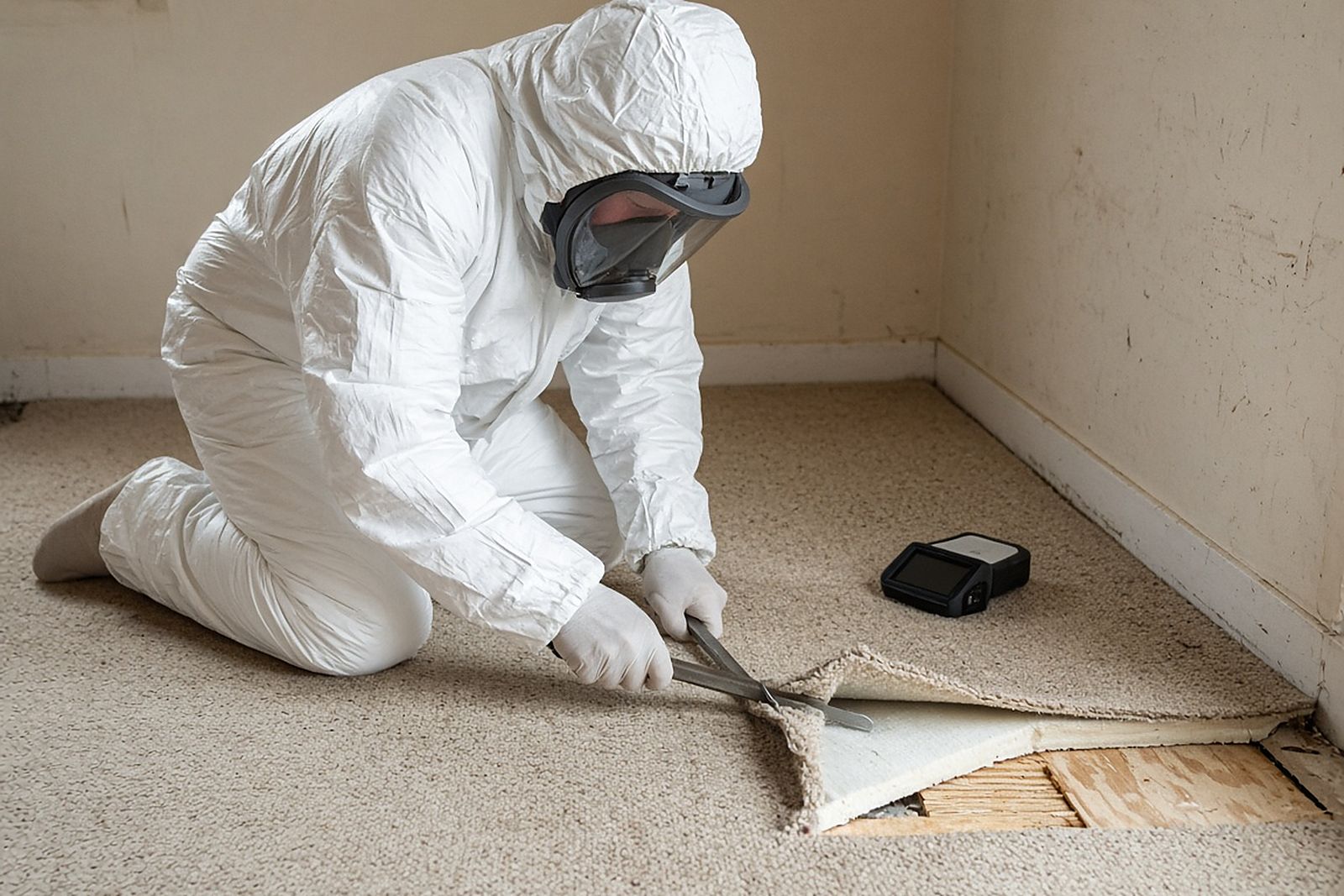
Technician in a full-face respirator cutting back carpet and pad to expose the subfloor
Illustrative photo, not a job record. Technician in a full-face respirator cutting back carpet and pad to expose the subfloor.
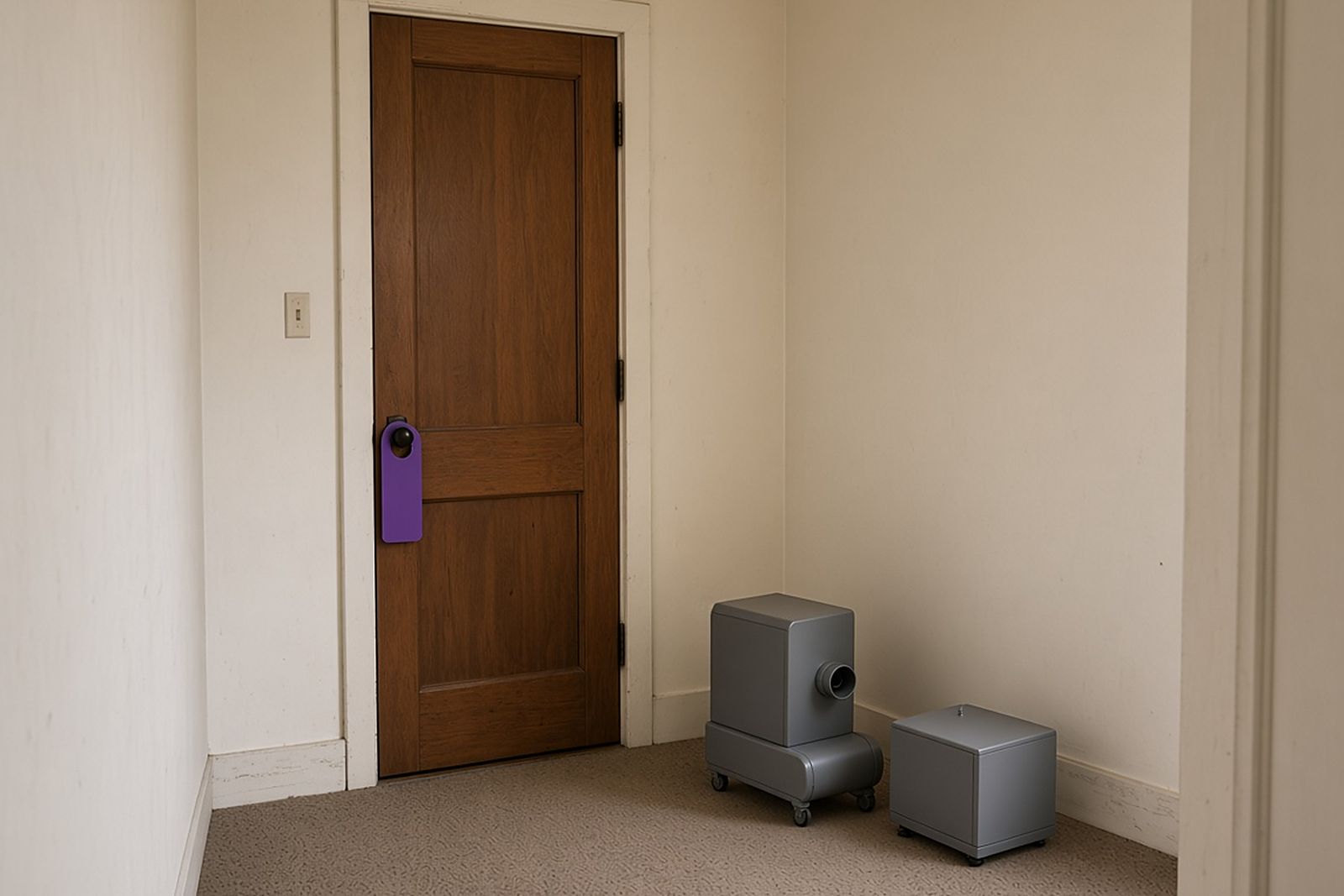
Air-filtration and odor-control units staged outside a closed door with a do-not-enter tag on the handle
Illustrative photo, not a job record. Air-filtration and odor-control units staged outside a closed door with a do-not-enter tag on the handle.

Unattended Death Cleanup figures to keep in mind

National and research figures, not Phoenix data. Local conditions, rules and providers vary; use these for scale and context only.

99

99 of 159 consistent non-viewer respondents did not wish they had viewed.

Read with care: Observational; no causal effect established; item denominators differ.

Source: Omerov et al. (2014)666 Swedish suicide-bereaved parents; surveyed 2–5 years after loss.

16%

16% of FEP claimants first heard about support through a funeral provider.

Read with care: Historical benefit-service experience, not current entitlement; entirely proxy-completed applications excluded.

Source: UK Department for Work and Pensions et al. (2021)765 UK Bereavement Support Payment (BSP) and 764 Funeral Expenses Payment (FEP) claimants; January 2021 interviews.

1-3 days

Blow flies can locate a body and begin laying eggs within minutes of death, and the eggs hatch in 1 to 3 days.

Read with care: Fly access indoors depends on open windows, vents and season.

Source: North Carolina State University, Department of Entomology (2024)General forensic entomology reference, outdoor and accessible indoor remains

These figures are public research and agency data, not this network's own job records. Keep each number with its population, year and limits; none of them predicts cost, timing or outcome at a specific property.

Plan before you reach out

Use the first 24 hours planner for immediate steps and the provider vetting checklist to confirm any Phoenix provider's training, insurance and waste path in writing.

What research has found

Findings from published studies of people and properties in situations like this one. They describe what researchers observed in a specific group; they are not predictions for your case.

Some parents regretting viewing described seeing a decomposed body.
Who was studied: 666 Swedish suicide-bereaved parents; surveyed 2–5 years after loss.Limits: Observational; no causal effect established; item denominators differ.Viewing the Body after Bereavement Due to Suicide: A Population-Based Survey in Sweden (2014)
Transport costs made moving a deceased relative's belongings harder.
Who was studied: UK interviews: 14 bereaved people experiencing poverty and 15 supporting professionals.Limits: Small purposive sample; UK housing context; not current legal guidance.How does housing affect end-of-life care and bereavement in low-income communities? (2022)

Unattended Death Cleanup community polls

Poll results

Every count is a real visitor vote; nothing is seeded or padded. One vote per poll per device, and you can change your answer.

Your experience

As a landlord, how long would you wait for the tenant's family before arranging cleanup yourself?

No visitor votes yet
Process

Which part of an unattended death project would you find hardest to manage?

No visitor votes yet

Planning cleanup in Phoenix?

Send a short message about the property to the follow-up inbox. A coordinator can reply by email with next steps.

Your request is sent to the follow-up inbox. A coordinator can reply by email.

If anyone is hurt or in danger, call 911 first.