Rowhouses on Capitol Hill and in Shaw share brick party walls, and many have an English basement, a unit set half below ground. After a discovery upstairs, that lower unit often needs checking too. Northwest blocks near Dupont Circle still rely on walk-up stairs, so sealed totes pass other households. In Southwest and downtown towers, your concerns are dock bookings and lobby runners instead. Someone living alone may go unnoticed until the utilities lapse or a welfare check is asked for. Meanwhile the cooling keeps the house shut. Before anyone prices a simple wipe, say whether yours is a rowhouse, a walk-up or a tower.
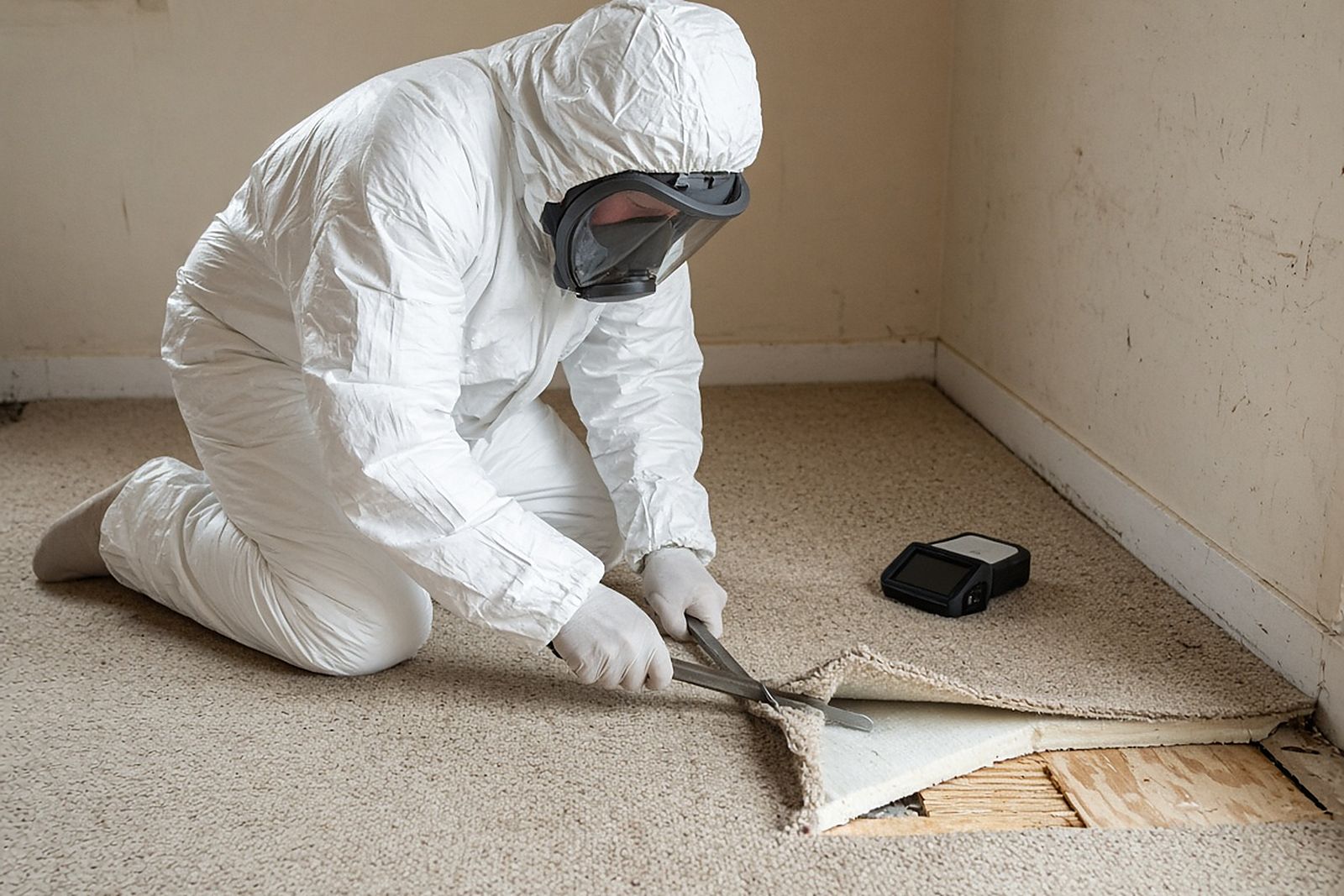
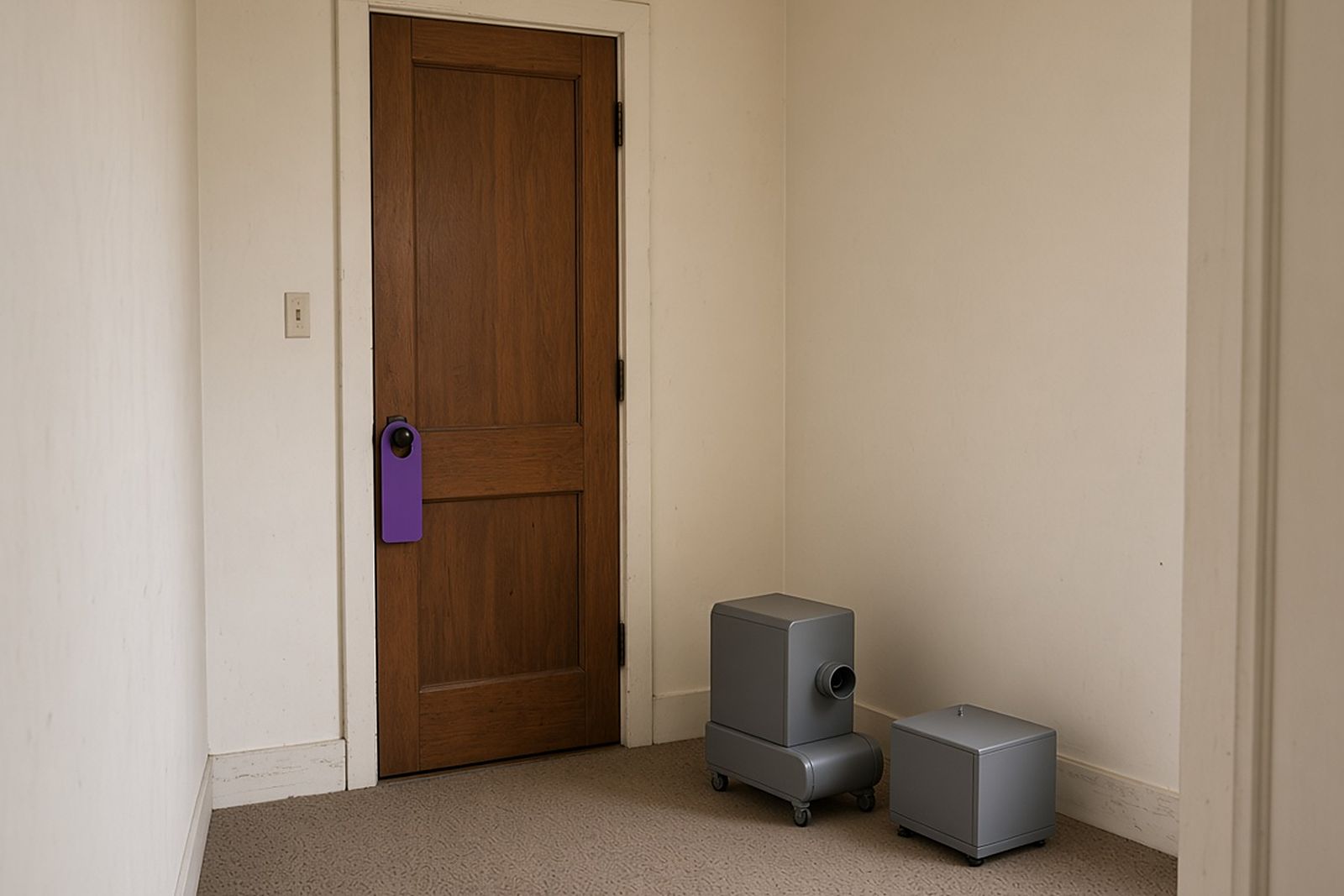
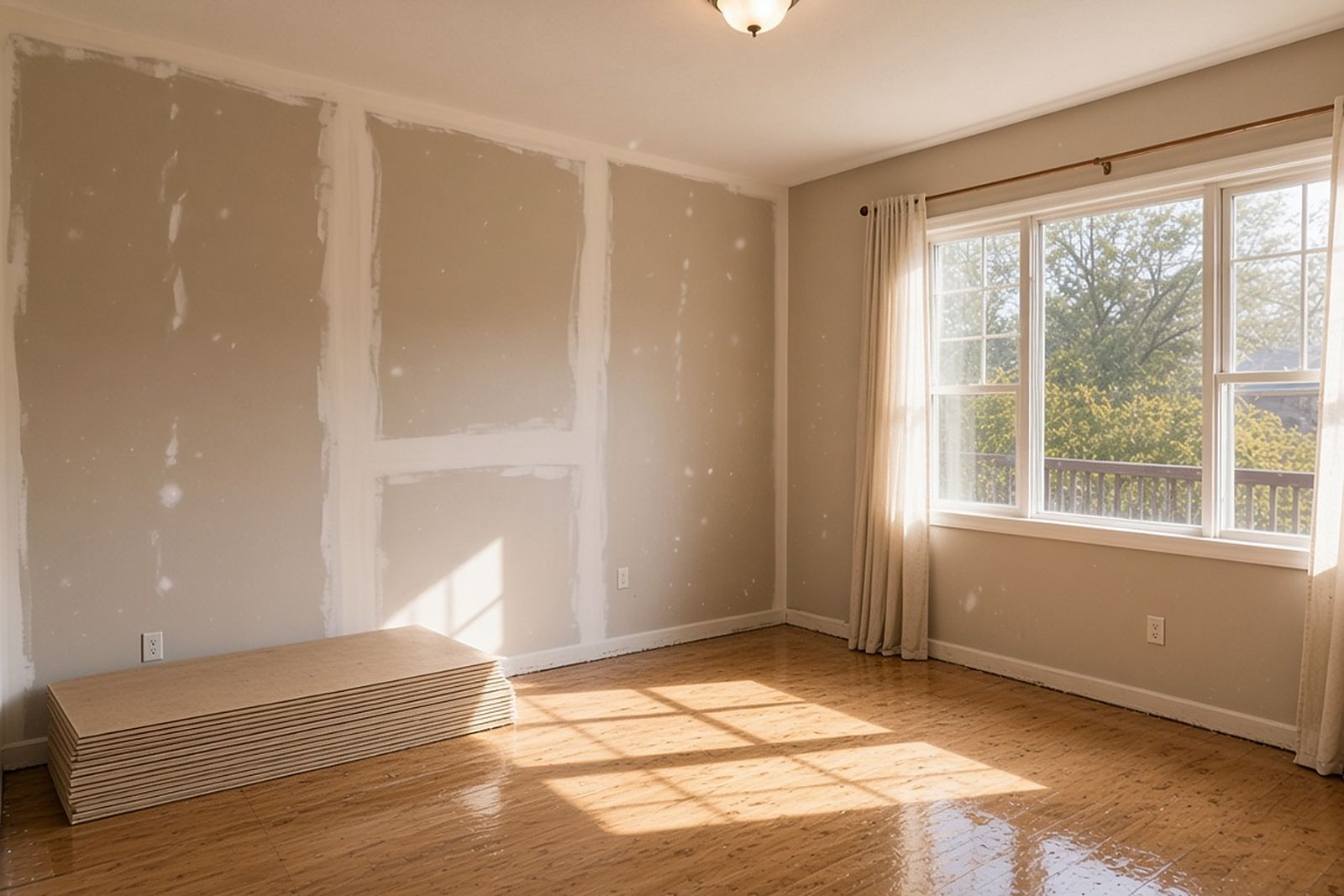
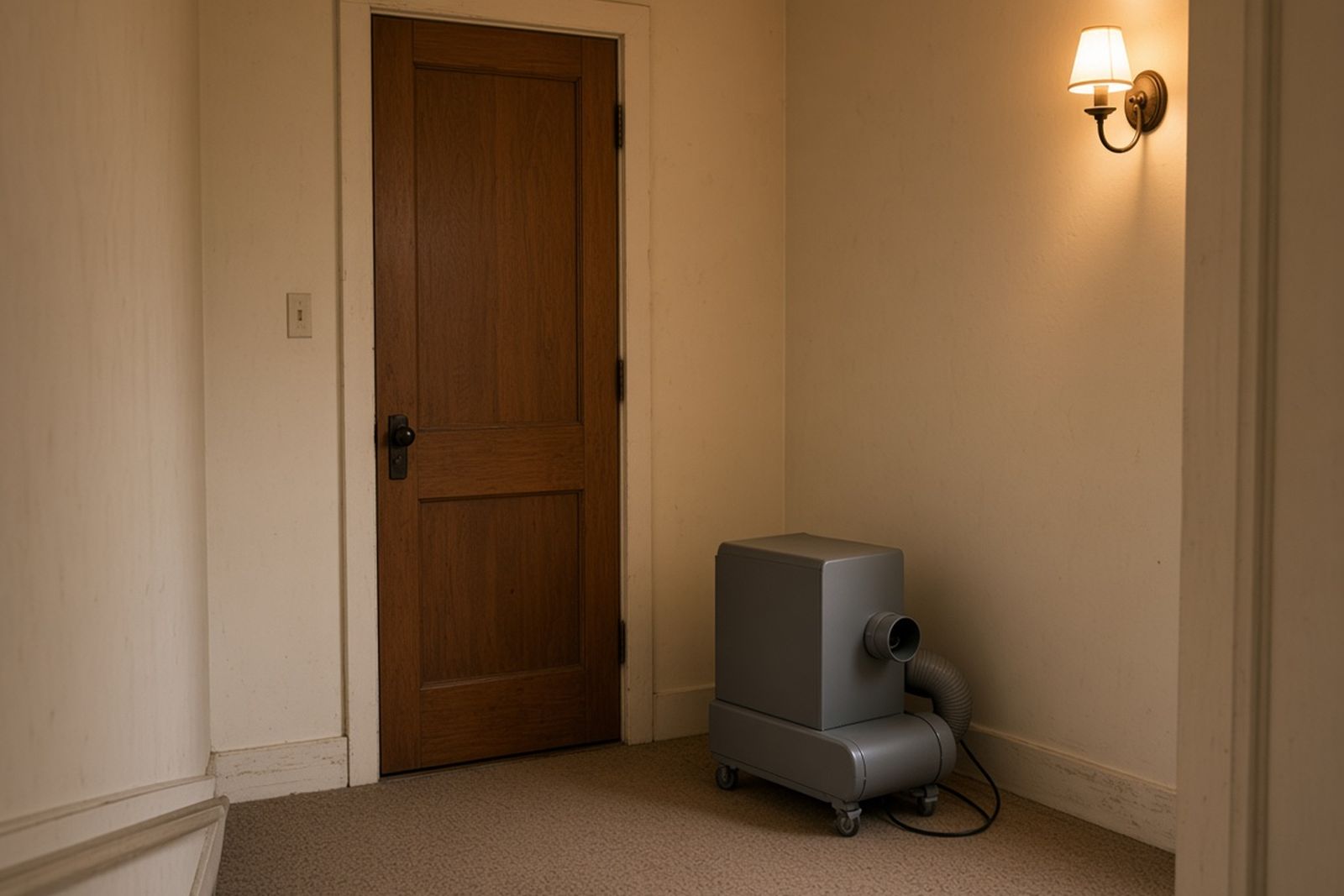
In July and August, air conditioning moves odor into shared halls whenever a unit door is left open, so please keep yours closed. In winter, a heat pump causes the same sealed-house problem. Fabric carried to a bike room or basement storage cage on the first visit is easy to forget, and it keeps smelling. In a remodeled rental, floating vinyl over foam can hide a wet area wider than the bed. A good crew seals the worst area and checks moisture in every room, your basement included. Soaked layers come out first. A store-bought odor gadget comes last, if you use one at all.
The District of Columbia Office of the Chief Medical Examiner covers only addresses inside the District. Maryland's statewide examiner in Baltimore and Virginia's districts cannot clear your address, and Metropolitan Police holds may still block entry. Once cleared, you and the landlord, condo board or personal representative should write down what to save, such as papers and valuables found near affected soft goods. Ask for covered carts in the rear alley, since a scene on the front stoop feeds talk on a crowded block. Have the bare surfaces photographed for probate and your insurer.