Short answer
A body breaking down after death harms materials the same way in any building. But business and home cleanups after an unattended death differ in four ways. They differ in who controls the space and how many people are affected. They differ in how odor moves through larger systems and what paperwork is expected. Homes center on an estate and belongings. Business sites add guests or tenants, operators, brand worries, shared heating and cooling systems and formal reports to owners and insurers.
Unattended deaths outside private homes
Most people assume an unattended death happens in a house or apartment, and many do. But a person can also die alone in other places. It might be a hotel room over a long weekend or an office after hours. It might be a senior living apartment run by a company, or a group home. It might be a storage unit, a car parked in a garage or a warehouse that few people visit.
Each of these is a business or institution setting, even if the room looks like a bedroom. The group that runs the building usually controls the space once officials release it. That changes who makes choices and how the cleanup is planned.
The way a body breaks down is the same everywhere. What differs is the building, the people around it and what the person in charge expects.
Who signs off when the building is not a private home?
In a privately owned home, the estate's representative usually makes the choices about both the building and the belongings. This is often a spouse, an adult child or a named executor. Sometimes an insurer is involved. If the home is rented, the landlord controls the building and the estate controls what is inside.
In a business setting, the operator usually controls the room and the building. A hotel's general manager, a senior community's director or a warehouse's site manager may be the first contact. But a company risk or legal team often has the final say. The person's belongings still belong to the estate. So there is a second person who must decide things, and they may be hard to reach.
Put the split of authority in writing early. One simple email can say who approves building work and who directs the handling of personal items. That prevents many problems later.
Group homes and supportive housing add another layer. A case manager, a guardian or a public agency may have a role in the resident's affairs. There may be rules about how the resident's property is listed and released. Ask the operator early who needs to be told. Then the crew does not wait for a signature nobody knew was needed.
Odor in large buildings vs houses
In a stand-alone house, odor mostly stays inside the home, though it can drift to a garage or attic. The main job is getting it out of drywall, flooring, furniture and the home's own ducts.
In apartment buildings, hotels and senior communities, odor has many more ways to escape. Shared hallways, central air handlers, trash chutes, pipe shafts and gaps around pipes can all carry it to nearby rooms. Guests or residents may notice it long before anyone knows where it comes from.
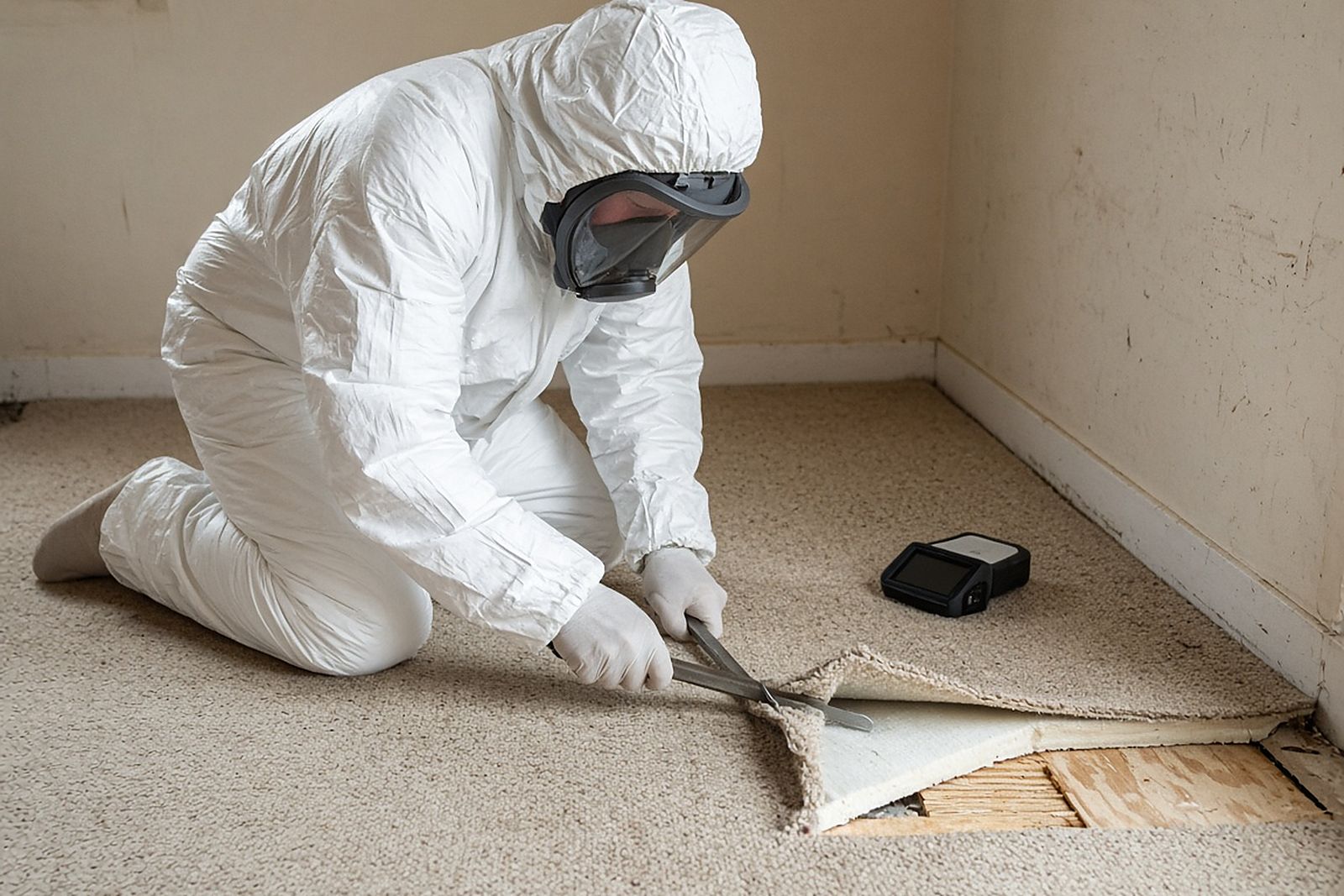
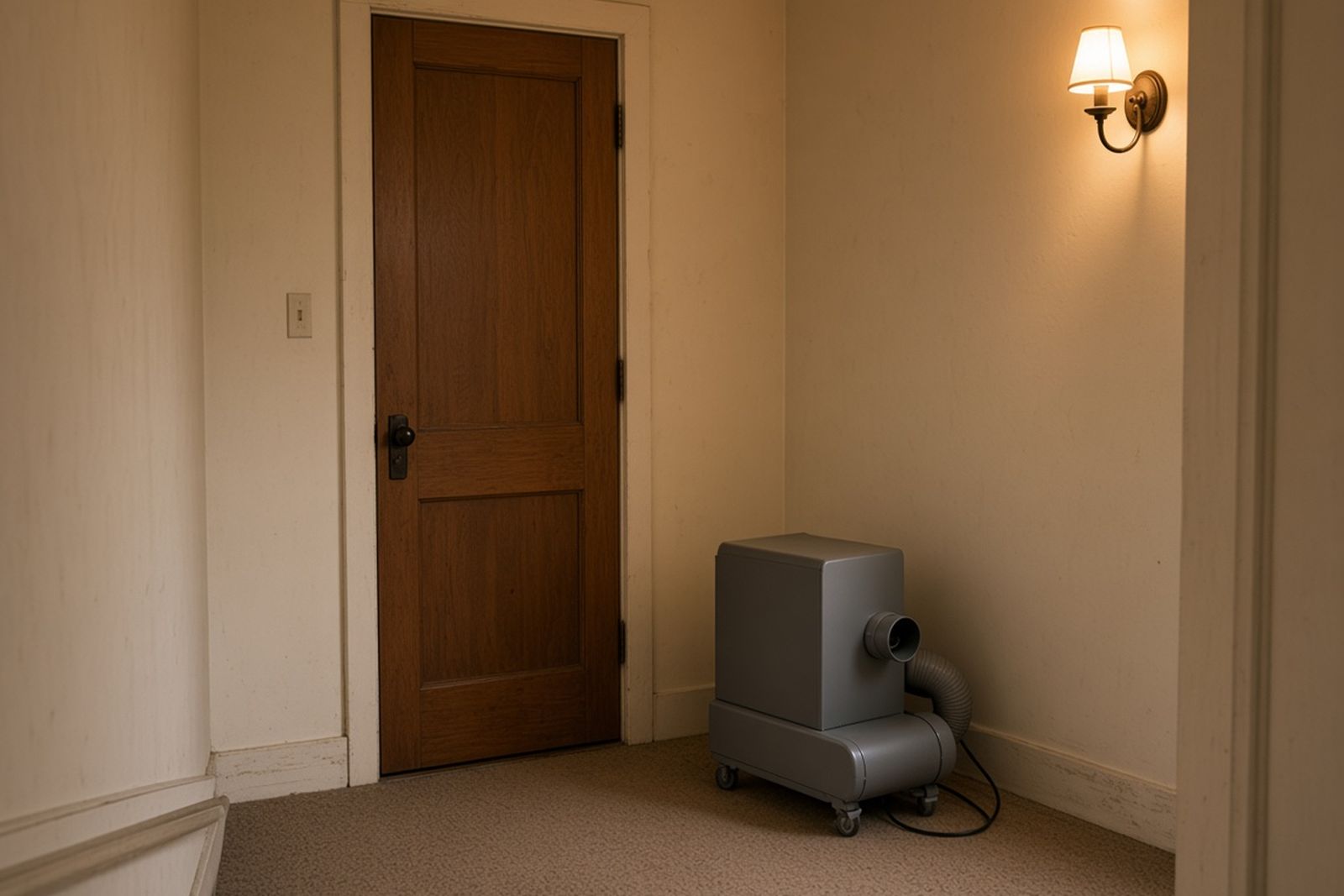
So business jobs often include sealing gaps and cutting the room off from the shared air supply and return. Crews may set up air filters and plastic walls that keep dust inside the work area. They check nearby rooms and sometimes treat hallways. The cleanup company may need the building's maintenance staff on hand to shut down or adjust shared systems safely.
Materials and furnishings that change the scope
Homes tend to have personal furniture, bedding, wall-to-wall carpet over plywood and a lifetime of belongings. Much of the work time goes to sorting, protecting keepsakes and removing flooring layer by layer.
Business spaces often use standard furniture and harder finishes. A hotel room may have commercial carpet glued to concrete, a mattress and box spring owned by the hotel and vinyl wall covering. A senior living apartment may have sheet vinyl, grab bars and a pull-cord alarm. An office may have carpet tiles, a raised floor or a drop ceiling.
Concrete floors and hard business finishes can sometimes limit how far fluids travel, compared with a wood subfloor. But they also hide fluid under glued flooring and in the joints in the concrete. Every building has its own weak points. The inspection should look for them instead of assuming.
- Hotel: bedding and furniture owned by the operator, glued carpet, shared hallway air
- Senior community: the resident's belongings, fixtures owned by the operator, call systems, nearby residents
- Office or warehouse: carpet tile or sealed concrete, shared heating and cooling, business equipment
- Storage unit: estate belongings in boxes, metal walls, concrete floor, little fresh air
- Private home: personal belongings, wood subfloor, attached garage or basement
Protecting other residents, guests and staff
In a private home, the people most affected are usually family members, and maybe a neighbor who noticed something was wrong. The cleanup can go on quietly without much public contact.
In senior communities, many neighbors live alone. They may feel shaken to learn that someone nearby died without being found. The Administration for Community Living reported that about 42% of U.S. women aged 75 and older lived alone in 2023. Operators of these communities often respond with check-in programs and gentle messages instead of detailed announcements.
Staff in business settings may have found the person or known them well. Housekeepers, maintenance workers and front-desk staff should be kept out of the affected area and offered support. They should never be asked to do the cleanup themselves. Guests and residents should get short, respectful notices about work schedules and any closed rooms, with no personal details.
A hotel room and a family home, side by side
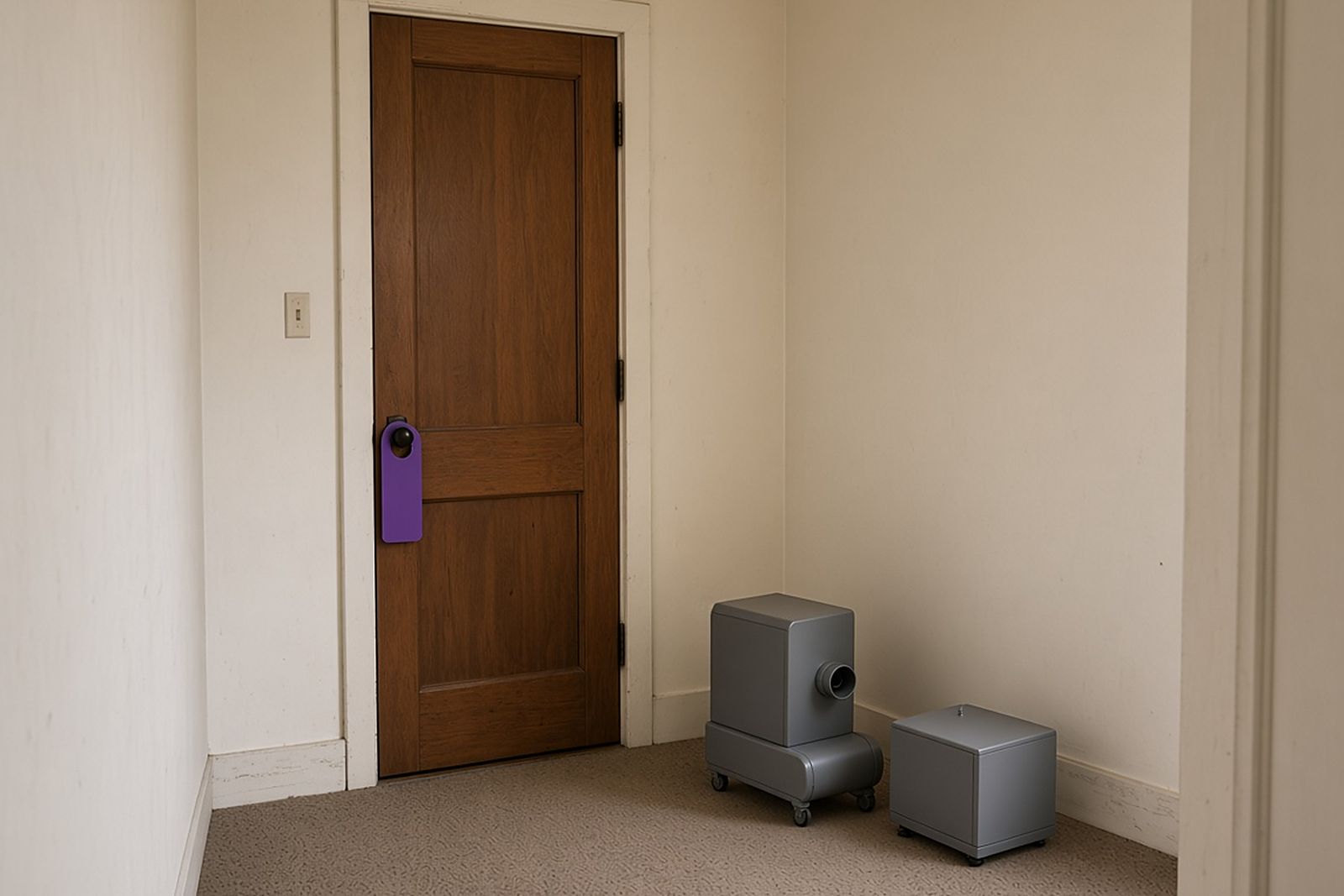
Two made-up cases show the contrast. In the first, a hotel guest on a long stay dies in his room. He had hung a do-not-disturb sign and paid ahead, so housekeeping does not go in for five days. After release, the hotel's manager and the brand's risk team approve a scope of work. It includes removing the mattress, box spring and a section of glued carpet and cleaning the concrete under it. It also includes sealing the room's air vents, treating nearby rooms for odor and checking the hallway air return. The guest's suitcase and laptop are cleaned, listed and held for his family.
In the second, a widow in her eighties dies in her own house. A neighbor finds her about a week later. Her daughter, the executor, approves a scope of work. It focuses on the living room carpet, pad and subfloor, a recliner and a nearby rug. It adds odor treatment for the whole house and cleaning of the home's ducts. It also includes careful sorting of photos, letters and jewelry all through the house.
The two jobs share the same basic methods but serve very different needs. One protects a business and its other guests. The other protects a family's memories. Both cases are made up and do not describe real people.
Insurance, reporting and reputation
Homeowners and estates usually look to a homeowners policy and the estate's own money. Coverage depends on the policy and what happened. Only the insurer can decide what it will pay. Landlords may have their own property coverage for damage to the building in a rental.
Business owners may have property, liability or lost-income insurance. Franchise or management deals may require certain notices. Expect more formal paperwork. This includes proof of insurance, detailed bills, safety data sheets, waste records and written proof that the room is ready to use again.
Businesses also worry about their name. A careful company uses unmarked vehicles where it can and works during quieter hours. It never talks about what happened with guests or residents. Families value the same discretion at a private home, above all in a close-knit neighborhood.
Storage sites raise their own issue. When someone dies in or near a rented unit, the site operator controls access to the building. But the renter's estate owns what is inside the unit. Sites usually follow their rental agreement and local rules before releasing what is inside. So the estate representative should contact the office directly and bring proof of their authority. The cleanup company can then work with both sides on access times and which boxes are affected.
Returning the space to use, and what to ask any provider
A home can be lived in again or readied for sale once cleanup is done, any rebuilding is finished and no odor comes back under normal conditions. Families often take more time. There is no deadline for deciding what to do with a loved one's house.
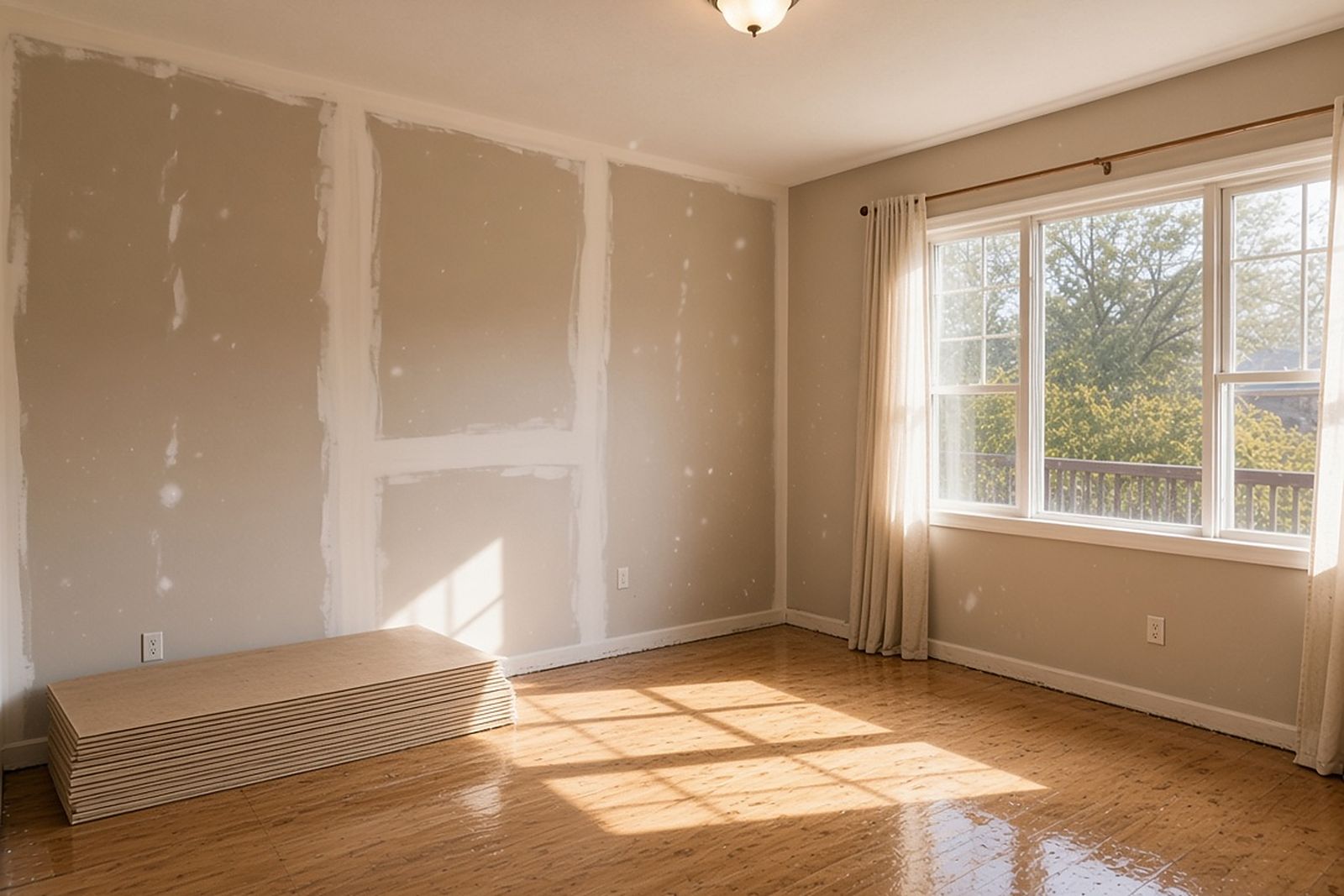
A hotel room, senior apartment or office usually faces a strong push to go back into use. The operator should still wait for the company's final walk-through. It should confirm that odor does not come back after the heating and cooling system runs normally for a while. It should also finish any repairs. Some operators choose to refurnish or remodel the room entirely so future guests or residents have a fresh space.
Any duty to disclose or report in either setting depends on local law. Rules vary by state and county, so check with the local authority or a lawyer before listing a home or putting a unit back in use.
Ask whether they have handled unattended deaths in your type of building. Ask how they will find and seal the paths odor may have taken. Ask whether they need building staff to adjust shared systems. Ask how they will talk with residents, guests or neighbors.
Ask how they will handle the person's belongings, above all if the estate is far away and the operator owns the room. Ask for a written scope of work that separates the building from the belongings. It should list what is left out and describe how changes will be approved. Those answers will tell you more about a company than any price quote.