Short answer
Being kind to the environment during unattended death cleanup means removing every soiled item without needless waste or too many chemicals. That includes choosing odor treatments that protect indoor air and aiming insect control only where it is needed. It means getting rid of medicines, needles, spoiled food and appliances the right way. It means keeping regulated waste apart from regular trash. And it means giving untouched belongings a second life when the family wishes.
Why the environmental side of these jobs is unusual
An unattended death leaves more behind than a single stain. By the time a home is opened, fluids from the body may have soaked into the flooring. There may be odor through the whole house and flies and other insects. There may be a fridge full of spoiled food, medicines on a nightstand, maybe pet waste and a household of belongings that someone has to sort.
Each of those creates its own kind of waste. Each also tempts people to overdo it. They may want to fog the house with strong chemicals, spray bug killer everywhere or throw out every belonging. Careful cleanup resists that urge while still removing everything that poses a health risk.
The first rule never changes. Soiled materials must go, and the home must be safe for the next person who lives there. Everything else is about doing that with care for the building, the air inside it and the world outside it.
Timing also plays a part. Homes that stay closed for weeks after a death, often while an estate is sorted out, tend to need more removal and more treatment later. Where you can, starting cleanup soon after the home is released cuts the total amount of material and chemicals the job needs.
Removing odor without harming indoor air
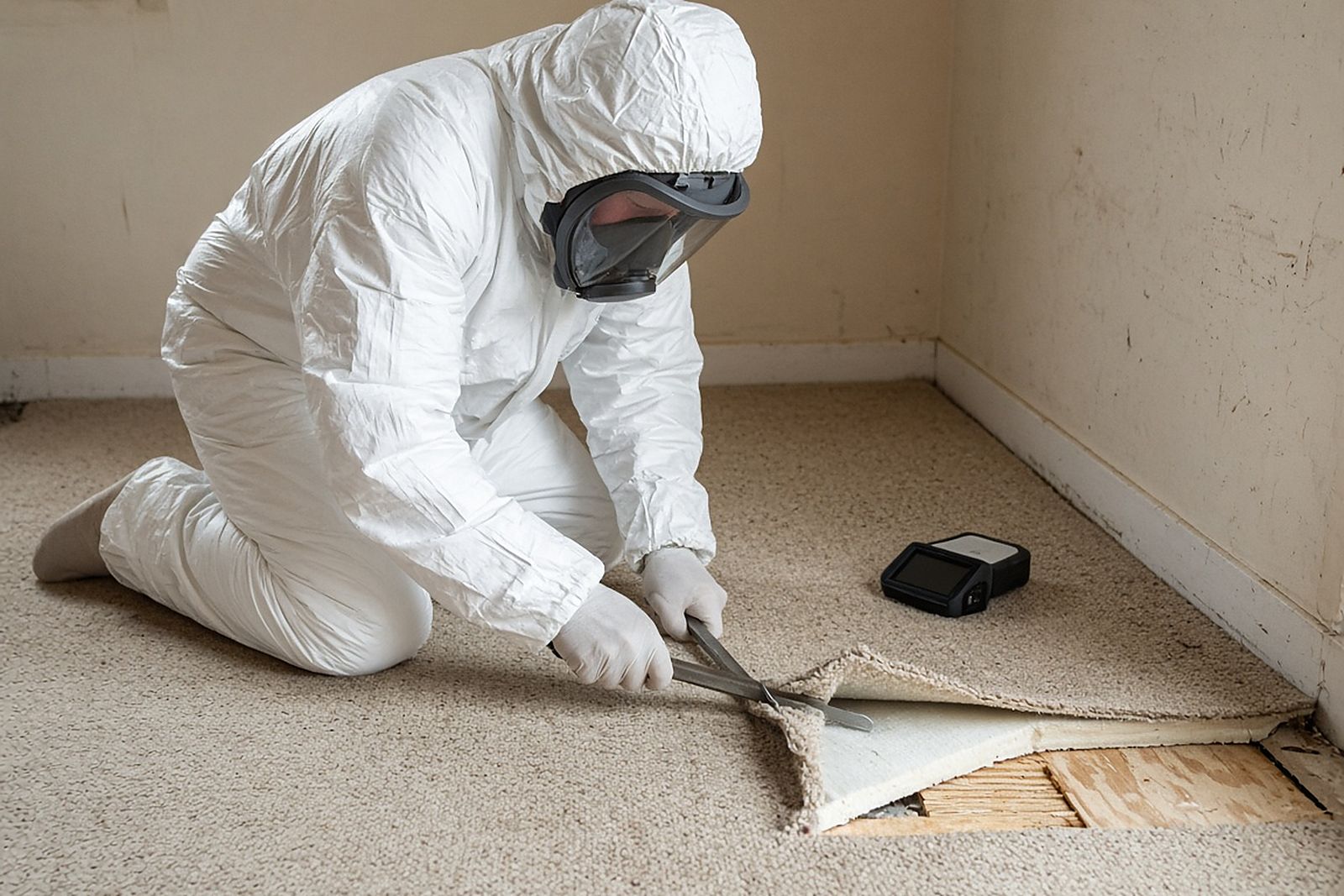
Odor is the biggest challenge when a death is found late. It is also where people most often use too many chemicals. The step that works best is also the kindest to the environment: remove the source. Soaked flooring, pieces of subfloor, mattresses and stuffed furniture hold the chemicals that cause the odor. No treatment will work while they stay.
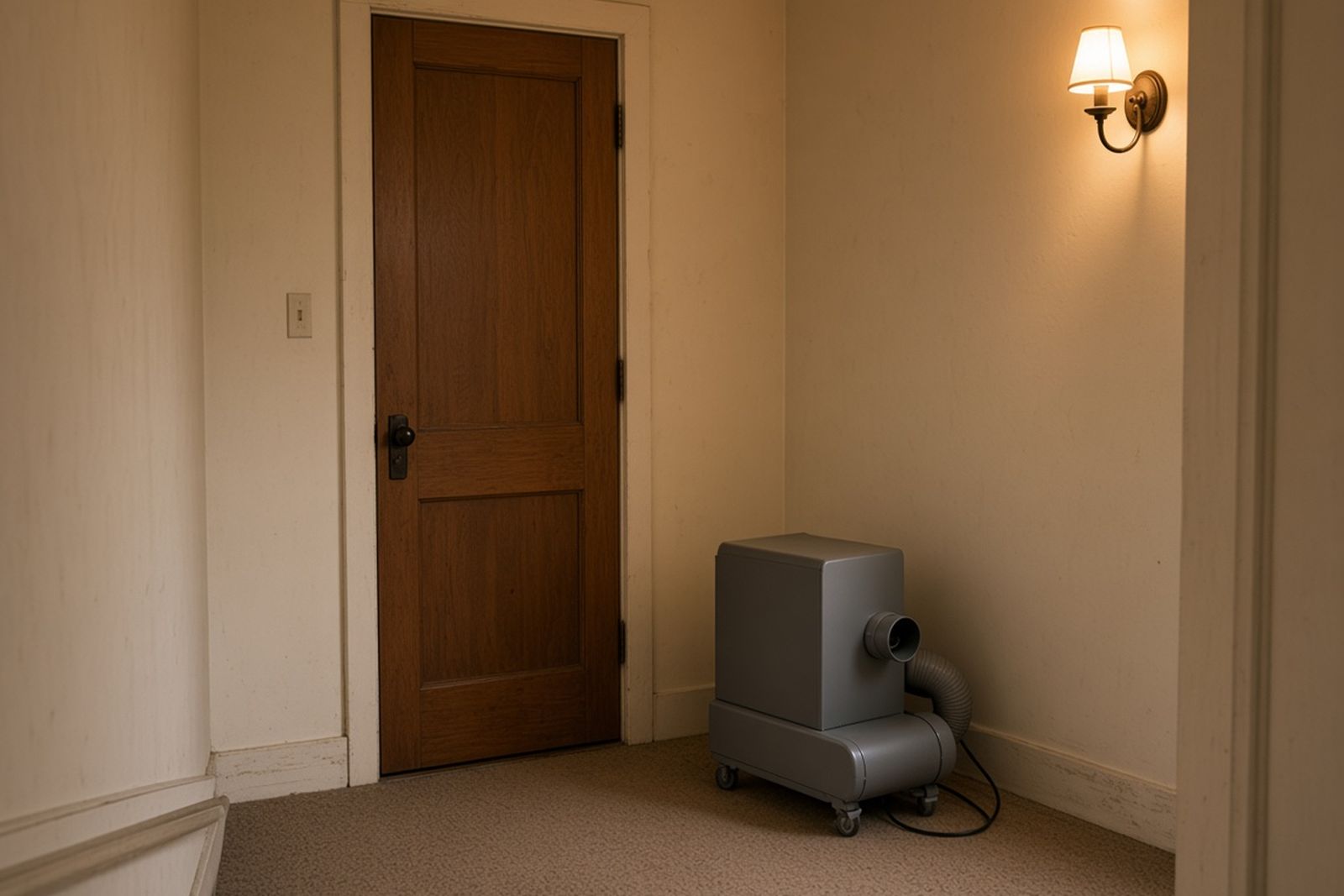
After the source is gone, crews can choose among several tools. These include air filters, fresh air, hydroxyl machines, enzyme products, thermal fogging and ozone. Ozone is powerful. But it must only be used in an empty space with no people, pets or plants, and it can break down rubber and some plastics. A careful company explains why it chose a method. It uses it for the shortest time that works and airs out the home afterward.
Indoor air matters because it is where people live. The EPA's report on indoor air quality notes that Americans spend about 90 percent of their time indoors. Leaving heavy chemical residue or cover-up scents behind just trades one indoor air problem for another.
Targeted insect control
Flies and beetles are common when a death is found late. They can spread to other rooms or nearby units. Control is needed, but spraying every surface is rarely the best answer.
Targeted treatment focuses on where insects are breeding and where they gather. That includes the affected area, windowsills and light fixtures. Removing the source materials gets rid of most breeding spots. Hands-on steps such as vacuuming up larvae and pupae, sealing gaps and using traps cut the amount of bug killer needed.
If bug killers are used, they should be products labeled for the purpose. They should be applied by someone trained and, where required, licensed. The company should know whether the treatment it plans needs a pest control license. Your state's pesticide agency can confirm it.
Separate waste streams: medications, appliances and contaminated materials
Homes where someone lived alone often hold items that need their own disposal paths. These are easy to miss in the rush to clear the space. But each can harm people or the environment if handled carelessly.
Talk with the company about who handles each type. Some items, such as prescription records or controlled drugs, may also matter to the estate or the medical examiner. So check before anything is destroyed.
Some materials are soaked with fluids from the body. These include carpet pad, pieces of subfloor, mattresses and used protective gear from the affected area. They belong in a regulated or special waste stream, as local rules say. Many other items leaving the home do not.
Sending clean debris into the regulated stream raises cost. It also uses more energy for treatment and hauling. Sending soiled material into regular trash risks exposing waste workers. Good crews keep separate containers from the start and label them clearly.
Waste rules for this work differ from place to place. Ask the company which licensed hauler it uses and whether you will get disposal records.
- Medicines: collect them for a pharmacy take-back program or local collection day instead of flushing them or putting them in the trash
- Needles: insulin needles and lancets go into containers they cannot poke through and then to the proper disposal stream
- Spoiled food: bag it and remove it quickly to cut odor and insects; clean the fridge or decide to replace it
- Fridges and freezers: if thrown out, rules on removing the coolant gas may apply, so use a proper recycler
- Batteries, electronics and spray cans: set aside for local household chemical drop-off programs
- Pet waste and litter: bag with regular trash unless mixed with soiled materials
Are sealants and duct cleaning part of an environmentally sound plan?
Sealing products are common in unattended death work. After soiled subfloor is cut out and the wood that is left is cleaned, a coating can lock in a faint leftover odor. Then the whole floor does not need to be replaced. That saves material and money, which helps the environment in its own right.
Sealants do give off fumes while they dry, and some contain more solvents than others. Ask the company which product it uses and whether lower-odor options would work for the job. Ask how long the space should air out before anyone spends time there. Sealing should come after thorough cleaning. It should never be a way to cover material that should have been removed.
Ducts deserve the same thought. When a death goes unnoticed, the heating and cooling system may have spread odor for days. Replacing filters and cleaning the supply and return lines near the affected room often fixes the problem without replacing the whole system. Where some duct sections are badly affected, replacing just those is still less wasteful than tearing out everything.
In each case, the goal is to fix the real problem, confirm it is fixed and avoid treatments that only cover up what is left.
Saving, donating and recycling belongings
Often, much of a home's contents never touched any fluids. Items in other rooms may carry some odor, which can often be treated. But they are not soiled with germs from the body. Hard goods such as dishes, tools, glassware and metal furniture clean up well.
When the family agrees, untouched furniture, clothing and household goods can go to relatives, charities, estate sale companies or reuse centers instead of a landfill. Some items may need odor treatment first. Donation centers may turn down anything that smells.
Soft items that soaked up fluids are another matter. Mattresses, stuffed chairs and bedding that absorbed fluids should be thrown out. Trying to save them is not worth the risk.
Families should never feel pushed to keep or donate something they cannot bear to see. Green goals come after their needs.
Putting it together, and questions that reveal a provider's practices
On a typical job, the choices above fit together in a set order. The crew removes the affected carpet, pad and any soaked subfloor. Then it seals the sound wood instead of replacing the whole floor. Insects are vacuumed and trapped. A labeled bug killer is used only where they are breeding or gathering. Spoiled food goes out on the first day.
Medicines are bagged for a pharmacy drop box. A fridge may be cleaned, or sent to an appliance recycler if the family decides to replace it. Used oil and solvents from a garage or workbench are set aside for the county's household chemical drop-off. Tools or furniture the death did not touch can go to relatives or reuse centers.
The odor method depends partly on how the family plans to use the home. Relatives may want to keep sorting belongings in unaffected rooms during the week. If so, air filters and hydroxyl treatment may suit the job better than ozone, which requires an empty home.
Ask how the company decides how much flooring and subfloor to remove. Ask whether it will show you photos of where the cuts stop. Ask which odor methods it plans to use and why, and whether the home must be empty during treatment. Ask how it handles insect control and whether it is licensed for any bug killers it applies.
It also helps to ask how the crew will leave the home. A good crew removes its equipment and bags its own used supplies. It closes up any open holes. It hands you a clear list of what was treated with which product. That leaves the property in a state the next contractor, buyer or tenant can understand. That openness is part of responsible work. It keeps someone later from repeating treatments already done or tearing out materials already shown to be sound.
Ask how it handles medicines, needles, appliances and household chemicals. Ask whether it can help set up donations of untouched belongings. Last, ask for disposal records. A company that answers clearly, without overselling itself as green, is likely to treat both the home and the family with the same care.