Unattended Death Cleanup: Industry Insights
Operational analysis of unattended death cleanup documentation, property-type differences, technology limits, environmental decisions, and provider business models—without invented case histories.
Industry posts look at how this kind of cleanup has changed and how the business works behind the phone number. Articles cover the move toward removing the source of the odor first. They cover the growing demand for moisture mapping and photo records. They show how property managers now plan for these events. They also compare business settings, like hotels or assisted living, with private homes. You will read about caring for the environment when handling large amounts of debris. You will also see how the scope of work is built to hold up with an insurer or estate. Some posts look at how to weigh claims about technology against what a crew really removes.
Get an email reply about unattended death cleanup
Send a short message to the follow-up inbox. A coordinator can reply by email. This form does not send emergency help; call 911 first if anyone is in danger.
This background helps you read a provider's pitch more clearly. A company that talks mostly about fogging may be working from older habits. One that describes lifting layers and recording what it removes is closer to current practice. It helps to understand referral networks, subcontracting, and disposal deals. Then you can ask who is responsible for the result. You can also ask whether the setup behind a brand name serves the estate or the landlord well. It also helps a property manager decide which steps to write into a standing plan. That way the next event goes with less confusion, clearer records, and fewer surprises for residents and owners.
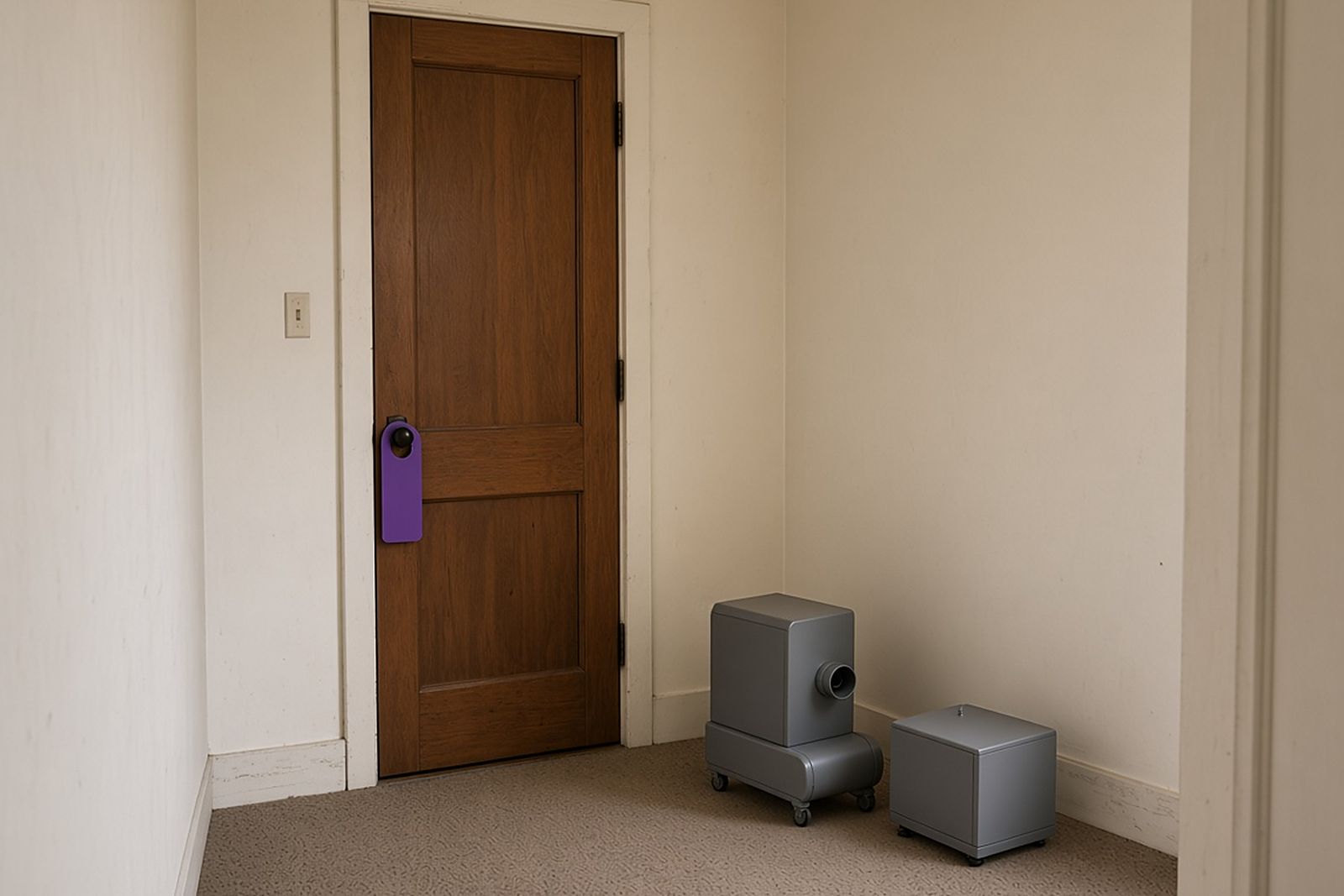
How Unattended Death Cleanup Practice Has Changed
How unattended death cleanup grew alongside solo living, from landlords ripping out carpet to staged removal, modern odor control and remote-friendly records.
Unattended death cleanup used to mean landlords or relatives tearing out carpet and masking odor. As more people came to live alone, the field developed staged flooring removal, source-focused odor control, insect management, estate-item handling and detailed records for distant families. Methods continue to improve, but standards vary by state, so careful provider selection still matters.
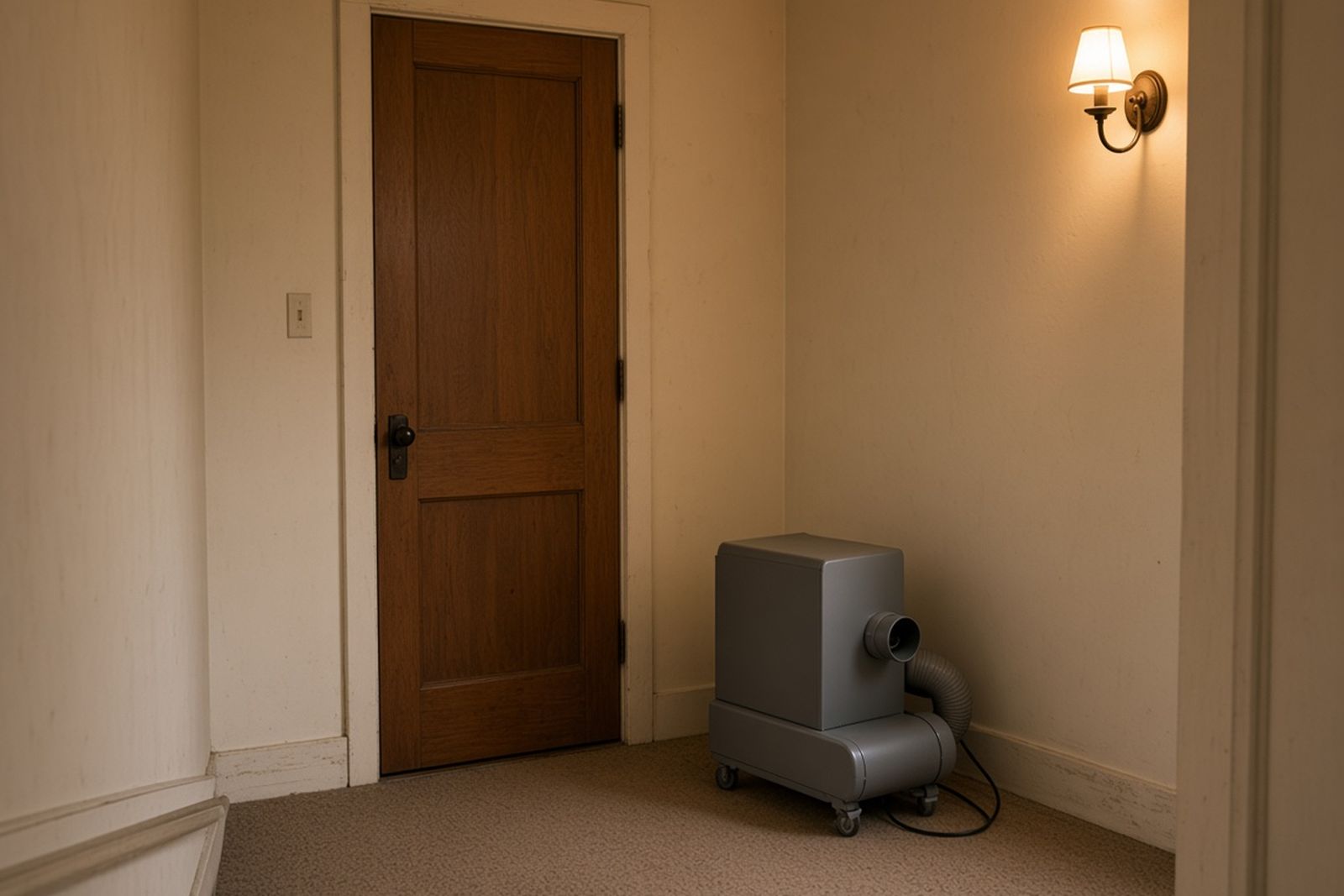
Unattended Death Cleanup for Property Managers: What You Need to Know
What property managers should do when a resident dies alone and is found late: welfare checks, release, odor, pests, neighbors, the estate and re-renting.
When a resident dies alone and is not found for days, a property manager should let police and the medical examiner finish, secure the unit, contain odor and insects, and hire a qualified unattended death cleanup company under a written scope. Work with the next of kin or estate on belongings, protect neighboring units, keep thorough records and confirm local rules before re-renting.
Unattended Death Cleanup Planning Example: Building a Defensible Scope
A fictional unattended death followed from coroner release to final walk-through, showing how a cleanup scope is built, expanded in writing and proven.
A defensible unattended death cleanup scope explains why each step is needed: how far fluids traveled into flooring and framing, how odor spread through the building, whether insects are present and what the estate wants done with belongings. This fictional example follows one rental duplex from coroner release to final report, so you can recognize a careful scope and challenge a vague one.
Commercial vs Residential Unattended Death Cleanup
Cleanup after an unattended death at home versus in a hotel, senior home, office or storage unit. Who decides, how odor spreads and which records matter.
A body breaking down after death harms materials the same way in any building. But business and home cleanups after an unattended death differ in four ways. They differ in who controls the space and how many people are affected. They differ in how odor moves through larger systems and what paperwork is expected. Homes center on an estate and belongings. Business sites add guests or tenants, operators, brand worries, shared heating and cooling systems and formal reports to owners and insurers.
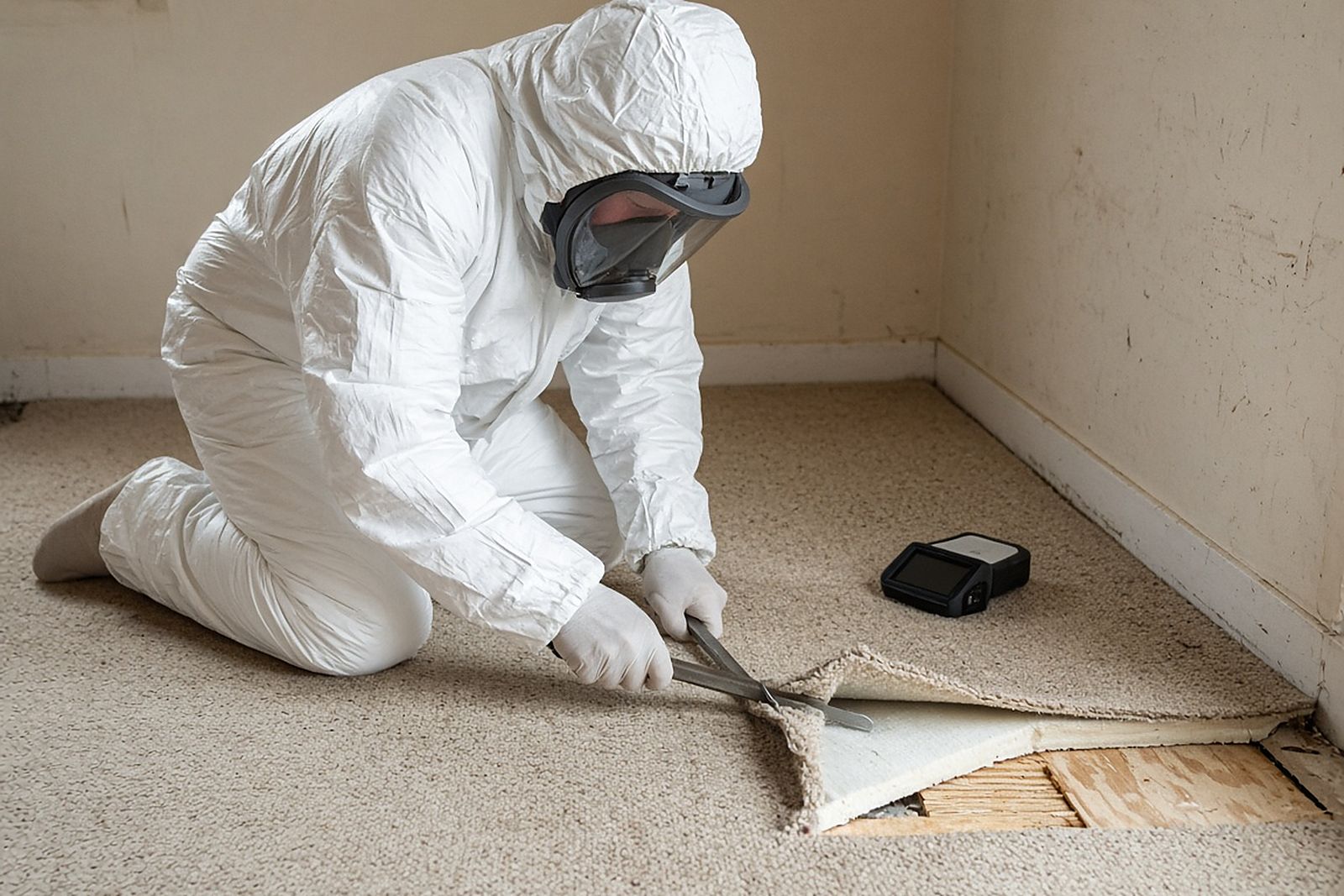
Environmental Responsibility in Unattended Death Cleanup
Greener ways to handle unattended death cleanup. Protect indoor air, aim pest control, get rid of medicines and appliances safely, and save what you can.
Being kind to the environment during unattended death cleanup means removing every soiled item without needless waste or too many chemicals. That includes choosing odor treatments that protect indoor air and aiming insect control only where it is needed. It means getting rid of medicines, needles, spoiled food and appliances the right way. It means keeping regulated waste apart from regular trash. And it means giving untouched belongings a second life when the family wishes.
Sourced figures on industry insights
- 85%
85% of BSP claimants had not known about the benefit before using bereavement services.
Read with care: Historical benefit-service experience, not current entitlement; entirely proxy-completed applications excluded.
Source: UK Department for Work and Pensions et al. (2021)765 UK Bereavement Support Payment (BSP) and 764 Funeral Expenses Payment (FEP) claimants; January 2021 interviews.
- 1 in 4
More than one in four older Americans falls each year, producing about 4.5 million emergency department visits annually.
Read with care: Counts falls treated in EDs; many falls go unreported.
Source: CDC Injury Center (2026)United States, adults 65+, annual estimates
- 16.2 million
About 28% (16.2 million) of community-dwelling U.S. adults aged 65 and older lived alone in 2023, including 33% of older women.
Read with care: Excludes nursing-home residents.
Source: Administration for Community Living (2023)United States, adults 65+ living in the community (not institutions), 2023
These figures are public research and agency data, not this network's own job records. Keep each number with its population, year and limits; none of them predicts cost, timing or outcome at a specific property.
What research has found
Findings from published studies of people and properties in situations like this one. They describe what researchers observed in a specific group; they are not predictions for your case.
Government websites were the most common source for further application information.
Anxiety and depression risks did not differ significantly between encounter groups.
Industry Insights: common questions
How has unattended death cleanup changed from older practices?
Older methods often relied on covering odor with fogging or chemicals. Today, the focus is more on finding and removing the source, recording each step, and checking results before any cosmetic repairs. Property managers and insurers ask for those records more and more. That has pushed more providers toward a clear, step-by-step scope of work.
What do property managers need to plan for with unattended deaths?
Property managers do better with a written plan. It should cover welfare checks, locking up the unit, telling the estate, talking with other residents, and holding belongings. Having a list of checked providers ahead of time lowers the pressure when a call comes in. Posts in this category describe how managers build those plans in line with local housing rules.
Why does a defensible scope matter for an estate?
A scope that holds up explains what was found, what was removed and why, and how results were checked. It helps an executor explain costs to heirs. It backs up an insurance claim. And it gives you facts to share if the home is sold. Ask your provider to build its scope and final report with those readers in mind.
Why do some providers focus only on unattended death work instead of general cleaning?
A late discovery brings special problems. These include hidden spread of fluid, odor that will not go away, insects, estate belongings, and working with families who live far away. Providers who focus on this work tend to build methods and equipment for those problems. Focusing on it does not promise quality. But it often means the company has faced similar cases many times and can explain its approach clearly.
How do providers usually work with medical examiner and coroner offices?
Providers do not work for these offices, but they may coordinate on timing, such as when a property is released. Some offices keep lists of local providers to share with families. Being on a list is not an endorsement. Families should still vet any provider independently, regardless of how they learned about them.
Are more providers offering help for families who live far away?
Many providers now offer remote options. These include photo and video updates, signing papers online, digital lists of belongings, and shipping belongings to you. These services reflect how often families live in different cities from their relatives. When you compare providers, ask what remote services they offer. Also ask whether they have worked with executors from other states before.
What trends are property managers seeing with unattended deaths?
More and more property managers see that residents who live alone may die and not be found for a while. Many are writing down clear steps, checking cleanup providers ahead of time, and asking residents to share emergency contacts. Some buildings team up with community groups on wellness check-ins. These steps aim to shorten delays in discovery. They also make the response more organized when a death happens.
Related community polls
Every count is a real visitor vote; nothing is seeded or padded. One vote per poll per device, and you can change your answer.
As a landlord, how long would you wait for the tenant's family before arranging cleanup yourself?
Which part of an unattended death project would you find hardest to manage?
More on unattended death cleanup
Unattended Death Cleanup services
Learn what cleanup after a late discovery involves. It covers tracing how far fluid soaked into the subfloor, odor treatment, listing belongings, and move-back-in records.
Costs explained
What drives the price, published cost ranges, and how to read a written quote line by line.
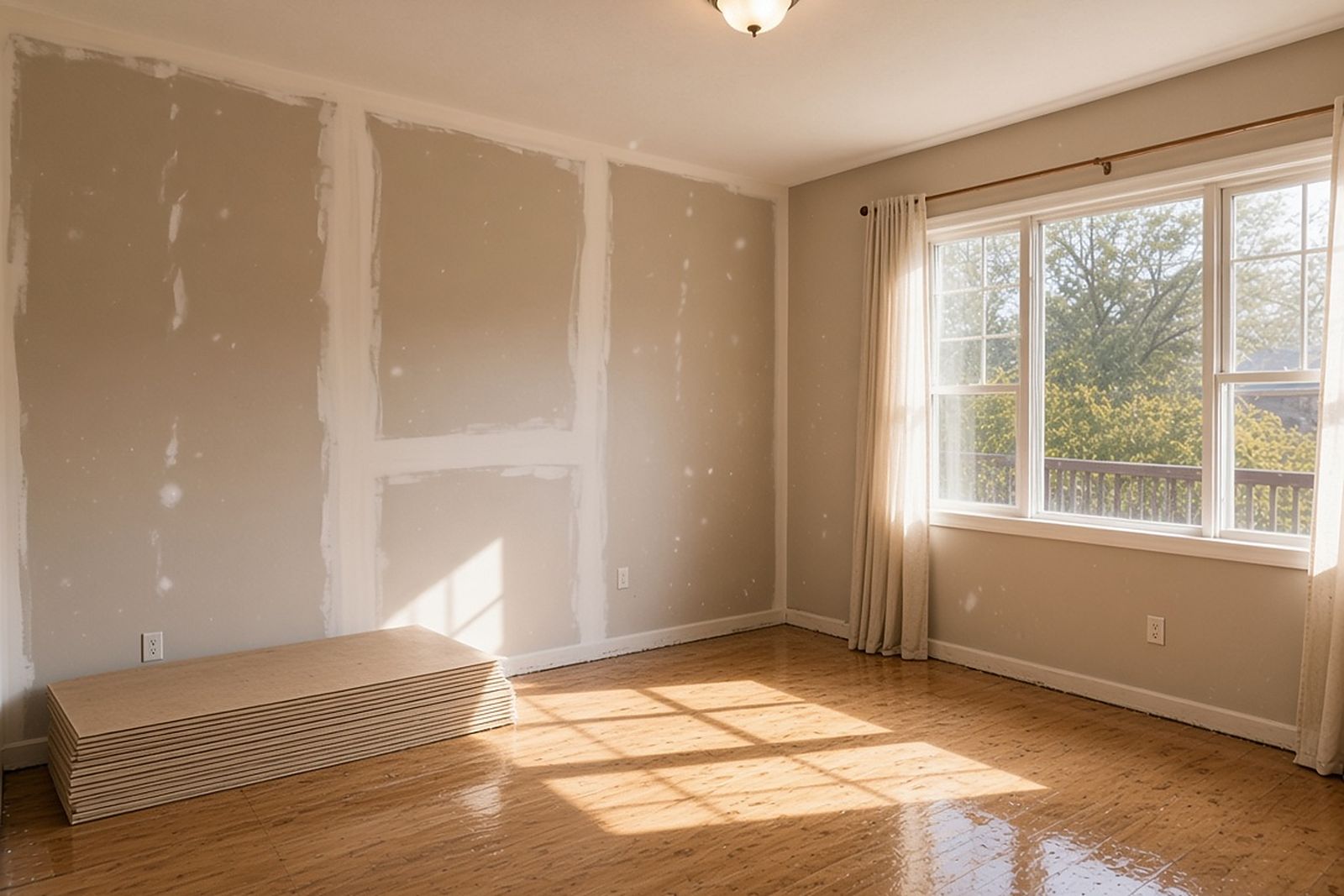
Insurance and payment
Which policies may respond, how to document a claim, and what to do if coverage is denied.
Planning tools
Six tools for landlords, executors, and families caring for a property after an unattended death. They help from the first day through waste records and claims.
Community polls
See how other landlords, executors, and relatives handled belongings, talking with tenants, telling buyers, and subfloor choices. Share your own view without giving your name.
Knowledge quiz
Test what you know about odor signs, who is in charge, closing off rooms in shared buildings, taking out soaked materials, waste records, and final sign-off papers.
Field guides
Guides for landlords and executors. They cover access, who is in charge, telling the insurer, how long to hold belongings, and when people can safely move back in.
City guides
Find cleanup providers by city and state. Then check their licenses, waste handling, and how they inspect the subfloor yourself before you approve any work.