Short answer
Unattended death cleanup used to mean landlords or relatives tearing out carpet and masking odor. As more people came to live alone, the field developed staged flooring removal, source-focused odor control, insect management, estate-item handling and detailed records for distant families. Methods continue to improve, but standards vary by state, so careful provider selection still matters.
Before specialized services: landlords, relatives and fresh paint
When someone died alone and was not found for some time, the aftermath usually fell to whoever owned or managed the property. Landlords sent maintenance workers. Relatives drove in from out of town and did what they could. Neighbors sometimes helped out of kindness.
The typical approach was to remove what was visibly affected, often carpet and a mattress or chair, and then try to cover the odor with fragrance, fresh paint or new flooring. Subfloors were rarely inspected closely, and fluids that had traveled under walls or into a unit below could be missed entirely.
Those efforts frequently failed. Odor would return on warm days or after the windows were closed. New tenants complained, and properties sat empty. Families who cleaned homes themselves were left with sensory memories that were hard to shake. The gap between what was needed and what people knew how to do was wide.
The emotional side of the work was rarely considered. A relative arriving from another state might be handed a key and left to discover the condition of the home alone. Little thought was given to how that moment would stay with them, or to how much of the person's life could have been preserved with more careful handling.
Why did the need for this work grow?
One major factor is how many people now live by themselves. The U.S. Census Bureau reported that one-person households made up 29% of all households in 2025, compared with 20% in 1975, for a total of 39.7 million. When more people live alone, more deaths go unnoticed for days or longer.
The pattern is not unique to the United States. Japan has faced it at a large scale; the Japan National Police Agency counted 76,020 people who died alone at home in 2024, and 76.4% of them were aged 65 or older. Countries with aging populations and smaller households are seeing similar challenges, and specialized cleanup services have developed in many of them.
Other trends play a part, too: families living farther apart, longer lifespans and more older adults choosing to age in their own homes. None of these are problems in themselves, but together they mean more properties where a death may not be discovered right away.
The handoff from authorities to families
An unattended death is typically reported to police, and the medical examiner or coroner then decides whether to investigate and arranges for the person to be taken into care. For many years, that was where official involvement ended. Families were handed back a key, sometimes with little explanation of what they would find inside.
Communication at this stage has gradually improved in many areas. Some medical examiner offices, police departments and funeral homes now give families written information about next steps, including the fact that professional cleanup exists and that they should avoid entering the affected area themselves. Others still offer very little guidance, so experiences vary greatly.
Property managers and the key in your hand
Property managers have become more prepared as well. Larger management companies often have a written procedure for deaths in a unit, including who to call for cleanup, how to notify neighbors and how to protect the tenant's belongings for the estate. That preparation can shorten the time a family spends in limbo.
If you are handed a key without guidance, it is completely reasonable to call the medical examiner's office or the responding agency and ask what they recommend. They cannot choose a company for you, but they can often explain what to expect.
Staged removal replaces rip-and-cover
Over time, professionals learned that the visible stain is often only the beginning. Decomposition fluids can move through carpet and pad into subfloor, along joists, under baseboards and into wall cavities. In apartment buildings, they can reach the ceiling of the unit below.
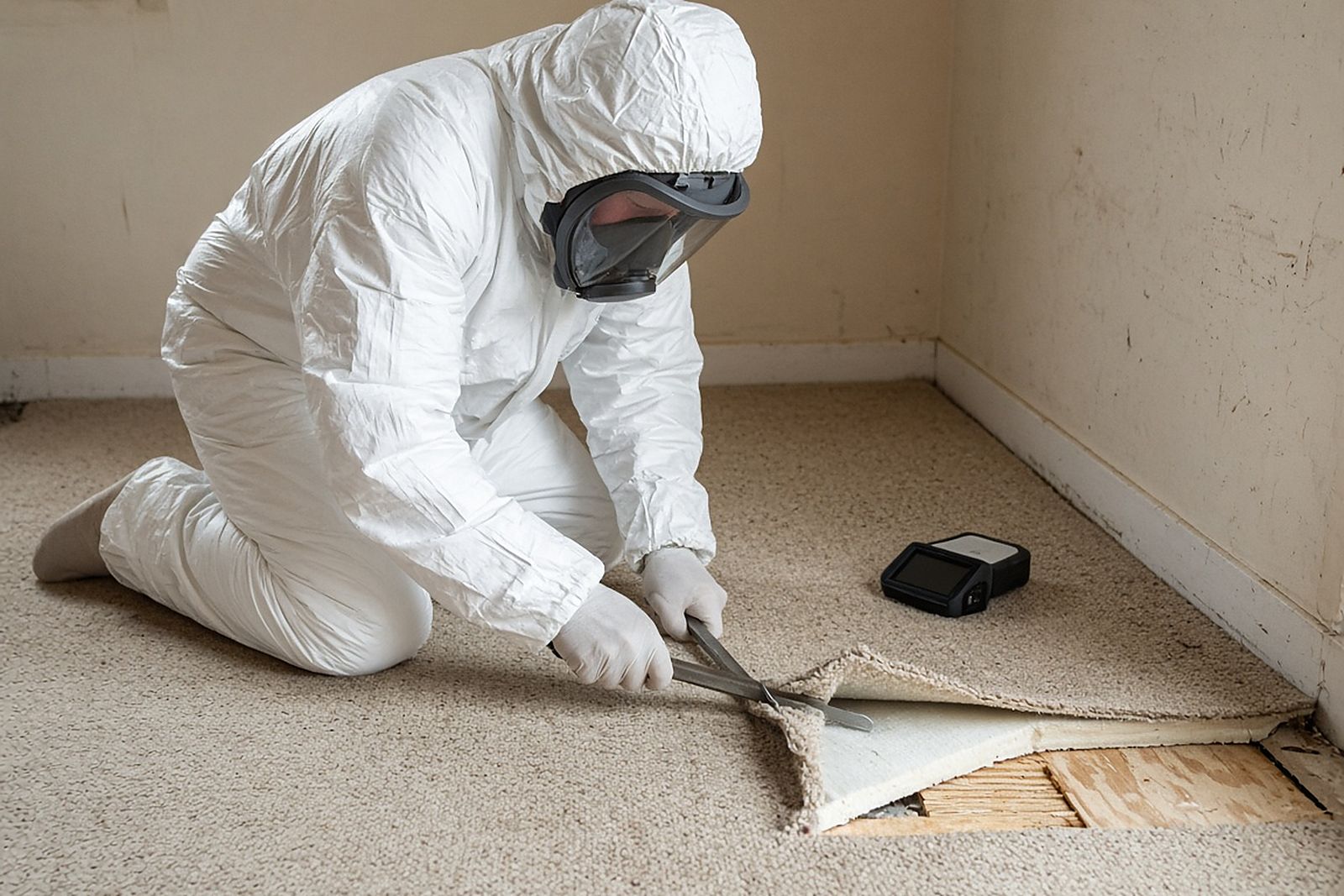
Modern crews respond with staged removal. They lift one layer at a time, inspect and photograph each one, and continue until they reach clean material. When structural wood is affected, they may cut it out and arrange for replacement. Only after the source is removed do they clean, disinfect and, if needed, apply a sealing primer to remaining surfaces.
That approach costs more time and effort than the older rip-and-cover method, but it addresses the actual problem. It also produces a photographic record that owners, heirs and future buyers can rely on.
Testing tools have added another layer. Some crews use surface tests to support visual inspection of cleaned areas, and moisture meters or other instruments to judge whether fluids reached deeper materials. Those tools do not replace experience, but they make decisions easier to explain to a client.
How has odor control changed?
Earlier approaches often leaned on masking agents and strong fragrances. Later, ozone generators became popular, sometimes used alone as though they could fix everything. Practitioners gradually learned that equipment works best after the contaminated source is gone, and that some methods require careful safety precautions.
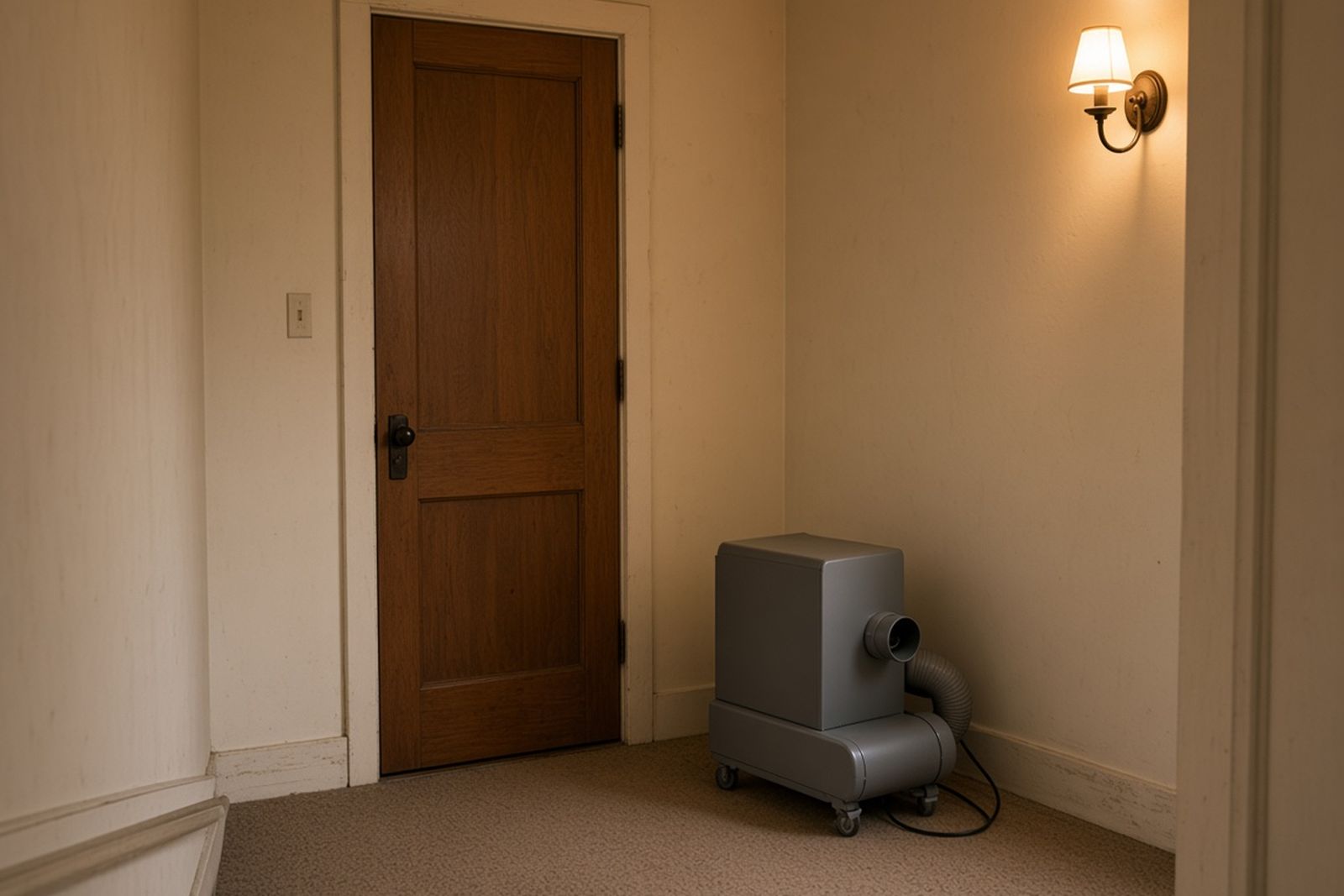
Today, trained crews use a combination of source removal, HEPA air filtration, ventilation and targeted treatments chosen for the situation. Hydroxyl generators, thermal fogging and ozone each have a place when used correctly. Crews also check ductwork, soft furnishings and nearby rooms that may have absorbed odor.
The bigger shift is in how results are judged. Rather than declaring a job finished when the smell seems gone, careful providers verify under realistic conditions, such as with the home closed up for a period, and explain what to do if odor returns.
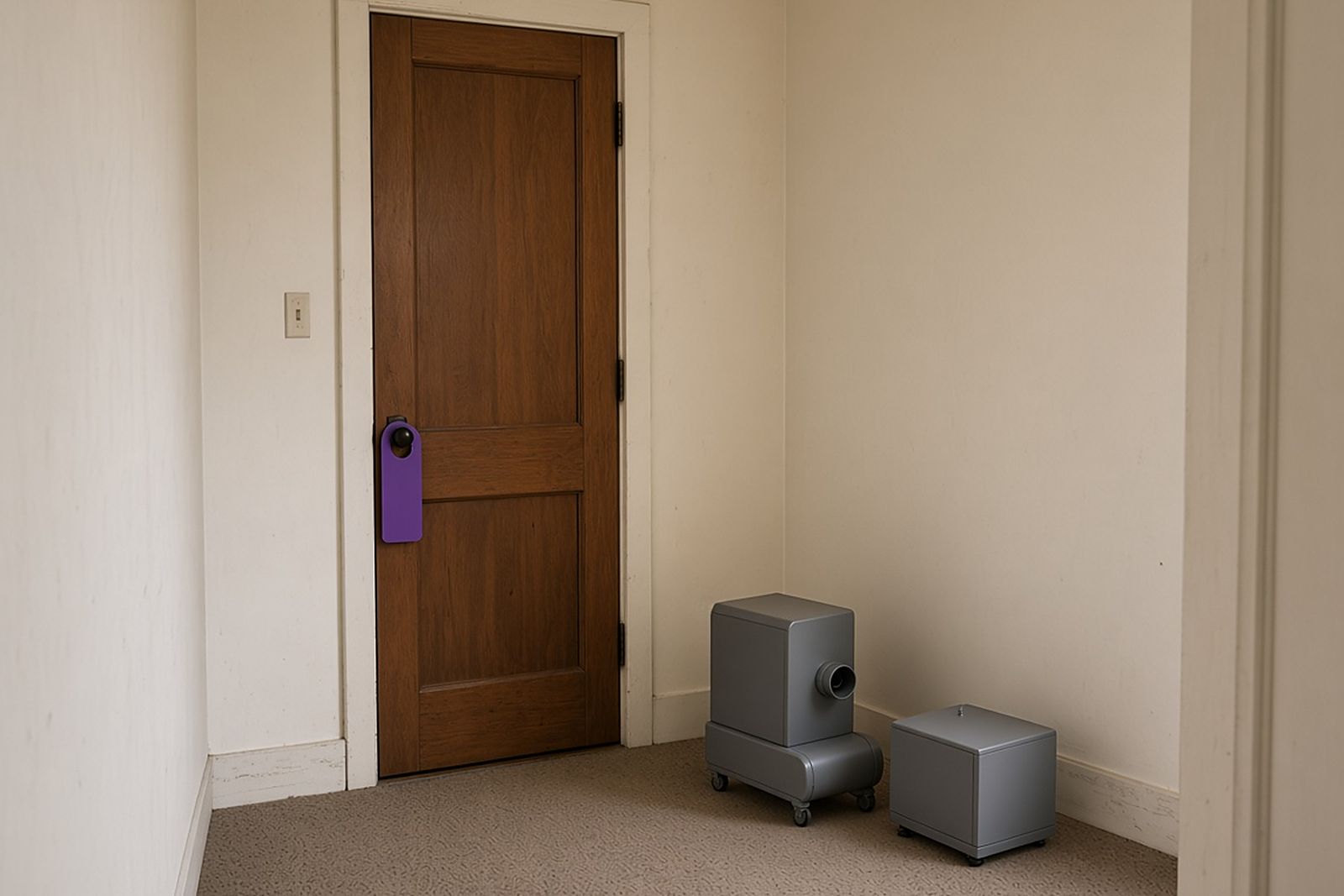
Safety is part of that evolution as well. Crews now pay closer attention to keeping people, pets and plants out of spaces during certain treatments and to airing out rooms properly before anyone returns. A responsible provider explains those steps rather than leaving them to guesswork.
Insects move into the scope
Insects have always been part of delayed-discovery scenes, but they were often treated as an afterthought. A crew might clean the room and leave, only for flies to emerge days later or for pests to spread into neighboring units.
Modern practice treats insect activity as part of the plan from the start. Many cleanup companies coordinate with licensed pest control operators, schedule treatment before or during cleanup and check adjacent spaces. Some offer follow-up visits to confirm the problem is resolved.
This coordination is especially important in multifamily buildings, where neighbors who had nothing to do with the death can be affected. Rules for pesticide application are set at the state level, so the operator should hold whatever license the state's pesticide regulatory agency requires.
Estate handling and remote communication
In the past, crews often cleared entire rooms without sorting, and families lost important papers, photos and valuables. As the field matured, providers developed procedures for separating salvageable property from contaminated waste, logging what they found and returning it securely.
Communication also changed. Because many relatives live far away, providers began sending photos, written updates and digital records that could be shared with executors, attorneys and landlords. Secure file sharing and video calls now let a family member in another state see the progress without traveling.
These changes reflect a better understanding of who the clients really are: grieving relatives, often with legal responsibilities, who need both a clean property and clear information.
- Setting aside documents, valuables and keepsakes for review
- Photo logs of recovered items
- Written approval before scope changes
- Digital completion packets for executors and landlords
Then vs now: one apartment, two cleanups
A composite comparison, made up for illustration, makes the change concrete. In an older version, a tenant dies in a second-floor apartment and is found after two weeks. The landlord's maintenance worker pulls up the carpet, paints the subfloor and lays new carpet. The smell returns a month later, and the downstairs neighbor notices a stain on her ceiling.
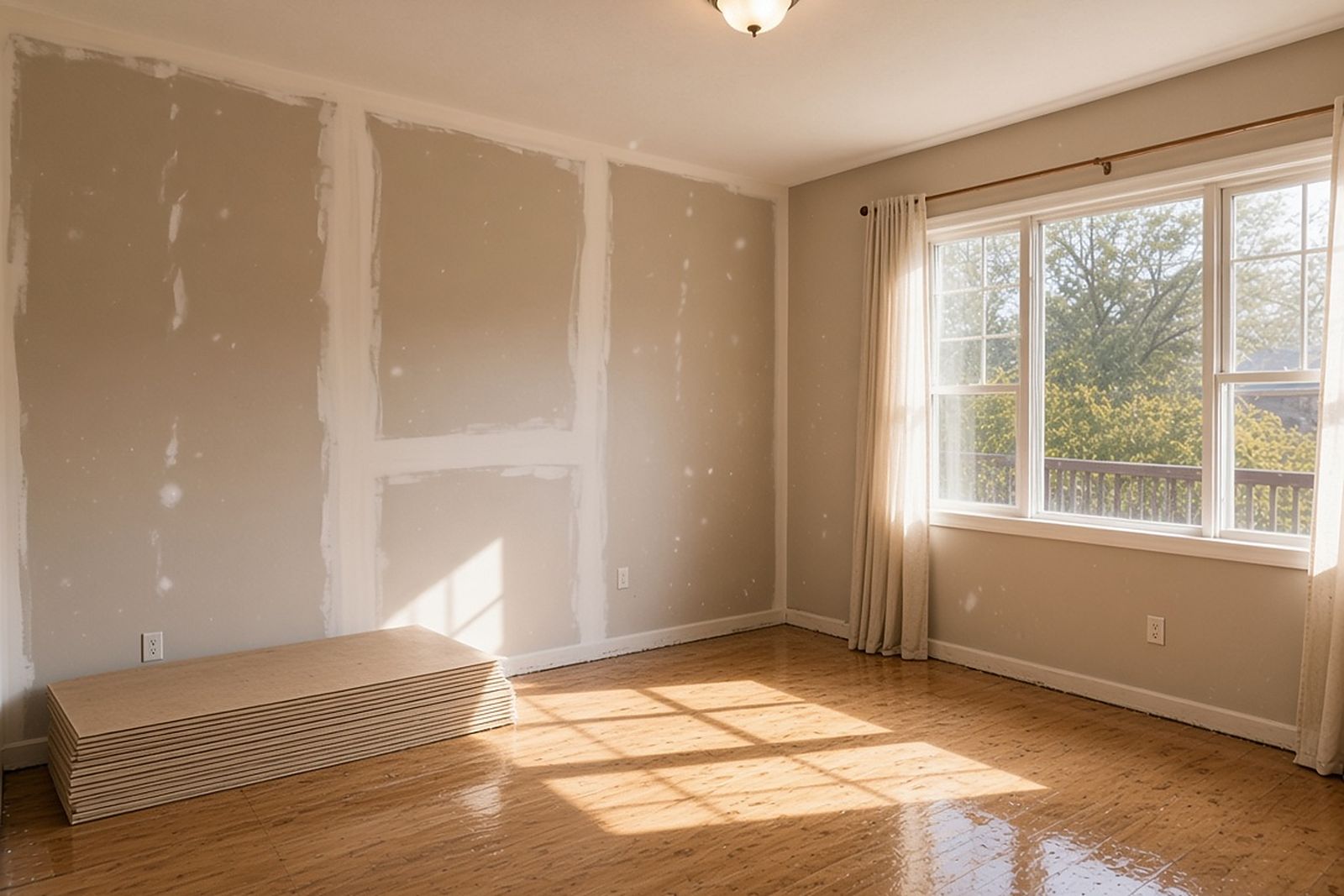
In a modern version, the landlord calls a specialized provider. The crew lifts the flooring in stages, removes a section of affected subfloor, inspects the ceiling below and coordinates insect treatment with a licensed operator. Documents and photos found in the unit are logged and shipped to the tenant's sister in another state. She receives photos, an inventory and a disposal record, and the unit is repaired and re-rented without odor complaints.
No real tenant or building is described, but the contrast illustrates how much methods and expectations have changed.
What is still evolving in unattended death cleanup?
The field continues to change. There is still no national license for this work, and the quality of providers varies widely. Some companies still rely on masking odors or covering contamination instead of removing it.
Prevention is part of the conversation now, too. Daily check-in calls, wellness programs for older adults living alone, smart home devices and simple arrangements with neighbors can shorten the time before a death is discovered. Shorter delays generally mean less damage and a less traumatic experience for families.
For anyone hiring a provider today, the history suggests clear questions to ask: how will you find hidden spread, how will you remove the odor source, how will you handle insects, how will you protect estate items and how will you keep me informed? A company that answers those well reflects the best of what the field has learned.