Short answer
OSHA rules bind the cleanup company, not the family or estate. After an unattended death, the most relevant standards cover bloodborne pathogens, respiratory protection, general protective equipment and chemical hazards. Decomposition adds odor, insects and fluid that has spread into building materials, so respirator programs and hazard assessments matter more than usual. Families can ask providers to confirm training, fit testing and records.
Who OSHA rules apply to after an unattended death
OSHA regulates employers. When a relative, executor or landlord hires a company to restore a home after a death that went unnoticed for some time, the company carries the legal duty to protect its technicians. The person who hired them does not become an employer in OSHA's eyes simply by signing a work order.
The picture changes if you ask your own employees to do the work. A property management firm that sends a maintenance worker into a unit where a tenant died alone may have OSHA obligations of its own. So may a senior living community or a hotel. In most cases, those organizations choose a trained provider precisely because the hazards are specialized.
For families, the rules are useful as a benchmark. They describe what careful work looks like, which makes it easier to judge the companies you speak with.
If you are an executor or next of kin handling this from far away, that benchmark is especially valuable. You may never see the crew at work, so their written plans, photographs and answers to your questions become your main window into how the job was done.
Why is an unattended death a distinct safety challenge?
When a person dies and is not found for days or weeks, natural decomposition changes the room. Fluids can move through carpet and pad into subflooring, soak mattresses and upholstered furniture, and seep beneath baseboards. Strong odor forms and can travel through ductwork into other rooms.
Insects often arrive quickly. Crews may find flies, larvae and pupal casings throughout the space, and those insects can carry contamination beyond the original area.
Many homes where people die alone have other conditions too. Heat, closed windows, clutter or a failing HVAC system can make the environment harder to work in. A hazard assessment has to account for all of these, not only the visible stain.
Five standards that shape the work
Several federal standards come together on a typical unattended death cleanup. Each responds to a hazard that crews meet on nearly every call.
None of these standards was written specifically for death scenes. Crews apply rules designed for many workplaces to a setting that combines biological, chemical and physical hazards in one room, which is why experience and judgment matter so much.
- Bloodborne Pathogens Standard, 29 CFR 1910.1030: exposure control plan, annual training, hepatitis B vaccination offers, protective equipment and regulated waste handling
- Personal Protective Equipment, 29 CFR 1910.132: written hazard assessment and gear matched to the hazards found
- Respiratory Protection, 29 CFR 1910.134: written program, medical evaluation and fit testing for tight-fitting respirators
- Hazard Communication, 29 CFR 1910.1200: labels, safety data sheets and training for every chemical used
- The general duty clause of the Occupational Safety and Health Act: protection from recognized serious hazards, such as heat stress, that no specific standard fully covers
Why do respirator rules matter so much here?
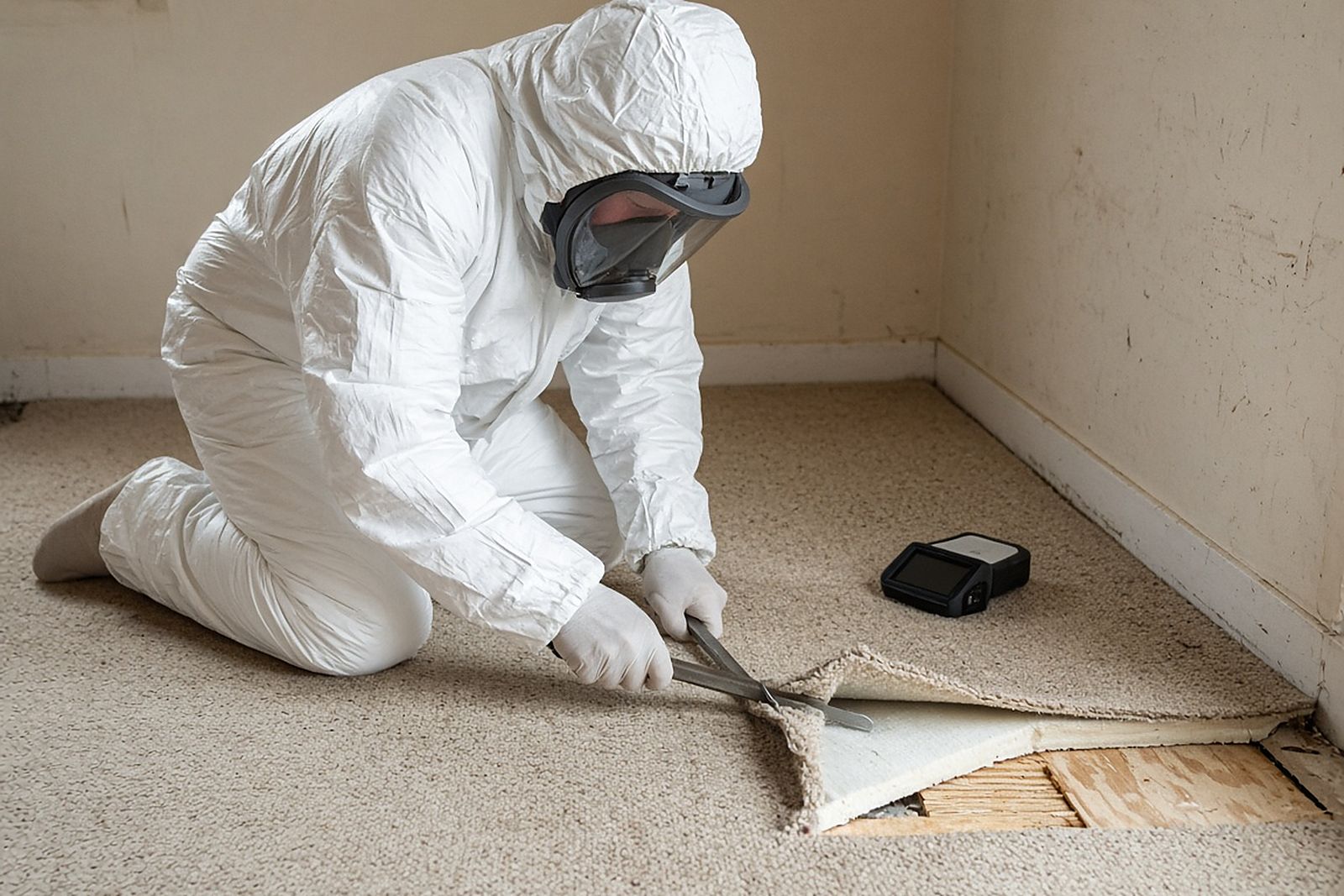
Respiratory protection is often the defining safety issue after an unattended death. Odor-causing compounds, airborne particles released when flooring or drywall is cut out, and the vapors of strong disinfectants all affect the air in the room. Crews decide which respirator and which cartridges fit the hazards they measured and observed.
OSHA's 1998 respiratory protection standard requires workers using tight-fitting respirators to be fit-tested before first use and at least annually, after a medical evaluation. The fit test confirms that the facepiece seals against the wearer's face. The medical evaluation confirms that breathing through a respirator will not endanger that person's health.
This is not a minor paperwork requirement. According to OSHA data reported by Safety+Health magazine, OSHA cited Respiratory Protection (1910.134) 2,470 times in fiscal 2024, fourth among all standards. A provider that can explain its respirator program clearly is showing you it takes one of the most commonly violated rules seriously.
Aged fluids, heat, insects and heavy lifting
Some people assume that once blood and fluids dry or age, they no longer pose a risk. Crews are trained not to make that assumption. The Bloodborne Pathogens Standard treats all blood and other potentially infectious materials as infectious, regardless of how old they are or whose they were.
That approach says nothing about the person who died. It is simply the only safe way to work when no one can tell from appearance whether a pathogen is present.
Under the standard, heavily soaked materials such as mattresses, carpet pad and saturated subfloor sections are handled as regulated waste. They go into closable, leak-resistant, labeled containers. Sharps, which can include broken glass or needles from medical care, go into puncture-resistant containers. Training on all of this has to be repeated every year.
Protective suits keep contamination off the body, but they also trap heat. When a home has been closed up in summer, technicians can overheat quickly. Careful employers schedule rest breaks, provide water, rotate workers and watch for early signs of heat illness.
Insect activity calls for its own plan. Crews may seal the room, treat for flies, remove larvae and casings and inspect nearby rooms before moving on. Pest control may be arranged separately if activity has spread widely.
Heavy lifting is another concern. Saturated mattresses, recliners and flooring sections are awkward and heavy, and stairs or narrow hallways add risk. Planning how each item will leave the home is part of protecting workers from strains and falls.
Hazard communication overlaps with these physical concerns. Enzyme products, oxidizers and odor treatments each carry their own warnings, and some cannot be used while workers or pets are in the space. Technicians should know the reentry instructions on each label and tell you when the home is safe to enter.
The rules on a real-world job
An illustrative apartment job, made up for this article, makes these rules concrete. A retired teacher who lived alone in a second-floor apartment is found by a building manager during a wellness check after neighbors notice mail piling up. The medical examiner estimates she died about two weeks earlier. Her nephew, the named executor, lives in another state and hires a cleanup company through the property manager.
The crew lead measures and records conditions before starting: strong odor in the bedroom and hallway, fluid through the carpet into the subfloor near the bed, active fly activity and an apartment temperature well above comfortable. She checks whether the HVAC return is in the bedroom, because that would affect how odor has spread.
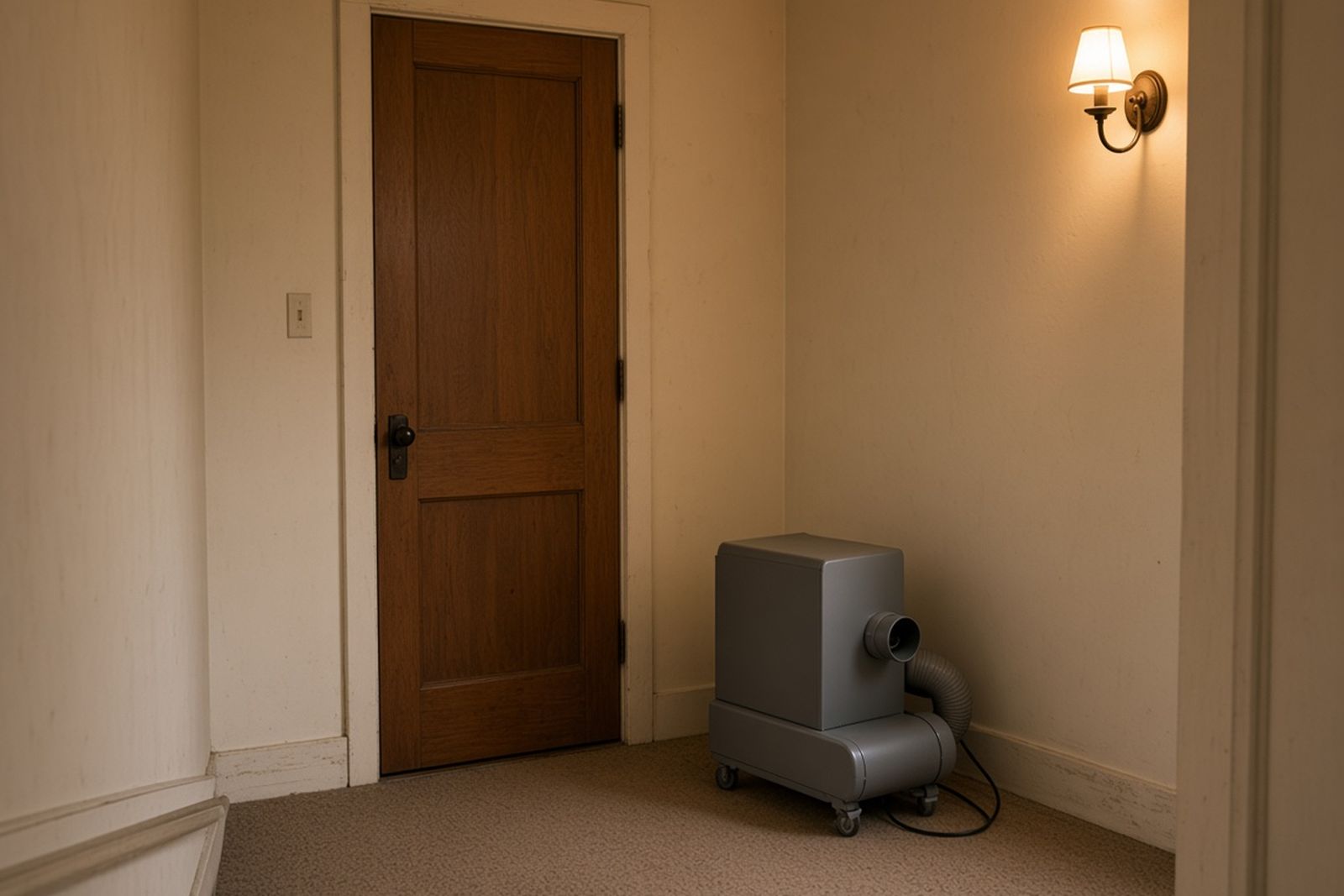
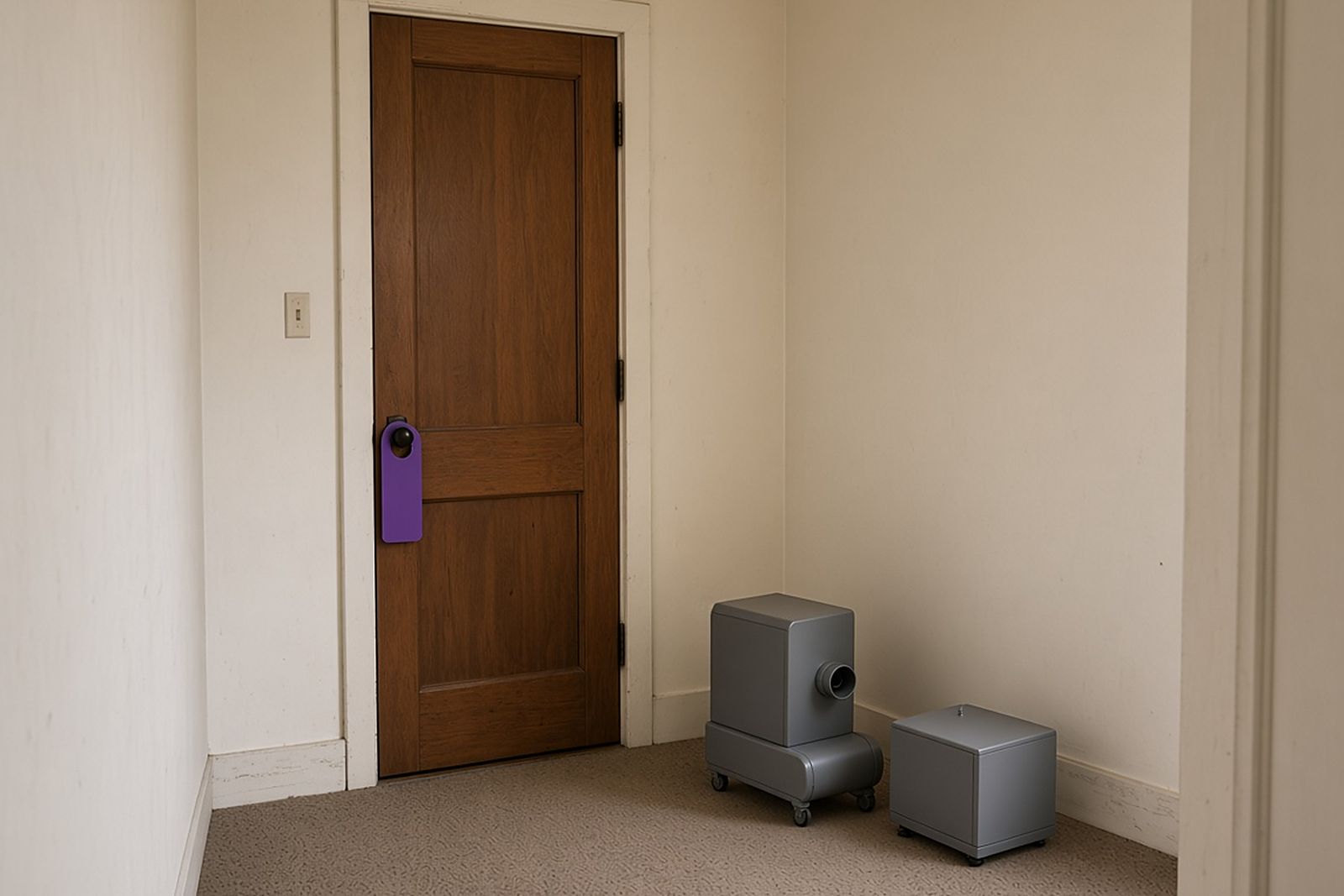
Her written hazard assessment sets the plan. Technicians wear full-face respirators with cartridges chosen for the odor and particulates, double gloves, boot covers and fluid-resistant suits. Each wearer has a current medical evaluation and fit test on file. The crew seals the HVAC return, sets up a negative-air machine and schedules breaks every hour because of the heat. The mattress is wrapped before it is carried down the stairs, and subfloor sections are cut out and packaged as regulated waste.
The nephew receives photographs, a list of removed items and a note about personal papers found in a desk that the crew set aside for him. None of these people are real. The example shows how federal rules quietly shape the choices a professional team makes.
Questions that confirm a provider follows OSHA
You can ask these questions by phone, and a relative or property manager can ask them on your behalf. A confident provider will answer plainly and may offer to share training dates or a summary of its safety program.
Waste transport, disposal facilities and any state registration for biohazard businesses are governed by other agencies, so ask your state environmental or health department if a provider's answer on those points is unclear.
- Do you complete a written hazard assessment before work begins?
- Which respirators will your crew wear, and are wearers medically evaluated and fit tested this year?
- Has every technician completed bloodborne pathogen training within the past year?
- How do you manage insects and prevent them from spreading?
- How do you protect workers from heat stress in closed homes?
- How will saturated furniture and flooring be packaged and removed?
Why careful compliance helps the family too
The habits that protect workers also protect the property and the people who will live there next. Containment keeps odor and contamination from reaching unaffected rooms. Proper removal of saturated materials keeps odor from returning weeks later. Clear records make conversations with landlords, insurers or buyers easier.
Most importantly, a well-run crew lets you step back. You should not have to enter the home until it is ready, and you should never feel responsible for the delay in discovery. Circumstances like these are rarely anyone's fault. Take the time you need, and lean on the people around you.
If you rent the home or manage it for an estate, keep the completion report and disposal records with the property file. They can answer questions from future tenants, buyers or inspectors long after the crew has gone.