Unattended Death Cleanup: Regulations
How to identify the worker-safety, waste, transport, environmental, and local rules that may apply to unattended death cleanup. Confirm jurisdiction-specific requirements with the issuing authority.
Regulation posts explain the rules for cleanup after a death. Some are federal workplace rules on bloodborne germs and breathing protection. Others are state and local rules on waste hauling, trauma-scene registration, and building permits. Articles show how to look up which rules apply where the home is. They explain how waste from an unattended death may be labeled differently from one county to the next. They also show how probate and landlord-tenant rules shape who can approve work and handle belongings. Other articles cover the notice and holding times some areas set for a dead tenant's property. They also explain what a medical examiner's release does and does not allow.
Get an email reply about unattended death cleanup
Send a short message to the follow-up inbox. A coordinator can reply by email. This form does not send emergency help; call 911 first if anyone is in danger.
Knowing these rules helps you ask sharper questions without becoming an expert. Rules vary by state and county. So these posts focus on the offices to contact and what to ask each one. These include the health department, the environmental agency, the probate court, and the housing office. This protects you from a provider who brushes off a rule that applies. It also protects you from one who claims powers it does not have. The posts also point out where a rule protects the crew instead of you. That way you know which questions to bring to the provider and which to bring to an agency or a lawyer.
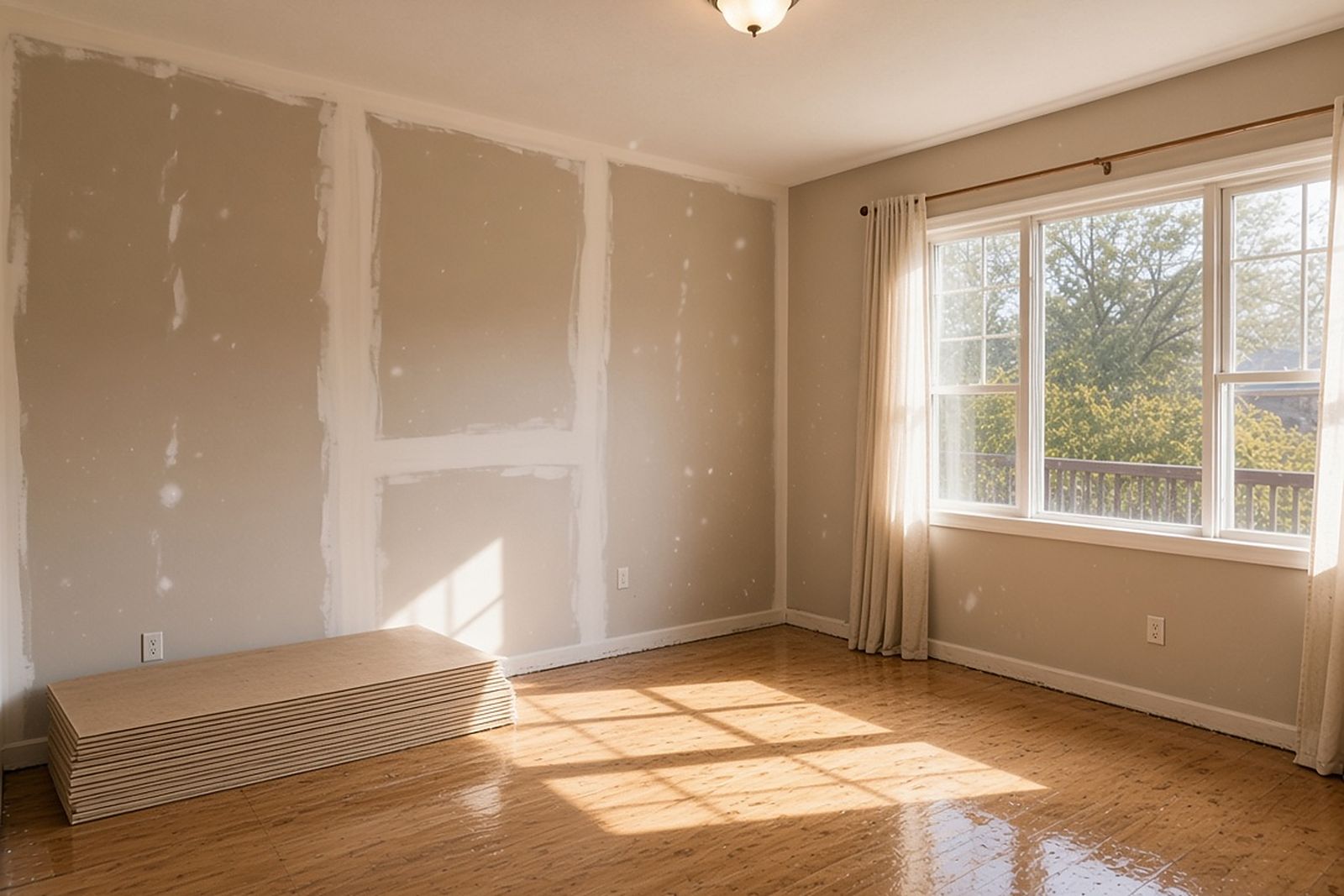
OSHA Regulations and Unattended Death Cleanup
The OSHA standards that govern unattended death cleanup crews, from respirators and bloodborne pathogens to heat stress, and what families can ask to check.
OSHA rules bind the cleanup company, not the family or estate. After an unattended death, the most relevant standards cover bloodborne pathogens, respiratory protection, general protective equipment and chemical hazards. Decomposition adds odor, insects and fluid that has spread into building materials, so respirator programs and hazard assessments matter more than usual. Families can ask providers to confirm training, fit testing and records.
Which Federal, State, and Local Rules Apply to Unattended Death Cleanup?
The federal, state and local rules behind unattended death cleanup: medical examiner release, legal authority, worker safety, waste disposal and local codes.
After an unattended death, a medical examiner or coroner decides when the home is released, and state probate or landlord-tenant law decides who can authorize cleanup. OSHA or a state plan protects workers, federal DOT rules cover waste transport, and states control most medical waste disposal. Local health, code enforcement and building offices may add requirements, especially if a property has been declared unsafe.
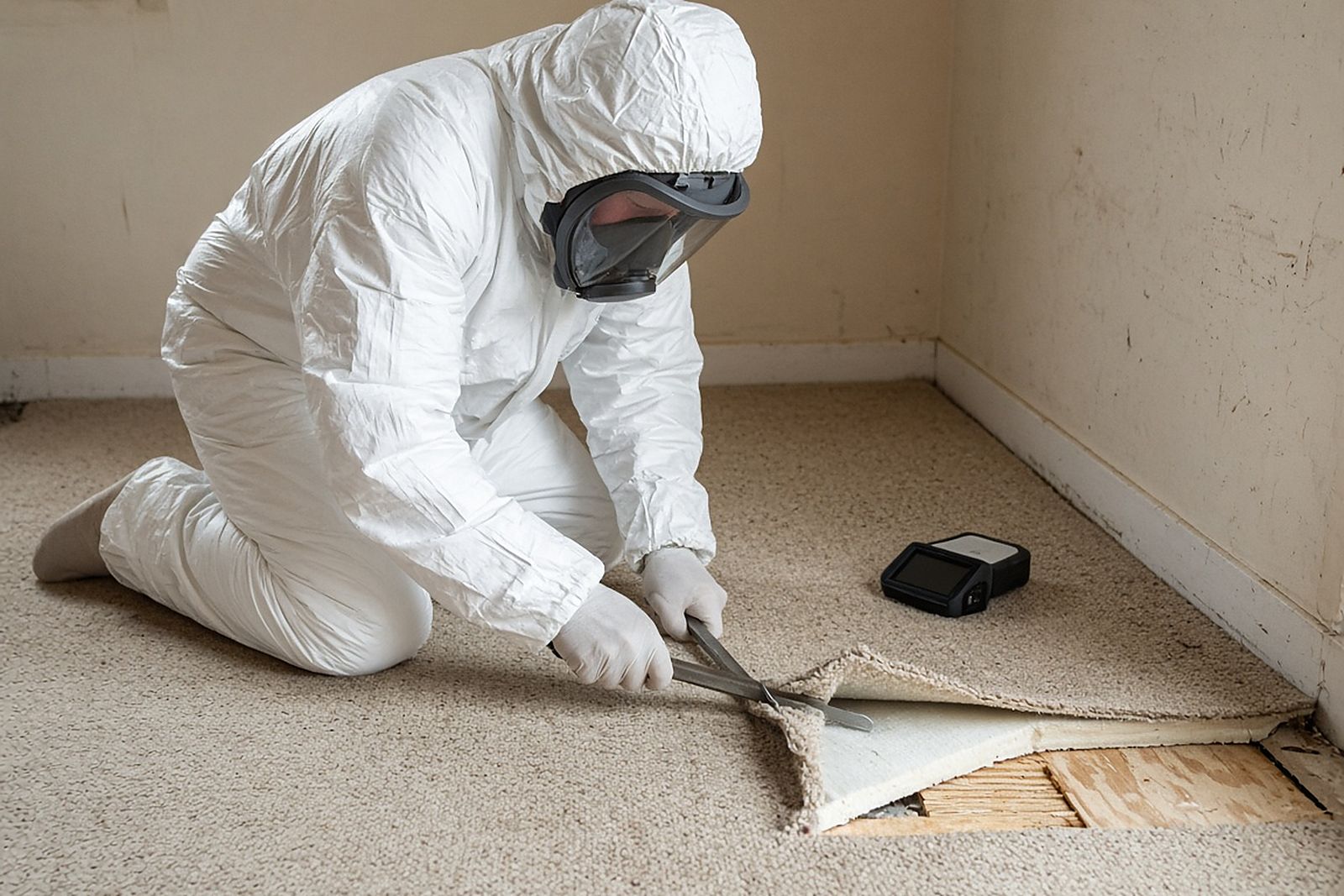
How to Research Waste Rules for Unattended Death Cleanup
How to research waste rules after an unattended death: saturated furniture, spoiled food, estate items and the state programs that govern disposal.
To research waste rules after an unattended death, sort what the job will produce: regulated waste such as saturated flooring and furniture, sharps, spoiled food, general household contents and estate items to keep. Then check your state's medical waste program, since federal EPA oversight ended in 1991, along with hauler registration, tracking and local landfill rules. Ask providers for disposal records suitable for the estate file.
Sourced figures on regulations
- 2.43 million
Janitors and building cleaners held about 2,432,600 jobs in the United States in 2025, with a median pay of $36,840 per year.
Read with care: Occupation-level count covers general cleaning, not specialized biohazard or remediation technicians.
Source: BLS (2025)United States, all employment settings, 2025 estimate
- 40 hours + 8 hours/year
OSHA's HAZWOPER rule requires general site workers to complete 40 hours of off-site instruction plus three days of supervised field experience, with 8 hours of annual refresher training.
Read with care: Not every biohazard cleanup legally falls under HAZWOPER; meth lab chemical work often does.
Source: OSHA (1990)US hazardous waste site workers
- $0 to employees
Since February 13, 2008, OSHA has required employers to provide required personal protective equipment at no cost to employees.
Read with care: Exceptions exist for non-specialty footwear, prescription eyewear and lost or deliberately damaged PPE.
Source: OSHA (2008)US general industry employers
These figures are public research and agency data, not this network's own job records. Keep each number with its population, year and limits; none of them predicts cost, timing or outcome at a specific property.
What research has found
Findings from published studies of people and properties in situations like this one. They describe what researchers observed in a specific group; they are not predictions for your case.
Repeated administrative reminders of the death could be demoralising.
Restrictions on touching could make relatives feel the body had become police property.
Regulations: common questions
Do OSHA rules apply when a company cleans up after an unattended death?
OSHA rules protect workers. So they apply to the provider's employees, not to you as a homeowner or executor. The bloodborne germ standard covers training, protective gear, and exposure planning when there is blood and other body fluids that can carry disease. Rules on breathing protection may also apply. Ask the provider how it meets these rules for its crew.
Can a landlord get rid of a dead tenant's belongings right away?
Usually not without following state rules on a dead tenant's property. These may require notice to the estate or next of kin, and a holding period. Soiled items that are a health risk may be handled differently. Check with the local housing authority or a lawyer. Take photos and make a list before anything leaves the unit.
How can I look up the waste rules for cleanup debris where I live?
Start with your state environmental agency's page on medical or special waste. Then call your county health department and describe the materials. Ask whether debris from a home where someone died is regulated, who may haul it, and where it goes. Compare what they say with your provider's plan. Ask for disposal records when the job is done.
Does the family need any permits before hiring a cleanup company?
Families usually do not need a permit to hire a provider for the cleanup itself. Permits may matter later for rebuild work that changes the structure, wiring, plumbing, or heating and cooling. The provider and the rebuild contractor should know which permits apply locally. Check with the local building department if you are unsure. Keep any permits with the property records.
Who decides whether the property can be lived in again?
In most cases, the property owner decides. The owner goes by the provider's final records and any local housing or health rules. For rentals, local rules on livable housing may apply before the unit is rented again. Some local health or code offices get involved when a property has been reported or declared unsafe. Ask the local housing or health office whether any sign-off is needed.
Are there rules about how quickly a landlord must act after a tenant dies?
Rules vary by state and city. Landlord-tenant law may affect when the lease ends, how belongings are handled, and what notice the estate must get. Health or housing codes may also require quick action to protect other tenants from odor or insects. Ask the local housing authority or a lawyer about the rules that apply to your property.
Do the regulation articles give legal advice?
No. They explain in general terms how different rules and agencies fit together. That way you know which questions to ask and who to contact. Rules differ by state, county, and city, and they change over time. For choices with legal effects, such as getting rid of belongings or telling buyers about a death, talk to a lawyer or the right agency.
Related community polls
Every count is a real visitor vote; nothing is seeded or padded. One vote per poll per device, and you can change your answer.
As a landlord, how long would you wait for the tenant's family before arranging cleanup yourself?
Which part of an unattended death project would you find hardest to manage?
More on unattended death cleanup
Unattended Death Cleanup services
Learn what cleanup after a late discovery involves. It covers tracing how far fluid soaked into the subfloor, odor treatment, listing belongings, and move-back-in records.
Costs explained
What drives the price, published cost ranges, and how to read a written quote line by line.
Insurance and payment
Which policies may respond, how to document a claim, and what to do if coverage is denied.
Planning tools
Six tools for landlords, executors, and families caring for a property after an unattended death. They help from the first day through waste records and claims.
Community polls
See how other landlords, executors, and relatives handled belongings, talking with tenants, telling buyers, and subfloor choices. Share your own view without giving your name.
Knowledge quiz
Test what you know about odor signs, who is in charge, closing off rooms in shared buildings, taking out soaked materials, waste records, and final sign-off papers.
Field guides
Guides for landlords and executors. They cover access, who is in charge, telling the insurer, how long to hold belongings, and when people can safely move back in.
City guides
Find cleanup providers by city and state. Then check their licenses, waste handling, and how they inspect the subfloor yourself before you approve any work.