Field guide
Unattended Death Cleanup: Assisted-Living Guide
A resident has died alone in your assisted-living home. Learn how to handle the first call, the room, their things, family updates and a safe return.
Who this is for: Assisted-living administrators and care leaders who are responsible for a resident's apartment, the neighbors, and the family after an unattended death.
Updated 2026-08-02. Rules differ by state and city, so check the details with your local authority.
Ask about your situation
Your request is sent to the follow-up inbox. A coordinator can reply by email. Not for emergencies; call 911 first if anyone is in danger.
In short
The short answer
If you think a resident may have died alone, call emergency services first and keep family, housekeepers and other staff out of the room. While responders control the scene, your job is to keep nearby residents safe and their care going. Once officials release the room, you sort the resident's and estate's things from facility property and evidence, and you bring in a qualified cleanup company to check the room. Keep the written release, the cleanup records and your own sign-off. A resident should return only after the cleanup is accepted, repairs are done, services work and care is ready for that person.
Start with the emergency call and protect residents
If a resident, worker, visitor or contractor may not be responding, your first step is to call emergency services and follow their directions. This matters because the room may hold hazards you can't see from the door. There may be medical, violence, medicine, needle, electrical, fall, chemical or germ hazards. So please don't send a caregiver, housekeeper, family member, guard or neighbor in just to check on a death. The same goes for opening windows, moving the person, getting medicine or starting to clean. From a safe spot, you can give responders access and the care or building facts you know. Leave the investigating to them.
Your facility's emergency plan is how you keep nearby residents safe while this is going on. Keep up supervision and the steps that stop wandering. Make sure oxygen, medicine, meals and drinks keep going, along with hygiene, help with walking, call buttons and infection steps. Keep exits open for people who need help to leave. You will also want to save the records from doors, cameras, calls, schedules, wellness checks, medicine, repairs and responders, and keep them safe and controlled. Before normal movement starts again, name who is in charge. Name who leads the incident, resident care, safety, the building and security. Then name who handles family contact, privacy, property, cleanup, insurance and records.
Write down the release and sort out who decides what
You need the release in writing, because taking away the body does not mean a phone, medicine, furniture, clothing or doorway is released. Write down which official released the space, and the date and time. Note the exact apartment, bathroom, hallway, shared room, vehicle, belongings, devices, records or other areas that are still limited. Keep the area closed off until the handoff is on paper. After that, you decide which area to inspect on its own terms. Base it on fluids you can see, where responders and staff walked, shared tools, air flow, plumbing, insects, odor paths and the spaces below or beside the room.
Several people may have a say at once, so it helps you to name them early. They can include the estate, the resident's rights, a guardian or agent, family, evidence holders, the operator, the landlord, record keepers and insurers. Name who may approve entry and the handling of personal things. Also name who approves opening walls or floors, storage, cleanup, reports, bills, repairs, moves and moving back in. Keep any disputed items safe, and send questions about legal authority or ownership to a qualified reviewer. A good cleanup company will not try to decide the cause of death, next of kin, inheritance or resident status. It also won't decide what happens to medicine or who sees care records.
Check a delayed discovery in a lived-in room with shared systems
When someone was not found right away, you need a careful picture of the room before anyone decides what to clean or remove. Write down what is known and unknown about timing. Note the room temperature and whether the heating and cooling (HVAC) was on. Record visible matter, insects, odor and moisture. The check should cover flooring layers, walls, baseboards, cabinets, upholstery, the mattress and fabrics. It should also cover bathroom fixtures, drains, utilities, mobility aids, electronics, keepsakes and hidden spaces. More time changes conditions, but it does not create one rule for tearing things out. Odor can travel and can help you find a source, but it cannot show every surface that was affected. Ask for a look at seams, undersides, soft layers, openings and places where fluid could cross from one material to the next.
You also need to map how people and things moved, because that tells you how far the check should reach. That includes responders, staff, residents, visitors, wheelchairs, walkers, carts, laundry, cleaning gear, waste, meals, medicine and personal items. Find out what was moved before the area was closed off and where it went. Check nearby apartments and shared rooms only where there is real contact or a likely path. A path can be fluid, air, plumbing, insects, equipment or foot traffic. Being close by is not enough on its own. While you learn more, use controlled routes and make choices for each resident. Write down what would widen or shrink the limits you have set.
Plan for staff safety, insects, odor, and resident needs
Your regular care and housekeeping staff should not be handed this cleanup as part of their normal work. OSHA's Bloodborne Pathogens standard can apply when workers are exposed to blood on the job. That can include certain contractor workers who clean after unattended deaths. Each employer, including you, should set rules for limited access, needle handling, safe work steps and protective gear (PPE). The rules should also cover hand washing and the cleaning of gear. Where they apply, add shots and follow-up care after an exposure, breathing protection, chemical safety notices, training and records. A resident's urgent needs do not cancel these duties.
Pest and odor plans should support cleaning the source, and they should protect the people you care for. That means residents, food, medicine, oxygen use, pets and people with health concerns. Ask the company to record insect activity, hiding places, products used, where they were placed and picked up, air precautions and follow-up. Pests should not be chased into nearby apartments, and chemicals that don't go together should never be mixed. Affected materials and hidden paths come first, and odor treatment comes after. Air fresheners, ozone, fogging, paint, open windows or a lack of smell do not prove on their own that the materials reached the finish line you agreed for the job.
Protect belongings and sort every kind of material
A resident's belongings matter deeply to the family, so you should list each kind of item on its own. That means furniture, clothing, photos, papers, jewelry and electronics. It also means walkers, hearing aids, glasses, keepsakes, medicine, care supplies, facility property and evidence. For each item, record what it is, where it was and who has a say over it. Describe its condition without graphic detail. Track who holds it, how it is packed and stored, any expert review and where it ends up. Sentimental value and access needs affect what comes first. They do not change whether a hidden, affected spot inside an item can be checked. The cleanup company describes condition, and the right owner makes each decision within their own role. That owner may be the estate, the resident, care staff, the pharmacy, the property owner or evidence holders.
For each material, you should see in writing whether it will be cleaned, removed, opened, kept or sent to an expert. A good company follows the current EPA-approved product labels. It also keeps certain groups apart. Needles and sharps are one group. Waste covered as blood and other body fluids that can carry disease is another. Medicine, chemicals, pest debris, linens, reusable equipment, dirty water, building debris and everyday property are kept separate too. Ask the company to name the containers, the route inside the building, the hauler, the destination and the records that come back. Your part is to protect residents and keep clean paths for meals, medicine, linens and care. A generic red bag or a regular dumpster is not a stand-in for sorting each material correctly.
Treat resident moves and family updates as real jobs
If you move a resident, the temporary home or other room must meet that resident's needs. It must allow safe movement and supervision, and it must support medicine, oxygen, meals, hygiene, sleep and toilet care. You also need to plan for infection steps, behavior support, pets where allowed, rides, phone contact, belongings, costs and review dates. Write down why the move goes on and what cleanup and care conditions will allow a return. An open bed is not always right for a resident's needs. Care records should follow your approved privacy and care steps, and they should not travel casually with cleanup property.
Families cope better when you give them one named contact and a plan for updates. Track their questions, and keep messages to the wider community short. Explain who can go in now, where care is happening and how to ask for needed items. Share property decisions, cleanup stages, limits and who makes the next decision. Please don't guess at the cause, blame, what insurance will pay or an exact finish date. Before repairs cover floors, walls, cabinets or pipes, have someone check the bare surfaces while they are still open. Rebuilding then brings back power and water, access, alarms, call systems, finishes, furniture and fire safety.
Allow return only when cleanup and care are both ready
The final report is what you will rely on later, so it should pull everything together. It should cover the release, access, timing and room conditions. It should cover movement, materials, belongings and medicine, and also staff safety steps, insects, odor work, products and waste. Ask for the inspection, testing, limits, hidden spaces, repairs and any rules still in place to be added. Some things cannot prove every hidden or future condition. That includes a walk-through, no insects, no odor or a receipt. It also includes a quick swab test that shows leftover organic residue, because that test does not detect germs. Keep family, medical, employee, evidence and graphic details in files that only the right people can open, and give workers only the background they need.
Before anyone moves back in, you should check that the apartment works and that care is ready. Check the power, water, plumbing and HVAC. Check access, fire safety, alarms, call buttons and walking routes. Then check furniture, housekeeping, medicine, care records, meals, staffing, supervision, security and emergency plans. Include an infection-control review where it is required. Record the approval from the facility and property owner, what you told the resident or family, the date, any limits and the follow-up. If a new odor, insects, fluid, a moved item or a system problem shows up, stop using the connected area. Have it checked again instead of covering it up.
What to do in each case
After a delayed discovery, keep emergency, estate, care, cleanup and move-in decisions separate.
| Decision | What you rely on | Who decides |
|---|---|---|
| Emergency and scene | Emergency directions, closed-off area, access and care records | Public officials and facility command |
| Conditions and paths | Timing, room conditions, movement, systems, insects and odor | Qualified inspection team |
| Staff and residents | Safety steps, care plan, accessible routes and moves | Each employer and resident-care leaders |
| Belongings and waste | Authority, item list, custody, waste type and destination records | Estate, facility and cleanup roles |
| Repairs and services | Open-surface final check, systems, furniture and services | Facility and care teams |
| Moving back in | Cleanup sign-off, readiness for the resident and approval | Authorized operator and property signer |
Checklist
- 1Call emergency services if you are worried about someone.
- 2Keep staff and family out of rooms that are not yet checked.
- 3Keep up supervision, medicine, help with walking and meals.
- 4Save wellness, door, camera, schedule and responder records.
- 5Write down the official release and any remaining limits.
- 6Ask for a map of timing, materials, insects, odor, movement, air and plumbing.
- 7Keep evidence, estate, resident, medicine and facility things apart.
- 8Keep regular workers off cleanup tasks they were not assigned.
- 9Ask that pest and odor work follow the decisions about the source.
- 10Keep waste away from resident routes and clean service paths.
- 11Write down resident move services and family updates.
- 12Ask for surfaces to stay open for a check before rebuilding.
- 13Check systems, access, care records and staffing.
- 14Record approval and follow-up before anyone moves back in.
Common questions
Should staff do a welfare check?
Follow emergency directions and your facility's welfare-check plan. Staff with assigned, trained duties may have a set role. But please don't make up an entry plan on the spot when there could be violence, medicine, chemical, needle, electrical, fall or germ hazards. From a safe place, you can give responders access and the facts you know about the resident's care. Once the scene is released, checking the property and cleaning it are separate tasks. Each one needs its own approval and its own worker-safety decisions.
Can another resident stay next door?
Maybe. It depends on any official limits and on whether fluid or contact could have reached that apartment. It also depends on shared air and plumbing, insects, staff and equipment traffic, noise, odor and an accessible way out. The resident's health and behavior needs matter too. A short move may still be wise while the check goes on. Write down your reason for that resident, the safety steps, the monitoring and what would trigger another check. A shared wall alone does not prove the unit was affected, and a need for beds does not prove it is safely separate.
What happens to medicine and mobility aids?
Treat them as essential, controlled property. First you confirm the scene status, what the item is and who has authority over it. Then you check its contact and path history, its packaging, how badly it is needed and the facility or pharmacy steps. A mobility aid may need a close look at its materials and a check that it still works. Medicine may need to be replaced or handled by the pharmacy. Please don't ask family to go in, and don't let the cleanup company make up its own process. Record who holds each item, and provide safe substitutes so care does not depend on getting items out too soon.
How often should families get updates?
Set a steady schedule tied to real decisions, and don't promise constant updates or an exact finish date. Use one approved contact, and write down questions and promises. Make clear what is known and what is still being checked, and say who controls the next step. Give an update right away if the care location, access, medicine, belongings, who pays or the rules for return change in a real way. Always protect other residents' names and health details, evidence and graphic details.
What shows an apartment is ready?
No single check proves every condition, so you put the pieces together. Start with the written release, the inspection and the choices about materials and belongings. Add worker and waste records, testing, known limits and repairs. Then confirm the power, water, air flow, plumbing and access, and check alarms, call buttons, furniture and housekeeping. Make sure medicine, care records, staffing and emergency plans are ready, and finish any required facility review. The approved operator records the sign-off and what the resident or family was told. That record lists any limits still in place and any follow-up.
Can the family take furniture home from the apartment?
Only after release and after the remediation provider has assessed each piece. Upholstered and porous items near the affected area may not be salvageable, while hard furniture farther away may clean well. Go through the inventory with the authorized representative, and let them choose to clean, keep, or dispose of each item. Record every item that leaves and its condition, so the facility isn't later asked about pieces it never approved.
Should the facility review its wellness-check routine afterward?
Yes, but keep that review separate from the cleanup and from family communication. Look at how check-ins, call systems, meal attendance, and staff handoffs actually worked, and whether anything signaled a problem earlier. Talk with the appropriate leaders about lessons learned without blaming individuals or sharing resident details widely. Record any changes you make, and keep the review out of the remediation file.
Sources
These official sources back up the safety and process points above. Use them when you talk with your local office or a cleanup company.
Use this guide with the planning tools
Open the insurance claim organizer to keep the paperwork orderly from the first call to the carrier decision. When you are ready to compare providers, the vetting checklist turns the questions in this guide into a list you can send.
Related articles
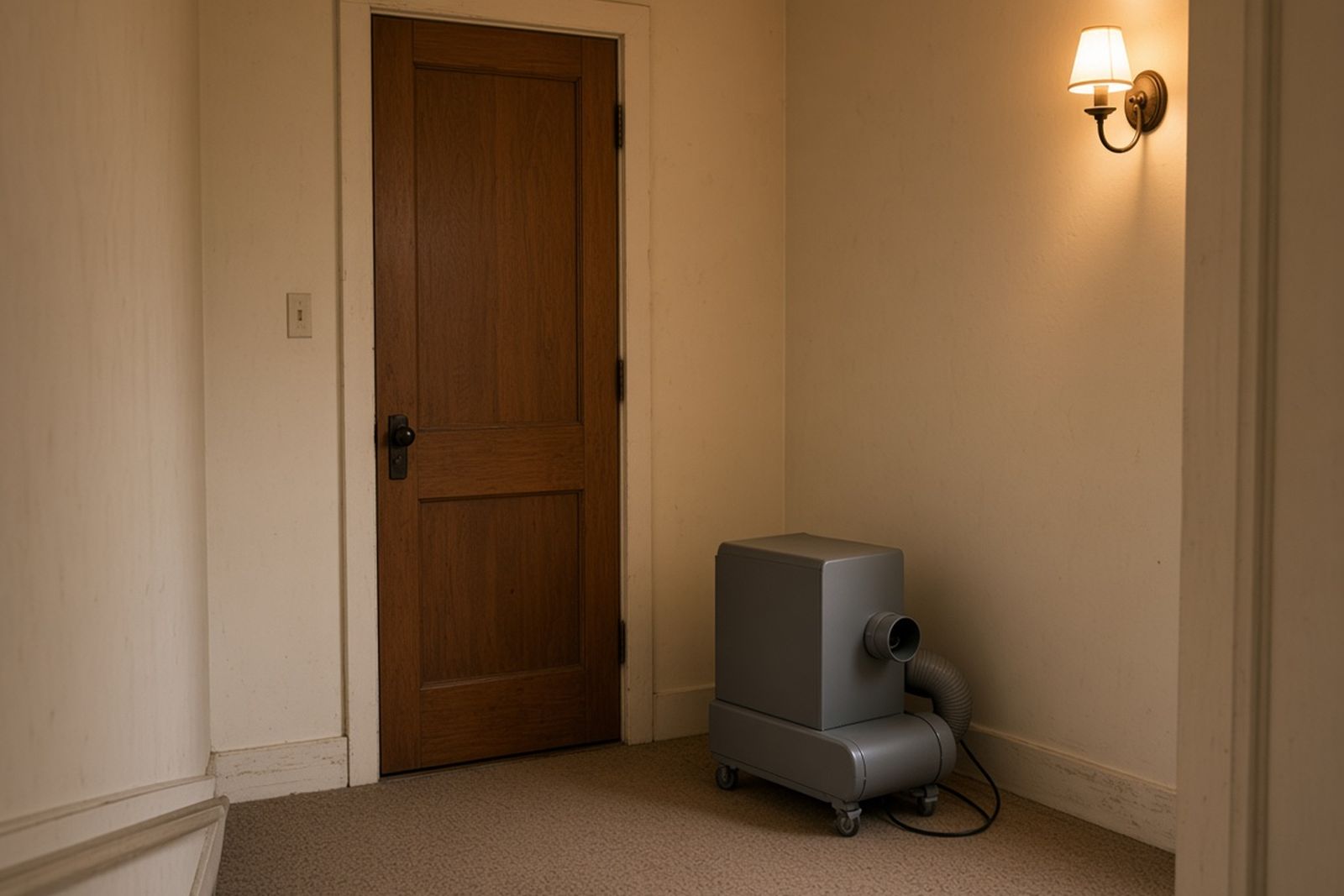
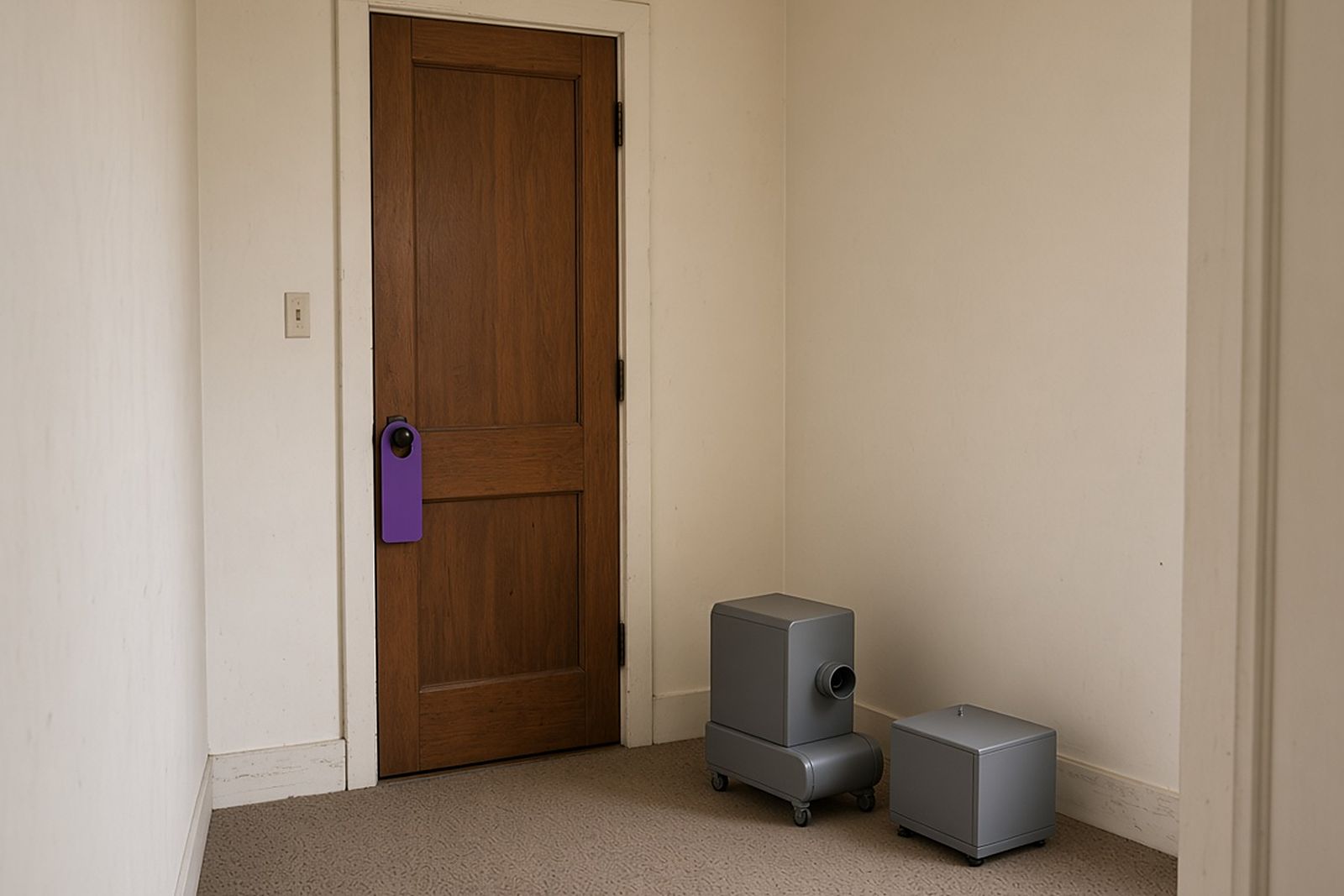 How to Evaluate Equipment Proposed for Unattended Death CleanupMatch the equipment to your home's condition: how long the person went unfound, how far fluids went, whether insects spread and how strong the smell is. Expect respirators, tools for removing flooring, insect and odor control after the source is gone, sealers, care for the heating and cooling system, and records of final checks. Question anything vague, unexplained or used in place of removal.
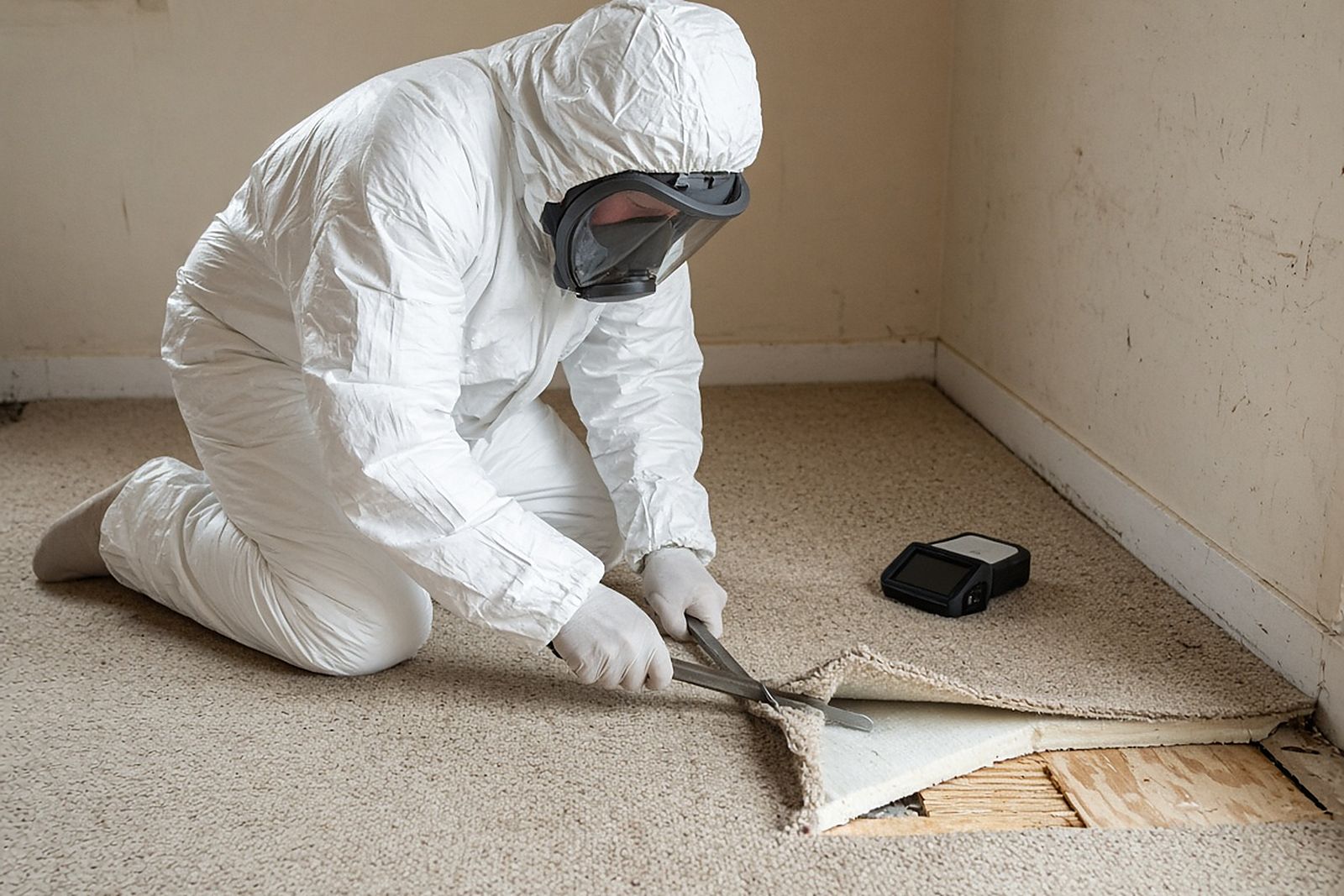
 10 Unattended Death Cleanup Safety Risks to Assess Before Work BeginsBefore cleanup begins, a trained person should check ten risks. These are germs, strong odor fumes, weak subfloor, insects and pests, mold, medical needles, clutter, utilities left running, damage reaching the units next door, and the emotional weight on your family. Each one should be found in the first walk-through and matched to a clear way to control it.OSHA Regulations and Unattended Death CleanupOSHA rules bind the cleanup company, not you or the estate. The main rules cover germs carried in blood, breathing protection, protective gear and chemical hazards. A body breaking down adds smell, insects and fluid in building materials, so breathing protection and a written hazard check matter even more. You can ask a company to confirm its training, mask fit tests and records.
 Red Flags When Hiring Unattended Death Cleanup ServicesWatch for a promise of no smell with no plan to remove the source. Watch for plans to seal or paint over soiled flooring, and quotes given without checking the subfloor or the unit below. Other warning signs are no plan for insects, careless handling of estate papers and valuables, poor updates for far-away relatives, and missing waste records or proof of insurance.When ATP Testing Helps—and When It Does Not—in Unattended Death CleanupA quick swab test shows whether hard, cleanable surfaces still hold organic residue after cleaning. It does not detect germs. It cannot measure smell, look under flooring, judge sealed subfloor or confirm insects are gone. Ask for it as one piece of a written plan that also covers what was removed, how the smell was checked, photos and disposal records.How to Evaluate Technology Used in Unattended Death CleanupJudge each tool by the problem it solves for you. It might find hidden fluid, remove smell once the source is gone, control insects, protect shared air or keep a far-away family informed. Ask how it fits with removing soiled materials, what its limits are and how you will see results. No machine can clear the smell while soaked flooring or furniture stays in the home.