Field guide
Unattended Death Cleanup: Hotel and Guest-Room Guide
A plain hotel guide for an unattended death. It covers welfare checks, scene release, privacy, the room check, linens, insects, cleanup, repair, and turnover.
For: Hotel owners, managers, security, housekeeping, engineering, risk teams, insurers, brands, and approved guest or estate representatives.
Organizational editorial byline · Updated 2026-08-01 · Verify case-specific requirements with the responsible authority.
Ask about your situation
Your request is sent to the follow-up inbox. A coordinator can reply by email. Not for emergencies; call 911 first if anyone is in danger.
Direct answer
What is the practical approach?
If you think a guest may have died, start with a welfare check or a call to emergency services. Staff should not go in. After officials release the room and property, keep estate or guest belongings apart from building decisions. Limit who can enter. Then check how long the guest was undiscovered, the temperature, fluids, insects, and odor. Look at linens, the mattress, and flooring layers. Check the bathroom, heating and cooling, plumbing, carts, laundry, hallways, and nearby paths. Use a qualified cleanup plan. It should cover worker safety, product labels, who holds belongings, waste, and a written finish line for the job. Put the room back in service only after cleanup, pest and system decisions, rebuilding, a privacy review, housekeeping readiness, and management approval are done.
Handle a welfare worry without making staff act as responders
If you can't reach a guest, or something makes you worried for their safety, follow hotel policy. Call the right emergency service. Staff should not go in just to confirm a death. They should not move the person, open windows, change the heat or air, take linens, gather belongings, or start cleaning. Give responders lawful access and the registration details. Share what you know about medical or safety concerns, pets, companions, and building conditions. Save key use, door events, related camera video, calls, and incident notes, with access controlled.
Keep the disruption away from other guests without sharing private details. Name one person to deal with officials and one to talk with guests. You can explain a closed floor, held elevator, or room move as an official response or a restricted area. Don't guess about the cause of death. Don't share graphic photos, post details in staff group chats, or make things up at the front desk. The hotel handles safety, property, and service. Public and medical officials make their own findings.
Keep official release, estate property, and hotel property apart
Write down which agency or official released the room, and the date and time. Record the exact rooms and routes released, anything or any records still held, and remaining directions. Releasing the body does not always release every personal item, bathroom, vehicle, or connecting room. Don't assume permission just because responders left. Security should keep the area closed until the incident lead records a clear handoff to the person approved to make property decisions.
The hotel usually controls building systems, hotel furniture, locks, and operations. A guest, the estate, a next-of-kin representative, officials, or an insurer may control personal items and other choices. Don't ask the cleanup contractor to decide inheritance, what gets thrown out, or what is evidence. Make a simple chart of who approves each step. Include getting essential items, listing belongings, opening walls or floors, hotel materials, storage, insurer contact, the final report, and turnover. Put disputed belongings on hold. Needed short-term building work can go on within each person's authority.
Check the whole room and service routes after a delayed discovery
The check should record what is known and unknown about timing. Note whether heat or air was on, and the humidity. Record visible matter, bed and mattress layers, linens, upholstery, carpet and pad, and the subfloor. Check seams, wall base, bathroom, drains, built-in furniture, electronics, the room's heating and cooling unit, any connecting door, the balcony, and areas that can't be reached. Time can affect conditions, but there is no single deadline for tearing things out. Odor can point to a question worth checking. It cannot prove where the affected area ends or replace looking at each layer.
Map the routes used by responders, staff, carts, elevators, and stairs. Include service hallways and the routes for linens, waste, and loading. If linens were bagged, a cart was moved, or the heat or air was changed, write down where and when. Check nearby rooms, lower floors, heating and cooling, plumbing, or pest paths where there is a real reason to. Don't declare every nearby room affected. You may need engineering and pest professionals. Keep equipment or linens that may be affected set aside until there is a written decision on how to handle them.
Treat insects and odor as questions about the source
Insects can spread beyond the room. Handling them takes a plan to identify them, get access, use labeled products, check common areas, and follow up. Pest treatment does not clean affected materials. Tearing things out without controlling active paths can spread insects. Give the cleanup company, a pest professional where required, engineering, and management each their own tasks. Write down which rooms or service areas were checked. Don't tell guests more than they need to know.
Odor control starts with checking affected materials and any other sources. Drains, trash, pests, moisture, the heating and cooling, laundry, nearby rooms, and building products can all add odor. Fresh air, filters, odor-absorbing products, cleaning, and other treatments each do different jobs. Air freshener or no smell right away does not prove the carpet pad, subfloor, wall base, bed platform, or ducts are dealt with. Set out when follow-up will happen instead of promising the odor will never come back.
Keep staff, linens, belongings, and waste on separate, controlled paths
Housekeeping, laundry, engineering, security, and waste staff should not be given exposure tasks just because they normally service rooms. OSHA's Bloodborne Pathogens standard can apply when workers are exposed to blood on the job. That includes certain contractor cleanup work after unattended deaths. Employers should cover access, needles, protective gear (PPE), hand washing, tools, and cleaning of gear. They should also plan the response to an exposure and any breathing or chemical safety needs. A vendor's protective gear does not make the hotel's normal routine safe.
Set up separate steps for hotel linens, guest belongings, hotel property, waste, reusable equipment, and carts. Laundry decisions should cover bagging, transport, worker exposure, a suitable wash process, equipment, dirty water, and when an item passes. Belongings need someone with authority, a list, non-graphic photos, custody, storage, expert review, and a final decision. How waste is classed depends on the material and the rules that apply. Don't call every item in the room medical waste. Don't send every fabric item through the normal laundry.
Keep a pause point between cleanup and repairs
The cleanup plan should describe the work on each material and the products used. It should list what their EPA-approved labels require and any controlled openings. It should cover pest and heating and cooling coordination, belongings, linens, waste, and shared routes. It should also cover testing, what is left out, and how changes are handled. Cleanup may leave the subfloor, walls, trim, cabinets, or bathroom layers open. Before flooring, drywall, paint, or furniture covers them, review the final map and what happened to each material. Review photos, products, waste records where they apply, inspection, targeted testing, and limits.
Rebuilding then covers finishes, fire-blocking, electrical, plumbing, and heating and cooling. It also covers access for guests with disabilities, brand standards, permits, inspections, and warranties. Insurance and brand approval do not set the finish line for the cleanup. Lost room income and turnover schedules are business concerns, not evidence. Protect the cleaned area from construction dust, wet materials, new odors, tools, and traffic. If new problems appear, stop and write them down instead of covering them.
Return the room only after each team signs off
The cleanup report should state the area worked on and the methods used. It should give the status of belongings and linens, pest and system decisions, and waste proof. It should also note the inspection, limits, and any work left. One odor check, a product receipt, or a walk-through cannot prove every hidden or future condition. Neither can a quick swab test that shows leftover organic residue (it does not detect germs). Share records with the estate, hotel, insurer, builder, or officials only as each has a real need, with private details limited. Graphic photos should never become part of normal turnover records.
Management should then confirm locks and keys, and fire and life safety. Check heating and cooling, plumbing, pest follow-up, repairs, furniture, amenities, housekeeping, and room inventory systems. Confirm any insurer or legal needs and any limits on nearby rooms. Record the manager who approved it and the date. Don't promise the room is germ-free or that odor will never return. A solid return-to-service file explains exactly what each party finished and what responsibility remains.
Decision table
A delayed discovery raises hotel decisions that go beyond the guest room.
| Decision | Required record | Responsible role |
|---|---|---|
| Emergency and scene | Emergency directions, key events, release area | Contact with officials and security |
| Room and paths | Timing, materials, carts, linens, nearby rooms and systems map | Cleanup lead and engineering |
| Insects and odor | Source questions, pest findings, purpose of each treatment, follow-up | Pest professional, cleanup, management |
| Staff and property | Worker safety steps, who controls belongings, laundry and waste paths | Hotel and contractor employers |
| Cleanup and rebuilding | Final check with surfaces open, plus repair sign-off | Property signer and builder |
| Back in service | Systems, security, housekeeping, limits, management sign-off | Approved hotel manager |
Action checklist
- 1Call emergency services for welfare checks and urgent dangers.
- 2Save key, door, camera, and incident records.
- 3Write down the exact scene release and any remaining limits.
- 4Keep estate belongings apart from hotel building decisions.
- 5Map timing, temperature, material layers, carts, and linen routes.
- 6Check real paths to nearby rooms, HVAC, plumbing, insects, and odor.
- 7Keep regular hotel staff off exposure tasks not yet checked.
- 8Set up controlled paths for linens, belongings, waste, and equipment.
- 9Set products, changes, testing, and final report proof.
- 10Leave surfaces open for a check before rebuilding.
- 11Check pests, systems, security, repairs, and housekeeping.
- 12Record management approval before the room goes back on sale.
Questions and answers
Should staff go into a room during a welfare check?
Follow the directions of emergency services and hotel policy. Going in can expose staff to medical, violence, chemical, germ, needle, or building hazards. It can also disturb evidence and the scene. From a safe spot, give lawful access and share the facts you saw. Private work on the property starts only after officials release the needed area. An approved hotel representative must also approve it.
Can hotel linens go to the normal laundry?
Not automatically. Look at the material and any visible blood or other body fluids that can carry disease. Consider how soaked it is, how it was bagged, and its route. Think about worker exposure, equipment, a suitable wash process, dirty water, and when an item passes. Some items may need to be removed or sent to a special process. Keep linens that may be affected out of the normal flow until there is a written decision. If a cart or laundry equipment was involved, record that too.
Does odor in the hallway mean nearby rooms must close?
Follow official directions during the response. Then check real paths through air, doors, service areas, pests, and materials. Odor can travel without proving that every nearby room is affected. Short-term closures may help with privacy or operations. Any longer closure should be tied to what was found and a clear decision. Also think about drains, trash, moisture, pests, heating and cooling, and other room conditions.
Who decides what happens to guest belongings?
Control depends on officials, ownership, the estate's status, the contract, and the law that applies. The cleanup company describes condition and handling options. It should not decide inheritance or whether items were abandoned. Keep records of the item list, non-graphic photos, approval, custody, storage, expert review, and return or disposal. Medicine, ID, electronics, firearms, legal papers, and possible evidence may need their own directions.
When can the room be rented again?
Only when these items are resolved or assigned to someone: the scene release, the cleanup report, and pest and building-system decisions. Rebuilding, fire and life safety, security, furniture, and housekeeping must also be done. So must any insurer or legal needs and any limits on nearby rooms. Management should record the approval and the date. An invoice, fresh linens, new flooring, or a short break from odor is not the whole turnover record.
Can housekeeping carts and equipment that entered the room be reused?
Take any cart, vacuum, or tool that entered the room after the event out of service until it's assessed. Record who used it and where it went afterward. The remediation provider can recommend whether each item can be cleaned or should be replaced. Check the other rooms and corridors the cart visited, so the pathway map includes them.
Should the hotel contact the guest's family directly?
Let the responsible authority handle any notification and share family contact information, then have one designated manager communicate carefully and with compassion. Don't let front-desk staff or housekeeping field these calls. Stick to logistics like belongings, billing holds, and who to contact, and don't describe the room's condition. Keep a record of each conversation, and send any decisions about property through the documented process.
Primary sources and scope
These sources support specific safety or process statements. They do not certify a provider, establish a universal property-clearance standard, or replace local requirements.
Use this guide with the planning tools
Open the insurance claim organizer to keep the paperwork orderly from the first call to the carrier decision. When you are ready to compare providers, the vetting checklist turns the questions in this guide into a list you can send.
Related articles
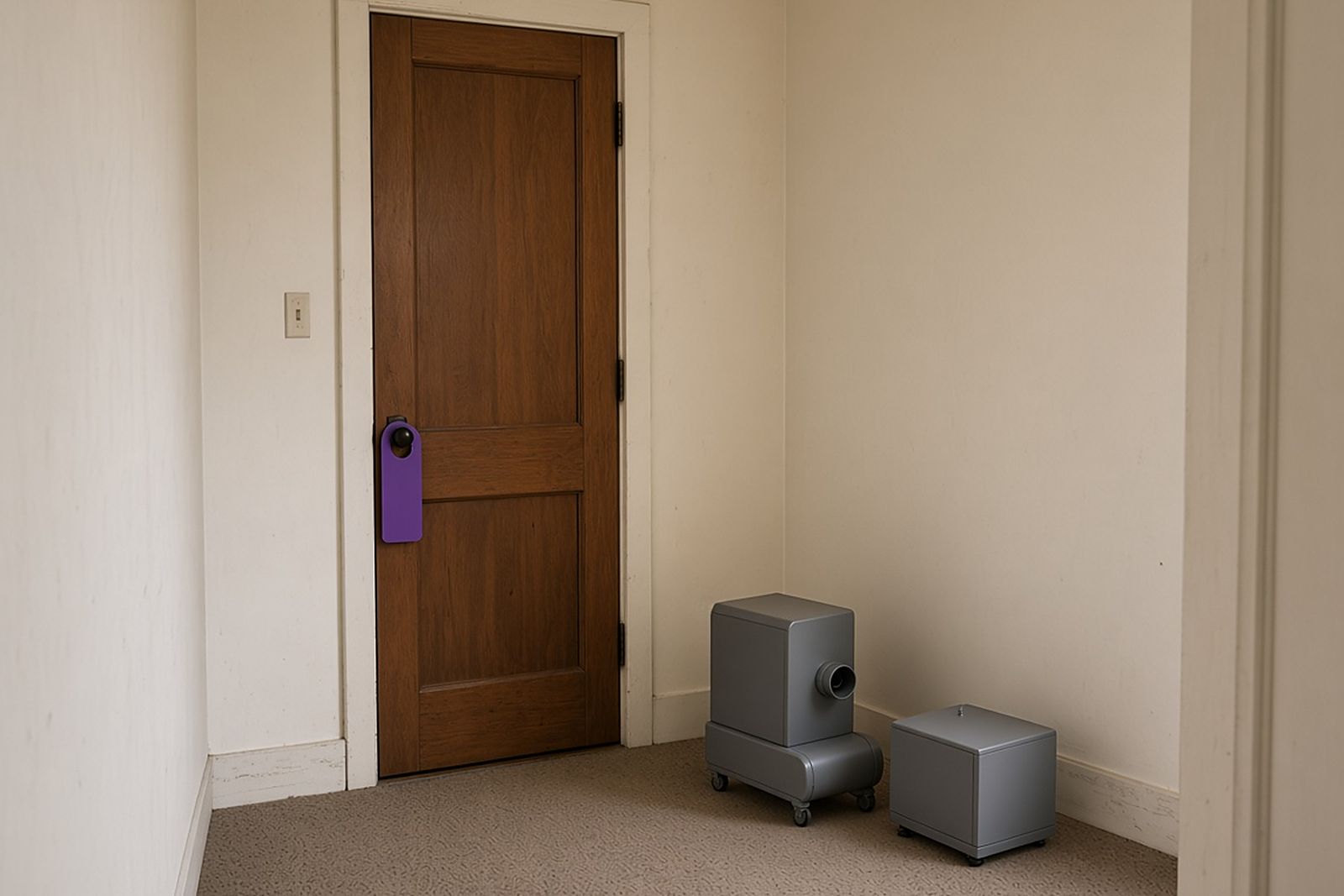 How to Evaluate Equipment Proposed for Unattended Death CleanupEvaluate equipment proposed for unattended death cleanup by matching it to the home's condition: how long the person went undiscovered, how far fluids traveled, whether insects spread and how strong odor has become. Expect respirators for odor and dust, tools for removing flooring and subfloor, insect and odor control after source removal, encapsulating sealers, HVAC attention and verification records. Question anything generic, unexplained or used in place of removal.
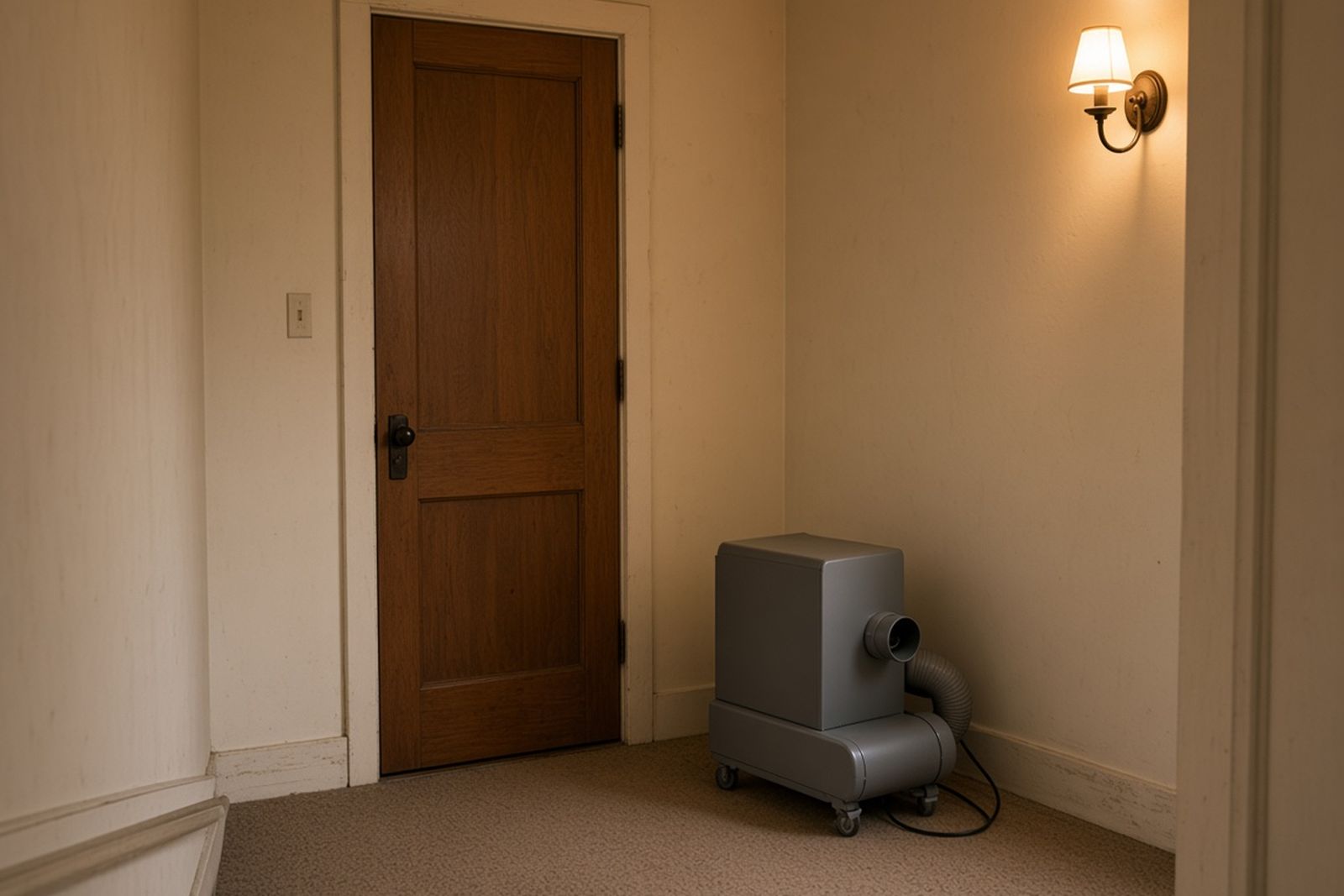 10 Unattended Death Cleanup Safety Risks to Assess Before Work BeginsBefore unattended death cleanup begins, someone trained should assess ten risks: pathogens and bacteria, strong odor vapors, subfloor weakened by saturation, insects and pests, mold and moisture, medical sharps, clutter and heavy contents, utilities and appliances left running, contamination reaching neighboring units, and the emotional weight on family members. Each should be identified in the walkthrough and matched to a clear control.OSHA Regulations and Unattended Death CleanupOSHA rules bind the cleanup company, not the family or estate. After an unattended death, the most relevant standards cover bloodborne pathogens, respiratory protection, general protective equipment and chemical hazards. Decomposition adds odor, insects and fluid that has spread into building materials, so respirator programs and hazard assessments matter more than usual. Families can ask providers to confirm training, fit testing and records.
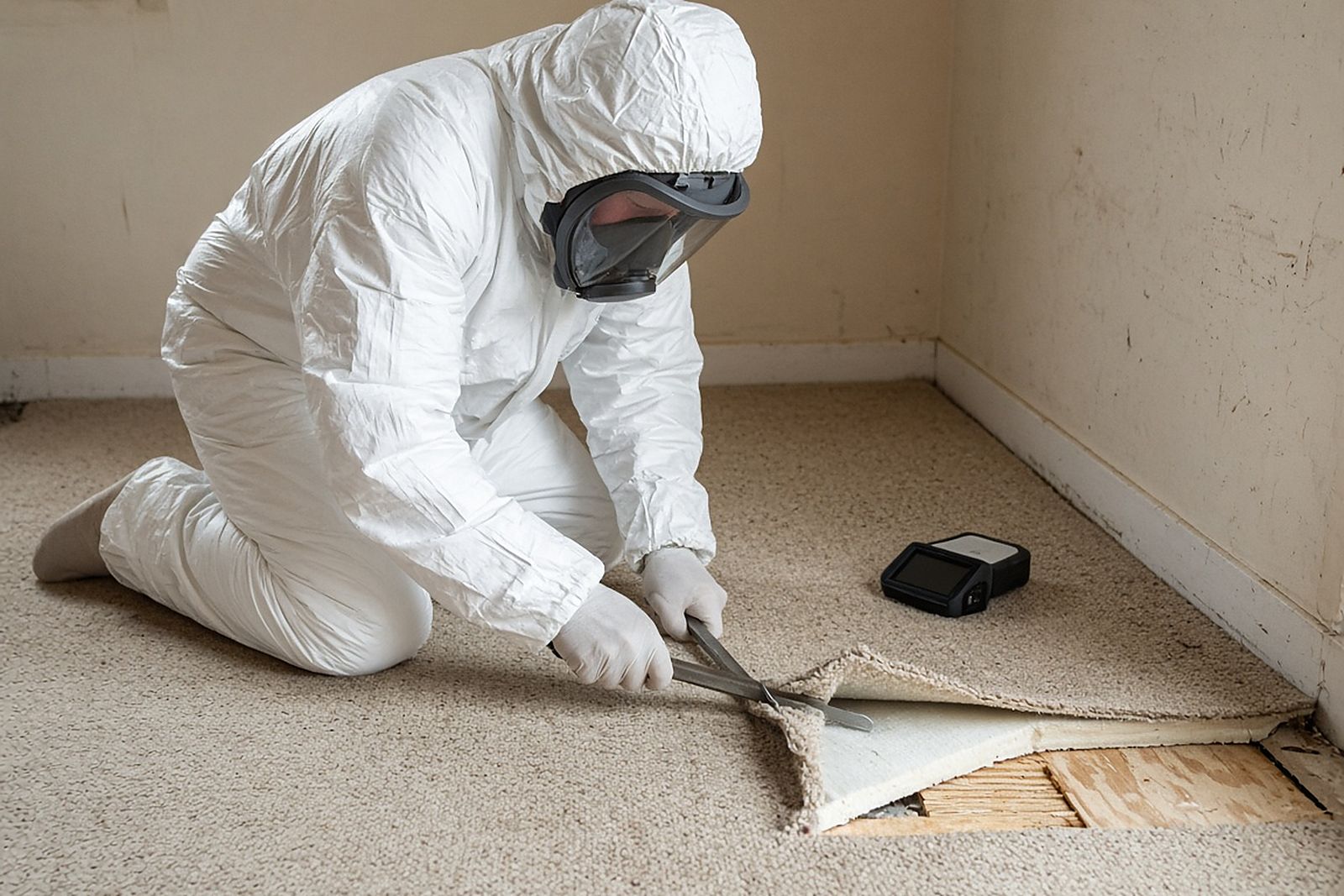 Red Flags When Hiring Unattended Death Cleanup ServicesRed flags when hiring unattended death cleanup include odor-free guarantees without a plan to remove the source, proposals to seal or paint over contaminated flooring, quotes given without checking subfloor or the unit below, no plan for insects, careless handling of estate documents and valuables, poor communication with relatives who live far away, and missing waste records or insurance proof.When ATP Testing Helps—and When It Does Not—in Unattended Death CleanupIn unattended death cleanup, ATP testing is a spot check that hard, cleanable surfaces are free of organic residue after decomposition fluids are removed. It cannot measure odor, look beneath flooring, judge sealed subfloor, confirm insects are gone or identify pathogens. Ask for ATP as one piece of a written verification plan that also covers material removal, odor evaluation, photographs and disposal records.How to Evaluate Technology Used in Unattended Death CleanupJudge any technology in unattended death cleanup by the problem it solves: finding hidden fluid migration, removing odor after the source is gone, controlling insects, protecting shared air or keeping a distant family informed. Ask how it fits with removing contaminated materials, what its limits are and how results will be shown. No machine can clear odor while saturated flooring or furniture remains in the home.