Why can floating floors in Austin rentals hide a bigger problem after an unattended death?
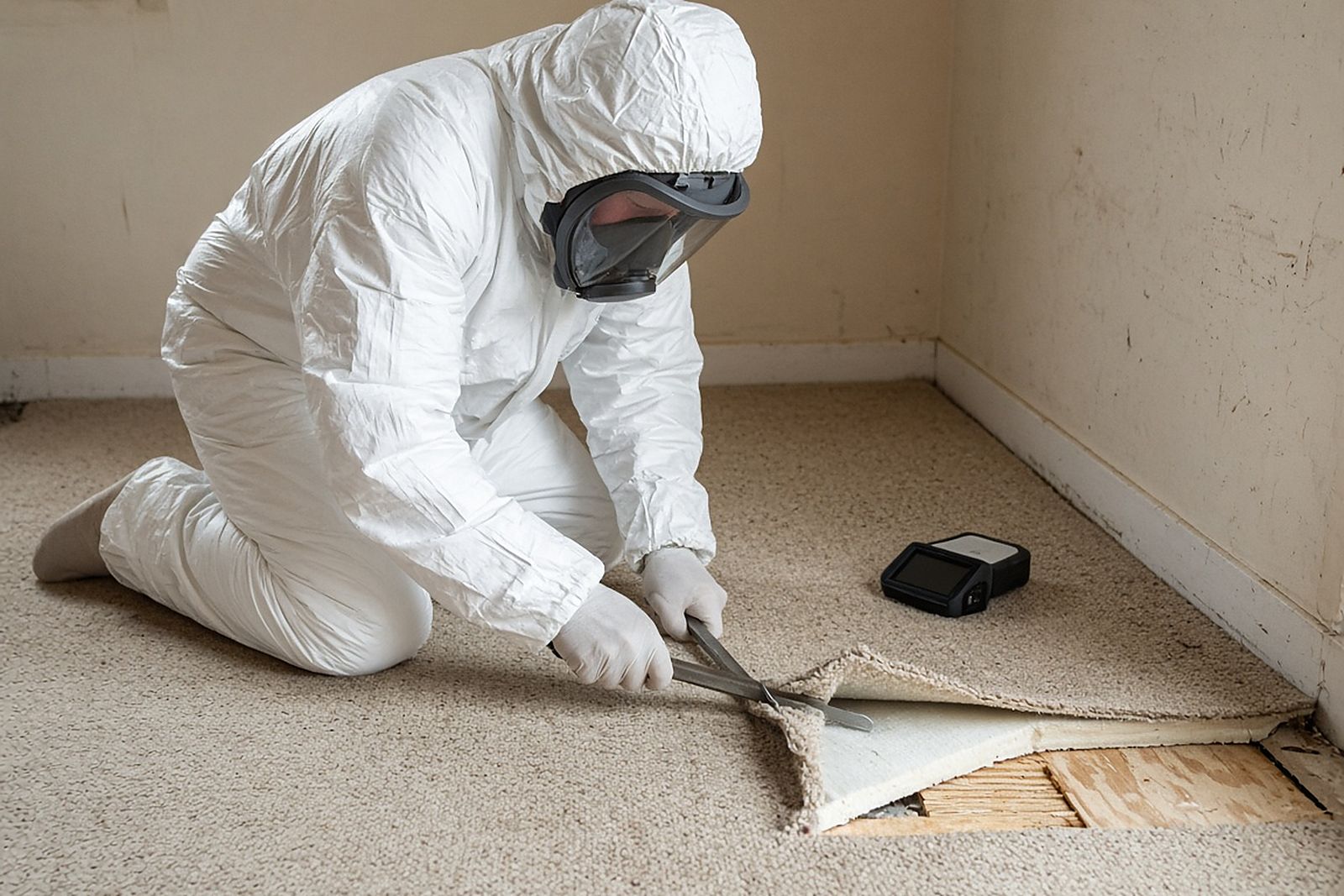
Floating vinyl and laminate often sit on a foam layer that soaks up body fluids like a sponge. Liquid can spread sideways under the planks far past the body outline, while the top of the floor still looks mostly fine. Families who replace just a few planks often leave wet foam behind. It keeps smelling each time the AC runs. A good check lifts the edges, measures moisture, and sets a removal line based on the foam, not the surface. In humid weather, damp foam left behind can also grow mold on dust and debris. An honest plan treats the foam as a main source. It records why removing more protects the next people who live there and keeps the move-in date on track.
How do downtown Austin elevators and hallways affect cleanup?
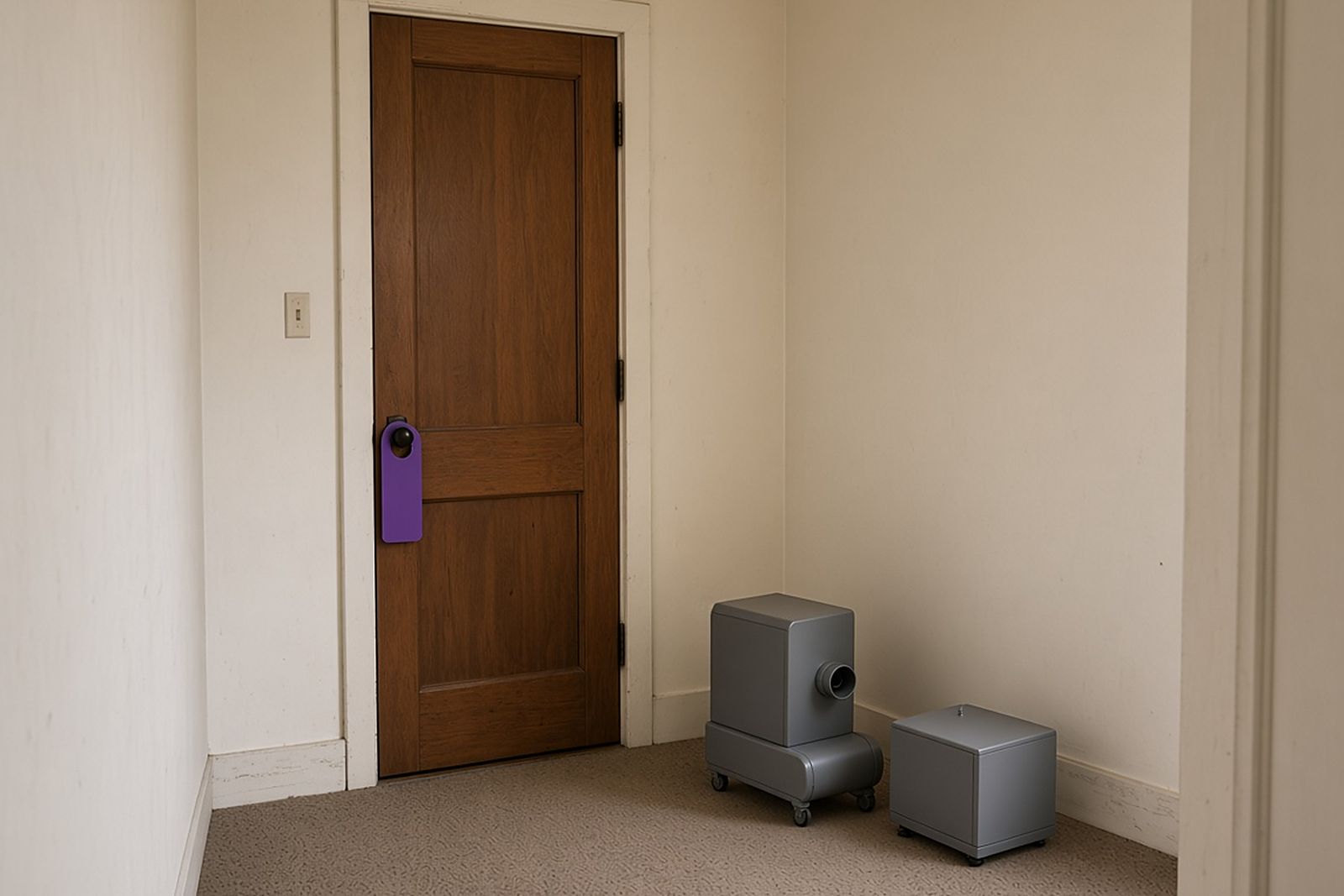
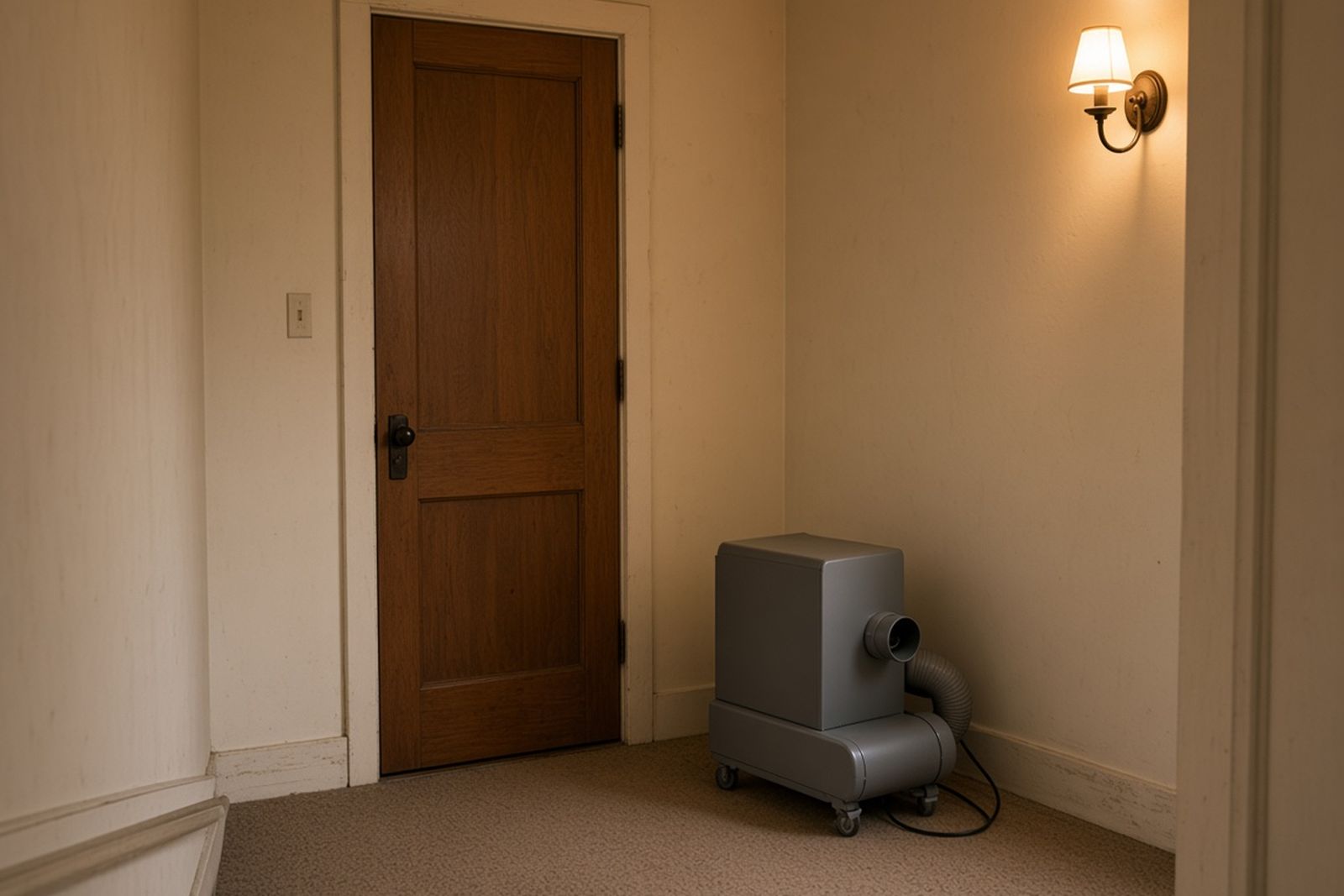
Tall buildings put privacy and cleanliness problems into shared lobbies, elevators, and trash rooms. Soaked materials must move through those spaces without dripping or exposing neighbors to strong smells. That means sealed bags, covered carts, floor protection, and often a booked time on the freight elevator. Hallway returns and air pressure can pull odor out of an open apartment door if the seal is weak. Managers should tell residents about short access limits without sharing private details. Plan the load-out path before tear-out starts. That avoids last-minute routes that soil clean lobbies. It also gives building owners and insurers a clearer record of the loss.
How can mold become a second problem after a late discovery in Austin?
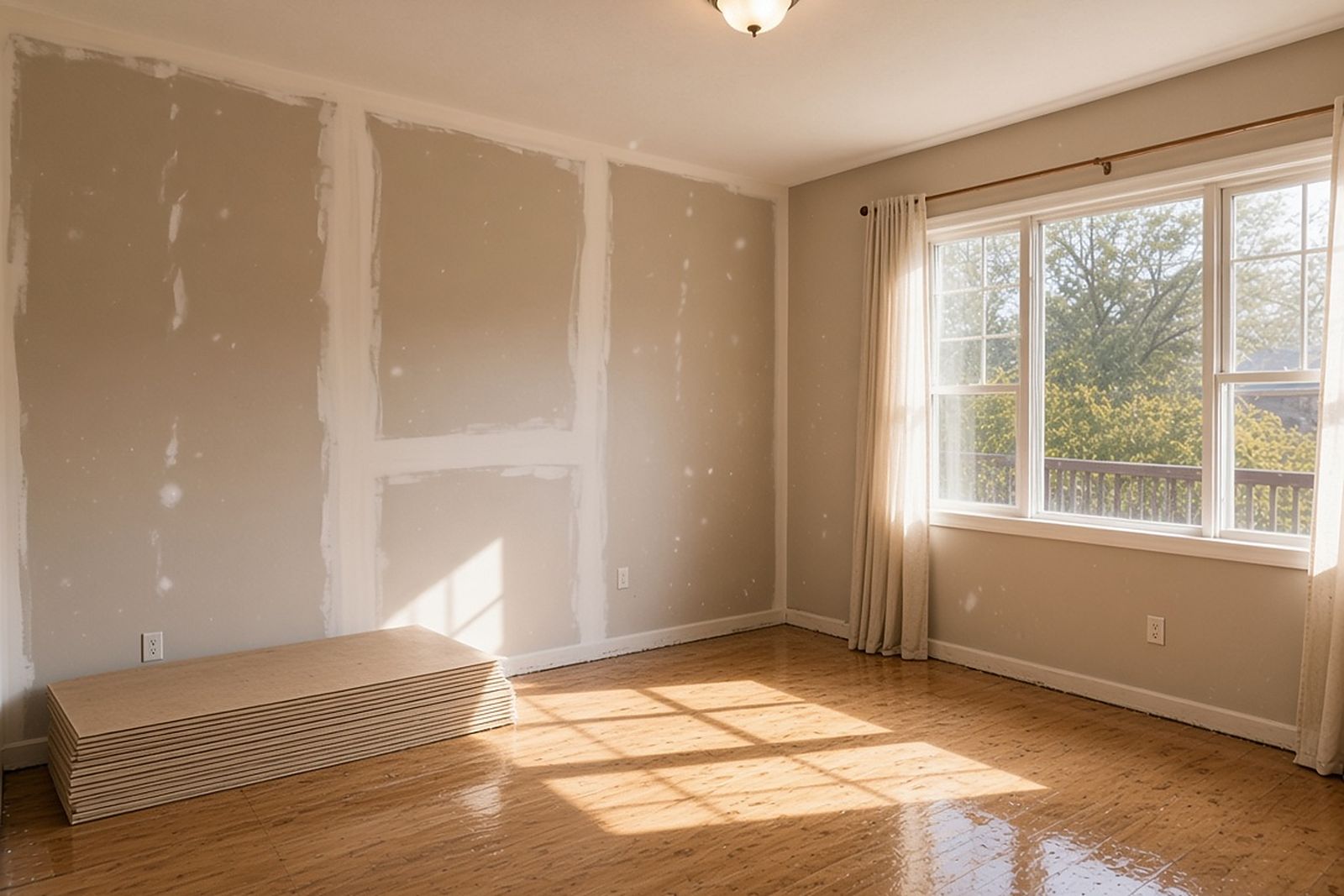
Body fluids add moisture and organic matter to carpet, drywall paper, and crawl-space materials. In humid stretches, those materials can stay damp long enough to grow mold, even after the body is gone. The smell then becomes a mix of odor chemicals from the body and from the mold. That confuses anyone who only sprays deodorizer. A good plan dries the structure after the source is removed. It checks for mold on anything that was wet, especially in pier-and-beam crawl spaces. EPA pages on moisture and mold explain why drying and removal work better than scent. Treating mold as a side effect of a late discovery keeps anyone from calling a unit ready while hidden growth remains behind the baseboards.
How should an estate handle phones and computers found near where the person died?
Electronics may hold data you cannot replace, yet they may sit where fluid splashed or vapor settled. Do not turn on a device that still has wet residue on it. Seal it in a bag so the estate can decide on it later. When it helps the probate list, photograph serial numbers and where each item sat before moving it. Items with soft or fabric cases, or heavy fluid contact, may not be savable. Hard devices in dry rooms nearby might be wiped clean with the right safety steps. Put these choices in writing so the cleanup team is not guessing. Clear rules ease tension between a landlord eager to restore the unit and a family who needs time-sensitive records. They also avoid delays in removing soaked soft goods that cause the smell and the germ risk.
When does the crawl space need work after a bedroom discovery in an older bungalow?
If the floor is wood over an open space, fluid can drip through seams, knot holes, or worn subfloor onto the joists and insulation. A smell that stays after the upstairs floor is replaced is a classic sign that the crawl space still holds soiled material. Check for stains, insects, and damp insulation under the room and a little beyond it. Base removal choices on what you find. Not every bungalow needs a full crawl-space tear-out. Take moisture readings and photos before and after any work under the house. That proof helps estate and insurance reviewers see why upstairs repairs alone would have failed after a late discovery.
Who confirms release for an Austin address before cleanup starts?
In Austin, the Travis County Medical Examiner and any police investigation decide when the scene is released. Suburban homes in nearby counties may be handled by a different office, so check which county the home is in. Wait for confirmation before anyone goes in to clean. After release, the landlord, HOA, or estate representative still needs to approve entry and disposal in writing before work begins.
What changes when the home is on a Hill Country-edge lot with a long drive?
Homes on the west edge of Austin can sit at the end of steep, narrow drives with limestone walls and tight turnarounds. Crews may need smaller trucks or may need to stage bins near the street. Plan where covered bins can sit without blocking neighbors or emergency access. The distance also means fewer quick trips back, so agree on the job and what to save before the crew arrives. In summer heat, a closed, sealed house needs attention sooner.