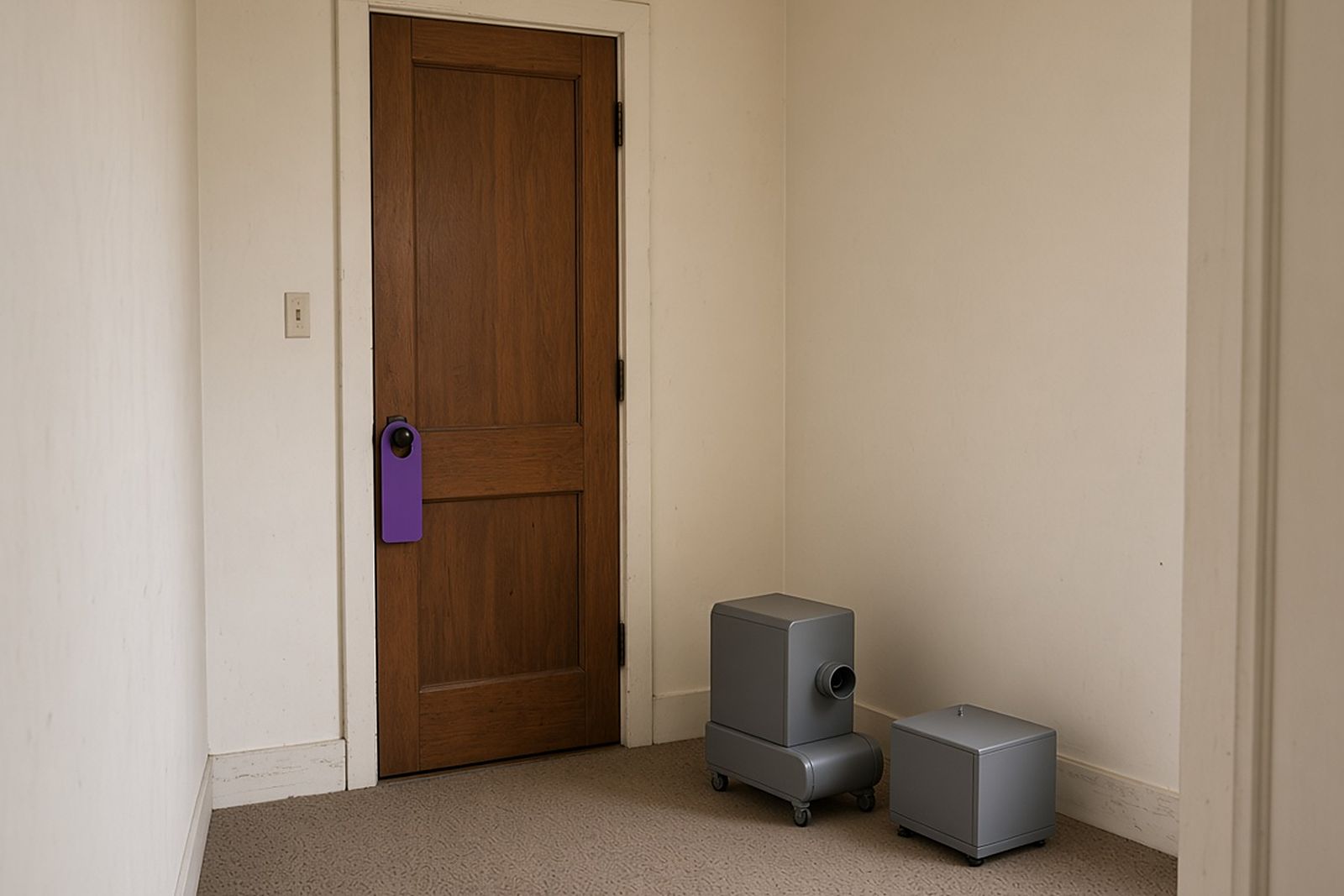
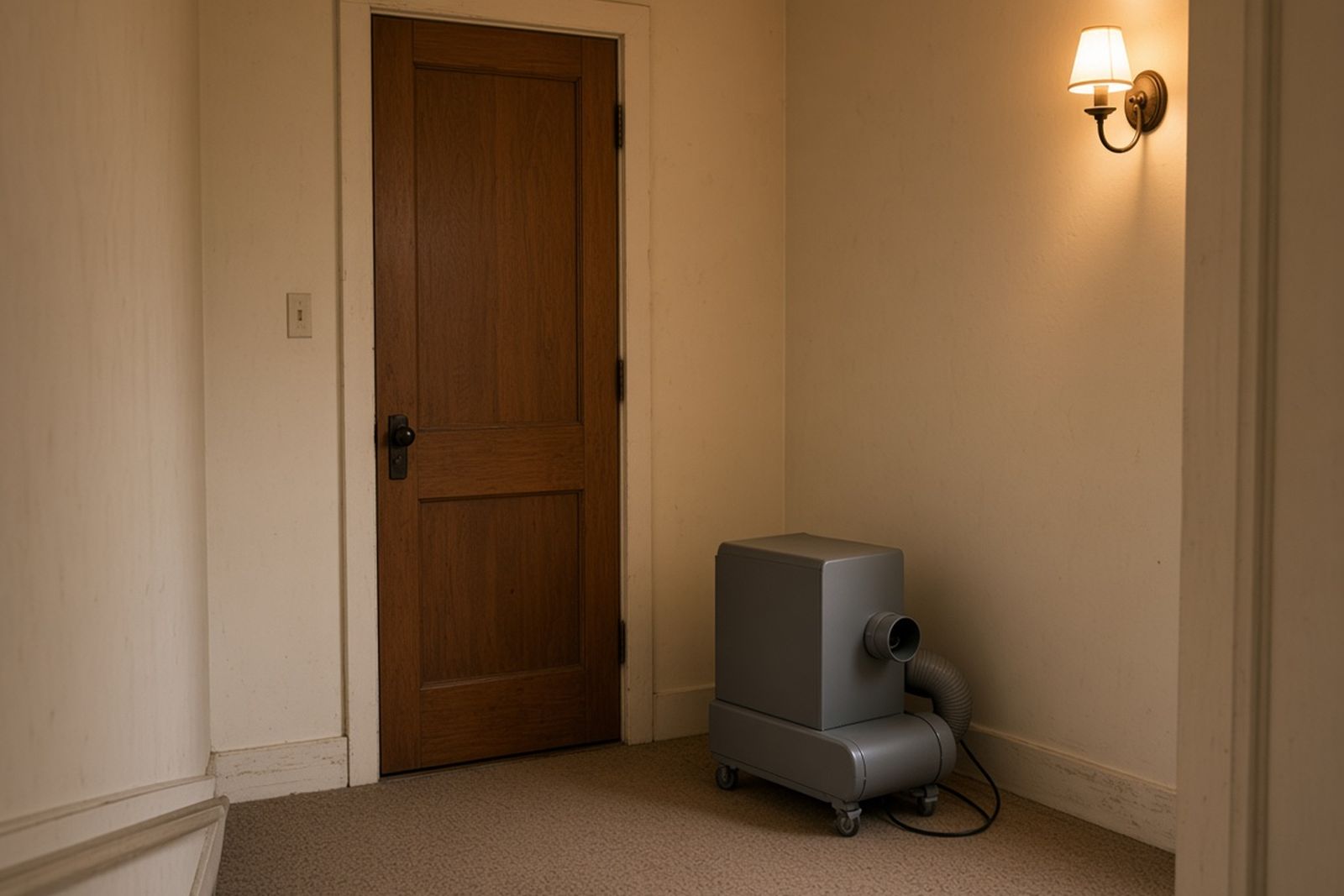
Greenwich estates such as yours often pair a main house with a carriage house, guest cottage, pool cabana, or staff apartment. A missed Metro-North routine, an unpaid service notice, or a neighbor's worry may have been your first sign. By then, fluid may have reached the carpet pad, the layer under the hardwood, and the base of the walls, while the main house smells only a little musty. Heat in winter and cooling in summer keep doors closed for long stretches. Before any finished floor is cut, give the crew a list of every connected building on your lot.
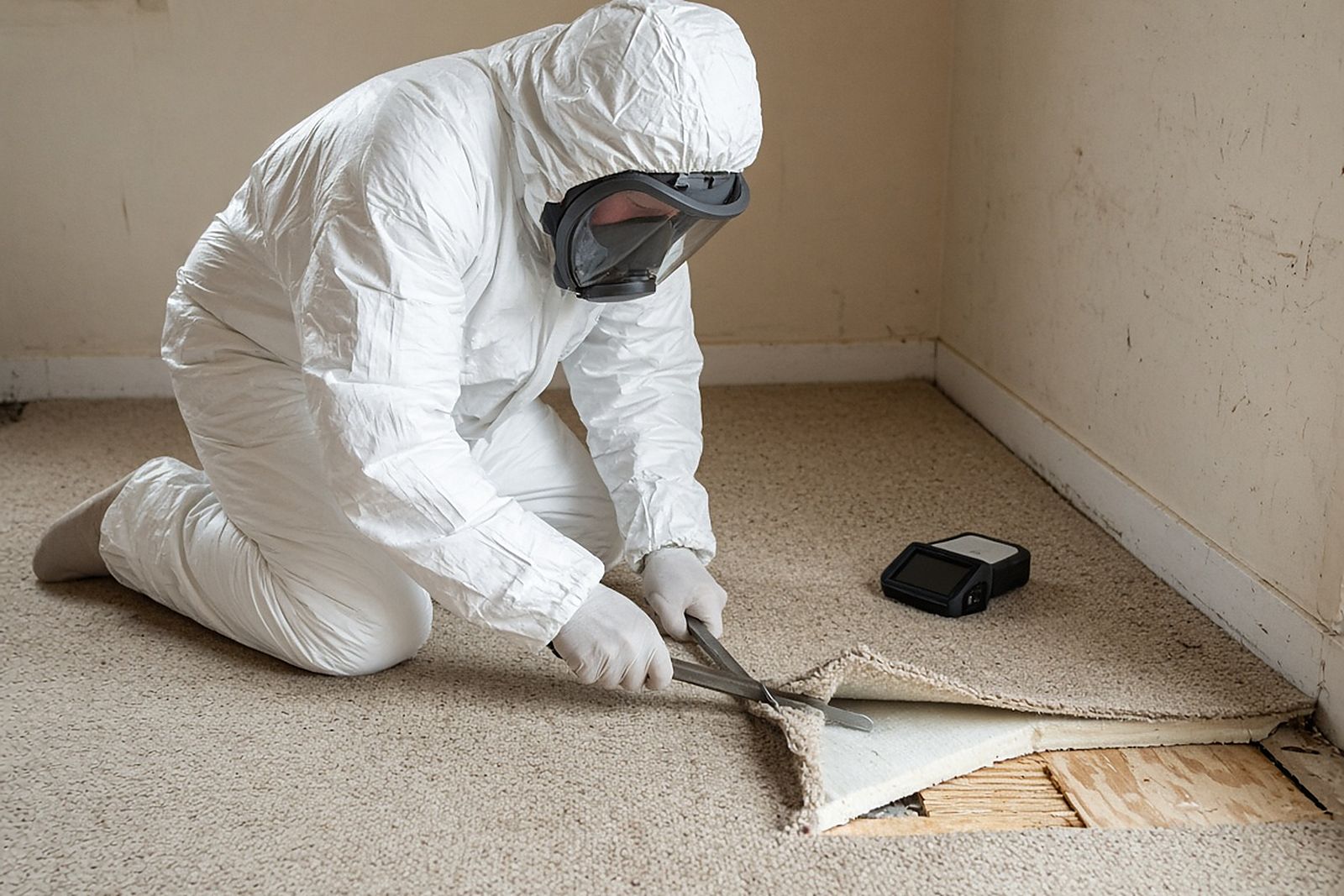
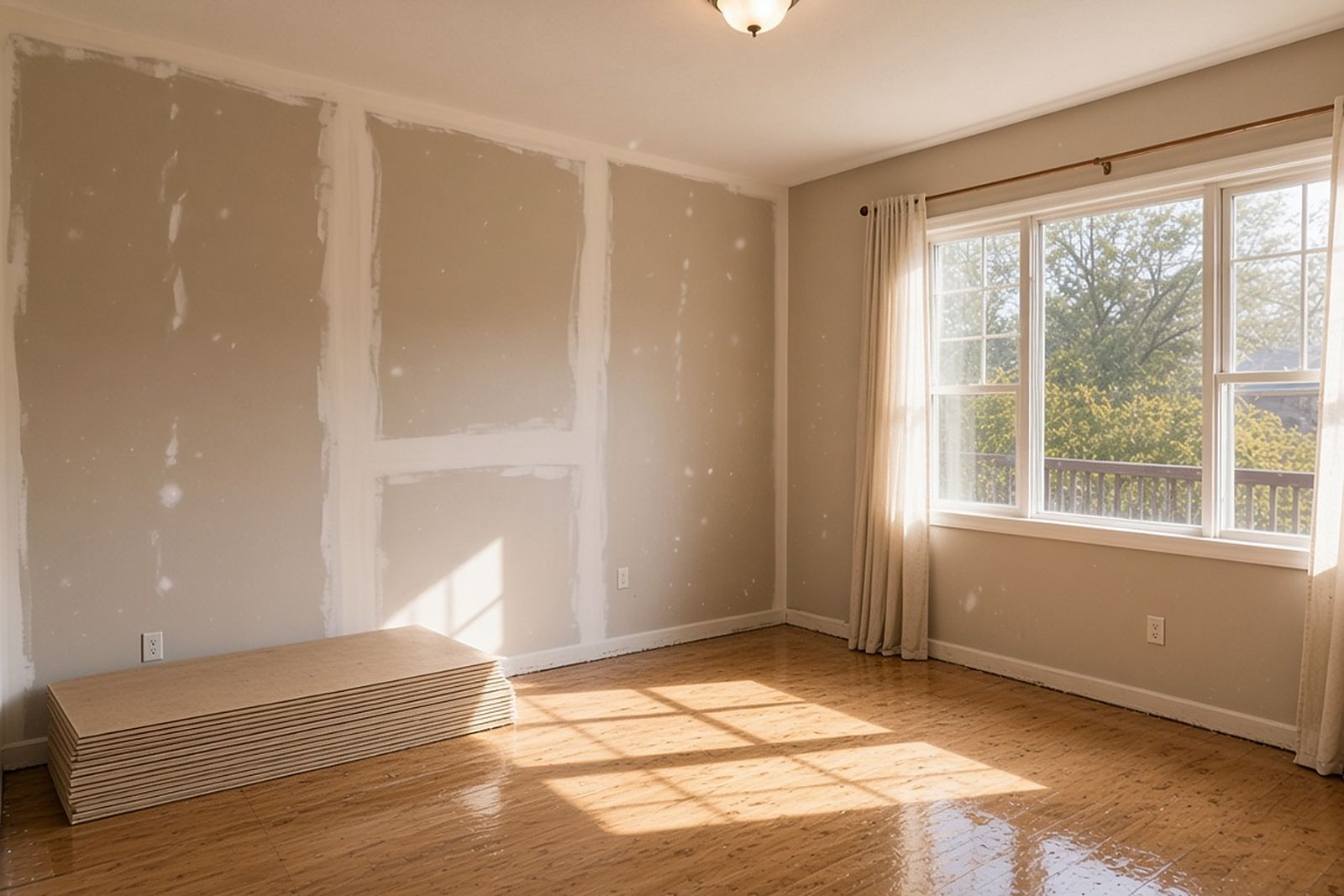
Fine interiors like yours often have thick carpet over pad, wide-plank hardwood over foam, built-in cabinets, and padded furniture. Sadly, none of these can be wiped clean after a long delay. Insects on tall windows and skylights suggest more time passed in a wing nobody was using. You may want to open the French doors. That thins the hallway smell for a while but sends it toward returns that serve faraway bedrooms. Your gated drive and screening plants help with privacy, so ask for covered waste paths set out of view of the street.
Connecticut has one Office of the Chief Medical Examiner for the whole state, and a local police hold may also control when you can go in. Once the estate is released, the trustees, executors, and any family-office contact need a written agreement on what is saved. Art, jewelry, and papers near soiled soft goods come first. Greenwich has a town health department, and the state has its own, for public health questions. Neither replaces the examiner's release. Your probate lawyer and insurer will both want photo lists and a list of materials, building by building.