Direct answer
The short answer for Manhattan, NY
Manhattan packs about 1,600,000 people into island neighborhoods from Inwood to the Financial District. Here, pied-à-terre units left empty, doorman welfare checks, and railroad-flat walk-ups shape a late discovery in ways the garden buildings of the outer boroughs do not. Steam radiators, through-wall AC units, and old plaster from the landmark era trap body fluid and odor inside sealed units. This page explains release by the NYC Office of Chief Medical Examiner, shareholder signing rights, hidden spaces in parlor floors and lofts, planning with the super, and insurer files. It makes no claim of a Manhattan office, crew roster, or arrival window.
Editorial guide · Biohazard Remediation NetworkUpdated 2026-07-22Location focus: Manhattan, NY
Local planning context
Island housing falls into a few groups, and each fails in its own way. There are shareholder co-ops with doormen on the Upper East and Upper West Sides, glass condo towers in Midtown, and railroad flats in East Harlem and on the Lower East Side. There are also loft conversions in SoHo and Tribeca with mezzanines and odd hidden spaces. A pied-à-terre can sit empty for weeks between the owner's visits. So a death there is often found after a smell complaint or a failed automatic maintenance payment, not a daily check-in. Fluid wicks through the parquet layers while steam radiators keep the windows shut. Planning starts with who holds the shares or the deed, not with a paint schedule.
Doorman buildings and walk-ups have opposite problems moving things out. In a staffed lobby, every cart is seen. In a railroad flat, every bag goes down narrow stairs past the neighbors' doors. Plaster and pocket doors from the landmark era hide a soak that a surface wipe misses. Through-wall AC units in postwar towers keep cycling odor chemicals if left running over wet soft goods. Linens stuffed into basement storage cages spread the smell again after the upstairs tear-out. Flies on south-facing windows point to a longer gap in empty investment units. Scaffolding and sidewalk sheds on the avenues cut down the minutes you have at the curb for sealed handoffs.
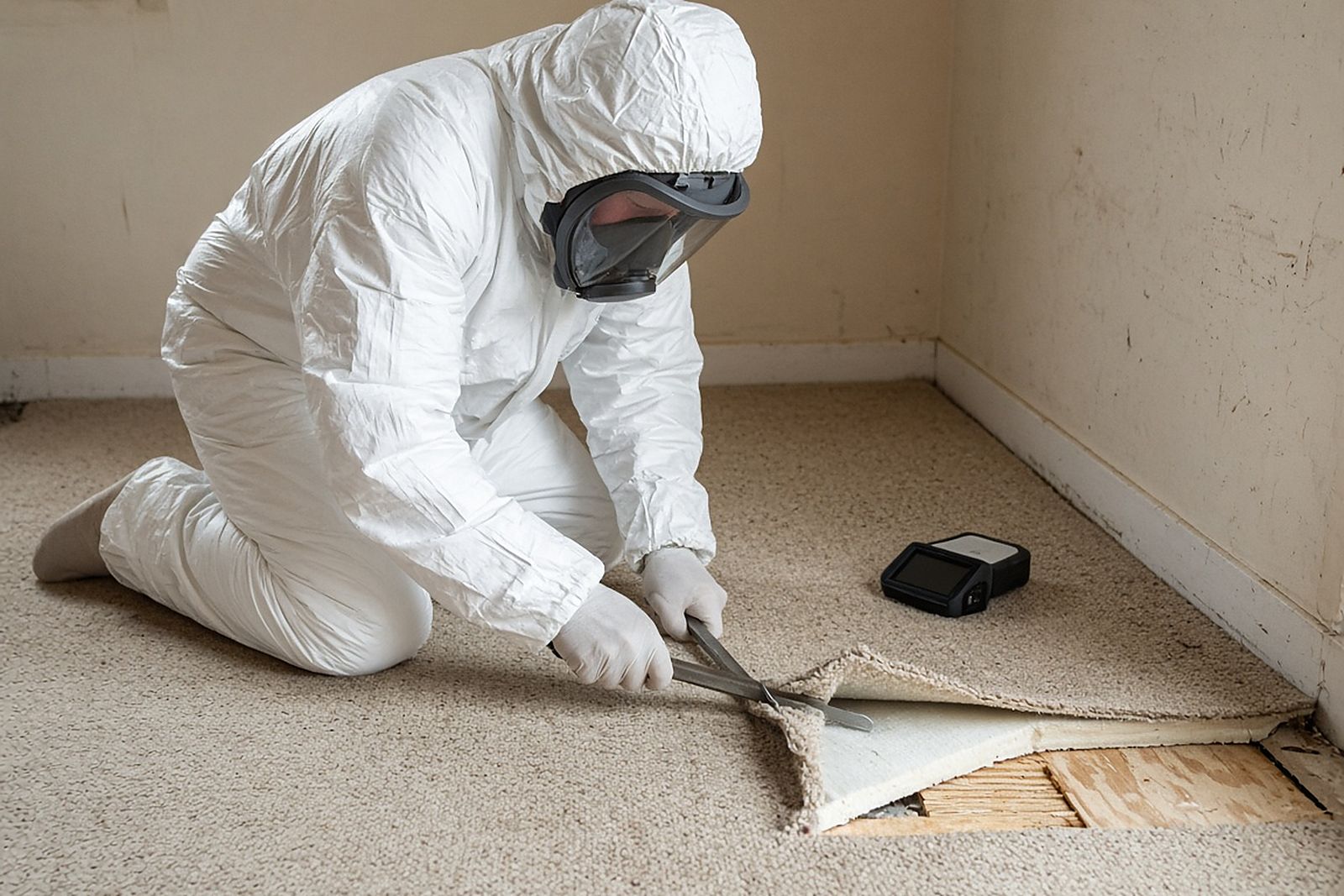
The New York City Office of Chief Medical Examiner and NYPD holds decide when tear-out may legally start. After release, shareholders, condo sponsors or owners, supers, and estate lawyers must agree in writing on what to throw out and what to save. For city health questions, Manhattan residents can turn to the NYC Department of Health and Mental Hygiene. Photograph the parlor, the hall, and the way out before runners go down. Keep bills for the biohazard tear-out apart from later finish work the board approves. Check dryness with a meter. Warm radiators alone do not prove the underlayment is ready for new parquet.