West · US

Unattended Death Cleanup Planning in Seattle, Washington

Planning unattended death cleanup in Seattle, WA

Seattle cleanup planning for craftsman crawl spaces, old floors laid in layers, and apartment shafts that pull smell upward. Damp weather can feed mold. This is planning guidance, not a claim of a local office or crew in Seattle.

Get an email reply about unattended death cleanup

Send a short message to the follow-up inbox. A coordinator can reply by email. This form does not send emergency help; call 911 first if anyone is in danger.

Tell us what you need help with. Share a short description; please leave out medical details, access codes, and other sensitive information.

A request does not confirm a booking. For immediate danger, contact local emergency services.

Or email info@prompartybuses.com

Direct answer

The short answer for Seattle, WA

Seattle's damp climate, hillside apartment buildings, older craftsman homes with crawl spaces, and modern towers each make a late discovery harder. Fluid soaks into soft materials, and mold can follow. Insects may appear. Odor spreads through the air system and rises up building shafts, a pull called stack effect. Steep lots can make it hard for crews to get in.

Editorial guide · Biohazard Remediation NetworkUpdated 2026-07-22Location focus: Seattle, WA

Local planning context

Seattle has craftsman and mid-century homes with crawl spaces, packed apartment blocks on Capitol Hill and in the University District, and mid-rises near the waterfront with tight freight access. Because it is damp outside so much of the year, drying after tear-out has to be complete. Mold grows quickly on damp wood, paper, and fabric left behind. In occupied buildings, a late discovery often starts with a smell in the hall. When unit doors open, stack effect in the vertical shafts can carry the smell between floors. Plan for the crawl space, the shared halls, and weather-aware drying, not just the stain in the bedroom.

Older craftsman and mid-century homes may have floors laid in layers over decades of remodels. Fluid can travel between the old fir, the underlayment, and the newer vinyl. The built-in cabinets common in craftsman homes can hide fluid in the kick space. In apartment buildings, trash rooms and bike storage sometimes end up holding belongings moved after the discovery. That spreads soiled soft goods further. In the rainy season, load-out needs covered paths so bags do not drip on steep sidewalks. People in walkable neighborhoods notice every van, so they expect a lot of privacy.

Crews in Seattle should wait for word from the King County examiner's office before disturbing anything. Once the scene is cleared, landlords and estate representatives may be dealing with costly finishes. Even so, removing the hazard comes before matching trim. Good records matter for insurance and for a later sale in a busy market. Keep rebuild work separate from the cleanup. That way fine woodwork is not put back over wet, smelly surfaces.
Property considerations

Crawl spaces under craftsman homes: check for drip-through and for smell held in the insulation and soil.

Old floors laid in layers can hide fluid that moved between generations of underlayment.

Hillside lots and long stairs limit staging space. Plan covered routes for rainy days.

In apartment buildings, stack effect may carry hallway smell between floors if nothing is sealed.

Mold risk is higher when damp marine air meets moisture left over from the tear-out.

Built-in craftsman cabinets often need a look behind the kick plate.

Response-planning framework

Release and approval from several parties

Confirm the medical examiner or police release. List the landlords, estate, condo board, and any tenants still living next door. Where walls are shared, written approvals should cover going into the crawl space and removing built-ins if needed.

Map the crawl space and each floor layer

Check the main room first. Then open or look into the spaces below and the floor layers past the stain edges. Moisture meters and smell tracing guide where to cut. Photograph each layer as it comes out so insurance can follow the work.

Control the hall, shafts, and air system

Seal the unit, protect the hallways, and do not push air into stairwell shafts. Bag the returns that serve the worst area. Use HEPA scrubbers inside the sealed space. Check the shafts again after the source is out, before promising any work on the building's vertical ducts.

Dry fully and hand off the rebuild

After the soft materials are out, dry to confirmed readings, even with damp weather outside. Flag any spots that stayed wet for a mold check. Give a rebuild list that keeps the health tear-out apart from the fine carpentry work.

Documentation checklist

  1. 1Official release and written permission to enter
  2. 2Log of contacts and approvals from the condo board, landlord, and estate
  3. 3Photo series of the crawl space and each floor layer
  4. 4Moisture readings through the whole drying stage
  5. 5List of removed pad, underlayment, and built-in parts
  6. 6Notes on how hallways and shafts were protected
  7. 7Regulated waste paperwork when it applies
  8. 8Rebuild list that separates structure from finishes

Official resources

Questions for this location

Why does mold so often follow an unattended death in Seattle?

Body fluids wet the wood, paper, and fabric in a home. Seattle's damp climate slows natural drying, especially when windows stay shut because of the smell. Mold can grow on pad edges, drywall paper, and crawl-space insulation, even after the body is gone. What you smell is then part decay and part mold, blended together. Scent sprays alone cannot handle that. Plan to confirm drying and to check anything that was wet. EPA moisture advice explains why new finishes over damp surfaces fail. Naming the mold risk up front keeps anyone from moving back in while hidden growth sits behind the baseboards. Set aside time to check behind baseboards and along crawl-space edges before new finishes go in. Jobs that skip those checks often end with the same smell coming back after lovely new floors are laid.

How do layered floors in older Seattle homes change how much must come out?

Decades of remodels may stack fir, plywood, felt, and vinyl. Fluid can travel between layers far past the stain on the top surface. Pulling only the newest vinyl often leaves older felt or pad wet underneath. A good check names each layer and tests moisture in each one. It also records why a wider removal is needed. Insects in the seams are another clue to older paths the fluid took. Working layer by layer keeps a job from looking done upstairs while old underlayment keeps sending smell up through the floor vents. Number each removed layer in the photos so adjusters can see the order of the stack. A layer log heads off arguments about whether the tear-out stopped too soon or went further than the stain called for.

What helps in Seattle apartment halls when stack effect carries the smell between floors?

Stack effect can pull air out of a unit into stair shafts and upper halls when doors open. It works much like a chimney. Sealing the unit, managing air pressure with care, and bagging loads tightly all reduce that pull. Do not put fans in the hallway to blow in fresh air. They often just move the soiled air around. After the source is removed, check whether the smell is still in the shafts before approving any major vertical cleaning. Residents on other floors only need the hours and which doors are closed. Planning around how the building moves air keeps one unit's loss from becoming a complaint on every floor. If the building uses active hallway air systems, work with staff on short-term pressure settings or door schedules. That keeps the sealing plan in line with how the building really moves air.

How do you balance costly finishes with removing the hazard in a Seattle home?

Custom woodwork creates pressure to save baseboards, built-ins, and floors so they will match later. Saving them only makes sense when they are not soaked. Soft, stained, or smelly absorbent parts usually need to go, no matter what they cost to replace. Use photos and moisture notes to show why a built-in could not be saved. Do the hazard work first, then the fine carpentry. That order protects health, and in the end it protects the home's value better than refinishing over a hidden problem. Price the matching woodwork as a rebuild item after the unit is cleared. Do not use it as a reason to leave soiled wood in place. Keeping those costs apart helps owners protect both health and the final look of the home.

What crawl-space findings call for a bigger job after a bedroom discovery in Seattle?

Stains on the joists, wet or soiled insulation, a smell in the soil under the room, and insects in the crawl space all support more work. A smell that stays after the upstairs floor is replaced is another sign. Many craftsman houses never need the whole crawl space gutted. The evidence should guide the decision. Photograph and measure before pulling insulation so the estate understands the change in cost. After removal, dry the remaining soil and framing as needed. Letting the evidence decide keeps the job honest, without ignoring the problem or tearing out more than needed. If insulation comes out, note how many square feet and where for the rebuild file. Then the insulation crew can put it back correctly later. Clear crawl-space notes keep the home from being left short on insulation after a rushed finish.

Who in King County signs off before a Seattle home can be cleaned?

For deaths inside Seattle, the King County Medical Examiner handles the case, sometimes together with SPD. Wait for the release before cleanup starts. If the home is in a nearby city outside King County, check which county's office is involved. Once cleared, get a signed note from whoever controls the house or estate. Relatives are often spread across the Northwest, and one written decision prevents mixed instructions.

How does hillside access affect cleanup at a Seattle home?

Many Seattle houses sit above or below the street, with long outdoor stairs and no driveway. Crews may need to carry sealed bins by hand. Plan the route, protect the stairs, and pick a legal spot to park. Wet weather makes steps slippery, so the job may take extra time. On steep streets, neighbors often watch from above. Covered bins and short staging times help protect privacy.

Contact

Get help by email

Send a short message for an email reply about unattended death cleanup planning questions for the Seattle area.

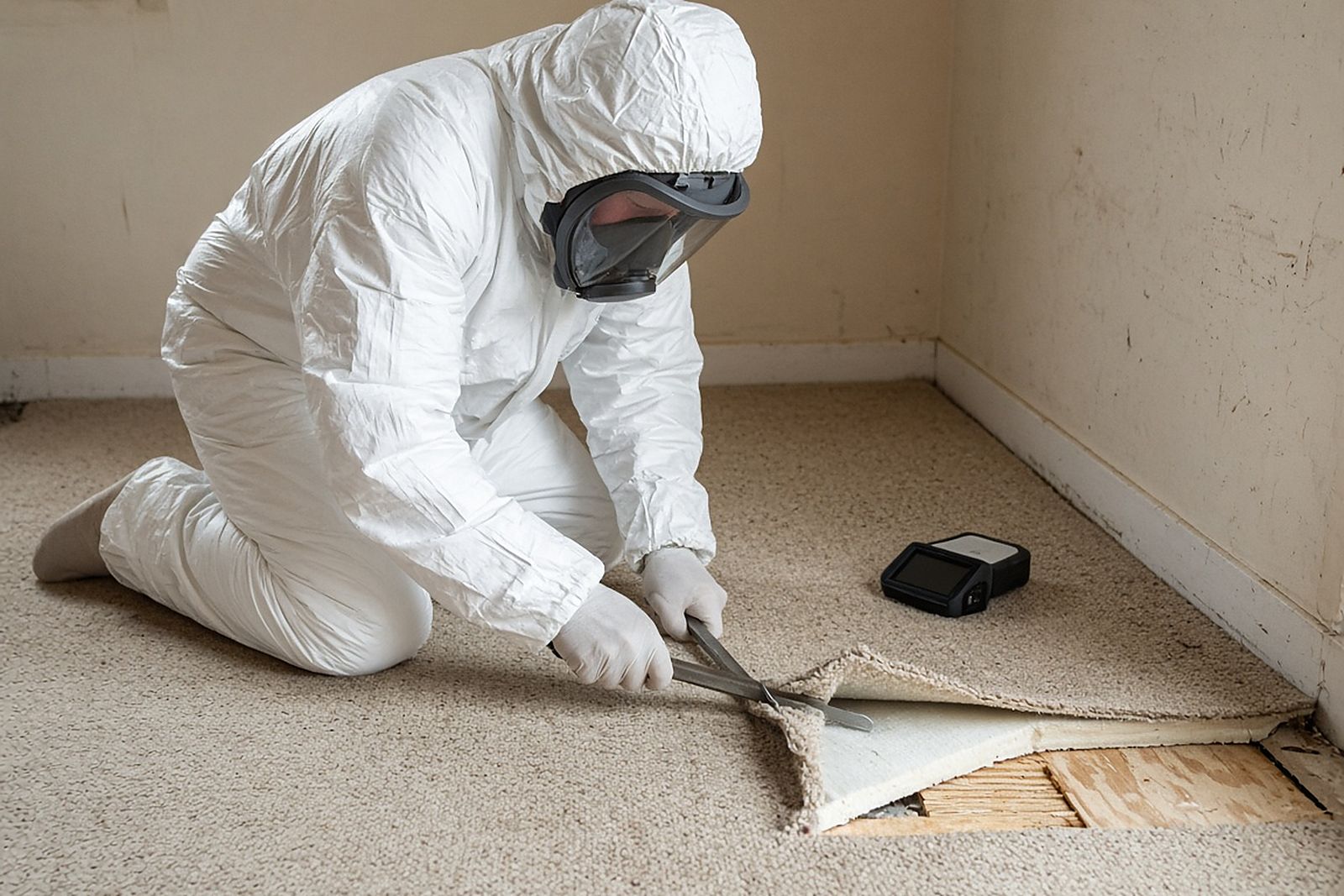
Technician in a full-face respirator cutting back carpet and pad to expose the subfloor
Illustrative photo, not a job record. Technician in a full-face respirator cutting back carpet and pad to expose the subfloor.
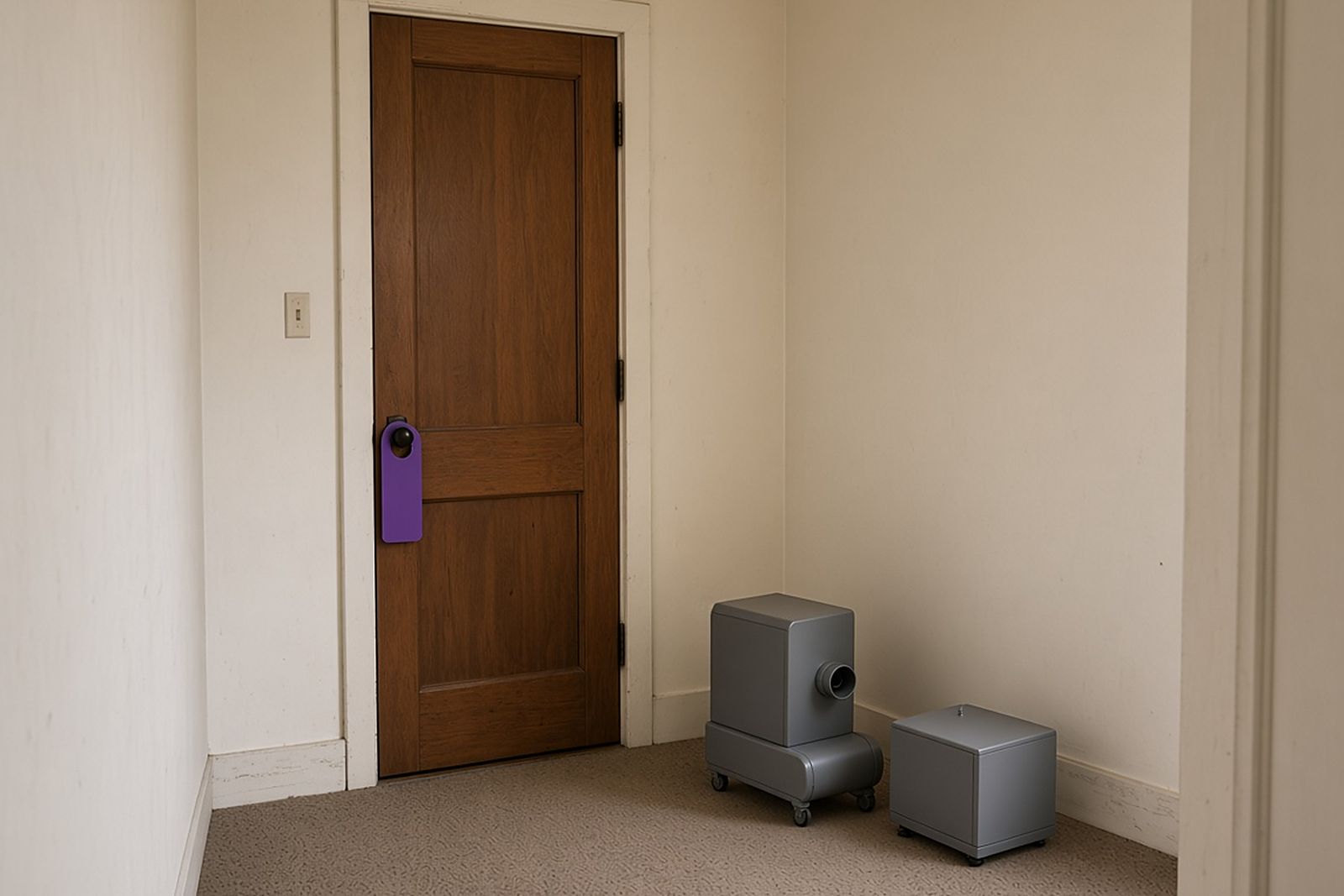
Air-filtration and odor-control units staged outside a closed door with a do-not-enter tag on the handle
Illustrative photo, not a job record. Air-filtration and odor-control units staged outside a closed door with a do-not-enter tag on the handle.

Unattended Death Cleanup figures to keep in mind

National and research figures, not Seattle data. Local conditions, rules and providers vary; use these for scale and context only.

1 in 4

More than one in four older Americans falls each year, producing about 4.5 million emergency department visits annually.

Read with care: Counts falls treated in EDs; many falls go unreported.

Source: CDC Injury Center (2026)United States, adults 65+, annual estimates

$200-$300 per hour

Fixr's 2025 guide lists unattended death cleanup at $200 to $300 per hour and hoarding cleanup at $25 to $150 per hour or about $1,000 per day.

Read with care: Fixr figures are editorial cost estimates compiled from contractor and industry data, not a statistical survey of completed jobs; local prices vary widely.

Source: Fixr (2025)United States, residential biohazard cleanup estimates, January 2025

1 in 3

About 1 in 3 U.S. adults report feeling lonely and about 1 in 4 report lacking social and emotional support.

Read with care: Applies to all adults; CDC notes older adults are at higher risk but gives no age-specific figure here.

Source: CDC (2024)United States, adults, national survey estimates

These figures are public research and agency data, not this network's own job records. Keep each number with its population, year and limits; none of them predicts cost, timing or outcome at a specific property.

Plan before you reach out

Use the first 24 hours planner for immediate steps and the provider vetting checklist to confirm any Seattle provider's training, insurance and waste path in writing.

What research has found

Findings from published studies of people and properties in situations like this one. They describe what researchers observed in a specific group; they are not predictions for your case.

Some parents regretting viewing wished they had received better preparation.
Who was studied: 666 Swedish suicide-bereaved parents; surveyed 2–5 years after loss.Limits: Observational; no causal effect established; item denominators differ.Viewing the Body after Bereavement Due to Suicide: A Population-Based Survey in Sweden (2014)
One bereaved participant did not feel ready to enter the property after a traumatic death.
Who was studied: UK interviews: 14 bereaved people experiencing poverty and 15 supporting professionals.Limits: Small purposive sample; UK housing context; not current legal guidance.How does housing affect end-of-life care and bereavement in low-income communities? (2022)

Unattended Death Cleanup community polls

Poll results

Every count is a real visitor vote; nothing is seeded or padded. One vote per poll per device, and you can change your answer.

Your experience

As a landlord, how long would you wait for the tenant's family before arranging cleanup yourself?

No visitor votes yet
Process

Which part of an unattended death project would you find hardest to manage?

No visitor votes yet

Planning cleanup in Seattle?

Send a short message about the property to the follow-up inbox. A coordinator can reply by email with next steps.

Your request is sent to the follow-up inbox. A coordinator can reply by email.

If anyone is hurt or in danger, call 911 first.