Portland, OR

Unattended Death Cleanup Planning in Portland, Oregon

What to do, who to contact, and what to ask in Portland.

Portland help after an unattended death: Multnomah County release, basements and ADUs, rainy-season drying, and the records your family or landlord needs.

Get an email reply about unattended death cleanup

Send a short message to the follow-up inbox. A coordinator can reply by email. This form does not send emergency help; call 911 first if anyone is in danger.

Tell us what you need help with. Share a short description; please leave out medical details, access codes, and other sensitive information.

A request does not confirm a booking. For immediate danger, contact local emergency services.

Or email info@unattendeddeath.online

The short answer for Portland, OR

A death in Portland may go unnoticed until a smell or unanswered calls lead to a welfare check. If you are now responsible for the home, start by waiting for Multnomah County's examiner and the police to finish. Then bring in a trained crew. Read on for how rain, basements, and ADUs affect your choices, and what to keep in your files.

What to do, step by step

  1. 1

    Sort out the main house and the ADU

    Wait for the official release. Then work out who controls the space where the person died, and who controls the ADU or main house next to it. Noise and waste paths will affect the other household on your lot. Get written approvals from both before work starts. A shared calendar for noisy work and waste pickup can ease a lot of tension. It is a small step, and it keeps your job from stalling over a bin.

  2. 2

    Have every level and the porch looked at

    Ask the crew to check the main room, the crawl space or basement under it, any porch storage, and the air returns. A good crew measures moisture past the stains and photographs any totes of fabric. They set the cut lines before anyone cuts into the floor. Go over those lines with them. You will then know what is leaving your home and why, before the first board comes up.

  3. 3

    Protect porches, halls, and sidewalks

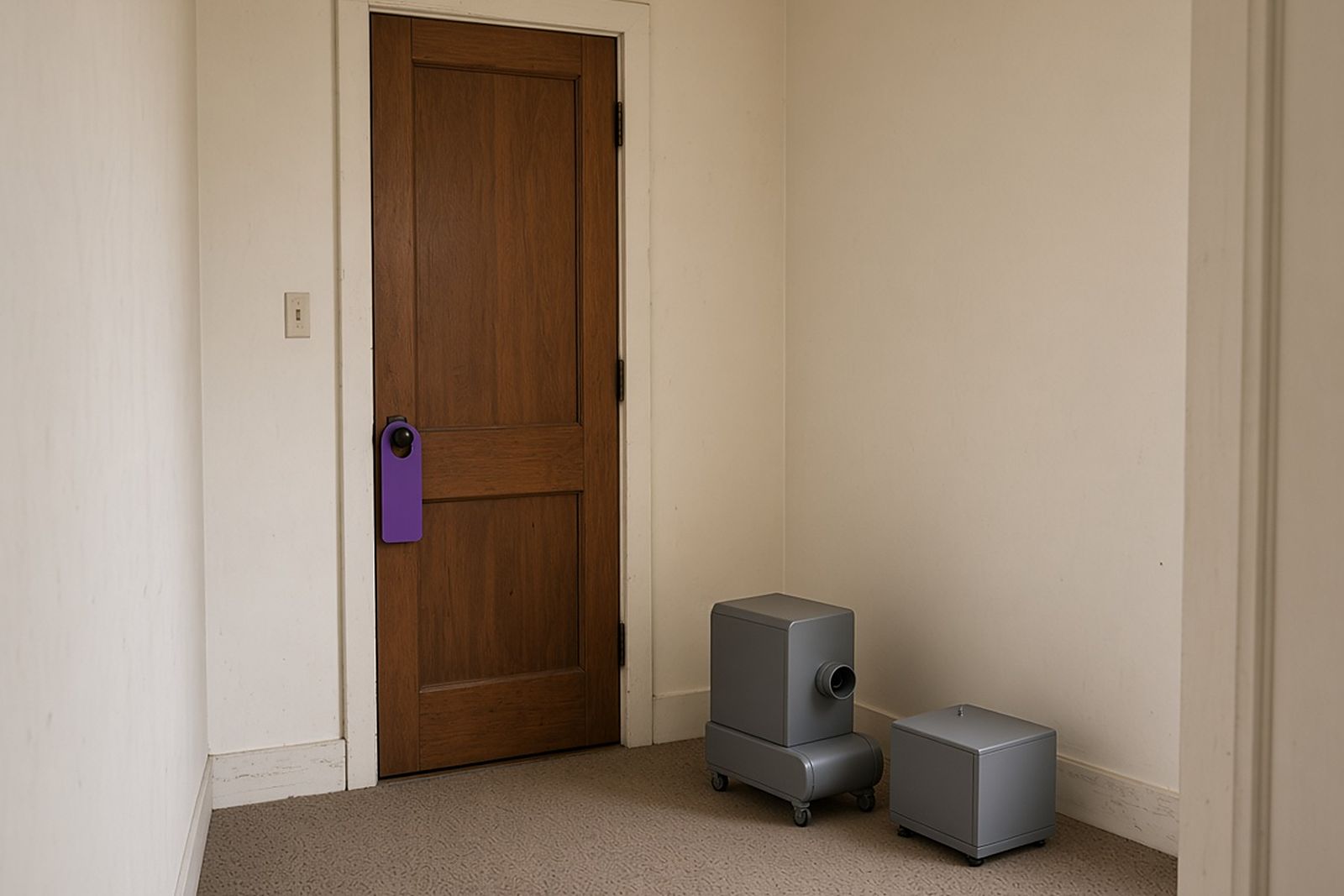
    You should see the work area closed off, and your shared halls or sidewalks protected. All waste stays covered on the way out. Fans must not push air onto porches where your neighbors sit. With the area sealed, the crew runs HEPA filters inside it. If a short sidewalk closure is needed for safety, it should go through the city's lawful process and be kept brief. Ask the crew to photograph the protected route.

  4. 4

    Get the drying confirmed in writing

    You will see the wet carpet, pad, and furniture come out, and the hard surfaces that are staying get scrubbed. After that, your home dries to recorded readings before any rebuild. Rely on the meter, not on a sense that it smells dry enough. Ask for photo lists and a repair list that points out wall spaces where mold could start. If you are a landlord eager to re-rent, those readings protect you once the rain returns.

What cleanup is like in Portland

Close-in Portland neighborhoods have craftsman houses with porches, basement rooms, and converted ADUs. Outer areas add mid-century ranches and garden apartments with shared carports. Rain and cool weather keep windows shut for long stretches, so the smell stays inside. If the person was found in an upstairs bedroom, the crawl space or basement below may have caught what dripped through. The damp climate then slows drying once materials are out. For you, that means drying is part of the cleanup and part of the bill, not an extra to skip.

If you are in an apartment building along the transit lines, expect hallway smells, tight street parking, and neighbors who notice barriers right away. On a rainy day, families often carry clothes and blankets out to a covered porch in plastic totes. Those totes can hold a strong smell for weeks. If you did this, tell the crew. Flies at the windows of a vacant unit point to a late discovery. Older plaster-and-lath walls may show little staining, yet they can hold odor where the wall meets the floor. Ask for testing, not just a look.

Nothing in your Portland house or plex should be pulled up until Multnomah County's examiner and the police say the case is closed out. If an ADU and the main house have different people living in them, write down who has authority over each. On streets where porches face each other, you will want covered carts and careful timing for noisy work. Keep records showing the soaked materials left and that drying was confirmed. New flooring over a damp surface fails often in this climate.

What to expect for your type of home

  • Craftsman homes with basements or crawl spaces: after a discovery upstairs, fluid may have dripped below. Ask the crew to check under the room before they price the job.
  • Lots with an ADU: the main-house owner and a separate occupant may each have a say. Put in writing who approves work in each building before the crew arrives.
  • Homes with covered porches: totes of clothes or bedding are often set there on rainy days. Show the crew every tote, and do not bring any back inside until they are checked.
  • Buildings with street parking only: bags must be sealed so nothing reaches the sidewalk or bike lane. Ask where the truck will park and how long it will stay.
  • Any Portland home in the wet season: unfinished drying leads to mold. Ask for moisture readings on the framing before anyone installs new floors or walls.
  • Garden apartments with carports: waste bins can end up in plain view of every neighbor. Ask for covers or screens, and for the bins to leave the same day.

Papers and records to keep

  • The Multnomah County release note, plus signed permission from the owner or estate
  • Notes on who controls the ADU, the main house, and any rental
  • Photos of the rooms, crawl space, porches, and stored totes
  • Moisture readings for each day of the drying period
  • What left the Portland property: furniture, carpet, pad, and other soft goods
  • What was done to protect sidewalks, bike lanes, and shared halls
  • Any waste hauler receipts the crew gave to you
  • The repair list and any mold-watch notes, shared with everyone involved

Local offices and official help

Common questions in Portland

Who approves the cleanup when it happened in an ADU?

Often more than one person, so get it in writing first. A death in an ADU may involve a tenant, the owner of the main house, and an estate. Each may care about different things, such as speed, cost, or what to save. Check whether the main house's air system or laundry connects to the ADU. Record the choices for both households. That keeps work from stalling over where a dumpster sits.
Why do the totes on the porch still smell?

A sealed plastic tote traps odor and moisture along with the fabric. If the clothes or blankets touched fluid or heavy vapor, the smell is strong when the lid comes off, and insects may be inside. Ask the crew to list every porch tote and help you sort what to save. Label each one as keep-for-review or discard. Please do not run that fabric through a shared laundry or carry it back into a cleaned room.

How dry is dry enough in Portland's climate?

Dry enough means the meter says so. Open walls and floors can take on moisture again in damp weather if no one controls the drying. A good crew uses moisture meters on the framing and subfloor that remain and keeps filtered, dry air moving. New finishes wait until readings reach normal levels. New vinyl over damp plywood is a common failure that brings back smell and mold. Ask to see the readings yourself.

How is the load-out handled on a busy sidewalk or bike lane?

Carefully and quickly. Close-in streets have little room, so soaked materials are sealed before they leave the unit and nothing drips outside. Covered carts, a short stay at the curb, and clear walking paths protect both safety and dignity. Ask for the work to be timed away from busy hours on streets where porches face each other. Photos of the protected route help if an insurer later asks about outside damage.

When does crawl-space insulation have to come out?

When it is stained, wet, soiled, full of insects, or still smelly after the sources upstairs are gone. Clean, dry insulation far from the spot may stay. Guessing without a look is risky, so ask for photos and moisture notes before any is pulled. After removal, damp framing and soil get attention as needed. Ask the crew to smell again at the hatch before closing up. One missed piece can mean a return visit.

Who gives the go-ahead at a Portland address?

The Multnomah County Medical Examiner covers the city and works with Portland Police when they are involved. Please wait until the home is released. Nearby suburbs may be in Washington or Clackamas County, so confirm the county first. Next, the owner, landlord, or estate representative should approve entry and disposal in writing. This matters most when an ADU or shared house involves more than one household.

What about a shared basement laundry in a fourplex?

It may need a check and a short closure. In older Portland plexes, several units can share a basement laundry, storage area, or boiler room. If the affected unit is right above, ask for the basement ceiling below it to be looked at. Other tenants' belongings should be kept away from the work. Tenants only need to hear about access times. Anything shared that was exposed is cleaned or removed before the space reopens.

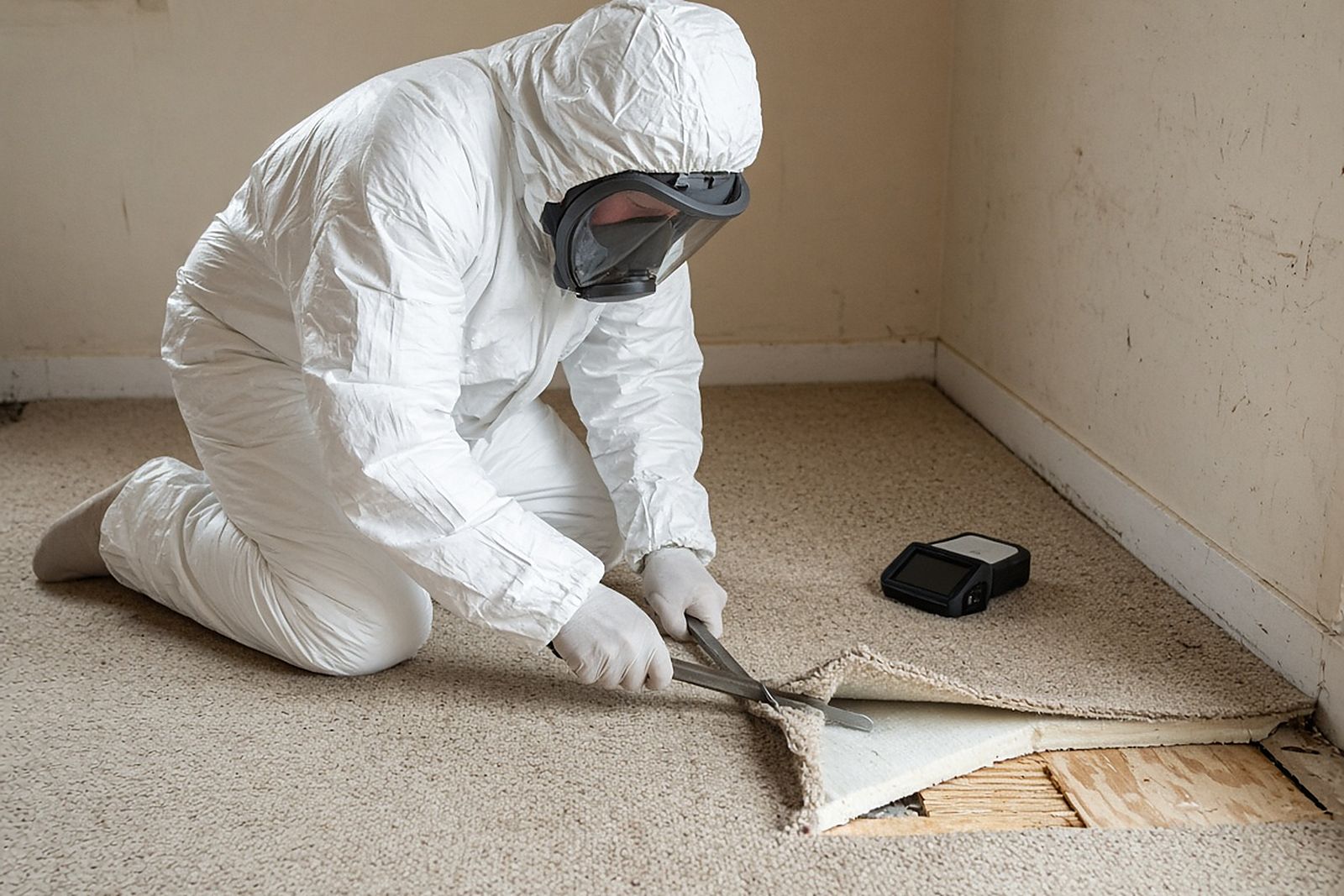
Technician in a full-face respirator cutting back carpet and pad to expose the subfloor
Air-filtration and odor-control units staged outside a closed door with a do-not-enter tag on the handle

Facts worth knowing

  • In a 2021 UK survey, 85% of people who claimed Bereavement Support Payment had not known about it before they used bereavement services.

    Why it matters: If you are in the UK, check the current government rules to see whether you can claim; many people did not know it existed.

    Source: UK Department for Work and Pensions et al., 2021

  • Fixr's 2025 guide lists unattended death cleanup at $200 to $300 per hour, and hoarding cleanup at $25 to $150 per hour or about $1,000 per day.

    Why it matters: These are rough estimates and local prices vary, so get a written quote that shows your hourly rate and expected hours.

    Source: Fixr, 2025

  • In interviews with 34 Brazilian relatives, some said images of finding the person stayed with them long into their grief.

    Why it matters: You do not have to go back into the room or clean it yourself, and you can tell a doctor if images keep returning.

    Source: Marchionatti et al., 2026

Tools that help right now

What would you do?

Poll results

Vote to see how other people answered. You can change your answer at any time.

Your experience

As a landlord, how long would you wait for the tenant's family before arranging cleanup yourself?

Be the first to vote
Process

Which part of an unattended death project would you find hardest to manage?

Be the first to vote

Need help in Portland?

Send a short message about the property to the follow-up inbox. A coordinator can reply by email with next steps.

Your request is sent to the follow-up inbox. A coordinator can reply by email.

If anyone is hurt or in danger, call 911 first.