Direct answer
The short answer for Seattle, WA
Seattle's damp climate, hillside apartment buildings, older craftsman homes with crawl spaces, and modern towers each make a late discovery harder. Fluid soaks into soft materials, and mold can follow. Insects may appear. Odor spreads through the air system and rises up building shafts, a pull called stack effect. Steep lots can make it hard for crews to get in.
Editorial guide · Biohazard Remediation NetworkUpdated 2026-07-22Location focus: Seattle, WA
Local planning context
Seattle has craftsman and mid-century homes with crawl spaces, packed apartment blocks on Capitol Hill and in the University District, and mid-rises near the waterfront with tight freight access. Because it is damp outside so much of the year, drying after tear-out has to be complete. Mold grows quickly on damp wood, paper, and fabric left behind. In occupied buildings, a late discovery often starts with a smell in the hall. When unit doors open, stack effect in the vertical shafts can carry the smell between floors. Plan for the crawl space, the shared halls, and weather-aware drying, not just the stain in the bedroom.
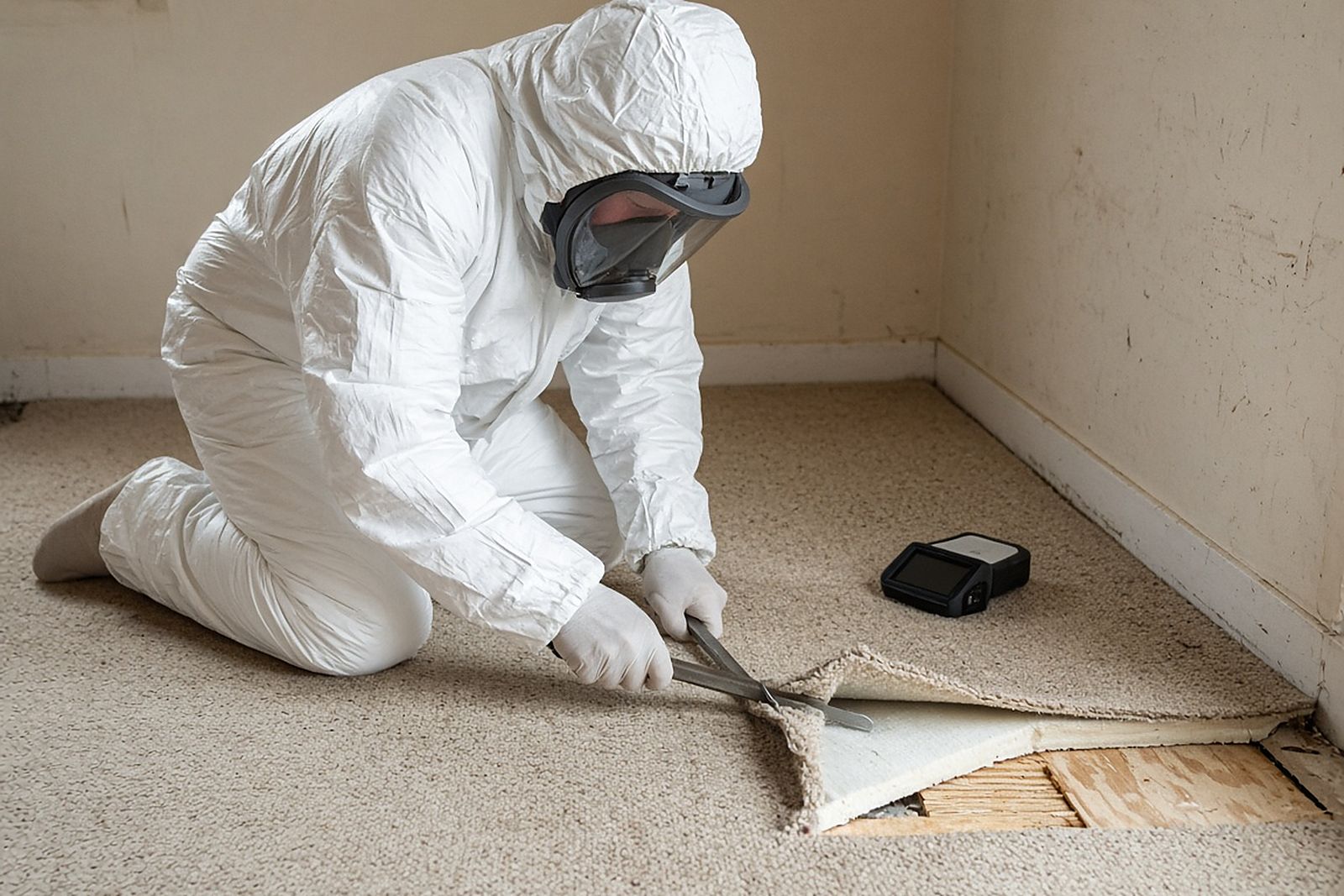
Older craftsman and mid-century homes may have floors laid in layers over decades of remodels. Fluid can travel between the old fir, the underlayment, and the newer vinyl. The built-in cabinets common in craftsman homes can hide fluid in the kick space. In apartment buildings, trash rooms and bike storage sometimes end up holding belongings moved after the discovery. That spreads soiled soft goods further. In the rainy season, load-out needs covered paths so bags do not drip on steep sidewalks. People in walkable neighborhoods notice every van, so they expect a lot of privacy.
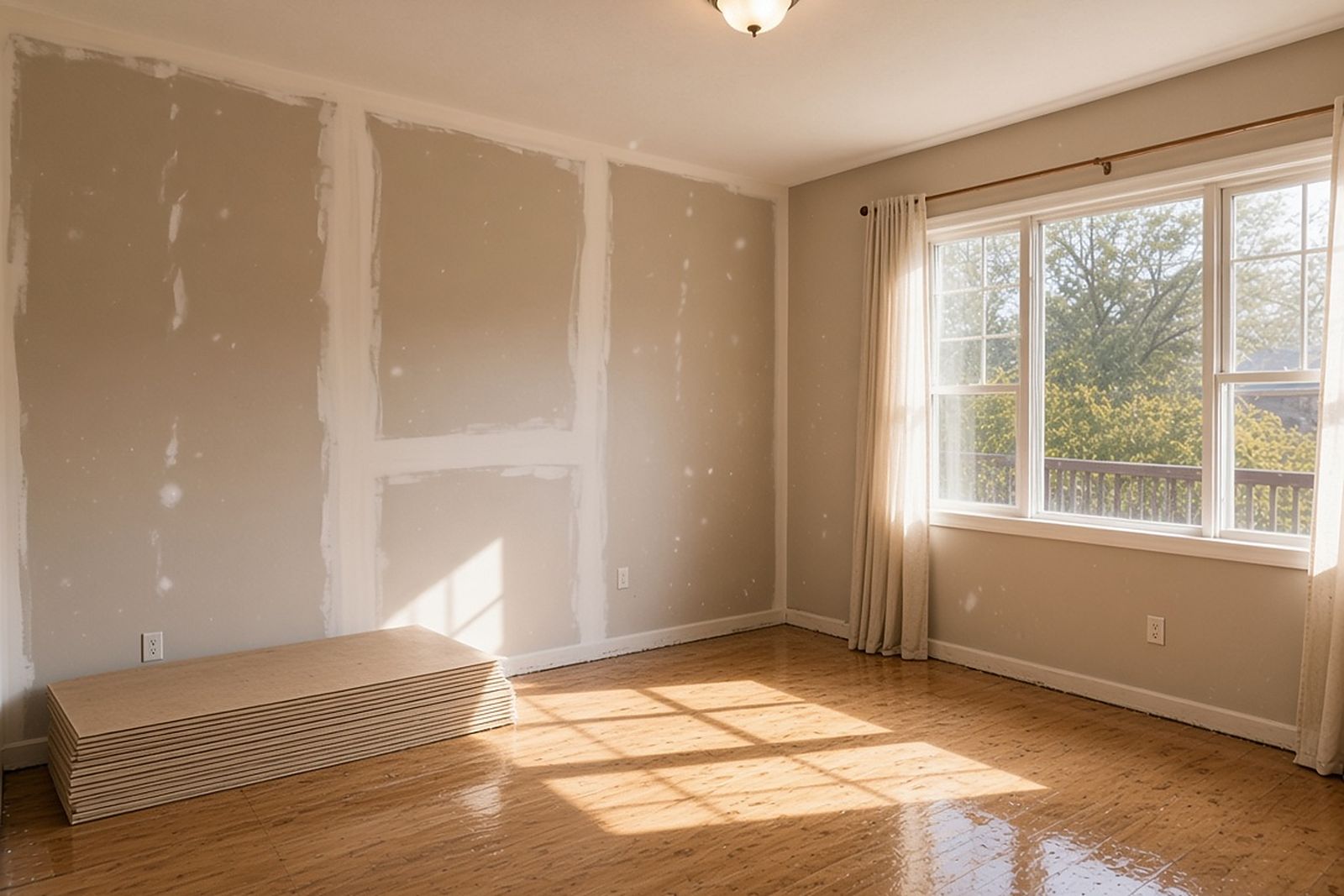
Crews in Seattle should wait for word from the King County examiner's office before disturbing anything. Once the scene is cleared, landlords and estate representatives may be dealing with costly finishes. Even so, removing the hazard comes before matching trim. Good records matter for insurance and for a later sale in a busy market. Keep rebuild work separate from the cleanup. That way fine woodwork is not put back over wet, smelly surfaces.