Las Vegas homes range from towers near the casino corridor and downtown to wide HOA neighborhoods of slab houses with tile roofs. In a high-rise, your schedule may hang on the freight elevator, the trash-room rules, and the building's hallways, even when the affected area looks small. In the suburbs, your HOA may not allow a bin that can be seen from the golf course or common areas. In both, the AC keeps the home sealed against extreme heat, and that speeds things up indoors. Your plan has to cover the building rules and the damaged materials together.
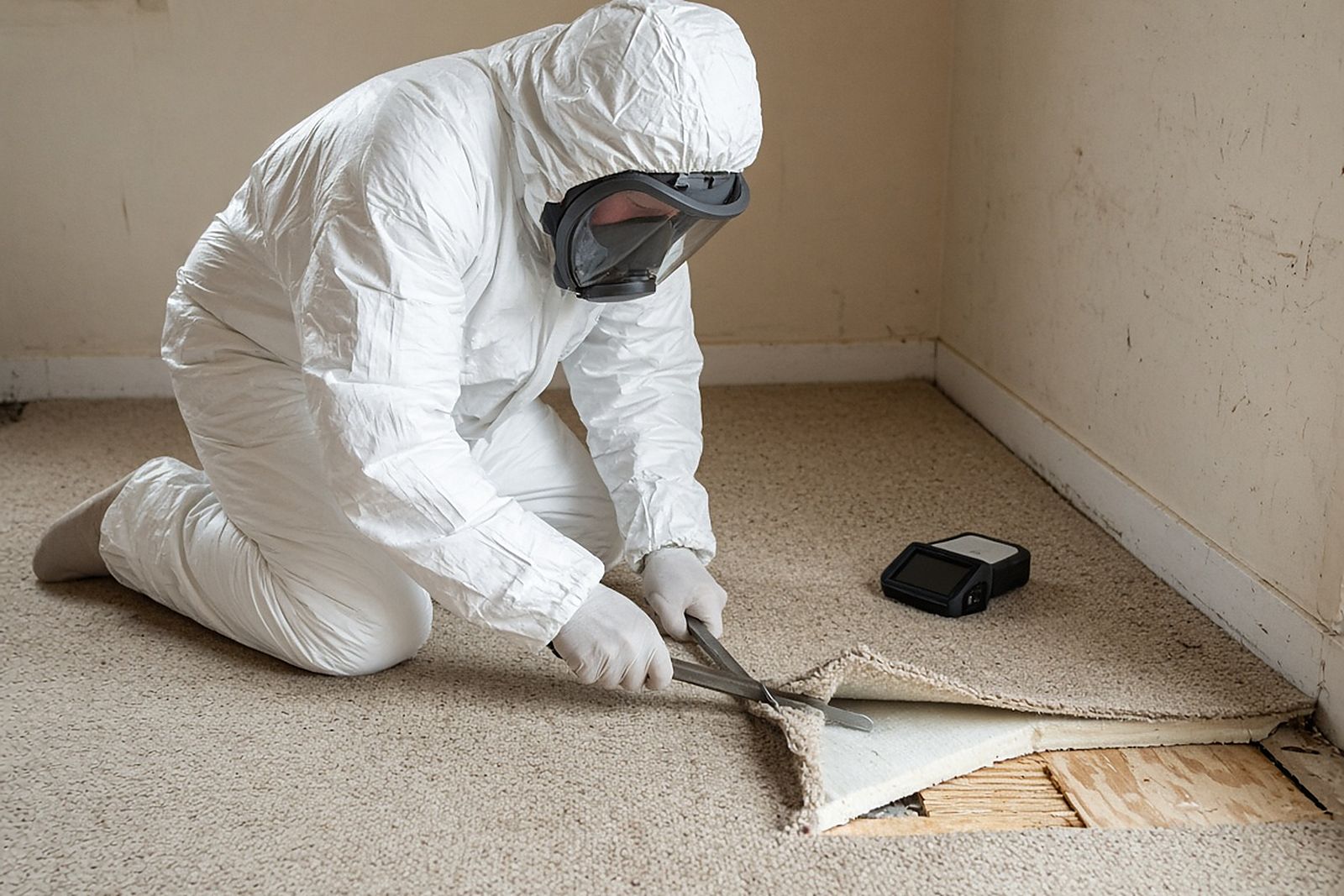
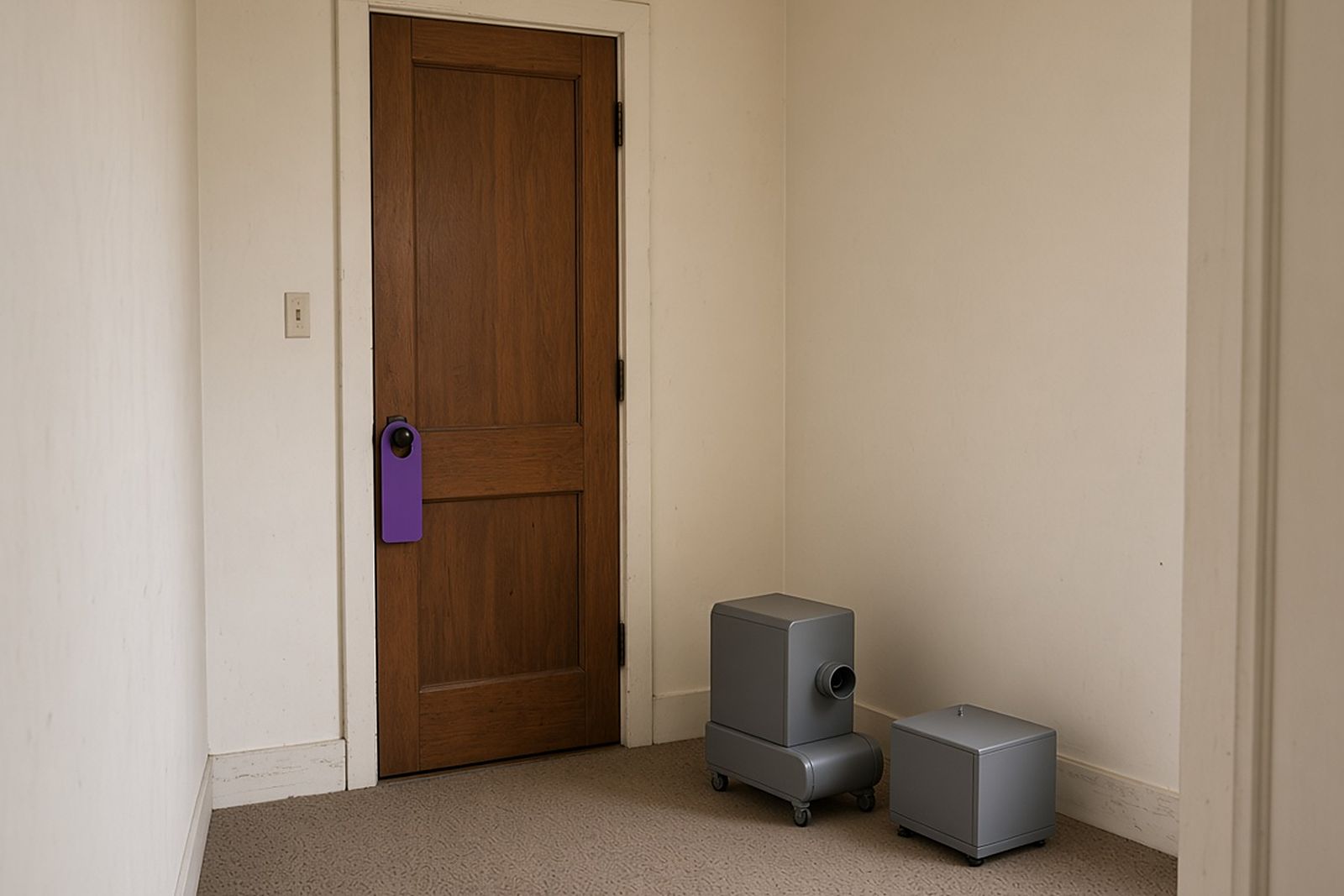
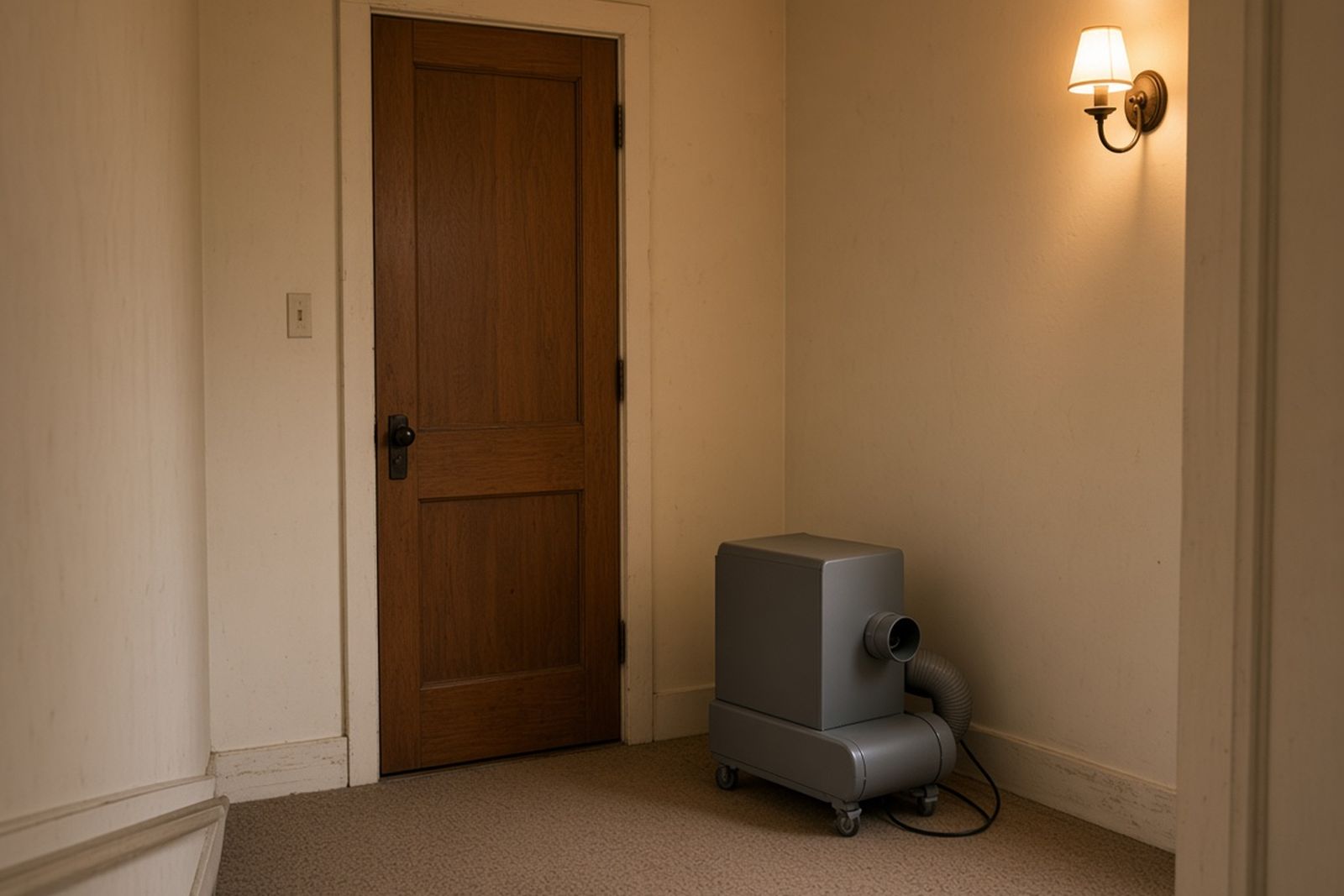
In an apartment tower, a smell in the shared hallway is often the first sign, long before anyone sees anything. Gaps under doors and air returns can move odor into the corridor if fans run. A manager may also notice insects near a unit door. Inside, carpet pad, mattresses, and the foam under laminate act like sponges, and the dry desert air outside does not change that. If your building is near the tourist areas, the halls are never empty. Privacy takes more planning there, because talk travels fast.
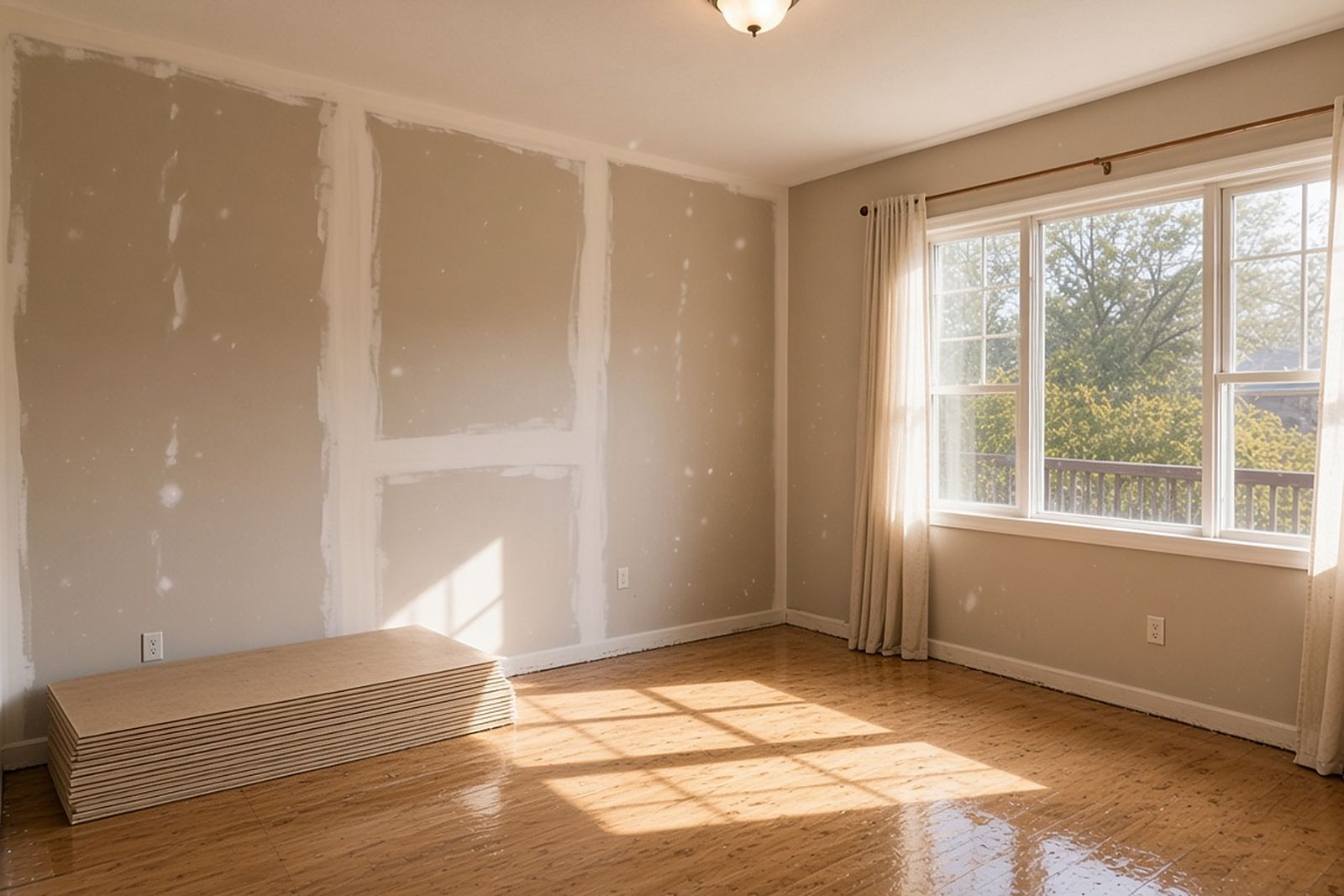
Nothing should start until the Clark County coroner and medical examiner, and any police hold, allow it. Once the home is cleared, you, the landlord, the HOA, and the estate need one shared plan for belongings and for where rebuilding begins. A covered trip through the lobby protects your family's dignity and keeps floors clean. Ask for records that show what was removed, not only that odor machines ran. If you are an owner thinking about renting the unit again, that is the proof you will want.