Why do San Antonio tile floors still need a close look after an unattended death?
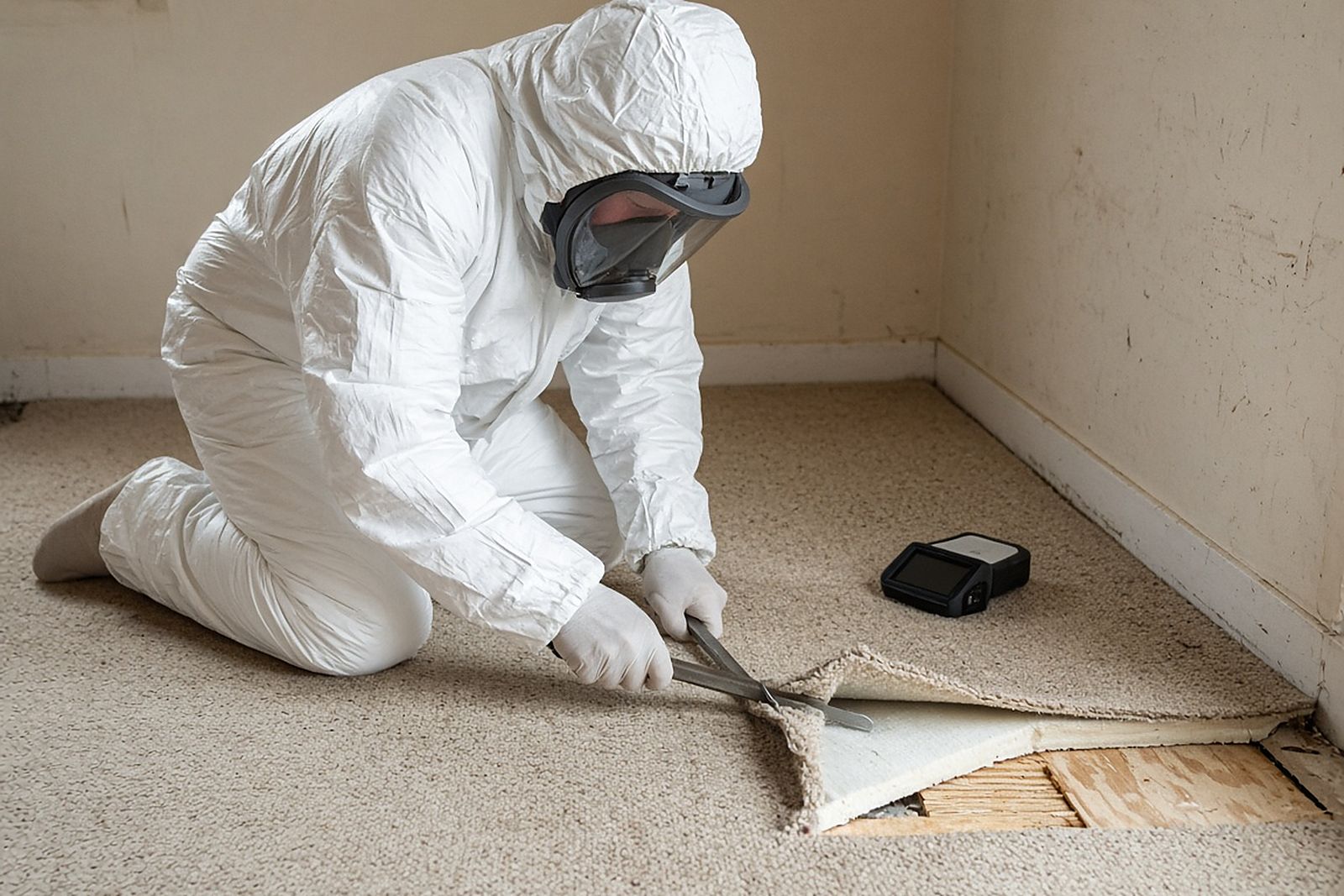
The top of the tile can wipe clean while liquid has already reached the mortar bed, cracks, or foam layer beneath. Grout lines may look only a little darker even when the smell is coming from underneath. A late discovery raises the chance that fluid reached the baseboards and the cabinet bases next to the tile. A good check takes moisture readings, lifts some tiles at the stain edges, and looks at the carpet where it meets the tile. Heat in a closed San Antonio home keeps pushing smell out of anything left damp under the tile. Calling a floor fine because it was mopped is a common reason the smell comes back after a family thinks the job is done.
How should managers handle hallway smell complaints that lead to a welfare check in San Antonio?
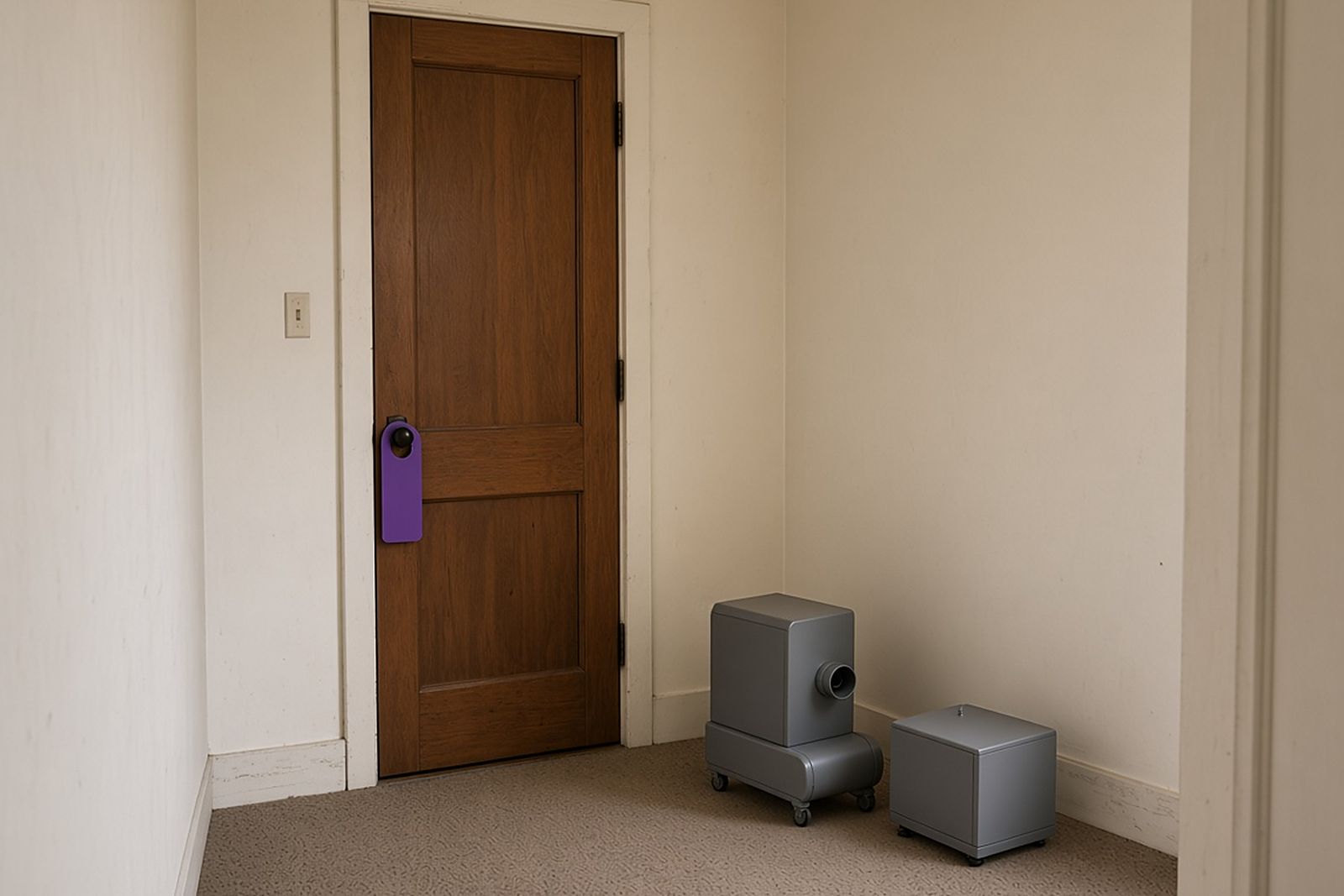
Treat a lasting smell like decay as a welfare and safety issue, not a cleaning request. Follow legal entry steps and notify the proper officials. Do not send maintenance in with bleach. After authorities handle the death and release the scene, stop any do-it-yourself scrubbing that spreads residue through the breezeways. Lock the unit, record what you see, and reach out to the estate or emergency contact. Plan barriers to protect the neighbors' doors before any tear-out. Short, respectful notices about the work, with no graphic details, help residents understand why a hall is closed. Keep a simple timeline of who was told and when the unit was locked. It shows the owners that smell complaints were handled as welfare events, not put off as routine cleaning. It also helps explain to insurers why the job was bigger than cutting out a stain-sized piece of carpet.
Why do belongings stored in the garage keep causing smell after a late discovery?
Relatives often rush to save clothes, blankets, and papers by moving them to a garage or shed. If those items touched fluid or heavy vapor, they keep giving off odor chemicals. They can also soil hands and cars. Insects may be moved along with the soft goods. A full check lists every storage spot and decides, with the estate's input, what to keep and what to toss. Sealed bags and labeled piles keep those choices in order. Skipping the garage is why some homes smell clean inside for a week. Then the smell returns when someone opens a plastic bin of untreated fabric.
How do shared laundry rooms change cleanup in San Antonio apartment communities?
A shared laundry room creates a foot path between the affected unit and a common room. That room has lint, folding tables, and sometimes scraps of carpet. If workers or residents walk soiled shoes through it, residue spreads beyond the apartment. Plan to protect the floors along the route. Close the laundry room during load-out if needed, and check for tracked stains. Washers and dryers are not the right place for badly soiled fabric from an unattended death. Record any short closures for the owner's files. Keeping the loss inside the unit first stops one sad event from becoming a building-wide health and smell problem.
What records help San Antonio estates in worker housing settle disputes after cleanup?
Worker rentals often involve several relatives, insurance adjusters, and managers who each have only part of the story. Dated photos, written permission to enter, lists of what was tossed and kept, and moisture maps help. They cut down on claims that valuables went missing or that too much was torn out. Keep waste records when regulated materials leave the property. Keep cleanup bills apart from rebuild bids so it is clearer who pays for what. Write down who approved each big choice and when the authorities released the scene. That paper trail will not ease the grief. But it gives everyone the same facts when memories of a hard week do not match. Add a one-page timeline of the discovery, the official release, and the tear-out steps. Relatives who arrive later can then see what already happened. In Bexar County, these losses lead to fewer disputes when every tossed category is photographed and tied to the person who approved it.
Which office handles release for a San Antonio home?
San Antonio addresses fall under the Bexar County Medical Examiner, along with any police investigation. Cleanup should not start until they confirm the home has been released. Family members who live elsewhere can call the medical examiner's office for help with next steps. After release, the owner, landlord, or estate representative gives written permission to enter. That person also decides what can be thrown out, which helps avoid disputes later.
Do plaster walls in older San Antonio homes need to come out?
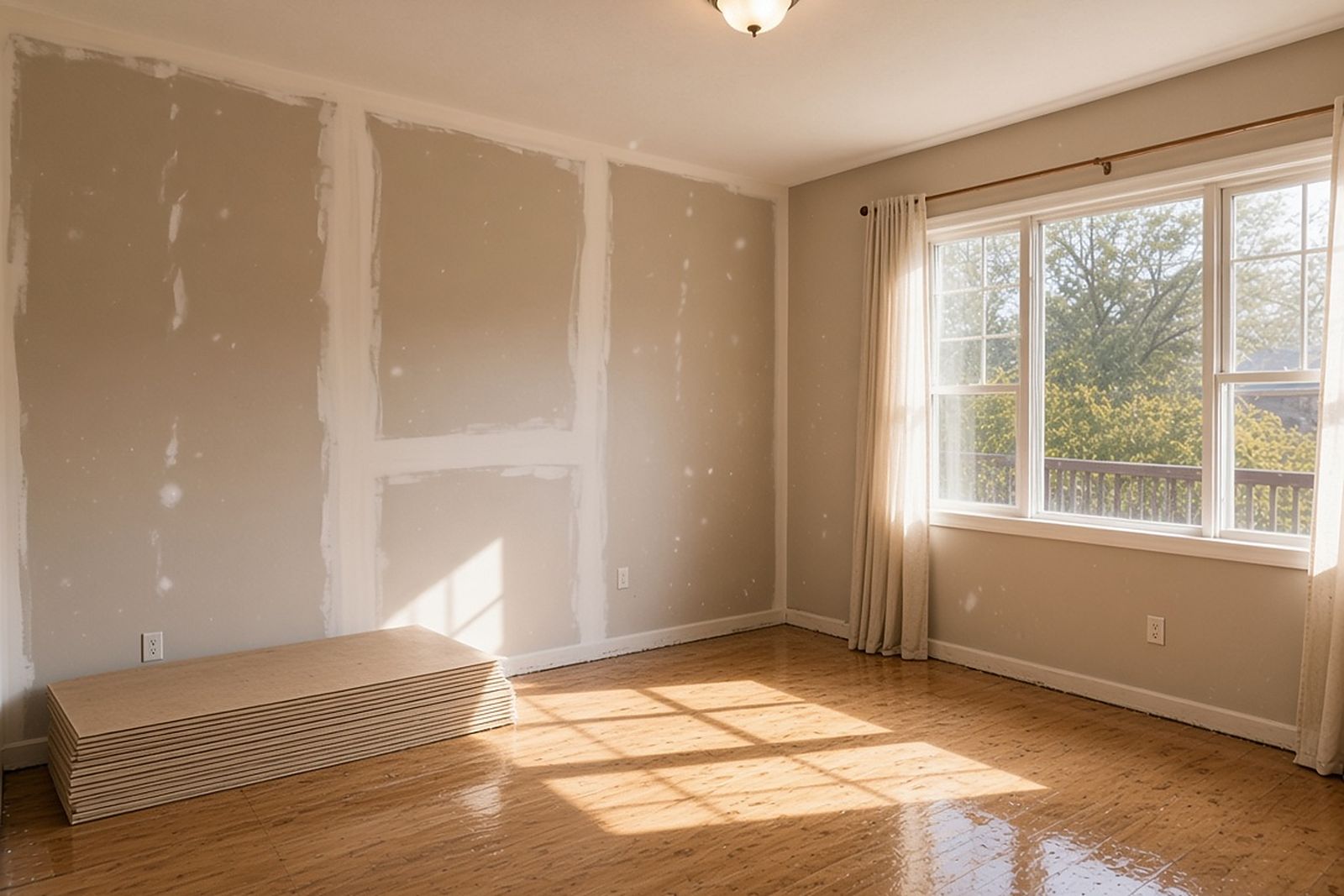
Not always. Historic bungalows and limestone homes near central San Antonio often have plaster over wood strips or stone, not drywall. Plaster soaks up less than drywall. If fluid only splashed it, cleaning the surface may be enough. Where fluid pooled against the bottom of a wall, the wood strips and trim behind it may be affected. Ask for moisture readings at the base of the walls. Remove only the sections the evidence supports.