West · US

Unattended Death Cleanup Planning in Denver, Colorado

Planning unattended death cleanup in Denver, CO

Denver cleanup help for brick bungalows with basements and boiler rooms, and for mid-rises near transit lines. Winter sealing can trap the smell inside. This is planning guidance, not a claim of a local office or crew in Denver.

Get an email reply about unattended death cleanup

Send a short message to the follow-up inbox. A coordinator can reply by email. This form does not send emergency help; call 911 first if anyone is in danger.

Tell us what you need help with. Share a short description; please leave out medical details, access codes, and other sensitive information.

A request does not confirm a booking. For immediate danger, contact local emergency services.

Or email info@prompartybuses.com

Direct answer

The short answer for Denver, CO

In Denver, brick bungalows with basements, newer apartment stacks, dry winter air, and freeze-thaw seasons all shape a late-discovery loss. Fluid can soak into subfloors and rooms below ground. Odor can move through boiler rooms or shared halls. Moisture problems can follow when snow melt meets drying that was never finished. This page is a planning guide. It covers the assessment, the paths through the air system and basement, working with the estate and landlord, privacy, and records. It does not make up local-only rules or claim that service is available.

Editorial guide · Biohazard Remediation NetworkUpdated 2026-07-22Location focus: Denver, CO

Local planning context

Older Denver neighborhoods have brick bungalows and Tudor-style homes with basements, radiators or boilers, and wood floors. Those floors can hide fluid that dripped through to the joists. Newer mid-rises along transit lines add elevator scheduling and shared trash rooms. A late discovery in a basement bedroom or a main-floor parlor can send fluid into places that other trades open later during a remodel. In winter, windows stay shut for weeks, and odor chemicals build up inside. Dry air outdoors does not save soaked pad indoors. Check the rooms below ground even when the person was found upstairs, if pipe chases or stair openings connect the floors.

High altitude and a dry climate do not stop insects when there is fluid indoors. They also do not remove the smell from soaked materials. In small apartment buildings, boiler rooms, utility closets, and shared laundry can become paths for odor if doors are left open during do-it-yourself cleaning. After tear-out, freeze-thaw cycles matter. If openings leave wet materials exposed to cold nights without controlled drying, ice and rewetting can throw off the schedule. Families sometimes store belongings in an unfinished basement. Check those piles after an unattended death anywhere else in the house.

Cleanup waits on the Denver Office of the Medical Examiner, plus any police hold. Once released, write down every choice the estate and landlord make about belongings. Basement apartments and rental conversions are common in this market. On crowded city blocks, privacy means a covered load-out and quiet talks with neighbors. File the biohazard work in one folder and the remodel plans in another. Then owners will not mistake renting a hydroxyl machine for having removed the source.
Property considerations

Brick bungalow basements: look for drip-through, stored soft goods, and fluid that followed the stair opening.

Homes with boilers or radiant heat may have mechanical rooms that spread smell if left open.

Mid-rise freight elevators need soaked materials to travel sealed.

Winter sealing traps odor chemicals. Cold outdoor air does not mean the job is done.

Unfinished basement storage often holds fabric that was moved after the discovery.

Shared laundry in small apartment buildings can pick up tracked residue if the hall is not protected.

Response-planning framework

Release, estate, and how the property is used

Confirm the medical examiner or police release. Find out whether the owner lives there, whether it is a basement rental, or whether it may go to an estate sale. Written permission should cover both the main floors and the rooms below ground before the tear-out grows.

Check above and below ground

Map the main room first. Then follow the open spaces toward the basement, pipe chases, and storage. Use moisture tools and look for stains on the joists. Photograph any soft goods in the basement that may have been moved there after the discovery.

Control mechanical rooms and halls

Keep the worst area closed off from boiler rooms, laundry, and hallways. Do not use fans that push untreated air into shared stairs. Run HEPA air scrubbers inside the sealed area and keep the load-out path protected.

Remove the source, dry in the cold, and hand off

Take out soaked soft materials and clean the hard surfaces you can keep. Dry the structure, and watch for freezing and thawing at any openings. Give the estate or landlord a rebuild list and waste records, with clear notes on the basement.

Documentation checklist

  1. 1Official release and permission-to-enter papers
  2. 2Notes on how the home is used: owner-lived, rental, basement unit, or estate
  3. 3Photos of the main rooms, basement, and mechanical spaces
  4. 4Moisture map across the floors and joists
  5. 5Notes on what came out of each floor, including any basement carpet or drywall
  6. 6Steps taken to protect halls and laundry rooms
  7. 7Regulated waste records when they apply
  8. 8Rebuild list, including items below ground

Official resources

Questions for this location

Why check a Denver basement when the death happened on the main floor?

Fluid and vapor can travel through floor seams, pipe chases, and stair openings into the rooms below. Soft goods stored downstairs may have come from the room where the person died, and they keep giving off smell. A mechanical room open to the basement can spread odor through the house if fans run. Replacing the main-floor carpet while ignoring the joists or the basement piles often fails within days. Check for stains and moisture below the room and in any storage used after the discovery. In brick bungalows, a basement check is a normal part of the plan, not a rare extra. Put the basement findings on the same moisture map as the main floor. Then insurers see one connected loss. Split paperwork is how a soaked spot downstairs gets waved off as normal mustiness after the upstairs carpet is replaced.

How does winter sealing affect the smell after a late discovery in Denver?

Closed windows and steady heating trap odor chemicals from soaked pad and furniture inside the house. Opening a door on a cold day may seem to help. But the smell returns when the house closes up and the heat cycles again. Dry outdoor air does not clean soaked materials indoors. Plan around removing the source and managing the air with filters, not around winter airing alone. After the tear-out, watch the drying closely so wet openings do not freeze and get wet again. Knowing how a sealed house behaves helps families avoid planning too small a job because cold air briefly masked the smell. If temporary heat has to run during drying, keep it filtered and closed off. Do not blow it across open piles of torn-out material. Careful winter drying protects the framing without spreading odor chemicals through the house again.

What privacy problems come up on crowded Denver blocks during the load-out?

Denver bungalows sit close together, and anything carried down the alley gets noticed. Uncovered mattresses and open talk about the death feed rumors and distress. Use covered carts, keep onlookers to a minimum, and keep management notices practical, not graphic. When possible, let the estate look through items in private before anything is thrown out. Protect shared sidewalks and porch floors from tracked residue. Privacy steps do not replace a sealed work area. But they lower conflict on tight city blocks where neighbors share fences and hear every dumpster lid. When it is safe, offer family members a private look inside before the bags reach the alley. That small kindness cuts down on sidewalk arguments while soaked materials still leave on time.

How should a boiler or radiant heat room be handled during cleanup planning?

Keep the mechanical room door closed to the worst area unless the check shows residue inside. Do not use the boiler room to stage wet debris from the tear-out. If you can smell odor in a mechanical space, look for air links and tracked residue. Do not assume the boiler is the source. Close off any returns or grills that connect to the room where the person died. Record what you find for the owner. Good habits here keep a utility closet from becoming a second source of smell during do-it-yourself cleaning. If the check finds nothing wrong in the mechanical room, write that down clearly. Then later workers will not reopen a clean boiler room without reason. Clear notes keep the job steady when several trades work on the rebuild.

What records help with an estate sale after cleanup in Denver?

Buyers and agents may ask what was removed and whether the sources of the smell were dealt with. Provide dated photos, lists of removed materials, moisture notes, and a rebuild list that shows what is only cosmetic. Keep the official release and entry permission in the file. Keep biohazard bills apart from remodel bids. Do not claim the home is like new. State plainly what was cleaned. Clear records reduce renegotiation when a buyer smells fresh paint and primer and wonders if pad was left underneath. Store the cleanup packet with the estate sale disclosures so agents are not making up answers about the smell history. Plain facts work better than vague promises when buyers ask hard questions.

Which office clears a Denver home for cleanup after an unattended death?

Denver is both a city and a county, so its own Office of the Medical Examiner handles the case. It often works with Denver police. Suburban addresses in the metro may belong to a different county's coroner or examiner, so confirm the county first. Wait for the release before cleanup. Once cleared, whoever controls the house, whether owner, landlord, or estate, should sign off on entry and disposal.

Why do garden-level apartments in Denver need extra care?

Many older Denver buildings and converted houses have garden-level units that sit partly below ground. These spaces are cooler and can dry slowly. A death in the unit above may send fluid or odor down through the floor. If the loss happened upstairs, ask whether the garden-level ceiling and walls should be checked. If it happened in the garden unit itself, plan extra drying time and take moisture readings before any new flooring goes in.

Contact

Get help by email

Send a short message for an email reply about unattended death cleanup planning questions for the Denver area.

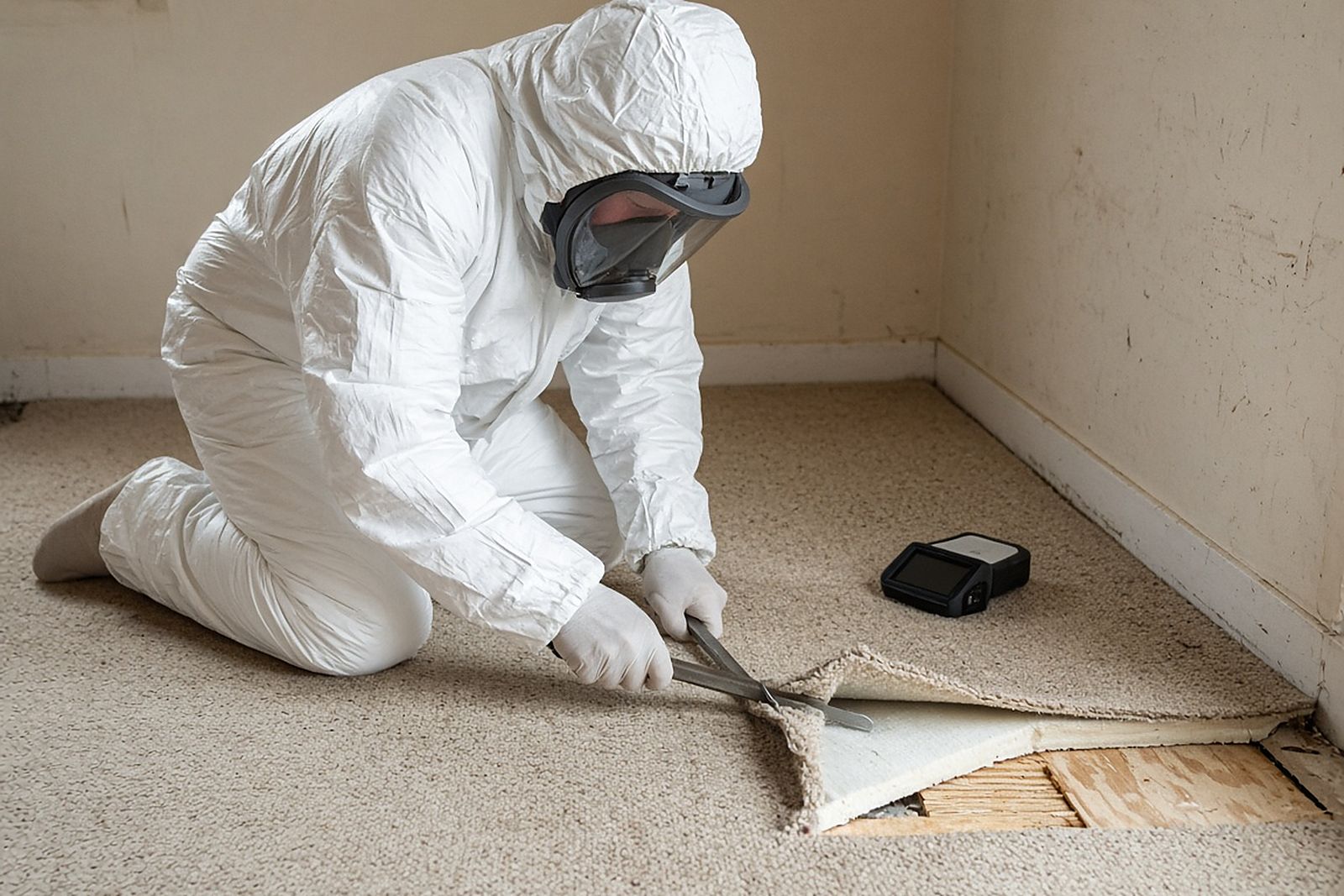
Technician in a full-face respirator cutting back carpet and pad to expose the subfloor
Illustrative photo, not a job record. Technician in a full-face respirator cutting back carpet and pad to expose the subfloor.
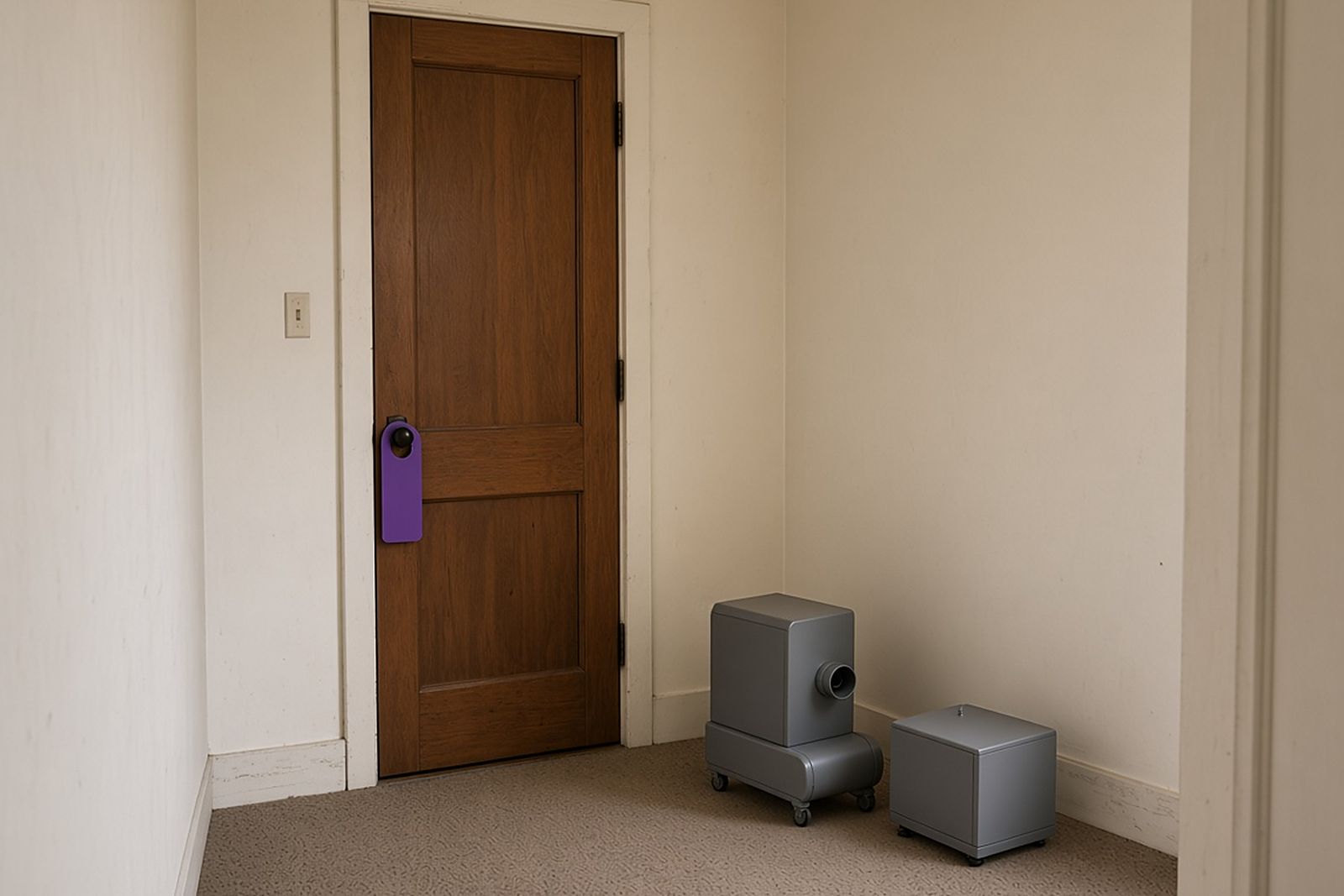
Air-filtration and odor-control units staged outside a closed door with a do-not-enter tag on the handle
Illustrative photo, not a job record. Air-filtration and odor-control units staged outside a closed door with a do-not-enter tag on the handle.

Unattended Death Cleanup figures to keep in mind

National and research figures, not Denver data. Local conditions, rules and providers vary; use these for scale and context only.

76,020

A total of 76,020 people died alone at home in Japan in 2024, and 76.4% of them were aged 65 or older.

Read with care: Japanese national police data; no equivalent U.S. national count of unattended deaths exists, so use only as an international illustration.

Source: Japan National Police Agency (reported by Xinhua) (2024)Japan, calendar year 2024, deaths at home of people living alone

21 days

In a Swedish study of 102 decomposed bodies found indoors, the post-mortem interval ranged from 3 to 217 days, with a median of 21 days.

Read with care: Only cases with visible decomposition were included, so the median overstates typical discovery delay.

Source: International Journal of Legal Medicine (peer-reviewed) (2023)Sweden, forensic autopsy cases from Uppsala and Gothenburg, 2010-2019, bodies found in apartments or houses

470

Researchers estimated that about 470 cases of unreported bodies left in homes by housemates occur in Japan each year, about 40% from natural causes.

Read with care: Extrapolation from one forensic department's caseload.

Source: Cureus (peer-reviewed forensic study) (2024)Japan, annual projection from regional forensic data

These figures are public research and agency data, not this network's own job records. Keep each number with its population, year and limits; none of them predicts cost, timing or outcome at a specific property.

Plan before you reach out

Use the first 24 hours planner for immediate steps and the provider vetting checklist to confirm any Denver provider's training, insurance and waste path in writing.

What research has found

Findings from published studies of people and properties in situations like this one. They describe what researchers observed in a specific group; they are not predictions for your case.

Housing insecurity competed with grieving for families' attention.
Who was studied: UK interviews: 14 bereaved people experiencing poverty and 15 supporting professionals.Limits: Small purposive sample; UK housing context; not current legal guidance.How does housing affect end-of-life care and bereavement in low-income communities? (2022)
Anxiety and depression differences between viewers and non-viewers were not statistically significant.
Who was studied: 666 Swedish suicide-bereaved parents; surveyed 2–5 years after loss.Limits: Observational; no causal effect established; item denominators differ.Viewing the Body after Bereavement Due to Suicide: A Population-Based Survey in Sweden (2014)

Unattended Death Cleanup community polls

Poll results

Every count is a real visitor vote; nothing is seeded or padded. One vote per poll per device, and you can change your answer.

Your experience

As a landlord, how long would you wait for the tenant's family before arranging cleanup yourself?

No visitor votes yet
Process

Which part of an unattended death project would you find hardest to manage?

No visitor votes yet

Planning cleanup in Denver?

Send a short message about the property to the follow-up inbox. A coordinator can reply by email with next steps.

Your request is sent to the follow-up inbox. A coordinator can reply by email.

If anyone is hurt or in danger, call 911 first.