Field guide
Unattended Death Cleanup: How to Review a Written Scope
Review a death cleanup plan for timing, how far fluid soaked in, belongings, insects, products, waste, odor, testing, exclusions, and handoff to rebuilding.
For: Families, estate representatives, owners, landlords, property managers, insurance adjusters, and trustees comparing written proposals.
Organizational editorial byline · Updated 2026-08-01 · Verify case-specific requirements with the responsible authority.
Ask about your situation
Your request is sent to the follow-up inbox. A coordinator can reply by email. Not for emergencies; call 911 first if anyone is in danger.
Direct answer
What is the practical approach?
A solid cleanup plan turns the site check into actions for each location and material. It should record the scene release and what is known and unknown about timing. It should cover paths for fluid and foot traffic, soft materials and layers, insects, belongings, utilities, and nearby areas. It should also cover worker safety, products, waste types, odor-source decisions, testing, what is left out, and the handoff to rebuilding. Look at what was actually seen and what is only assumed. Check how careful openings and change orders work. Ask what proof will show the job is done. Don't accept a price per square foot, a deodorizing package, or a promise of complete sanitizing in place of a mapped work area and a plan for each material.
Tie the proposal to the release and discovery facts
The first page should name the released area and any limits officials still have in place. It should name who is signing the contract and the date the person was found. Where it is proper to share, it should note when the home was last known to be lived in. It should also note utility status, earlier entry, and what responders or residents did. These facts show what is uncertain. They should not be stretched into an exact timeline of contamination. Record where each key fact came from, and protect private or investigation details. If timing is unknown, say so. Base decisions on what the property shows, not on a made-up date.
Compare the written work area with the inspector's map. Include the main room, where it meets nearby spaces, lower floors, and halls. Include elevators, stairs, heating and cooling zones, plumbing openings, routes for belongings, setup areas, and places that were not checked. Note whether doors, windows, fans, heat, cooling, or pests could affect the check. The plan should explain why each area is included. Odor moving from room to room does not prove every connected room or duct holds affected material.
Turn questions about spreading fluid into careful checks
Fluid can move through carpet, pad, seams, raw edges, cracks, and nail or screw holes. It can move through the joint between floor and wall, spaces inside cabinets, and gaps around pipes and wires. The plan should say which paths were seen, which are still possible, and how each will be checked. Careful opening needs a location, a method, the most that will be removed, and access and dust controls. It also needs photos, a stop point, and approval. "Remove as needed" puts too much risk on you. It can destroy finishes that could be saved before other options are looked at.
In buildings with more than one floor or shared walls, keep fluid that actually moved separate from odor or air flow. Check real paths to lower floors and next-door spaces without assuming contamination from smell. Shared systems may need a building engineer or HVAC specialist. If insects are present, map where they are and bring in pest experts. Don't use pesticide in place of removing the source. Each finding should update the work area. It should lead to a written choice to keep, remove, or send to a specialist.
Set actions and finish lines for each material
Keep these steps apart: handling heavily affected material, cleaning, using disinfectant, removal, special restoration, drying, storage, and rebuilding. For surfaces being kept, record whether they can be reached, whether the product is safe for them, the method, and how they pass. For removed carpet, pad, subfloor, drywall, insulation, furniture, or other layers, record the exact spot. Also record the condition that makes keeping it unreasonable. Don't let a line for tearing out the whole room hide whether only one layer is affected. It also shouldn't hide whether structural parts need a different qualified specialist.
Belongings need their own plan. Key papers, keys, medicine, electronics, keepsakes, everyday items, and items tied to an investigation each take a different path. Set what the item list will record, limits on photos, approval, packing, and custody. Also set cleaning or expert review, storage, and final handling. The estate or approved representative decides what is worth keeping. The company describes condition and limits. Price belongings separately so hard, emotional decisions aren't buried inside a tear-out allowance.
Check chemical and odor wording against the real methods
For each disinfectant, list the product and its EPA registration number. List the use on the label, the surfaces it is safe for, how to mix it, and how to apply it. List how long the disinfectant must stay wet, safety steps, and rinsing. The EPA-approved label is the rule. Words like "industrial strength," "hospital grade," and "proprietary chemical" are not enough detail. Cleaning and removing heavy material come before disinfecting, where disinfecting is right. Record product use by area. Fogging or spraying doesn't reach under finishes just because droplets float in the air.
Odor work should name the likely source and the purpose of each step. Removing the source, cleaning surfaces, fresh air, odor-absorbing products, filters, sealing, and other treatments each answer a different question. Sealing an affected soft layer can hide a source. Fresh air can move odor without fixing the material. Ask how the company tells odor from the death apart from drains, trash, moisture, pests, neighboring units, or building products. Instead of an odor guarantee, ask for a written check, a follow-up decision, and stated limits.
Read worker safety, waste, and shared-route plans together
When workers could be exposed to blood on the job, OSHA's Bloodborne Pathogens standard shapes what employers must do. The plan should show access limits for each task, needle safety, protective gear (PPE), and cleaning of gear. It should also show how tools and debris move. It should not present these duties as a consumer certification. If respirators are needed, the employer has program duties beyond handing out masks. Shared routes need protection, scheduling, a clean setup area, and messages that respect privacy. This matters most in apartments, hotels, or senior housing.
Name each separate waste and dirty-water stream. Set its packaging, how it moves inside the building, the hauler, where it goes, and the papers that come back. Some groups should not be lumped together by default. That includes material covered as blood and other body fluids that can carry disease, and needles and sharps. It also includes chemicals, building debris, reusable equipment, and personal belongings. State and local rules differ. The company should explain how it classes waste and what it will do if the planned site refuses a load. Photos of bags, or disposal fees with no destination, are not full proof.
Compare prices, backup plans, and insurance roles the same way
Compare proposals using the same work area and units. Include the check, short-term fixes, worker roles and hours, containment, equipment days, and products. Include removal amounts, belongings, waste, hauling, testing, records, storage, after-hours access, and rebuilding. A lower bid may leave out the subfloor, disposal, or belongings. A higher bid may assume a lot of tear-out. Ask for options where material decisions are still uncertain. Get clear terms for deposits, canceling, minimum charges, taxes, travel, and who pays if an insurer disputes a line.
The insurer decides coverage under the policy. The contractor sets its own agreement with you. A company should not promise payment. It should not say an insurer approved work without paperwork, or make technical choices just to fit billing software. Change orders should state the new finding, the location, the action, options, price, effect on the schedule, and the approved signer. Keep emergency work approvals narrow. Turn any urgent verbal approval into a written record quickly.
Put the final report and rebuilding steps in the contract
List the proof of completion before work starts. That includes the final work area, changes, and what happened to each material. Add custody of belongings, product records, waste papers where they apply, and photos. Include the inspection, targeted testing, problems not yet solved, and areas ready for rebuilding. Odor, a visual check, air testing, and lab tests each have limits. So does a quick swab test that shows leftover organic residue (it does not detect germs). None proves every hidden or future condition. Choose proof based on a written question. Set how a surprise result will change the plan.
Require a pause point after cleanup, before a builder covers any opened walls or floors. The final report should state what was done and why it was accepted. It should say what could not be reached, which rooms are still closed, and who owns the next task. Keep cosmetic repairs and finish matching separate from the cleanup finish line. Protect private records and give each person only what they need. Final payment should match the approved plan, approved changes, invoices, and the proof delivered.
Decision table
A plan you can review keeps facts, guesses, actions, and approvals apart.
| Plan question | Detail needed | If unknown |
|---|---|---|
| Where does the work area end? | Released rooms, paths, layers, nearby checks, areas that can't be reached | State the check and the stop points |
| What happens to each material? | Clean, remove, open, protect, restore, or send to a specialist, with a reason | Price options or units |
| How are products used? | Registration, label use, surface, mixing, how long it stays wet, safety steps | Don't approve uses the label doesn't support |
| How are belongings and waste handled? | Item list, custody, waste types, hauling, destination, records | Name an owner before anything moves |
| What changes the price? | Finding, location, signer, unit, effect on schedule | Pause at the approved limit |
| What proves the job is done? | Mapped proof, limits of each method, closed areas, handoff | List who is responsible for what is left |
Action checklist
- 1Confirm the release, signer, privacy, and known timeline.
- 2Match the proposal to a map of locations and materials.
- 3Keep fluid movement that was seen apart from possible paths.
- 4Set limits, records, and stop points for exploring.
- 5Require actions and pass criteria for each material.
- 6Create a separately priced plan for belongings and custody.
- 7Check disinfectant details against current labels.
- 8Tie each odor step to a source and a clear purpose.
- 9Review worker, sharps, shared-route, and breathing safety.
- 10Trace each waste type to its planned destination.
- 11Compare prices, insurance guesses, and change orders the same way.
- 12Set the final report proof and the pause before rebuilding.
Questions and answers
Should a cleanup estimate list square footage?
It can use square footage as one way to price. But area alone is not a plan. The plan should name rooms, layers, paths, belongings, and places that can't be reached. It should cover material decisions, safety steps, products, waste, testing, and what rebuilding is left out. Rooms of the same size can need different work. Flooring, subfloor, temperature, time, utilities, furniture, or how far fluid soaked in can all make a difference. Use area only after the affected work area and included actions are clear.
How should unknown subfloor conditions be priced?
Approve one set exploratory opening first. Then use stated unit prices or options for any extra material. Show where the opening is, the most that will be removed, safety steps, photos, the stop point, and who decides. Also show the unit price and effect on the schedule. This avoids pretending the subfloor condition is known. It also prevents unlimited removal. Concerns about the structure or hazardous building materials may need a separate specialist before work goes further.
Can a plan promise the odor will be completely gone?
That promise goes too far. A useful plan names the likely sources and deals with affected materials that can be reached. It gives every odor-control method a purpose, records conditions, and states what is left out. How odor is noticed, and whether it comes back, can change. Temperature, humidity, air flow, nearby spaces, drains, pests, rebuilding, and hidden materials all play a part. Set up follow-up and fixes. Don't treat air freshener or no smell right away as proof the odor is gone for good.
Should belongings be part of the room price?
A separate plan for belongings is clearer. Set out the item list, getting essential items, choices about keepsakes, photos, custody, and packing. Add the method, referral to a specialist, storage, approval to throw things away, and pricing. A room rate can hide big differences in how many items there are and how they are handled. Keeping belongings separate lets the estate decide what matters without changing the building work. It also cuts down on disputes about missing or discarded property.
What is the final pause point?
It is the agreed moment when affected surfaces and joins can still be seen, and the cleanup work and proof are ready for review. Rebuilding should not cover them until the approved person accepts the final report or records fixes. Set the required records, the reviewer, how fast they will respond, any limits, and what other work may go on. The pause keeps the evidence and makes the handoff to the builder easy to trace.
What should a scope say about neighboring rooms or units?
It should say whether neighboring spaces were inspected, how they were inspected, and what was found or assumed. A good scope separates confirmed migration from possible pathways and explains what will trigger further inspection, such as a wet wall cavity or insects in a shared chase. It should also say who authorizes entry to a neighbor's space. If the scope says nothing about adjacent areas, ask whether they were considered at all.
How should a scope handle items the family hasn't decided on yet?
The scope should describe a holding process for undecided items. It should say where they'll be stored, how they'll be protected, who can approve a decision, and what happens if nobody decides. Items shouldn't be thrown out by default because a room needs to be cleared. Ask the provider to list and photograph undecided items separately, and to price storage or cleaning apart from the room work.
Primary sources and scope
These sources support specific safety or process statements. They do not certify a provider, establish a universal property-clearance standard, or replace local requirements.
Use this guide with the planning tools
Open the insurance claim organizer to keep the paperwork orderly from the first call to the carrier decision. When you are ready to compare providers, the vetting checklist turns the questions in this guide into a list you can send.
Related articles
 The Science Behind Unattended Death CleanupWhen a death goes unnoticed, natural decomposition releases fluids and odor compounds that soak into flooring, walls and air, and insects may arrive within minutes. Unattended death cleanup uses that science to decide what to remove, how to clean and disinfect what stays, how to control insects and odor at the source, and how to verify the home is safe to enter, sell or live in again.
 DIY vs Professional Unattended Death Cleanup: The Critical DifferencesAfter an unattended death, the damage is usually deeper than it looks. Fluids reach subfloor and framing, insects spread, and odor settles into walls and ductwork. Household cleaning and odor sprays cannot reach those sources, and doing the work exposes you to pathogens, bacteria and strong vapors. Professionals remove contaminated structure, control insects and odor at the source, handle waste properly and document the work for the estate.What Drives Unattended Death Cleanup Cost?Unattended death cleanup cost is driven mainly by how long the person went undiscovered, because time determines how far fluids traveled into flooring and walls, how strong odor became, and whether insects spread. Room temperature, building materials, clutter, access and the amount of belongings to sort also matter. An on-site assessment and itemized scope, not a phone quote, will tell you the actual cost.
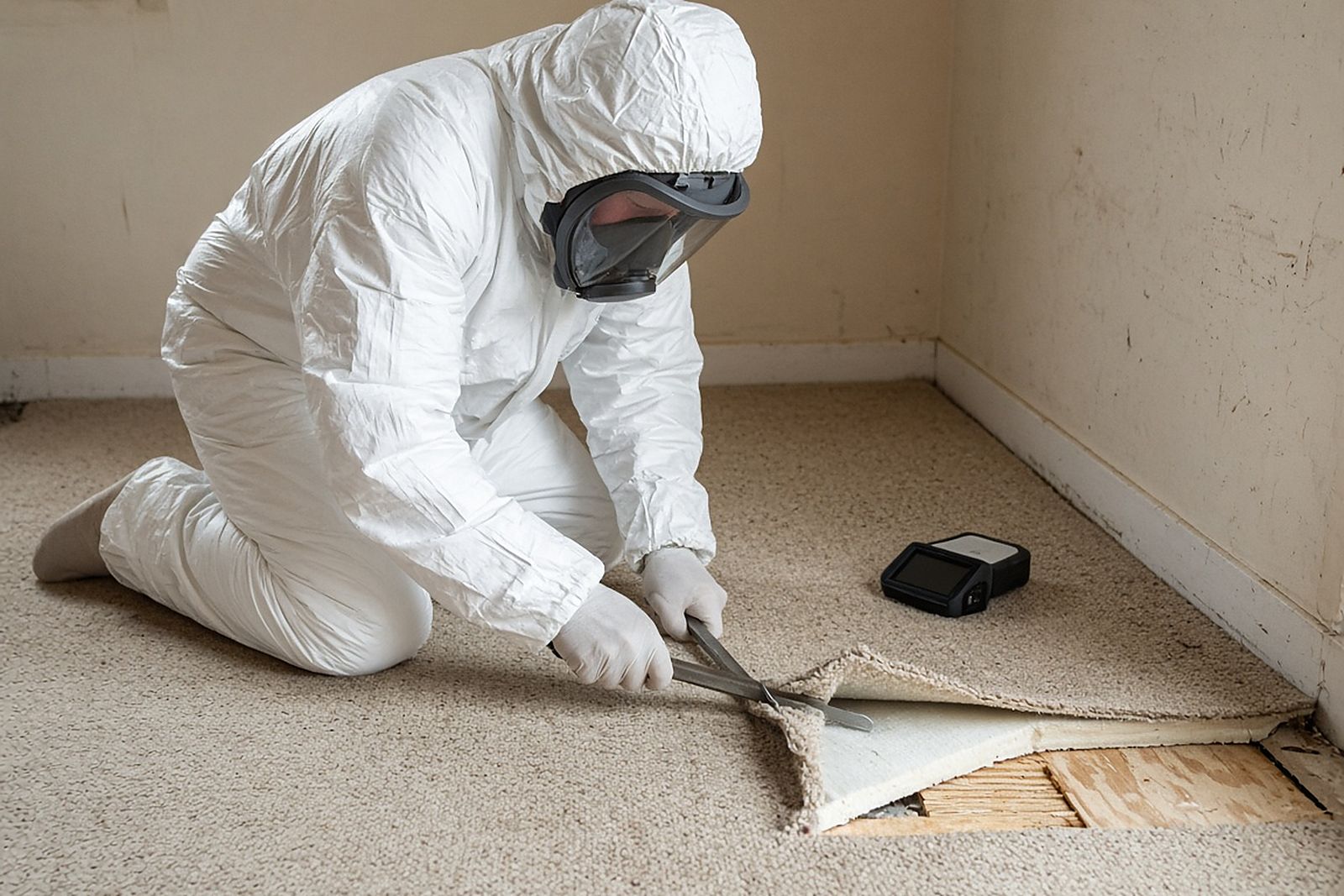 How to Research Waste Rules for Unattended Death CleanupTo research waste rules after an unattended death, sort what the job will produce: regulated waste such as saturated flooring and furniture, sharps, spoiled food, general household contents and estate items to keep. Then check your state's medical waste program, since federal EPA oversight ended in 1991, along with hauler registration, tracking and local landfill rules. Ask providers for disposal records suitable for the estate file.The Difference Between Cleaning and Disinfection in Unattended Death CleanupIn unattended death cleanup, cleaning removes decomposition fluids, residue and debris; disinfection applies a registered product for its full contact time to inactivate remaining pathogens; and deodorization addresses odor after the source is gone. Because fluids spread into porous and hidden materials over time, those materials are usually removed first. Sealers and fragrances are finishing tools, not substitutes for cleaning or disinfection.How to Evaluate Technology Used in Unattended Death CleanupJudge any technology in unattended death cleanup by the problem it solves: finding hidden fluid migration, removing odor after the source is gone, controlling insects, protecting shared air or keeping a distant family informed. Ask how it fits with removing contaminated materials, what its limits are and how results will be shown. No machine can clear odor while saturated flooring or furniture remains in the home.