Unattended Death Cleanup city guides
Local context, authority links and the questions to verify with any provider.
49 city guides currently meet our publication standard. Each combines location-specific property and access context, authority links, documentation requirements, and questions to verify with a provider.
Get an email reply about unattended death cleanup
Send a short message to the follow-up inbox. A coordinator can reply by email. This form does not send emergency help; call 911 first if anyone is in danger.
Research before reach
A location is published only when its page includes meaningful local property, access, climate, jurisdiction, or documentation considerations.
Everything for one city on one page
Planning, safety, insurance, provider questions, sources, and documentation for each city sit together on a single guide.
No invented local offices
A city guide does not claim a storefront, parked crew, guaranteed arrival, job count, rating, or credential that has not been independently verified.
Published city guides
These are educational planning resources, not proof that the network owns an office or dispatches a dedicated crew in each city.
Not sure where to start?
Send a short message about your situation. Your request is sent to the follow-up inbox. A coordinator can reply by email.
Your request is sent to the follow-up inbox. A coordinator can reply by email.
If anyone is hurt or in danger, call 911 first.
Why location matters for unattended death cleanup
An unattended death plays out differently from place to place. The building, the season, and local rules all shape how far the damage reached before anyone knew. A second-floor apartment raises questions about the ceiling of the unit below. A manufactured home with a thin floor may lose its whole subfloor. Summer heat in a closed house speeds up decay and odor. A home with the heat off all winter may slow it down, but hide damage until things warm up. States and counties also differ in their rules. They differ on how this waste is labeled, whether trauma-scene companies must register, and how long a landlord must hold a tenant's things before acting. Some areas send every case through a medical examiner. Rural counties may rely on an elected coroner. These differences decide who you call and what paperwork comes with the job.
Several offices usually have a file on an unattended death before cleanup starts. Each one controls a different piece. The medical examiner or coroner takes care of the person who died. They may keep personal items such as keys or a wallet. They can tell you when they no longer need the home. Police or sheriff's deputies often answer a welfare check first and may have locked the door. The county probate court is where an executor or administrator gets the right to sign for the estate. The health department answers questions about this kind of waste. The state environmental agency gives permits to the haulers who carry it. For a rental, the local housing or code office explains the rules on livable housing and notice. Ask the medical examiner's office for its case number early, since most of the others will ask for it too.
To check a provider for this kind of work, look at things that are hard to fake. Ask how they will confirm where fluids traveled under the floor. Listen for moisture meters and lifting layers, not a promise to cover the smell. Ask which hauler takes the removed carpet, pad, and subfloor. Then confirm that hauler with your state environmental agency. Call the county health department to learn if any local registration applies. Then ask the provider for its number. Ask for a final job file from a past late-discovery job, with private details blacked out. That shows you how they recorded removal, disinfecting, and odor steps. If the company will not talk about insects, a nearby unit, or the heating and cooling system, keep looking. Rules vary by state and county, so check what you hear with the local authority before you sign.
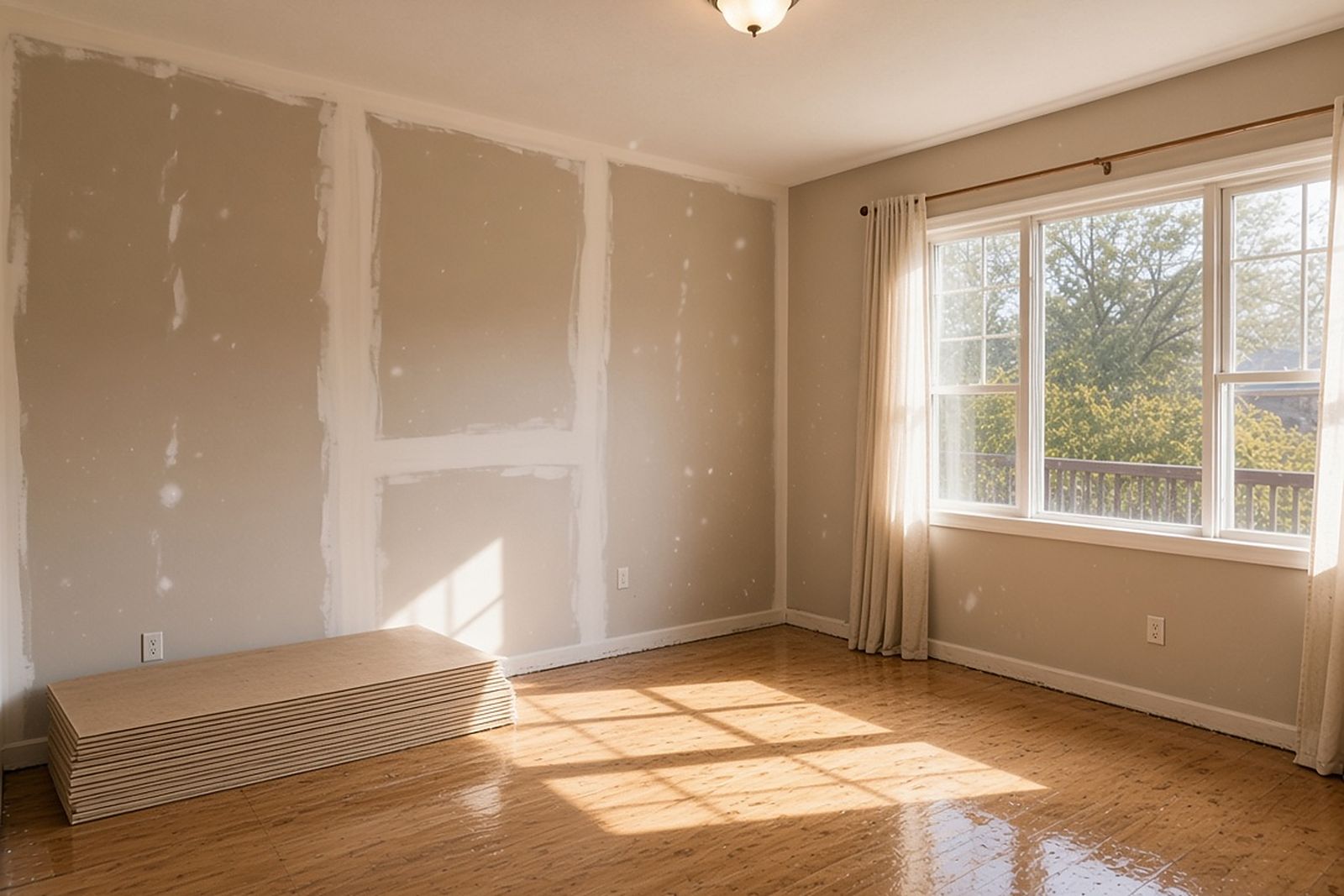
What to verify locally
- Who at the medical examiner's or coroner's office released the home, and the case number you will need for probate, insurance, and the provider.
- Whether the provider will lift floor layers and take moisture readings in the unit below or next to the room where the person was found.
- The name and state permit status of the hauler that will take soaked carpet, pad, the layer under it, and subfloor away from your property.
- Whether your county or city needs a permit before a crew cuts out subfloor, floor beams, or drywall in the room where the death happened.
- How the provider will handle insects that spread to windows, light fixtures, or nearby rooms, and whether pest control is part of its work.
- What written approval the provider needs before starting. That could be court letters for the estate, a landlord's direction, or a property manager's OK.
National figures for context
These are national or research figures, not data for any one city.
- 470
Researchers estimated that about 470 cases of unreported bodies left in homes by housemates occur in Japan each year, about 40% from natural causes.
Read with care: Extrapolation from one forensic department's caseload.
Source: Cureus (peer-reviewed forensic study) (2024)Japan, annual projection from regional forensic data
- 76,020
A total of 76,020 people died alone at home in Japan in 2024, and 76.4% of them were aged 65 or older.
Read with care: Japanese national police data; no equivalent U.S. national count of unattended deaths exists, so use only as an international illustration.
Source: Japan National Police Agency (reported by Xinhua) (2024)Japan, calendar year 2024, deaths at home of people living alone
- 16.2 million
About 28% (16.2 million) of community-dwelling U.S. adults aged 65 and older lived alone in 2023, including 33% of older women.
Read with care: Excludes nursing-home residents.
Source: Administration for Community Living (2023)United States, adults 65+ living in the community (not institutions), 2023
These figures are public research and agency data, not this network's own job records. Keep each number with its population, year and limits; none of them predicts cost, timing or outcome at a specific property.
Local questions about unattended death cleanup
Does my county handle unattended deaths through a coroner or a medical examiner, and does that matter?
It can. A medical examiner's office is usually run by doctors who work for the government. A coroner may be an elected official who works with hired pathologists. The difference affects who you call for the case number, where personal items are kept, and how fast the home is released. Search your county government's website, or call the police non-emergency line. Ask which office handled the death. Then ask for that office's contact details and the case number.
How does an apartment or condo change the cleanup compared with a house that stands alone?
In shared buildings, fluids and odor may not stay inside one unit. Fluids can travel through a floor into the ceiling below. Odor can move through shared walls, pipe spaces, and hallway air. The provider may need to get into a nearby unit to inspect it and maybe remove material there. Ask the building manager or owners' group early about access, notice to other residents, and who controls the shared air system. Those rules vary by building and by local housing code.
Does the season or climate where the home sits affect the scope?
Often it does. Warm, humid weather speeds up decay and odor. A closed-up house in summer can push odor deep into drywall, cabinets, and soft furniture. In cold places, a home with the heat off may show less damage at first. Then it may release odor once it warms up. Damp coastal air slows drying after removal. Tell the provider how long the home was closed up and whether the heat or air conditioning was on. Both change what the provider will look for.
Where does an executor get the right to hire a provider if the estate is not opened yet?
That right usually comes from the probate court in the county where the person lived. The court issues letters testamentary or letters of administration. Until then, a property owner, a landlord, or a next of kin under state rules may be able to arrange urgent cleanup. Call the probate clerk and ask what applies before an executor is named. You may also want a short meeting with an estate lawyer. Rules vary by state and county, so check locally before you sign a contract.
What should I ask the local health department about waste from this kind of cleanup?
Ask how your county labels soaked flooring, bedding, and furniture from a home where someone died unattended. Is it regulated medical waste, special waste, or normal trash? Does that change if the material is clearly soaked? Ask who may haul each type and where it may go. Some counties leave this to the state environmental agency. Write down the name of the person you spoke with. Then compare their answer with what your provider plans.
Does a manufactured or mobile home need a different approach after an unattended death?
Often, yes. Many manufactured homes have a thin particleboard or wood-chip board floor. Under it is a sealed bottom layer with insulation and air ducts. Fluids that get through the floor can soak that insulation and reach heating ducts. Those are hard to see from inside. Ask the provider whether it will open the bottom layer and check the ducts under the affected area. Also check with your park manager or county about any rules on repairs.
If the home is in a rural area, can a provider still reach it and get rid of the waste legally?
Often it can, though distance can affect the schedule and the waste plan. Ask whether the company serves your county itself or works with another company. Ask who will carry the removed materials to a permitted site. Confirm that the hauler has a permit in your state, not just where the provider is based. Rural wells, septic systems, and outbuildings may also matter, so describe the whole property on the first call.
More on unattended death cleanup
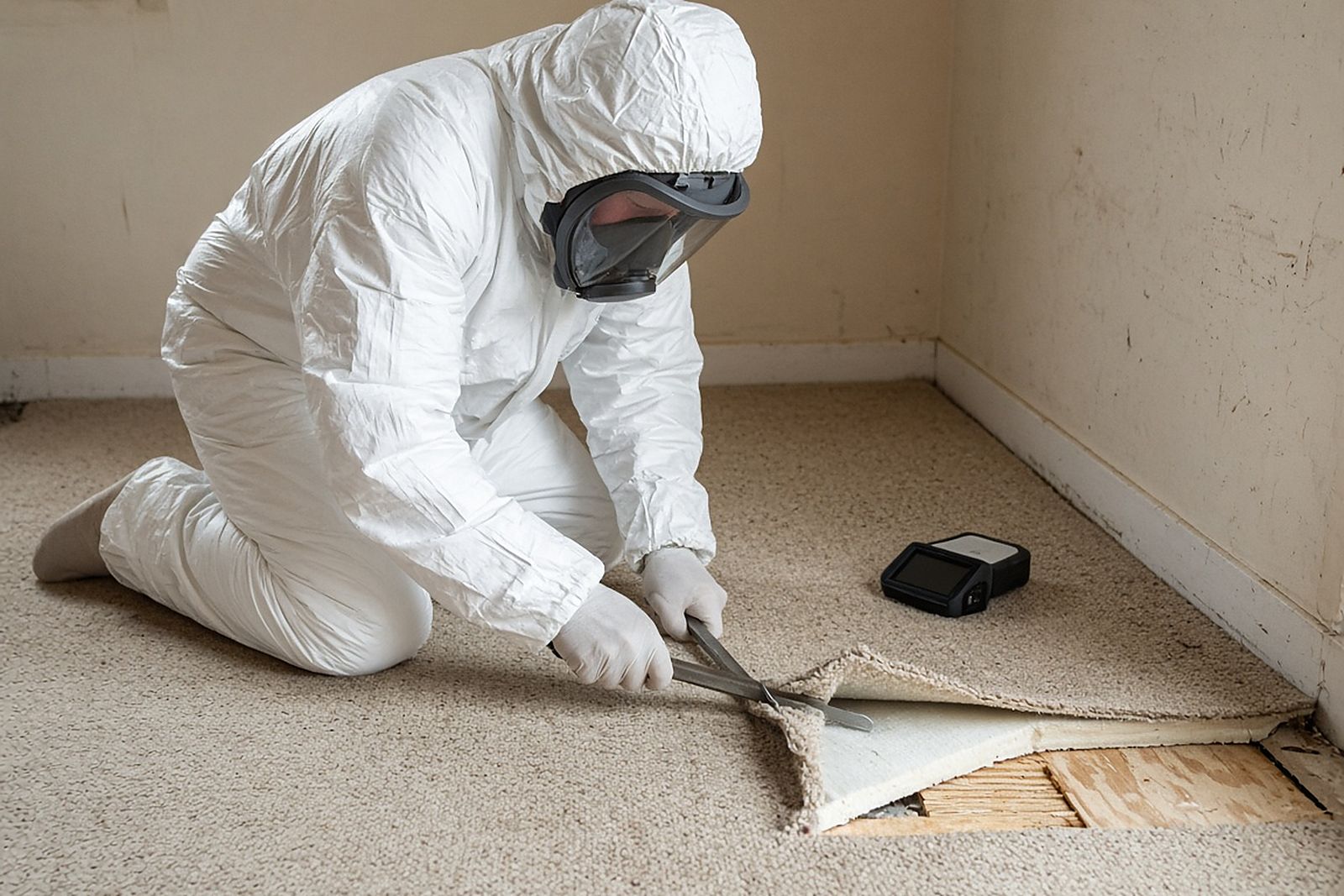
Unattended Death Cleanup services
Learn what cleanup after a late discovery involves. It covers tracing how far fluid soaked into the subfloor, odor treatment, listing belongings, and move-back-in records.
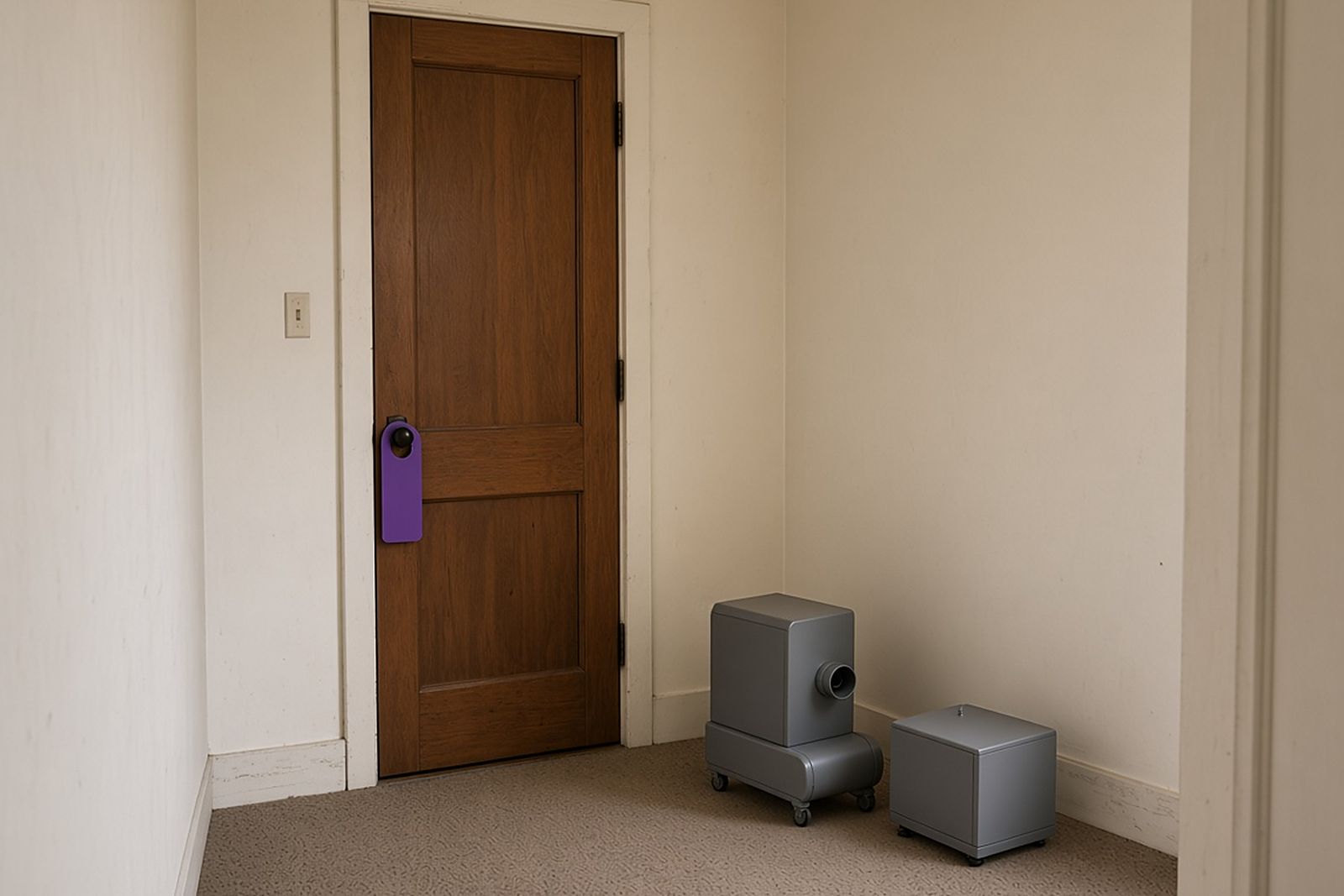
Costs explained
What drives the price, published cost ranges, and how to read a written quote line by line.
Insurance and payment
Which policies may respond, how to document a claim, and what to do if coverage is denied.
Planning tools
Six tools for landlords, executors, and families caring for a property after an unattended death. They help from the first day through waste records and claims.
Community polls
See how other landlords, executors, and relatives handled belongings, talking with tenants, telling buyers, and subfloor choices. Share your own view without giving your name.
Knowledge quiz
Test what you know about odor signs, who is in charge, closing off rooms in shared buildings, taking out soaked materials, waste records, and final sign-off papers.
Articles and resources
Longer reads on handling an estate from far away, working with tenants after a death in the building, and what honest cleanup after a death looks like.
Field guides
Guides for landlords and executors. They cover access, who is in charge, telling the insurer, how long to hold belongings, and when people can safely move back in.